The global market for residential energy storage is expanding rapidly as homeowners seek protection against rising utility rates and unpredictable grid failures. But when the lights go out, do you need the agile mobility of portable power stations vs fixed solar batteries designed for whole-home resilience? Choosing the wrong setup often leads to expensive power shortages or wasted capacity that never leaves your garage.
We are here to help you navigate these two paths by comparing cost-per-kWh, installation requirements, and federal tax incentives. Whether you are a renter needing a plug-and-play solution or a homeowner building a permanent microgrid, we will find your perfect energy match together.
- Portable Power Stations vs Fixed Solar Batteries: Choosing Your Energy Freedom
- 3 Financial Factors to Weigh Before Swiping Your Card
- How to Size Your System Without Wasting Money
- Technical Hurdles and Safety Protocols You Can’t Ignore
- Building a Hybrid Energy Ecosystem for Total Redundancy
Portable Power Stations vs Fixed Solar Batteries: Choosing Your Energy Freedom
Portable power stations offer plug-and-play mobility for renters and campers, while fixed LiFePO4 systems provide automated whole-home backup via transfer switches. Choosing depends on your 24-hour kilowatt-hour load and permanent installation budget.
Making the right choice between portable power stations vs fixed solar batteries for homes is the difference between surviving a blackout and barely noticing it happened.
Instant Power with Portable Plug-and-Play Units
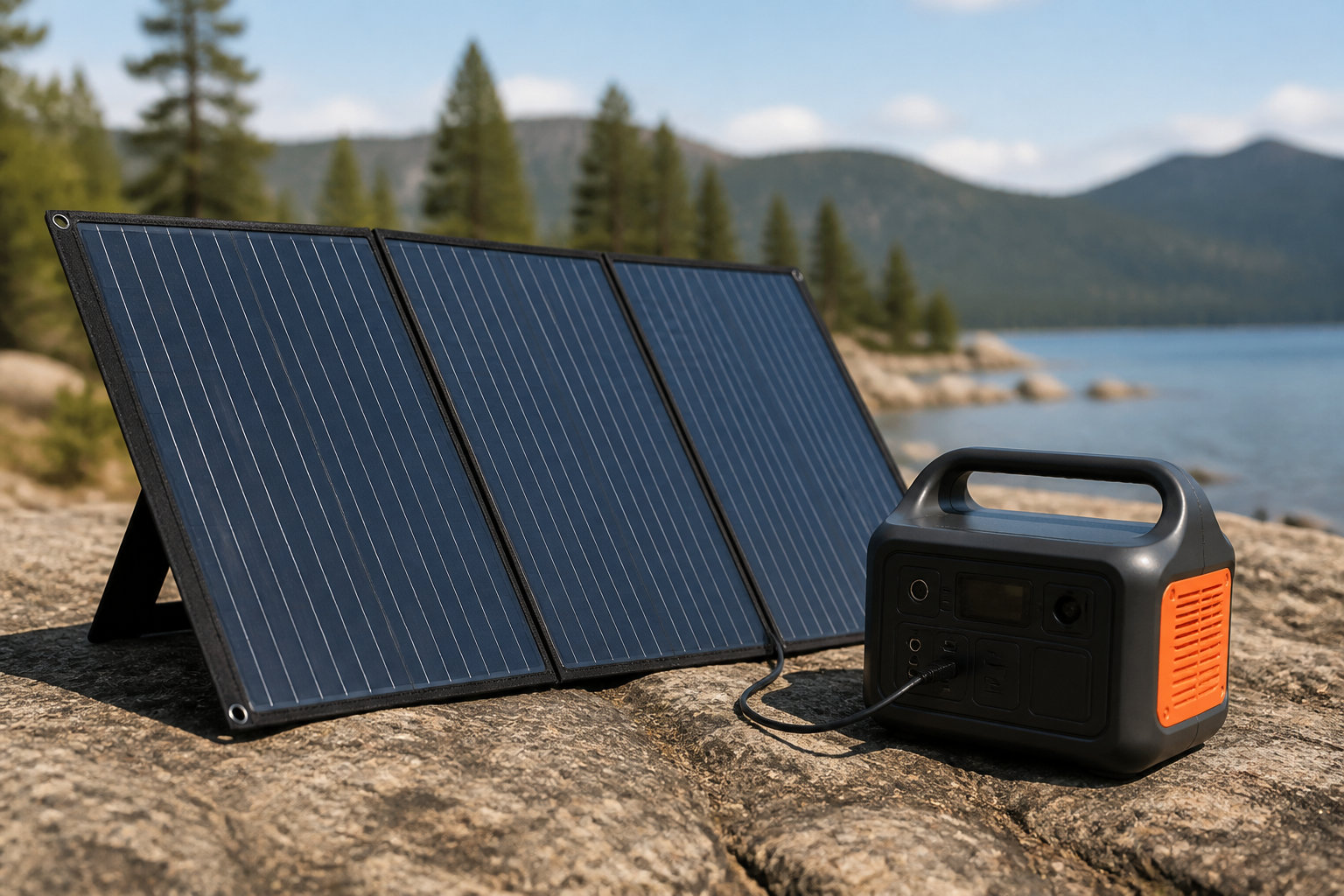
These devices are complete, all-in-one energy hubs. They house pure sine wave inverters and MPPT charge controllers within one chassis. Everything works together seamlessly for immediate electricity. You get power without the technical headache.
Mobility is the real winner here. These units are perfect for van life or weekend camping. You simply carry your electricity wherever you go. No complex wiring or expensive professional help is required.
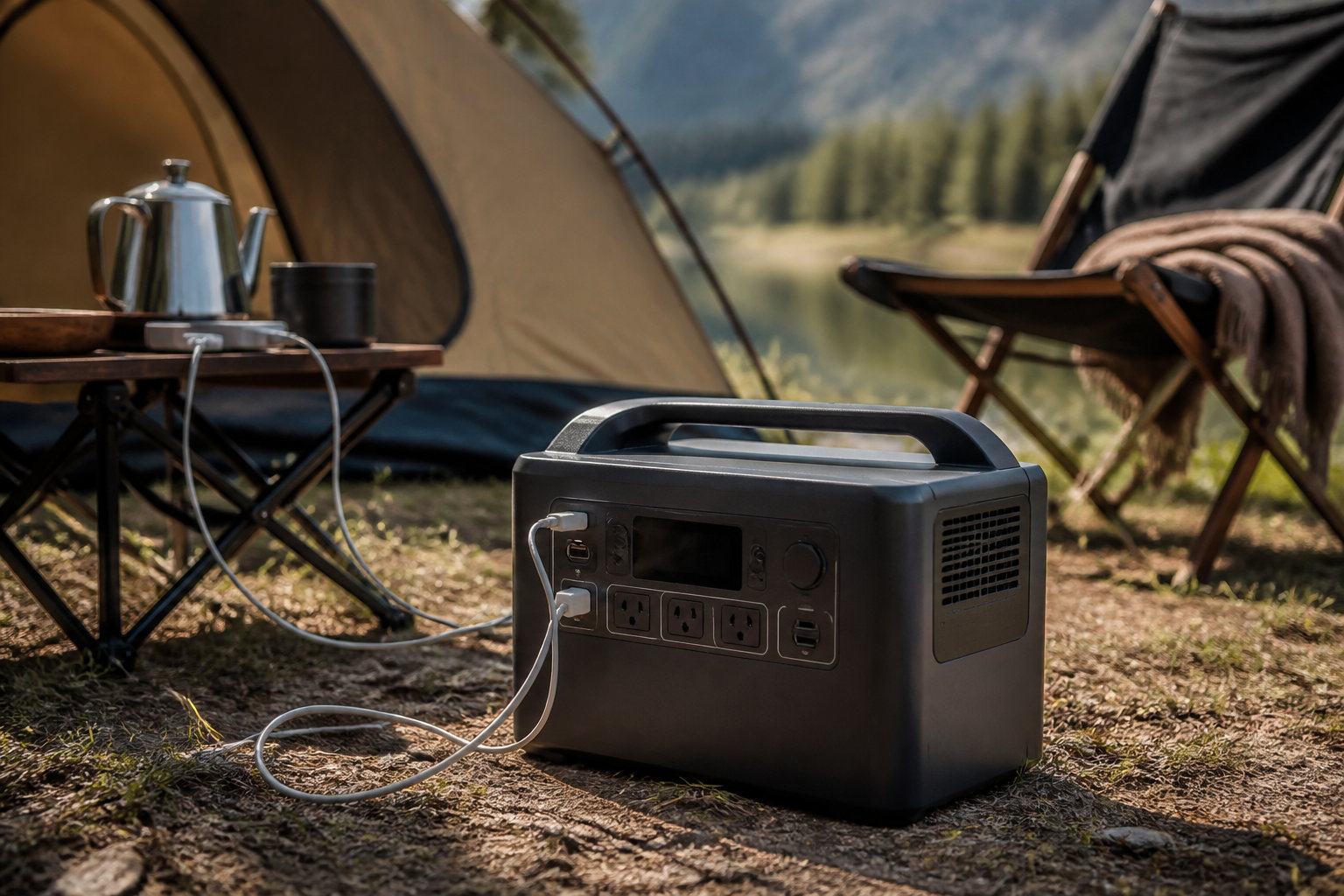
Renters finally have a reliable backup option. Since no permanent modifications are made, you won’t violate any lease agreements. It is a simple, non-invasive way to keep your gear running during emergencies.
Deployment happens in seconds, not weeks. You just unpack the box and start plugging in your devices. There is absolutely zero waiting time for permits or utility approvals.
- Built-in inverter
- Internal battery management system
- Multiple AC/DC output ports
- Integrated solar input
Ideal for van life, camping, and renters. Zero wiring needed; just plug and play.
Integrated home panels, whole-home backup, and professional installation for total grid independence.
Permanent Security with Fixed Home Storage Systems
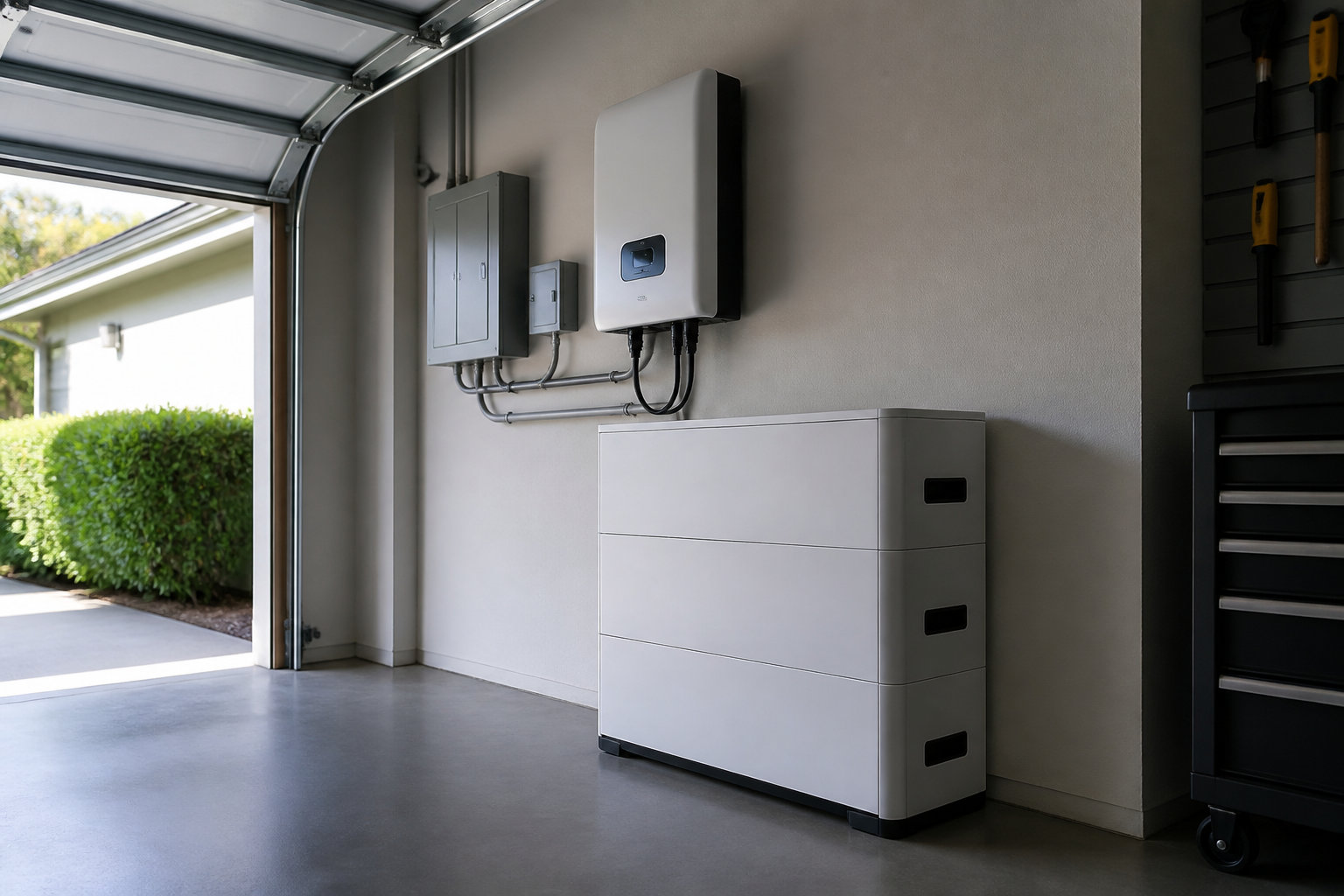
Fixed systems integrate directly into your home electrical panel. They connect to your main circuits to manage heavy loads. These batteries store excess energy from your rooftop solar array during the day.
Automatic transfer switches ensure total reliability. When the grid fails, the system detects it instantly. It switches to battery power without you having to lift a finger or flip a switch.
Unlike portables, these systems handle heavy appliances like HVAC units or well pumps. They provide a seamless transition that keeps sensitive electronics safe. Your entire household stays powered and protected.
Fixed solar batteries transform a house into a self-sustaining microgrid, ensuring that the lights stay on even when the local utility infrastructure fails completely.
These installations increase property value. They are a long-term investment in independence.
3 Financial Factors to Weigh Before Swiping Your Card
While convenience and security matter, the financial reality of these two paths often dictates the final choice for most homeowners.
Decoding the Cost-per-kWh Reality
Compare the initial purchase price against total energy stored. Portable units often cost significantly more per kilowatt-hour. You are paying for the engineering required to make components compact and mobile.
Raw storage capacity in fixed systems is cheaper. They lack individual casings and screens. Portables include expensive user interfaces and specialized handles.
| System Type | Avg. Cost per kWh | Lifespan (Cycles) | Portability |
|---|---|---|---|
| Portable Power Station | $800-$1500 | 3000+ | Yes |
| Fixed LiFePO4 Battery | $400-$700 | 3000+ | No |
| DIY Battery Bank | Lowest cost | Variable | No |
Maximizing Federal Tax Incentives and Savings
Most permanent systems qualify for the 30% Residential Clean Energy Credit. This significantly reduces the net cost of high-capacity setups. It makes professional installations much more accessible.
Clarify the status of portable units. Generally, they are classified as consumer electronics. Most do not qualify for federal tax breaks unless they meet specific capacity and installation criteria.
Check local utility rebates. Some regions offer extra incentives for fixed batteries. These programs support grid stability.
Tax credits can effectively slash thousands off a fixed system’s price, making professional installations much more competitive than they first appear.
The 30% credit applies to permanent storage over 3kWh. Portables usually miss out unless permanently wired to your home.
Calculating the Total Cost of Ownership
Factor in professional installation fees. Fixed systems require licensed electricians and permits. This adds a substantial upfront cost that portable units completely avoid by being plug-and-play.
Analyze long-term maintenance. LiFePO4 batteries in fixed systems often last over a decade. Portable units might face faster wear due to physical transport and environmental exposure.
Consider battery degradation rates. High-quality cells maintain 80% capacity after thousands of cycles. This ensures long-term reliability.
Factor in replacement costs. Fixed systems allow for modular battery swaps. Portables often require replacing the entire unit.
How to Size Your System Without Wasting Money
Once the budget is set, the real challenge begins: determining exactly how much energy you actually need to survive an outage.
Determining Your Daily Kilowatt-Hour Load
We recommend starting with a meticulous audit of your electrical needs. List every appliance you intend to power during a blackout. Multiply the rated watts by the hours of expected daily use. This total gives you the daily kWh requirement.
You must differentiate between essential and luxury loads. Refrigeration and lights are non-negotiable for most households. Yet, air conditioning and electric dryers consume massive amounts of energy very quickly. Focus on the basics first.
Do not forget to account for phantom loads. Many devices draw power even when turned off. It is wise to add a 20% safety margin to your final calculation. Better safe than sitting in the dark.
- Refrigerator: 1-2 kWh/day
- LED Lights: 0.1 kWh/day
- Laptop: 0.3 kWh/day
- Coffee Maker: 0.2 kWh/use
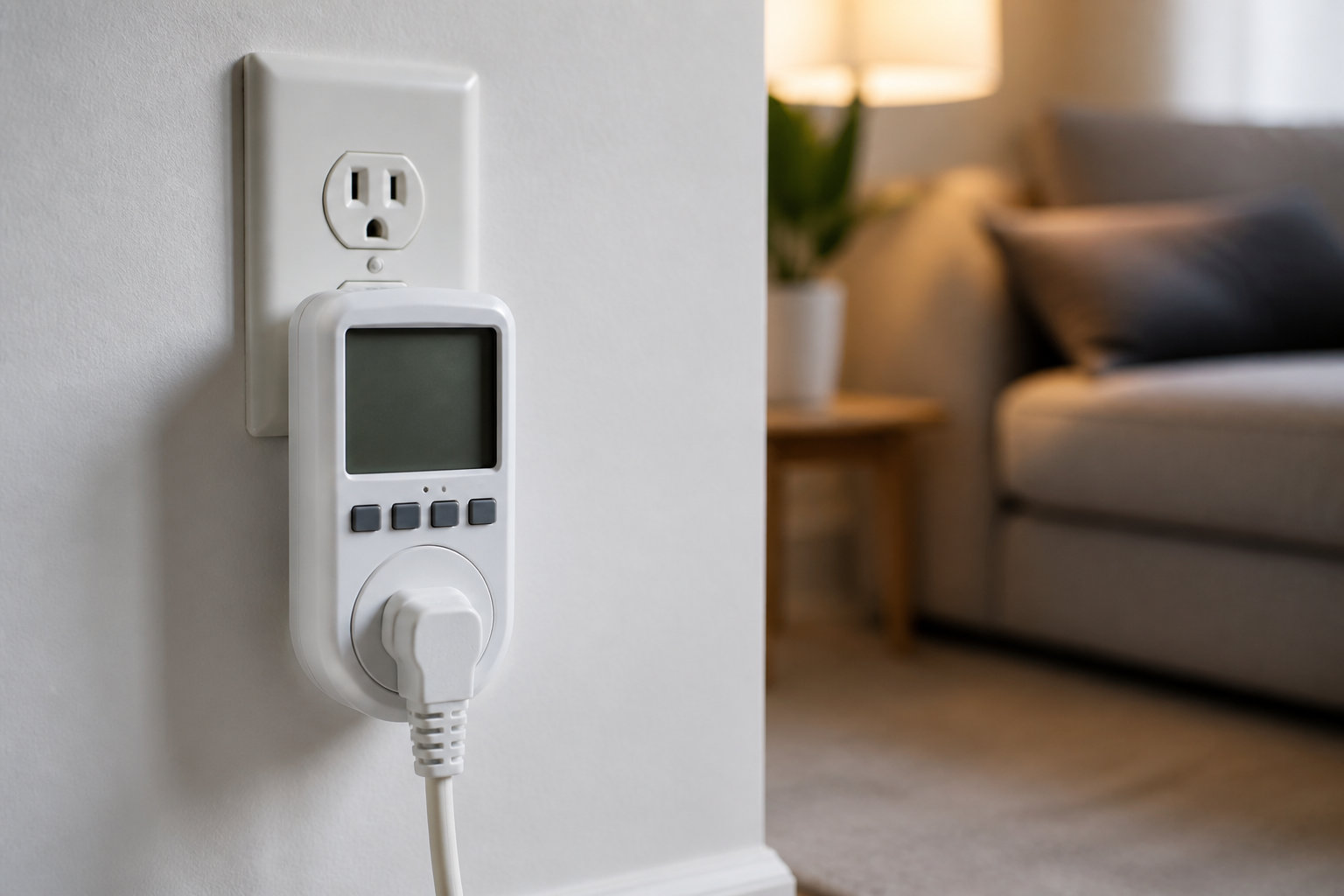
Use a kill-a-watt meter for precision. Measuring real-world draw is better than relying on manufacturer labels. It reveals the truth about your consumption.
Matching Storage Capacity to Your Living Situation
We need to evaluate requirements for off-grid living carefully. A full-time home needs enough storage for three days of low sun. This usually requires a large fixed battery bank to ensure continuous comfort. Reliability is paramount here.
Address emergency backup scenarios with a different lens. A portable station might suffice for keeping phones charged and a small fridge running. It is a tactical choice for short-term grid failures. Simplicity often wins for weekend outages.
Discussing high-surge appliances is vital for system health. Motors in pumps or compressors require a massive initial burst of current. Undersized portable units will often trip their internal breakers immediately. You cannot ignore peak power demands.
Consider the expansion path for your future needs. Fixed systems allow you to add more battery modules later. Most portables are limited by their original internal capacity and inverter size. Think long-term before you buy.
Finally, think about physical space. Fixed batteries sit in a garage or utility room, while portables need a dedicated shelf. Choose the footprint that fits your home.
Technical Hurdles and Safety Protocols You Can’t Ignore
Sizing is about quantity, but technical compatibility is about quality, and ignoring the latter can lead to fried circuits or worse.
Pure Sine Wave Inverters and Sensitive Electronics
Clean power is non-negotiable for your gear. Modern laptops and medical CPAP machines require a smooth electrical signal. Modified sine waves often cause overheating. They can even lead to permanent damage to sensitive microchips.
Inverter efficiency varies between systems. Residential solar inverters provide high-efficiency conversion under heavy loads. Portable inverters offer great convenience. However, they frequently lose more energy as heat during operation.
Don’t overlook your kitchen appliances. Modern fridges with digital displays are surprisingly picky about power quality. You must ensure your power source provides a true pure sine wave output. It keeps your electronics running smoothly.
Modified sine waves can cause overheating or damage to CPAP machines, laptops, and digital fridge displays. Use Pure Sine Wave only.
Using a cheap, modified sine wave inverter on a high-end gaming laptop is a recipe for a very expensive paperweight and a lot of regret.
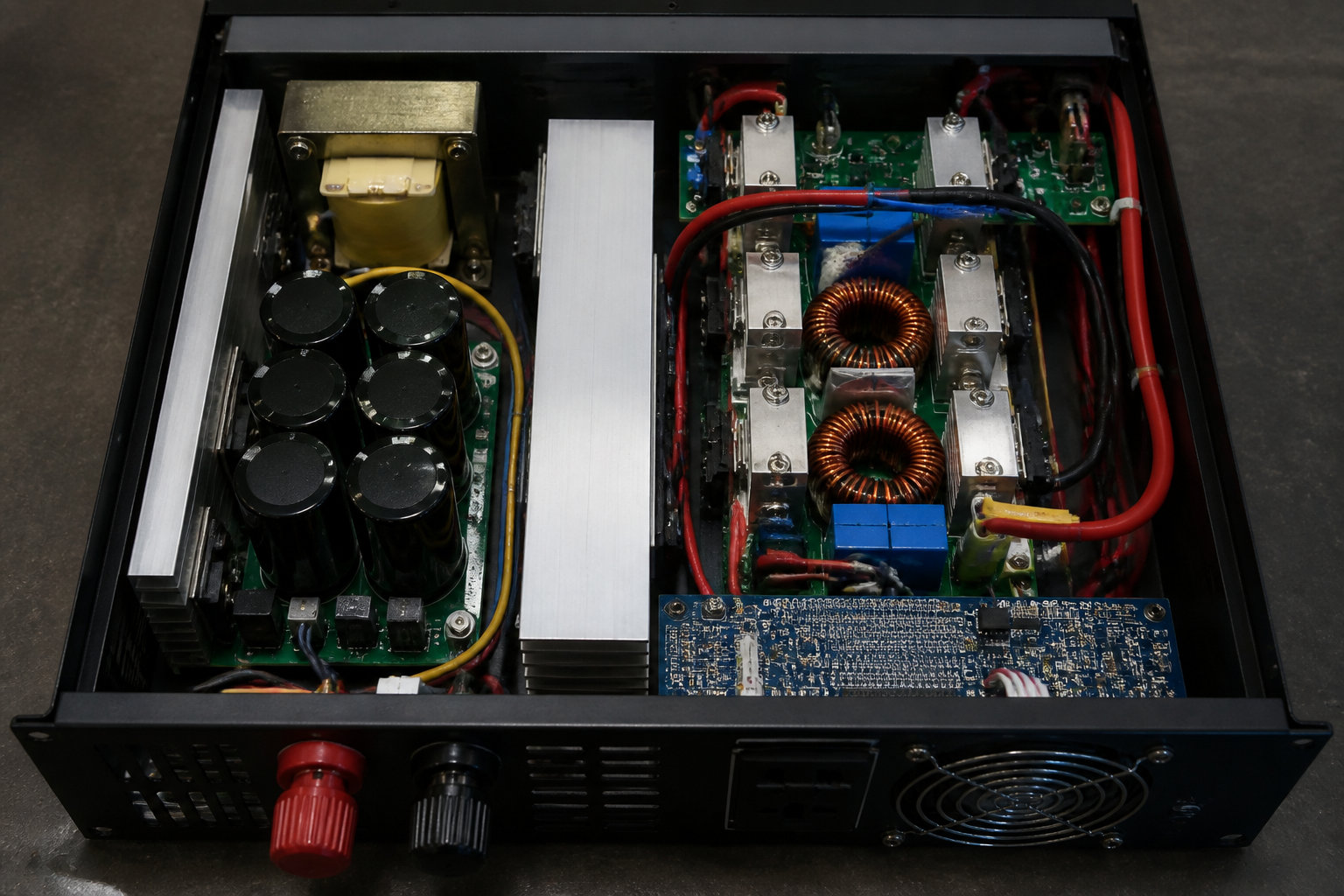
Always check the Total Harmonic Distortion (THD). High-quality systems keep this value below 3%. This ensures maximum safety for your devices.
Professional Installation vs DIY Risks
Electrical code compliance is a major factor. Fixed batteries must meet strict fire safety standards. Professional installation keeps your insurance valid. This is vital if an electrical fire ever occurs in your home.
Daisy-chaining portables might seem like a quick fix. Connecting multiple units creates extra capacity but adds risks. This often results in messy wiring. You may also face grounding issues that are difficult to manage.
Permitting requirements are usually mandatory for homeowners. Most cities require a permit for panel-tied systems. Skipping this step is risky. You could face heavy fines or be forced to remove the entire setup.
Modular fixed systems offer a safer growth path. They use busbars and heavy-duty cabling for high currents. These components won’t melt like standard extension cords. Portables simply aren’t built for that kind of sustained load.
Safety remains the paramount concern here. High-voltage DC circuits require specialized tools. Only trained experts should handle these complex fixed solar arrays.
Building a Hybrid Energy Ecosystem for Total Redundancy
You don’t actually have to choose just one; in fact, the most resilient homes often use a combination of both technologies.
The Gateway Effect of Starting Small
Starting with a portable station acts as a powerful educational gateway. You learn your energy habits firsthand. It reveals which appliances are the biggest “pigs” before you commit thousands to a fixed system. Smart planning starts here.
Integrate these portable units into your broader strategy. A station can serve as a dedicated backup for your home office. This isolation keeps critical work gear safe from the main house load. Total security for your productivity.
Use your portables for peak shaving daily. Charge the unit via solar during daylight hours. Use that stored energy at night for lights. This simple move reduces the constant strain on your main battery bank significantly.
- Test energy loads risk-free before scaling up.
- Create mobile backup zones for home offices.
- Reduce main system wear through strategic off-loading.
- Learn solar charging basics with hands-on experience.
Starting small effectively slashes financial stress. It enables a staged approach. You can achieve full energy independence over several years without breaking the bank.
Surviving Low-Sun Winters with Dual Setups
Winter demands a specific strategy for low-sun regions. Days are short and frequently cloudy. A fixed array might never reach a full charge. This leaves your home dangerously vulnerable during long, freezing nights. Preparation is everything.
Supplement your power with AC charging flexibility. You can take your portable unit to a friend’s house or a public station. Bring it back fully charged. This provides vital support to your struggling fixed system instantly.
Leverage your vehicle for mobile harvesting. While driving, your car’s alternator can top off a portable battery. This is a feat a fixed home storage system simply cannot match. Power generation on the move is real.
Manage your production expectations carefully. Winter energy yields can plummet by 70% compared to summer. Having a secondary, flexible source is the only way to prevent total blackouts during these lean, dark months.
Ultimate redundancy is the goal. If your fixed inverter fails, the portable unit steps up. It becomes your primary lifeline for communication and light. Never stay in the dark again.
Whether you prioritize plug-and-play mobility for off-grid adventures or permanent security via fixed home storage, your energy independence starts now. Choosing between portable power stations vs fixed solar batteries depends on your specific load needs and long-term budget. Secure your home’s future today for ultimate peace of mind.
FAQ
Is a portable power station or a fixed solar battery better for my home?
It all depends on your freedom and lifestyle goals. If you are a renter, a camper, or need a quick backup for small electronics, a portable power station is your best friend because it requires zero installation. However, if you want to power your entire house, including heavy appliances like AC units, a fixed solar battery is the ultimate long-term investment for true energy independence.
Can I really save money by choosing a permanent solar battery system?
Absolutely! While the upfront cost is higher, fixed systems often qualify for the 30% Residential Clean Energy Credit, which slashes thousands off your investment. Plus, fixed batteries are designed to store excess energy from your rooftop panels, significantly reducing your monthly utility bills and providing a much lower cost-per-kWh over the system’s lifespan compared to mobile units.
How do I calculate exactly how much battery capacity I need?
Getting your sizing right is the key to avoiding wasted money. Start by listing every device you need to power, find their wattage, and multiply that by the hours you’ll use them each day. We recommend adding a 20% safety margin to account for “phantom loads” and ensuring you have enough juice to keep your essentials running during a total grid failure.
Are portable power stations safe for my sensitive electronics?
Yes, provided you choose a unit with a Pure Sine Wave inverter. This technology delivers a smooth, consistent electrical signal that mimics grid power, protecting your high-end laptops and medical devices from damage. Always check the Total Harmonic Distortion (THD); keeping it below 3% is the gold standard for keeping your gear safe and sound.
Do I need a professional to install these energy systems?
For fixed solar batteries, professional installation is a must to ensure compliance with local electrical codes and to keep your home insurance valid. Portable power stations, on the other hand, are the ultimate “plug-and-play” solution, you simply unpack the box and start charging immediately with no permits or electricians required.
Can I use both portable and fixed systems together?
Smart homeowners are building hybrid energy ecosystems for total redundancy! You can use a fixed system for your main household needs while keeping a portable unit as a dedicated backup for your home office or for “mobile harvesting” in your car. This dual setup ensures you stay powered up even during low-sun winter months or unexpected equipment maintenance.