Solar panels lose approximately 0.5% of their efficiency for every degree Celsius above the standard 25°C benchmark. This physical reality means that in scorching deserts or high-altitude peaks, your gear rarely hits its rated wattage without smart adjustments.
Maintaining reliable power becomes a struggle when extreme heat drops your voltage or sub-zero cold threatens to freeze your battery chemistry. We are going to show you how to master mobile solar energy efficiency for extreme climates so you can keep your essential devices running no matter how harsh the environment gets.
- Mobile Solar Energy Efficiency for Extreme Climates Explained
- Protecting Batteries From Thermal Degradation in Heat
- Survival Tactics for Arctic-Grade Solar Installations
- Combatting Corrosion in High-Humidity Jungle Environments
- Maintenance Protocols to Prevent Component Failure
Mobile Solar Energy Efficiency for Extreme Climates Explained
Solar panels lose 0.35% to 0.5% efficiency for every degree above 25°C, while albedo reflection from snow or sand can boost yields by 30%. Maintaining peak conversion requires managing these thermal coefficients and ground-surface physics.
Managing heat is the first step toward how to optimize mobile solar energy in extreme climates effectively.
Analyzing Temperature Coefficients in Solar Cells
Voltage drops when photovoltaic cell temperatures rise. Heat excites electrons excessively within the material. This physical reaction reduces the potential difference across the cell.
Monocrystalline panels typically lose 0.4% efficiency per degree Celsius. Thin-film technologies often show slightly better thermal resistance. These figures represent a direct impact on energy conversion rates.
Thermal bottlenecks are unavoidable reality. A hot panel physically cannot reach its rated laboratory wattage. Performance always shifts under real sun.
Leveraging Albedo for Increased Power in Snow or Sand
Surface reflection significantly impacts backside energy gain. White sand or glaciers bounce photons back toward your array. This light would otherwise be wasted.
Surrounding environments act as natural mirrors. High-reflectivity ground cover boosts output for mobile kits. This is vital in desert or arctic zones.
- Fresh snow: 80-90% albedo gain
- White sand: 30-40% gain
- Standard grass: 10-20% gain
Quantifying these yields helps plan your setup. Different surfaces provide varying levels of extra energy. Use your surroundings to your advantage.
Efficiency Losses for Every Degree Above Standard Conditions
Real-world output drops quickly beyond the 25°C benchmark. You can estimate power drops by checking the temperature coefficient. Desert heat makes this calculation mandatory.
Laboratory ratings often mask actual field performance. Midday sun creates harsh operating conditions for portable gear.
A panel rated for 400W at 25°C may only produce 320W when the cell temperature hits 65°C in the midday sun.
Proper ventilation is the best defense. Start by understanding how plug-and-play solar kits work to manage heat better. Airflow keeps your energy production stable.
Protecting Batteries From Thermal Degradation in Heat
While panels struggle with conversion efficiency in the sun, the real danger of high temperatures lies in the chemical stability of your storage system.
High heat breaks down internal separators in LiFePO4 cells, leading to potential fire risks and permanent capacity loss.
Managing Thermal Runaway Risks in Lithium Storage
Thermal runaway in LiFePO4 cells starts when excessive heat triggers the decomposition of the SEI layer. This chemical breakdown occurs between 80 and 120°C. Eventually, the internal separator melts, causing catastrophic failure.
Preventing internal short circuits requires a high-quality BMS to monitor temperature sensors constantly. You must avoid overcharging or deep discharging during heatwaves. These electrical abuses accelerate internal heat generation significantly.
Extreme temperatures drastically shorten cycle life by degrading active materials. Understanding lithium vs lead acid solar storage thermal resistance differences helps you choose the right tech. Stable chemistry is your best defense.
Passive Versus Active Cooling for Portable Power Stations
Active cooling uses internal fans to move air quickly across sensitive components. This method is effective but consumes precious battery power. In contrast, passive sinks are silent and rely on natural ventilation through chassis vents.
The energy cost of active fans is a necessary tax for safety. We recommend placing units in enclosures designed for maximum airflow. Forcing air through the system prevents heat from stagnant, humid air from lingering inside.
Your hardware choice impacts cooling needs. Selecting a robust solar panel battery with integrated thermal management ensures better heat dissipation. High-quality units handle the load without melting down under pressure.
Strategic Shading for Battery Units in Extreme Heat
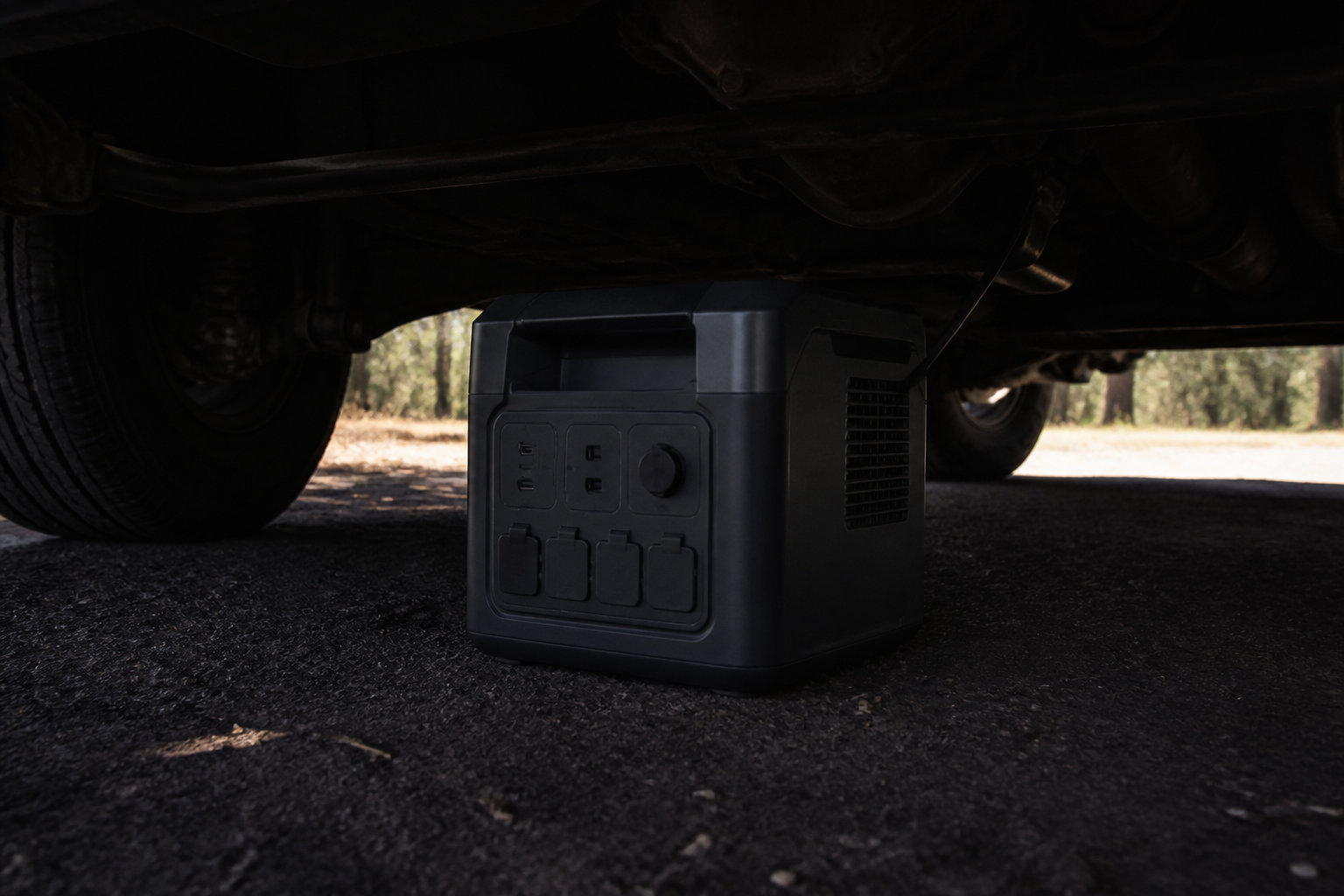
Your power station needs more shade than your solar panels. While panels thrive in light, electronics hate direct solar radiation. You must always keep the “brain” of the system in the dark.
Position your gear to shield sensitive electronics from harsh UV rays. Use long cables to place the battery unit under a vehicle or inside a ventilated tent. This physical distance keeps the heat away from the core.
Reflective materials provide an extra layer of protection.
A simple Mylar space blanket draped over a battery box can reflect 90% of radiant solar heat away from the unit.
This cheap trick saves your battery life.
Survival Tactics for Arctic-Grade Solar Installations
If the desert is a battle against heat, the Arctic is a fight for chemical activity, where sub-zero temperatures can freeze your power supply entirely.
Thermal Insulation Techniques for Battery Enclosures
Keeping batteries warm is your top priority. Use self-heating mats powered directly by your solar array to maintain internal temperatures. These heaters are vital for safe charging when the mercury drops.
Vacuum-insulated panels are a total game-changer for mobile kits. They offer massive R-values without the annoying bulk of foam. They are perfect for nomadic setups in snowy regions where space is limited.
But don’t forget your vehicle setup. Check out these tips for winter RV setups to stay powered. Proper insulation ensures your system survives the frost.
Handling Snow Loads and Anti-Icing on Portable Panels
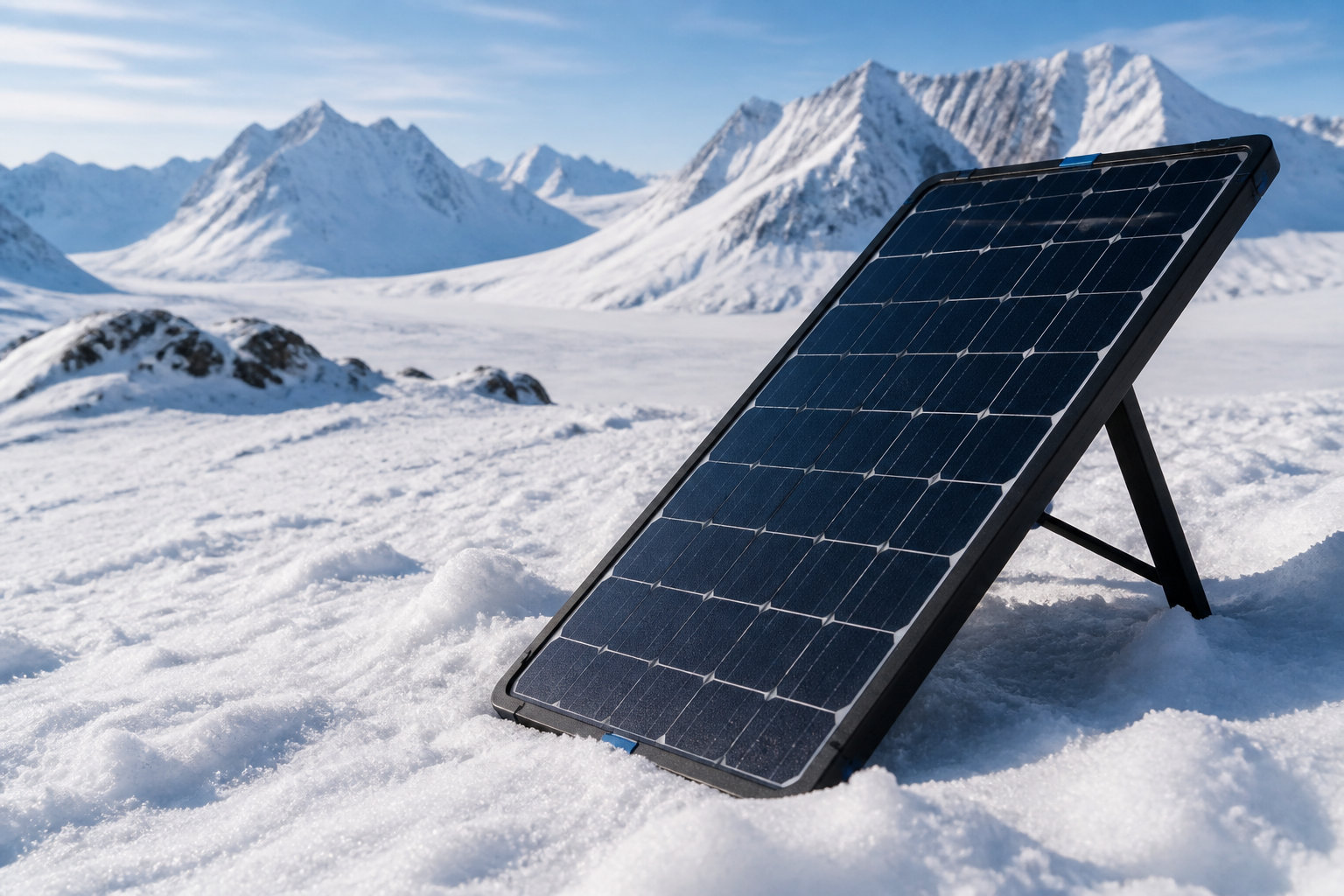
I always recommend using steep tilt angles to encourage natural snow shedding. A 60-degree angle helps gravity clear the glass surface. This simple trick prevents snow from sticking without any manual intervention.
If you must clear them yourself, use a soft brush or squeegee. Never use a metal shovel under any circumstances. Scratches create hot spots that will ruin your panel performance later on.
The real problem is ice buildup. Even a thin translucent layer of ice can block enough light to drop output by 50%. You cannot ignore even a light frost if you want efficiency.
Performance of Standard Gear in Sub-Zero Conditions
Charging lithium batteries below 0°C (32°F) causes lithium plating. This permanently destroys the cell’s capacity and safety. Most quality inverters will suspend charging to prevent this damage.
Thermal contraction causes more failures than you might think. Solder joints can crack under the stress of extreme cold. Plastic casings also become brittle and often snap under the slightest pressure.
So, how do you optimize mobile solar energy in extreme climates? You need specific cold-weather modifications to stay operational. Here is what I suggest for your winter gear:
- Use low-temp rated cables to prevent cracking.
- Add external heating pads to the battery bank.
- Switch to LTO batteries for extreme cold performance.
Combatting Corrosion in High-Humidity Jungle Environments
Beyond the temperature extremes, the relentless moisture of tropical regions introduces a silent killer: oxidation and electrical leakage.
Material Selection for Hardware in High-Humidity Zones
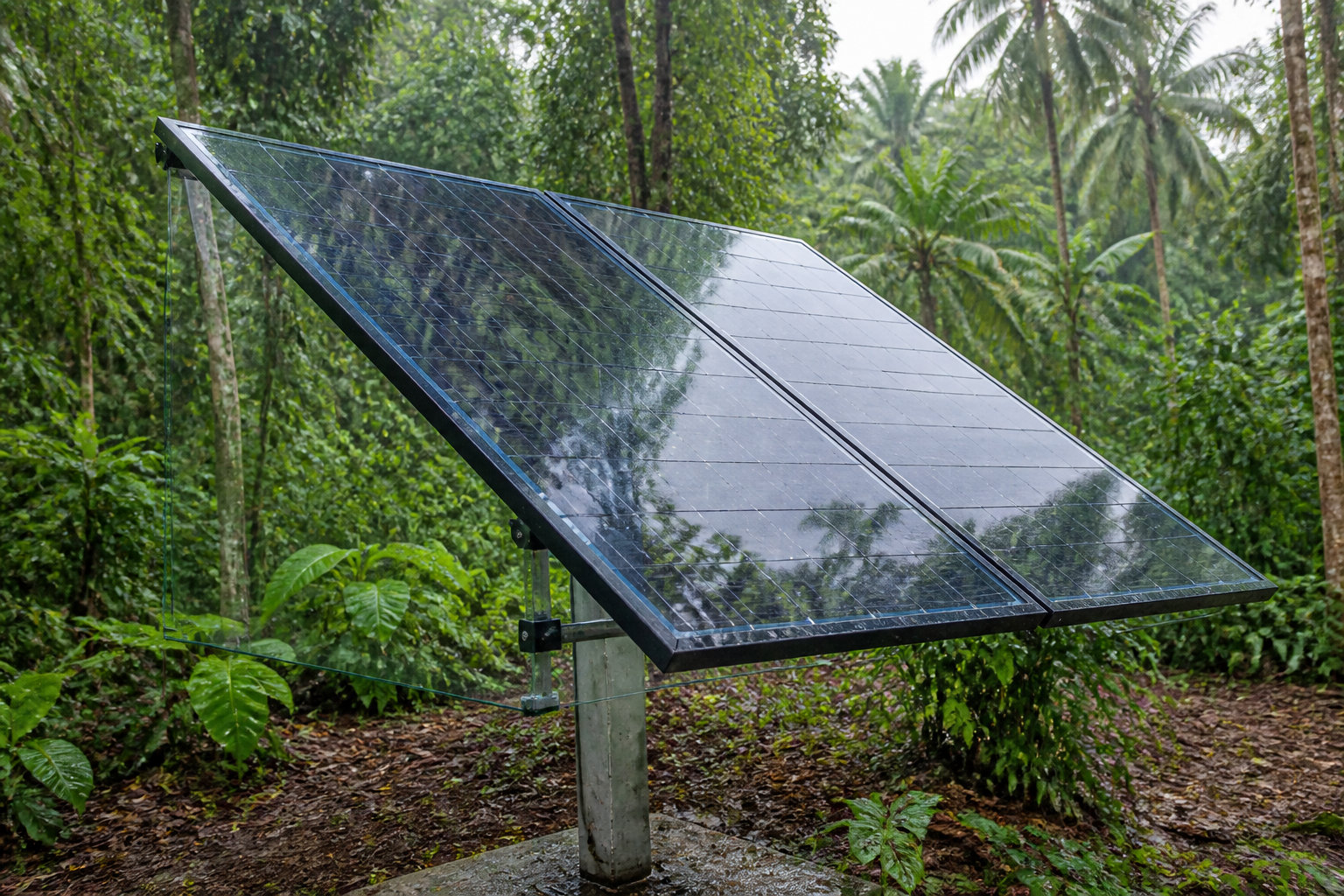
We highly recommend using anodized aluminum and stainless steel for your mounting frames. These specific materials effectively resist the pitting caused by constant rain and salt mist. Standard metals simply won’t survive long in coastal or tropical areas.
Use dielectric grease (silicone-based) on electrical connectors to block moisture and prevent green corrosion (oxidation).
Applying this lubricant to copper pins creates a protective barrier against moisture ingress. It is a simple step that prevents electrical faults before they start. Keeping your connections dry is the best way to ensure long-term system reliability.
Safety is paramount when dealing with high-voltage equipment in wet conditions. You should always install balcony solar panels safely by checking all seals and insulation. Humidity increases conductivity risks, so never skip these basic hardware inspections.
Role of Bifacial Panels in Difficult Environments
Dual-glass panel construction offers superior durability in the tropics. Glass-on-glass designs are nearly impervious to moisture ingress compared to traditional plastic backsheets. This robust build prevents internal degradation even during heavy monsoon seasons.
Bifaciality helps you compensate for lower direct sunlight under dense jungle canopies. Diffused light hitting the ground or vegetation can be harvested by the back of the panel. This ensures you capture every available photon from all angles.
“Bifacial glass-glass panels eliminate the risk of backsheet delamination, a common failure point in tropical humidity.”
By removing plastic components, you eliminate the risk of acid accumulation inside the module. This design choice significantly extends the lifespan of your mobile solar setup. It is a smart investment for any extreme climate explorer.
Benefits of Power Optimizers in Shaded or Harsh Spots
Power optimizers are essential for mitigating losses from partial jungle canopy shade. They prevent one single shaded cell from dragging down the performance of your entire string. You get maximum output regardless of overhead branches.
In humid conditions, electrical faults are much more likely to occur. Optimizers provide the safety advantage of rapid shutdown at the panel level. This allows you to de-energize the system immediately for safe maintenance or emergencies.
These devices handle the varying voltages of hot panels much better than simple PWM controllers. They maintain high efficiency even when temperatures soar. You avoid the “hotspot” damage that typically plagues standard series wiring in the heat.
Maintenance Protocols to Prevent Component Failure
Even the most rugged equipment will fail without a strict regimen of cleaning and monitoring in these unforgiving landscapes.
Cleaning Sand and Dust for Better Light Absorption
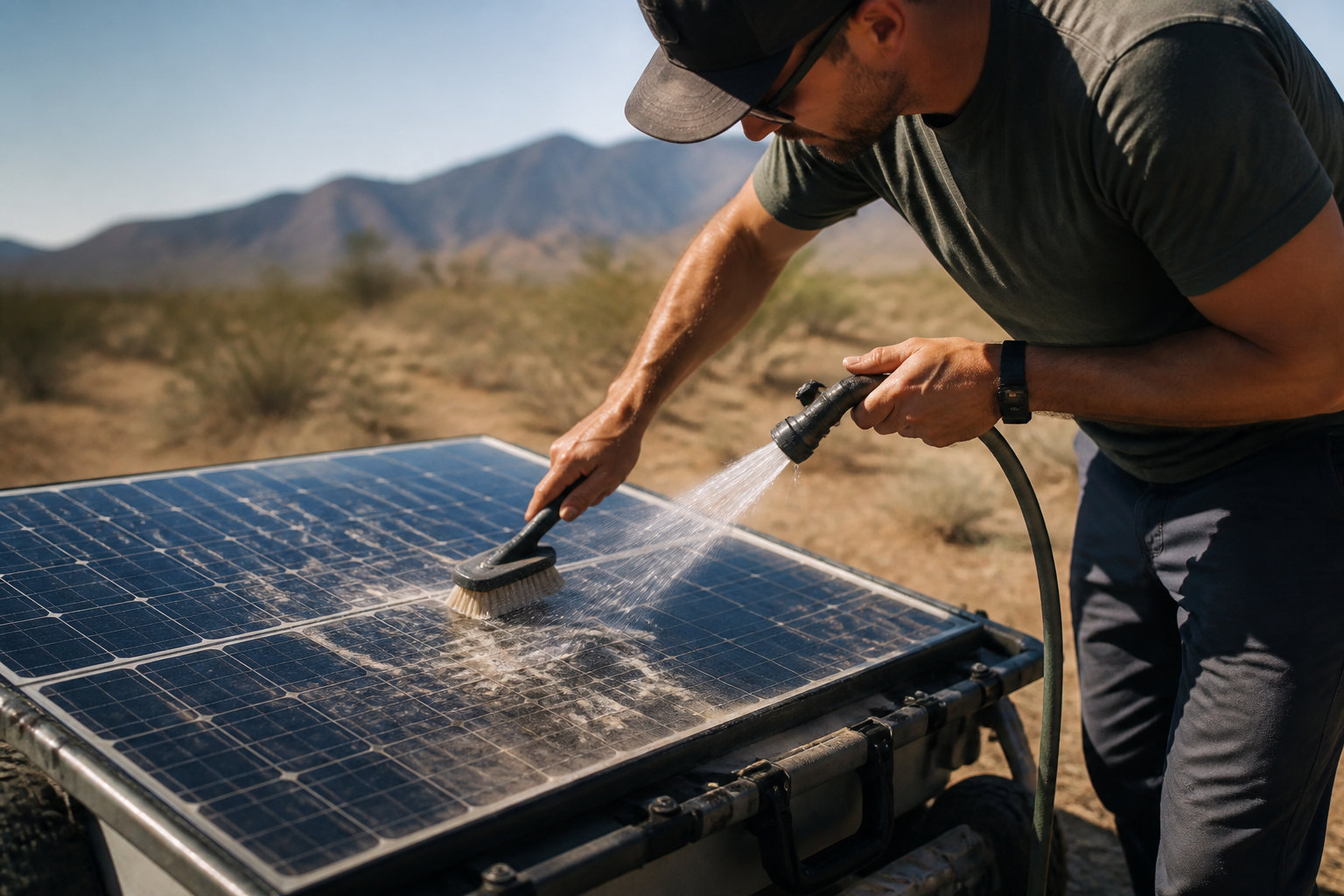
In arid regions, establish a weekly maintenance schedule for your portable panels. Dust storms can coat surfaces rapidly, and even a thin layer blocks vital photons. Consistent upkeep is the only way to prevent massive yield drops.
Micro-abrasions are a silent killer for solar efficiency. Never dry-wipe a panel with a cloth, as sand acts like sandpaper. Always use water to float debris away before scrubbing gently with a soft tool.
| Debris Type | Efficiency Loss | Cleaning Method | Frequency |
|---|---|---|---|
| Light Dust | 5% to 10% | Microfiber cloth | Weekly |
| Heavy Sand | 20% to 40% | Water rinse + brush | After storms |
| Bird Droppings | 10% to 15% | Water + soft scrub | As spotted |
| Ice/Frost | 10% to 25% | Gentle brush | Daily in winter |
Troubleshooting High-Heat Error Codes on Power Units
You must learn to interpret common BMS warnings immediately. Look for specific codes like “OVERTEMP” or “E05” on your display. These signals indicate that internal temperatures have exceeded safe operating limits for the electronics.
If you see these alerts, shut down the inverter immediately. Move the unit to a shaded, breezy area to let it cool naturally. Never force-cool a battery with ice, as rapid shifts cause internal damage.
Watch for signs of permanent damage, such as casing deformation or persistent odors. We take these risks seriously, which is why you should check how we test equipment durability to ensure your gear can actually handle the heat.
Best Practices for Long-Term Storage in Harsh Climates
Managing state-of-charge (SoC) levels is vital for battery health. Never store lithium units at 100% capacity in high heat. Aim for a 50% charge to reduce chemical stress on the cells during downtime.
Moisture-controlled environments are non-negotiable for mobile setups. Use silica gel packets inside your storage boxes. This simple step prevents condensation from forming inside the electronics during the radical temperature swings of extreme climates.
Follow a seasonal adjustment checklist to keep your gear ready for action. For those managing static setups alongside mobile ones, see our guide on maintaining static solar setups to protect your long-term energy investments effectively.
Mastering mobile solar energy efficiency for extreme climates requires managing temperature coefficients, leveraging albedo reflections, and prioritizing battery thermal safety. By implementing these strategic maintenance protocols, you ensure reliable power and long-term gear durability. Secure your energy independence today and power your future adventures with total confidence.
FAQ
How does extreme heat affect my solar panel’s power output?
High temperatures are a major challenge for solar efficiency. Most panels experience a performance drop of 0.3% to 0.5% for every degree the temperature rises above 25°C (77°F). In blistering desert conditions where cells can reach 65°C, a panel rated for 400W might only produce around 320W.
To fight this thermal bottleneck, we recommend choosing thin-film panels, which often have lower temperature coefficients. Ensuring proper airflow and avoiding installations near hot air vents will also help keep your gear running at peak capacity.
Can snow or sand actually help increase my solar energy production?
Absolutely! This is the power of the albedo effect. Surfaces like fresh snow can reflect up to 90% of sunlight, while white sand reflects about 30-40%. This reflected light acts like a natural mirror, bouncing extra photons onto your array to boost your yield significantly.
If you are using bifacial solar panels, this effect is even more dramatic. These dual-glass units capture light from both sides, allowing you to harvest energy from the ground’s reflection and maximize your power gains in arctic or desert environments.
Is it safe to charge my lithium batteries in freezing temperatures?
No, charging lithium batteries in sub-zero weather is extremely dangerous for the unit. Attempting to charge below freezing causes lithium plating, a process that permanently destroys the battery’s capacity and creates serious safety risks. Always ensure your battery is warmed up before starting a charge cycle.
For reliable winter performance, we suggest using self-heating mats or insulated enclosures to keep the chemical core stable. If you frequently operate in extreme cold, switching to LTO (Lithium Titanate) batteries is a smart move for maximum durability.
How can I prevent my portable power station from overheating?
While your panels love the sun, your battery unit hates it. The “brain” of your system should always stay in the shade. You can use long cables to place the unit under a vehicle or inside a ventilated tent. A simple Mylar space blanket draped over the box can reflect 90% of radiant heat away.
Keep a close eye on your BMS (Battery Management System) for error codes like “OVERTEMP.” If the unit gets too hot, shut it down immediately and move it to a breezy area to cool naturally. This prevents the risk of thermal runaway and extends your battery’s life.
How do I protect my solar gear from high humidity and corrosion?
In tropical or jungle climates, moisture is a silent killer. We recommend using anodized aluminum or stainless steel hardware to resist rust. Applying dielectric grease to your electrical connectors is a pro tip to block moisture and prevent that nasty green corrosion on copper pins.
For the panels themselves, glass-on-glass bifacial designs are the best choice. They eliminate the risk of backsheet delamination, which is a common failure point in humid zones. These rugged units are built to withstand the relentless oxidation of the rainforest.
What is the best way to clean my panels in dusty or sandy areas?
Maintenance is key to survival. In arid regions, a thin layer of dust can block enough photons to cause a 5% to 40% efficiency loss. However, never dry-wipe your panels. Sand is abrasive and will create micro-scratches that lead to permanent “hot spots.”
Always use water to float the debris away before gently scrubbing with a soft microfiber cloth or squeegee. During active dust storms, you may need to perform this cleaning routine weekly to ensure your mobile kit stays at maximum efficiency.