Key takeaway: Plug-and-play solar kits offer a hassle-free way to reduce electricity bills by 15-25% through direct outlet integration. By bypassing professional labor and utilizing microinverters for individual panel efficiency, you can offset your home’s base load immediately. This portable solution is ideal for renters, offering a fast ROI typically within 4 to 6 years. ☀️
A well-placed 420W solar kit can reduce your electricity bills by up to 118 euros every year with zero professional installation costs. These systems simply plug into your standard wall outlet to feed green energy directly into your home circuit.
Traditional solar setups often feel out of reach due to high prices and complex paperwork. We are here to help you explore the benefits of plug and play solar for home so you can start generating your own power today.
Understanding the Benefits of Plug and Play Solar for Home
Plug-and-play solar kits reduce electricity bills by 15-25% by feeding energy directly through standard wall outlets. These systems bypass expensive professional labor, utilizing integrated microinverters to convert sunlight into immediate household power.
The efficiency of this direct-to-socket power relies heavily on how microinverters handle the energy harvest.
Definition: Plug-and-play kit
A photovoltaic device consisting of a solar module, an integrated microinverter, and a mounting system for direct outlet connection.
How Microinverters Simplify Energy Production
Microinverters are the heart of these kits. They convert DC power from your panel into usable AC electricity. This individual management ensures each panel operates at maximum efficiency.
Decentralized energy offers incredible reliability. Shaded panels won’t ruin your entire system’s output. Each unit works independently to maximize the harvest from every ray of sunlight.
Setting up is remarkably simple for anyone. You can learn more about how plug and play solar panels work to master your technical setup quickly.
The Mechanics of Standard Outlet Integration
Connection happens through a standard Schuko outlet. Electricity follows the path of least resistance. It powers nearby appliances first, reducing grid pull and lowering costs instantly.
Forget about complex electrical work. This is a direct injection of power. It uses your existing home circuit without any rewiring needed. ⚡
Investing in this technology makes perfect financial sense for homeowners today. It is the fastest way to start saving money. 📉
Maximizing Your Electricity Bill Savings with Minimal Effort
Once you grasp the mechanics, the next logical step is looking at the actual dollars and cents saved on your monthly statement.
Financial Snapshot
Price range: 300€ to 1000€; Payback period: 5 to 9 years; Annual savings example: ~118€ for a 420Wc kit.
Calculating Your Payback Period and ROI
Local electricity rates significantly dictate your return on investment speed. Higher utility costs naturally lead to a much faster payback. Your local grid prices are the primary driver here.
Sunlight exposure remains a major variable for performance. A well-placed 400W panel can pay for itself in 4 to 6 years. This depends heavily on your local climate and the specific orientation of your setup.
A typical plug-and-play kit can offset the base load of a medium-sized apartment, effectively erasing the cost of ‘always-on’ appliances for two decades.
Self-Consumption Versus Net Metering Realities
Using the power yourself is far more effective than sending it back. Self-consumption stands as the most profitable route for these small kits. It ensures every watt produced helps your wallet directly.
Strategy
Financial Impact
Best For
Full Self-Consumption
High savings
Small households
Partial Export
Medium savings
Low daytime use
Grid Reliance
No savings
Traditional setups
We recommend using smart plugs to monitor this consumption accurately. If you want to store excess energy, check out these storage options. Tracking your data helps maximize your benefits of plug and play solar for home.
Why Renters and Balcony Owners Love These Systems
Beyond the raw numbers, the real freedom of these kits lies in their accessibility for those who don’t own a roof.
Portability and Ease of Installation for Every Home
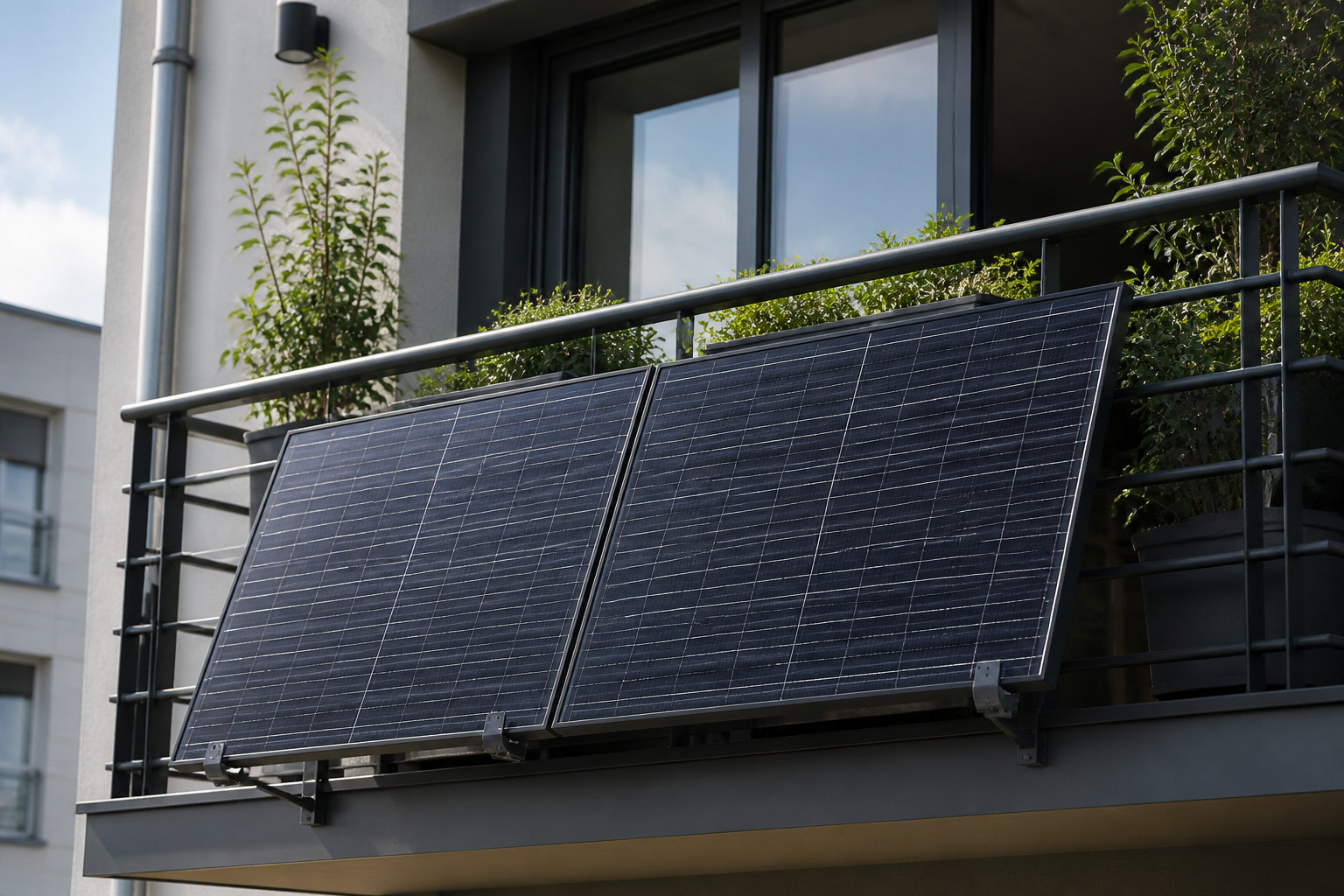
These systems are strictly non-permanent. You simply unfold the gear and set it up yourself. This is a win for urban renters who move often.
Forget about heavy drilling or structural changes. Most kits use simple hooks or weighted mounts for safety. It keeps your security deposit safe while generating power.
Moving out next year? Just unplug everything and pack it up. Taking your power plant with you is a unique advantage.
Quick Setup
Unfold the panel.
Adjust the tilt.
Secure the ballast.
Connect the cables.
Plug into an outlet.
Optimizing Placement for Balcony and Patio Yields
Finding the right tilt angle is vital. A slight adjustment can boost yield by 10%. We suggest aiming for 30 degrees for the best results.
Pro Yield Tips
Use bifacial panels for reflected light.
Avoid shadows from balcony railings.
Clean the glass every three months.
Check for any bird obstructions.
We recommend bifacial technology for tight spaces. These panels catch light from both sides, which is perfect for balconies with glass railings.
Expert Advice
Prioritize monocrystalline panels above 420Wc to maximize your limited balcony space effectively.
Safety Rules and Local Utility Codes for Home Solar
While the setup is simple, you can’t ignore the legal and technical guardrails that keep your home insurance valid.
Electrical Circuit Requirements and Safety Protocols
Most regions enforce a strict 800W limit for plug-in systems. This threshold ensures household wiring stays cool. It prevents dangerous overloading on domestic circuits.
Every kit needs an automatic shutdown feature. If the grid fails, the microinverter stops instantly. This protects utility workers from unexpected voltage.
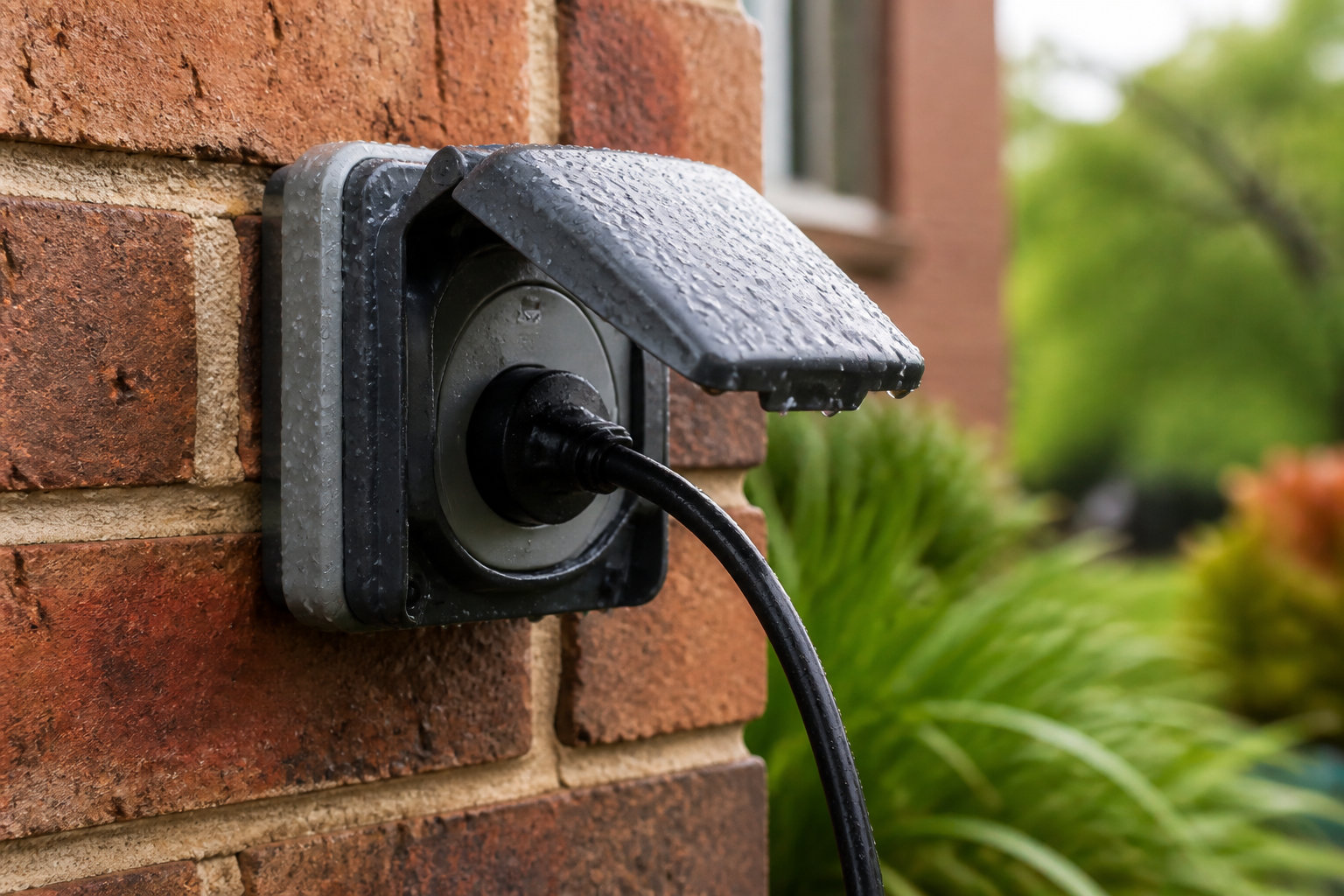
Safety requires weatherproofing every joint. Use high-quality outdoor plugs to prevent moisture issues. Proper sealing ensures reliability during heavy rain.
Checking Local Utility Codes and HOA Regulations
Check with your Homeowners Association before mounting panels. Some have rules about visual aesthetics. They might also restrict specific balcony attachments.
Complete the registration process with your utility provider. Usually, this requires a simple online notification. It is faster than a full permit.
Maintaining transparency with your landlord prevents legal headaches. Clear communication keeps your project compliant. It ensures a stress-free green energy transition.
Future Trends in Solar Legislation and Advocacy
Advocacy groups push for standardized European rules. They want the 800W limit to become universal. This simplifies the benefits of plug and play solar for home.
The decentralization of the energy grid starts with the individual, making every balcony a tiny power plant for a greener future.
We monitor these emerging trends closely. Review our editorial guidelines to see our research. Staying informed protects your long-term investment.
By slashing bills by up to 25% and offering effortless setup, these kits are the ultimate shortcut to energy independence. Start enjoying the benefits of plug and play solar for home today to lock in decades of savings. Your balcony is ready to become a personal power plant! ☀️
FAQ
How exactly do plug and play solar panels work for my home?
These innovative systems are designed for ultimate simplicity. ☀️ The process begins when the photovoltaic cells capture sunlight and create direct current (DC). An integrated microinverter then immediately converts this energy into alternating current (AC), which is the standard power used by your household appliances.
Once you plug the kit into a standard wall outlet, the electricity flows directly into your home circuit. Following the path of least resistance, this solar power is consumed first by devices currently running, such as your fridge or Wi-Fi router, effectively lowering your pull from the utility grid.
What are the main benefits of choosing a plug-and-play kit?
The biggest advantage is the immediate reduction in your electricity bills without the need for professional installers or complex paperwork. 💸 These kits are highly affordable compared to roof-mounted systems and offer a fantastic way to start your self-consumption journey with minimal upfront costs.
We also love their versatility and portability. Whether you live in an apartment with a balcony or a house with a small garden, these panels can be set up in minutes. Since they aren’t permanent fixtures, you can easily take your “mini power plant” with you if you decide to move to a new home!
How long does it take for the system to pay for itself?
Your return on investment (ROI) is surprisingly fast! ⏱️ Depending on your local sunlight levels and electricity rates, most users see their kits pay for themselves within 5 to 9 years. For smaller, highly efficient 400W kits where you consume 100% of the energy produced, the payback period can even drop to around 4 years.
To maximize your savings, we recommend focusing on self-consumption. By running energy-heavy appliances during the day when the sun is shining, you ensure every watt produced goes directly into your pocket rather than back to the grid for free.
Are there specific safety rules I should follow for installation?
Safety is our top priority! 🛡️ Most regions allow a maximum of 800W per circuit for plug-and-play setups to prevent any risk of overloading your home’s internal wiring. It is also essential to use a compliant, protected outdoor outlet and avoid using household extension cords or power strips.
Modern microinverters include an automatic shutdown feature for your protection. If there is a power outage on the main grid, the system stops injecting power instantly to keep utility workers safe. Always ensure your equipment has a high waterproof rating to handle all weather conditions safely.
Can I install these solar panels if I am a renter?
Absolutely! 🏠 Plug-and-play kits are a game-changer for renters because they require no drilling or permanent structural changes. Most balcony systems use simple hooks or weighted mounts that can be removed in seconds without leaving a trace, making them perfectly “landlord-friendly.”
While the installation is non-permanent, we always suggest a quick transparency check with your landlord or Homeowners Association (HOA). This prevents any future discussions regarding the visual aesthetics of the building while you enjoy your clean, green energy.