Modern LiFePO4 batteries now offer over 3,000 cycles and a 10-year lifespan, providing a reliable shield for your home. We have seen these systems transform from simple storage units into intelligent hubs capable of detecting grid failures instantly to keep your lights on.
The sudden silence of a blackout often brings stress and uncertainty to your family. We will show you how achieving emergency backup power with solar batteries eliminates the noise of gas generators and ensures total energy independence through smart integration. Together, let’s explore how to size your system and optimize your setup for maximum autonomy.
- Emergency Backup Power With Solar Batteries for Your Home
- LiFePO4 Technology: Why Battery Chemistry Matters for Safety
- System Architecture for Seamless Energy Transitions
- Sizing Your Battery Bank for Maximum Autonomy
- Advanced Management for Intelligent Power Distribution
- Financial Returns and Technical Integration Factors
Emergency Backup Power With Solar Batteries for Your Home
LiFePO4 batteries provide 3,000+ cycles and 10-year lifespans for home backup. These systems eliminate generator noise, automate energy transitions during blackouts, and reduce utility reliance through smart load management and federal tax credits.
The seamless automation of energy transitions during a blackout ensures that your home remains functional without you having to lift a finger.
Immediate Benefits of Blackout Protection in 2026
We are seeing a major shift toward active emergency response. Using solar batteries for emergency backup power at home allows systems to detect grid failure instantly. This ensures your power stays on.
LiFePO4 battery technology is a total game-changer for safety. It eliminates the loud noise and dangerous fuel storage of gas generators. You get silent operation with zero toxic exhaust fumes inside your home.
Families finally enjoy true peace of mind. You feel completely secure, even during the most extreme weather events.
LiFePO4 (Lithium Iron Phosphate) technology offers 10-20 year lifespans and is the industry standard for safety in 2026.
Achieving True Energy Independence From the Utility Grid
We can finally help you escape those rising electricity rates. Stored solar energy acts as a vital buffer. It protects your wallet against grid instability and sudden price hikes.
Self-sufficiency is no longer a luxury in our modern environment. We contrast fragile utility reliance with the total autonomy provided by your own localized energy storage system.
It is helpful to compare portable power stations vs fixed solar batteries for homes to find your best fit. Localized storage simply offers superior long-term reliability.
Real-World Reliability of Modern Residential Battery Banks
Modern systems deliver near-perfect uptime today. While public infrastructure is aging and frequently failing, your home setup remains a rock-solid anchor for your family.
These systems maintain your lifestyle continuity effortlessly. Appliances keep running during long-term outages without you needing to intervene manually at all.
Reliability in 2026 isn’t just about having power; it’s about the seamless transition that keeps your digital life and essential appliances running without a single flicker.
LiFePO4 Technology: Why Battery Chemistry Matters for Safety
While the benefits of independence are clear, the underlying chemistry of the battery determines how safely that power is stored in your home.
Superior Safety Profile of Lithium Iron Phosphate
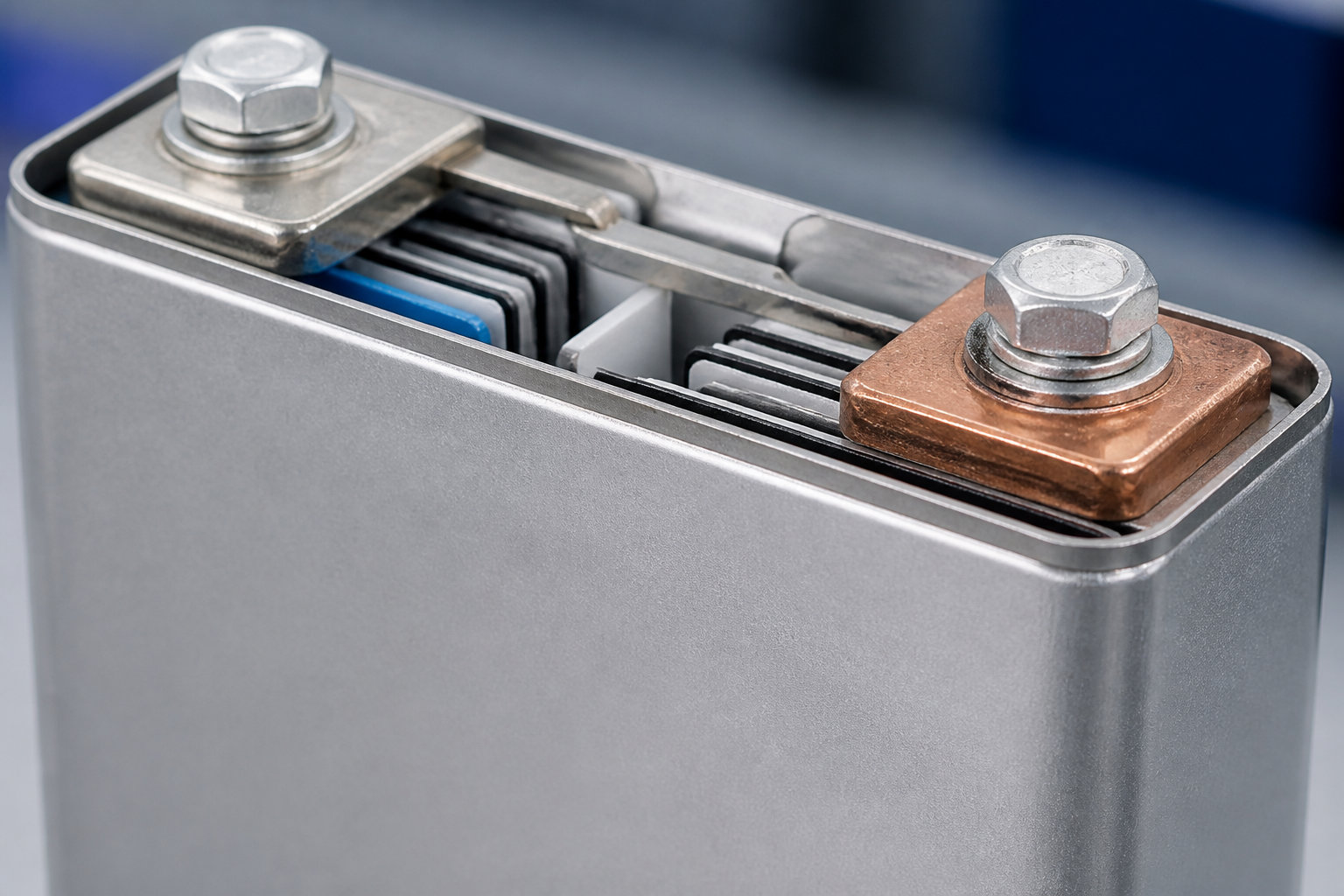
LiFePO4 stability far surpasses standard lithium-ion or lead-acid alternatives. The iron-phosphate bond is structurally superior. It remains physically stable during intense charge cycles.
This chemistry offers high resistance to thermal runaway. It significantly reduces fire hazards in residential environments. Cobalt-based batteries simply cannot match this inherent safety.
Choosing non-toxic materials is better for your home. You should compare lithium vs lead acid for solar storage carefully. These units avoid polluting rare metals.
LiFePO4 cells are incombustible and handle extreme temperatures without risking explosion, even during a short-circuit.
Lifespan and Cycle Life Expectations for Modern Units
Cycle life defines the long-term value of your investment. One cycle equals one full charge and discharge. This metric determines how many years your system lasts.
LFP durability typically exceeds 10 years, unlike shorter-lived lead-acid options. These modern units often reach 3,000 to 6,000 cycles before losing significant capacity. It is a massive leap forward.
Daily deep cycling is no longer a major threat to cell health. LFP handles deep discharges much better than older, fragile technologies.
| Feature | LiFePO4 (LFP) | Lead-Acid (AGM) |
|---|---|---|
| Cycle Life | 3,000 – 8,000 | 300 – 600 |
| Lifespan | 10 – 20 Years | 4 – 5 Years |
| Discharge Depth | 80% – 100% | 30% – 50% |
The Vital Role of the Battery Management System
The BMS acts as the brain of the battery bank. It prevents overcharging and deep discharge damage. This protection ensures the hardware remains functional for decades.
It monitors cell temperature and balances voltage in real-time. This ensures all cells age at the same rate. You get maximum longevity from every single component.
Using solar batteries for emergency backup power at home requires active monitoring. A high-quality BMS handles the heavy lifting automatically through these core functions:
- Over-voltage protection
- Thermal management
- Short-circuit prevention
- Cell balancing
System Architecture for Seamless Energy Transitions
Safety and longevity are the foundation, but the way these components talk to your home determines the quality of your backup experience.
How Panels and Inverters Collaborate During a Failure
Energy flows from your solar panels directly into a charge controller. This device manages the current to safely feed your battery. It ensures storage stays topped up for emergencies.
The system detects grid failure and triggers an automatic switchover. It instantly disconnects from the utility line. This protects workers while powering your dedicated home circuits safely.
Your inverter then takes over the heavy lifting. It converts DC energy from storage into AC power. This allows you to run standard household appliances without any interruption.
Hybrid vs Off-Grid Inverter Configurations for Backup
Hybrid systems stay connected to the utility grid but provide reliable backup. Off-grid setups are entirely independent and isolated. Each serves a specific purpose for energy autonomy.
Hybrid configurations offer the best resilience for most homeowners. They allow for daily grid interaction and flexible storage use. They are perfect for maintaining stability in urban environments.
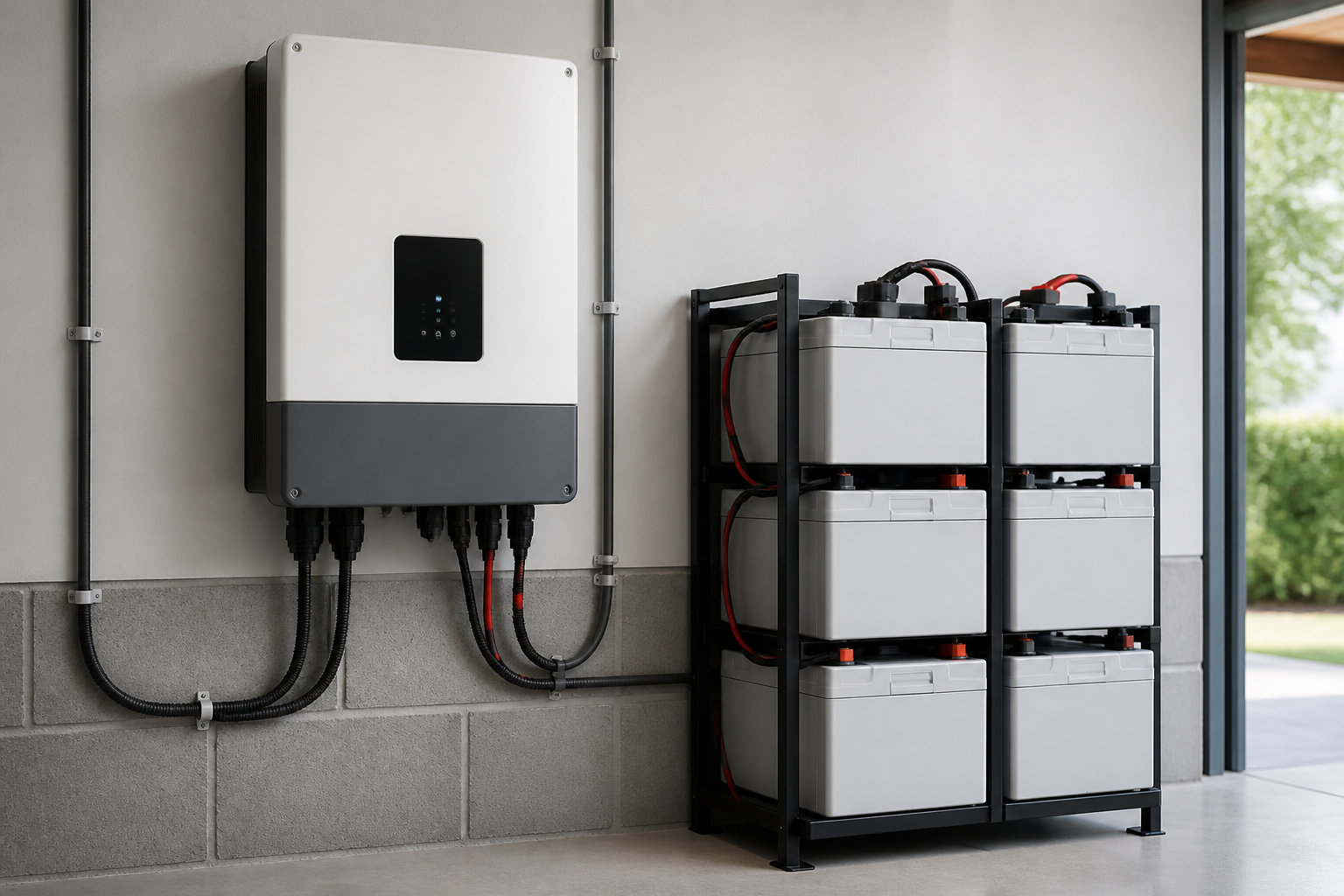
We recommend evaluating your solar panel battery choice in 2026 to ensure compatibility. This helps you find the right balance for your specific energy needs.
Handling High-Surge Appliances Like Central AC Units
Starting motors in heat pumps presents a significant technical challenge. These devices demand a massive burst of energy. This initial “inrush current” can overwhelm smaller, weaker systems.
Modern batteries manage these peak demands using high-quality inverters. These components are designed to handle temporary surges. They provide the necessary punch without tripping or shutting down.
Always verify your battery’s peak output rating before installation. Compare it against the startup requirements of your largest appliance. This step prevents unexpected failures during a real blackout.
Sizing Your Battery Bank for Maximum Autonomy
Understanding the hardware is one thing, but calculating exactly how much energy you need is what prevents a dark house mid-blackout.
Calculating Daily Kilowatt-Hour Usage for Backup Needs
First, identify your critical loads. Separate essential items like refrigerators from luxury items like hot tubs. This focus ensures you keep the lights on without wasting power.
Next, check your utility bills. Look for your average daily kWh consumption to set a baseline for storage. This number represents the energy your home breathes every single day.
Finally, use these figures to calculate solar power needs for your specific setup. Accurate math is the only way to guarantee your family stays comfortable during a grid failure.
- 5 kWh: 3-4 hours of backup (ideal for 2 people).
- 10 kWh: 4-5 hours of backup (standard family use).
- 15 kWh: 5-6 hours of backup (4 people + heat pump).
Understanding Depth of Discharge and Usable Capacity
The Depth of Discharge (DoD) is a vital metric for any homeowner. It determines how much of the battery’s total capacity you can safely use. Ignoring this leads to premature system failure.
We see a massive difference between technologies. Lithium batteries offer a high DoD, often 90-100%, compared to the 50% limitation of lead-acid. This makes lithium much more efficient for the same rated size.
This affects your real-world power. A 10kWh battery with 90% DoD provides 9kWh of real energy. Using solar batteries for emergency backup power at home requires knowing these actual limits.
Scalability and Modular Design for Growing Energy Needs
Starting small is often the smartest move. You can add modules later as your budget or energy needs increase. It allows you to test your setup without a massive upfront cost.
Stackable designs simplify this expansion significantly. Modern modular energy ecosystems allow for easy “plug-and-play” capacity upgrades. You simply add a unit to the existing stack when you need more runtime.
“Modular design ensures your investment remains relevant, allowing your energy storage to grow alongside your family’s needs without replacing the entire system.”
Advanced Management for Intelligent Power Distribution
Once you have the right capacity, the next step is managing that energy intelligently to stretch every watt during a crisis.
Circuit Prioritization and Smart Load Control Strategies
We must isolate essential circuits first. You should prioritize refrigeration, medical gear, and basic lighting. Non-essential loads just drain your reserves too fast.
Using smart sub-panels helps automate energy shedding. These systems automatically cut power to heavy appliances when the battery is low. It keeps your critical devices running longer without manual intervention.
Manage non-essential loads carefully. Doing this can double your autonomy during an extended outage. It is about being smart with what you have left.
Leveraging Time-of-Use Strategies to Lower Costs
Grid charging offers a massive economic benefit. You should charge from the utility during off-peak hours. This is when electricity rates are at their absolute lowest.
Discharging stored energy during peak hours is a brilliant move. This avoids high utility rates entirely. It maximizes the financial synergy of your solar production and storage system.
| Strategy | Mechanism | Primary Benefit |
|---|---|---|
| TOU Optimization | Charges during cheap off-peak hours. | Lower electricity bills. |
| Peak Shaving | Discharges during high-rate periods. | Avoids expensive utility spikes. |
| Backup Reserve | Maintains a set energy percentage. | Security during sudden outages. |
| Self-Consumption | Prioritizes using solar over grid. | Maximum energy independence. |
Monitoring Consumption via Integrated Mobile Applications
Real-time data is a total game-changer for homeowners. Mobile apps allow you to track production habits from anywhere. You see exactly where your energy goes every minute.
We love features like automatic weather alerts. Some systems automatically increase backup reserves when a storm is detected. This ensures you are prepared before the first flicker occurs.
Remote diagnostics help prevent frustrating system downtime. Installers can often fix software issues without a physical site visit. It saves time and keeps your home powered up safely.
Financial Returns and Technical Integration Factors
Managing your energy is the daily reality, but the final hurdles involve the physical installation and the long-term financial picture.
Starting at 459€, these DIY stations offer quick setup but limited 1-10kWh capacity for small needs.
Costing 3,300€ to 5,000€ for 15kWh, these require pros but offer robust EPS backup modes.
Professional Installation vs Plug-and-Play Solutions
Portable power stations offer immediate simplicity for small gadgets. However, they lack the sustained muscle required for heavy household appliances. Whole-home systems provide far superior energy security for families.
Integrating using solar batteries for emergency backup power at home requires certified electricians. This process involves complex wiring into your main electrical panel. Professionals ensure all necessary permits are secured correctly.
Safety remains our top priority here. Improper high-voltage wiring creates severe fire hazards. Expert installation prevents catastrophic equipment failure during outages.
Assessing Long-Term ROI and Federal Tax Incentives
We see initial costs offset by significant utility savings over time. A decade of reduced monthly bills typically recovers your hardware investment. It is a marathon, not a sprint, for your wallet.
Modern federal tax credits drastically change the financial math. These incentives can lower the total purchase price for qualified systems by 30%. You should always verify local eligibility before buying.
Property values also see a measurable lift. Homes with integrated energy storage are increasingly attractive to buyers. It is a premium feature for the modern market.
Climate Considerations and Cold-Weather Performance
Freezing temperatures directly impact how your system behaves. Lithium chemistry struggles to accept a charge when internal temperatures drop too low. Efficiency typically dips during the harshest winter months.
Many premium units now feature internal self-heating technology. These heaters maintain optimal internal temperatures in cold garages. This ensures your backup power stays ready regardless of the frost.
Always select hardware rated for your specific local environment. Rugged, insulated enclosures are vital for outdoor battery setups.
Integrating EV Chargers With Home Storage Systems
There is a beautiful synergy between solar panels and electric vehicle charging. You can use stored sunshine to power your daily commute for free. It turns your home into a private gas station.
Home batteries act as a vital buffer for your grid connection. They prevent high-speed EV chargers from straining your home’s electrical capacity. This protects your breakers from tripping during peak loads.
We are moving toward a fully electrified ecosystem. This transition represents the ultimate goal of sustainable home energy. It is about total autonomy and efficiency.
We have explored how LiFePO4 technology, automated energy transitions, and smart sizing ensure your home remains powered during grid failures. By integrating emergency backup power with solar batteries, you gain immediate autonomy and long-term financial savings. Secure your family’s comfort today to enjoy a resilient, energy-independent future. Be the master of your own power grid.
FAQ
How exactly do solar batteries function for emergency home backup?
Think of your solar battery as a personal energy reservoir. During the day, your solar panels capture sunlight and convert it into electricity; any power you don’t use immediately is stored safely in the battery instead of being sent back to the grid. We design these systems to act as a silent guardian for your home.
When a blackout occurs, the system detects the failure instantly. The stored energy is then converted by an inverter into usable AC power, keeping your essential appliances running without a single flicker. It’s a seamless transition that ensures your family stays safe and comfortable while the neighborhood goes dark.
Which battery technology is safest for residential backup power?
When it comes to your family’s safety, LiFePO4 (Lithium Iron Phosphate) technology is the gold standard. Unlike older lithium-ion chemistries, LiFePO4 features a stable crystalline structure that is incredibly resistant to thermal runaway. This means the batteries are non-combustible and won’t release oxygen even under extreme stress.
Beyond safety, these batteries are built to last. You can expect a lifespan of 10 to 20 years, often reaching over 3,000 to 6,000 cycles. Brands like Anker Solix and Zendure utilize this chemistry to provide a reliable, non-toxic energy solution that outperforms traditional lead-acid alternatives in every category.
How do I calculate the right battery capacity for my home’s needs?
To find your perfect fit, you should start by identifying your “critical loads”, the essential items like your fridge, lights, and medical devices. Check your utility bill for your average daily kWh consumption. For example, a 5 kWh battery might cover a couple for a night, while a large home with a heat pump might require 15 kWh or more.
We also need to consider the Depth of Discharge (DoD). While old lead-acid batteries can only use 50% of their capacity, modern lithium batteries allow you to use up to 90-100% of the stored energy. This means you get much more real-world power out of a smaller, more efficient unit.
What is the difference between hybrid and off-grid inverters?
Choosing the right inverter is about deciding how much independence you want. A hybrid inverter is the most flexible choice for most homeowners; it stays connected to the utility grid for daily savings but automatically switches to battery power during an emergency. It’s the best of both worlds for urban and suburban environments.
An off-grid inverter, however, is designed for total autonomy. These systems are completely disconnected from the public utility and rely solely on solar and battery storage. While they offer 100% energy freedom, they require very careful planning to ensure you have enough capacity to last through several cloudy days.
Can I install a solar backup system myself or do I need a pro?
The answer depends on the complexity of the system you choose. If you opt for a “plug and play” portable station, you can simply unbox it and start charging. These are fantastic for basic needs and immediate portability, but they often lack the “oomph” required to power heavy-duty household circuits.
For a true whole-home backup that integrates with your electrical panel, we strongly recommend hiring a certified electrician. Professional installation ensures that your high-voltage wiring is safe, meets local building codes, and includes the necessary permits to protect your home’s long-term value and safety.
Are there financial incentives to help offset the cost of solar batteries?
Absolutely! Investing in energy independence is smarter than ever thanks to federal tax credits. These incentives can significantly slash the upfront purchase price of your system. When you combine these credits with the daily savings on your utility bills, most systems pay for themselves within 7 to 12 years.
Furthermore, adding a modern battery bank often increases your property value. In today’s market, buyers are increasingly looking for “resilient homes” that can withstand climate events and rising energy costs. It’s not just a purchase; it’s a long-term upgrade to your financial and physical security.