Key takeaway: Switching to solar kits eliminates the 60-70dB roar of gas generators, saving owners roughly $2,500 annually in fuel. This silent, carbon-free power creates a premium customer atmosphere while boosting profit margins. Using LiFePO4 batteries ensures a 10-year lifespan, providing a reliable, maintenance-free investment that pays for itself through thousands of cycles.
Switching to solar energy can save food truck owners approximately $2,500 annually in fuel costs while eliminating the constant 70dB roar of gas generators. This shift to silent, carbon-free power is rapidly becoming the standard for mobile businesses aiming to maximize their daily margins.
Relying on noisy engines often drives customers away and eats into your profits through rising fuel prices. We have analyzed the best solar panel kits for food trucks to help you achieve total energy independence and create a premium, quiet atmosphere that keeps your lines long and your overhead low.
Why Best Solar Panel Kits for Food Trucks Beat Generators
Solar kits eliminate the 60-70dB roar of gas generators, saving owners roughly $2,500 annually in fuel. Using LiFePO4 batteries ensures 10-year longevity, providing silent, carbon-free power that improves both customer atmosphere and profit margins.
The mention of silent power leads directly into how this silence transforms the actual customer experience at the service window.
0 dB
Solar Noise
$2,500
Yearly Savings
Eliminating Noise Pollution for Customers
Your truck’s vibe matters. Customers shouldn’t shout to order. Silent solar panels create a welcoming, high-end atmosphere that gas engines destroy.
Contrast 0dB solar output with generator vibrations. This allows for better music. It makes your truck event-friendly.
Peace sells more. It is that simple.
Reducing Recurring Fuel and Maintenance Expenses
Gas costs eat margins. Solar energy is free after setup. You stop paying for fuel every morning.
Maintenance is a non-issue. No oil changes are needed. Solar panels have no moving parts.
While the benefits are clear, choosing the right hardware depends on your specific kitchen footprint and daily energy draw.
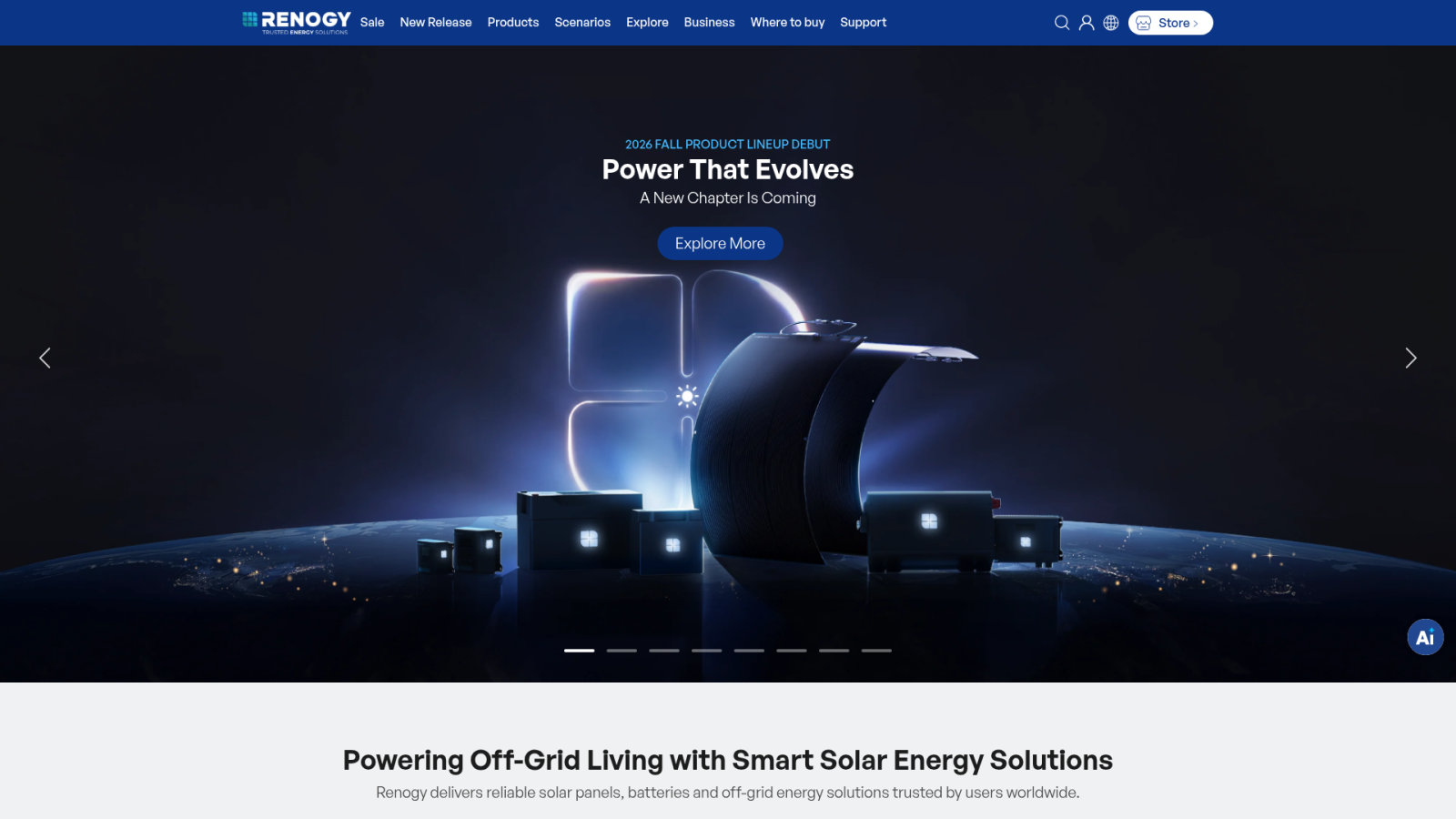
Renogy 800W Premium Kit for High-Draw Setups
This kit handles heavy refrigeration well. Monocrystalline panels maximize energy in tight roof spaces. It is a workhorse for serious mobile kitchens.
The Rover MPPT controller is the brain here. It tracks power efficiently even when light changes. Reliability is the main selling point for this setup.
The Renogy 800W system is the gold standard for trucks running multiple commercial fridges and POS systems simultaneously.
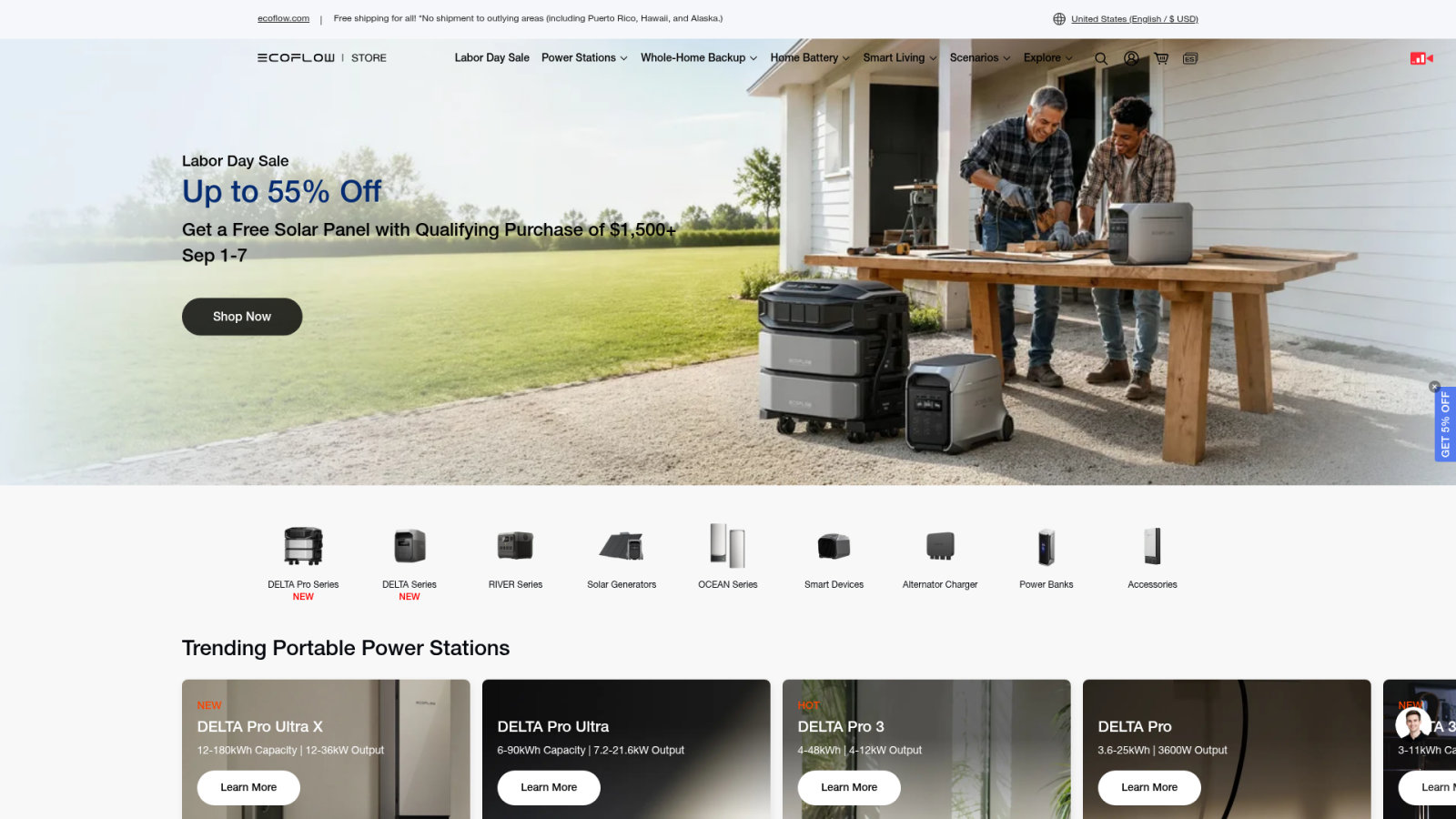
EcoFlow Power Kits for Modular Energy Storage
EcoFlow offers a plug-and-play experience. The all-in-one power hub saves massive amounts of space. You don’t need to be an electrician to set this up. It is fast and clean.
Modular batteries allow for easy expansion. Start small and add more capacity as your business grows.
Kit Name
Best For
Power Output
Key Advantage
Renogy 800W
High-draw fridges
800W Solar / 3000W AC
Reliable workhorse
EcoFlow Modular
Small spaces
Up to 4800W Solar
Plug-and-play hub
Rich Solar 400W
Budget trailers
400W Solar
Extreme durability
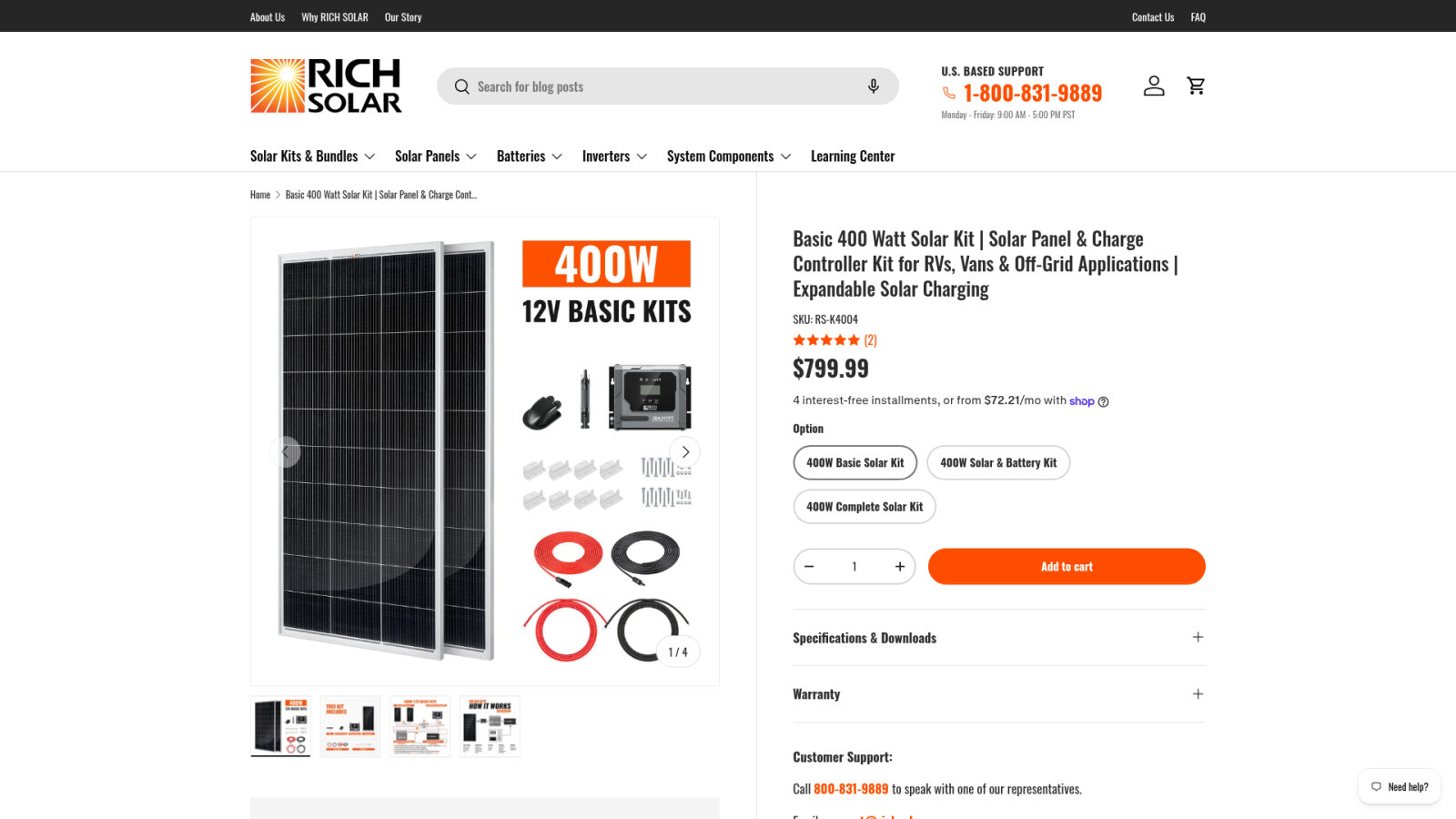
Rich Solar 400W Kit for Smaller Trailers
Perfect for coffee carts or small trailers. It provides enough juice for lighting and basic electronics. The price point is very accessible for beginners.
Mounting hardware is built for vibrations. These panels won’t fly off on the highway. Durability meets affordability in this specific 400W package.
Buying a kit is only half the battle; you must first map out your power consumption to avoid mid-service blackouts.
Summing Up Appliance Wattage Usage
List every single appliance you use. Check the labels for wattage ratings. Multiply that by the hours of operation each day.
Always add a twenty percent safety margin. Unexpected heat makes fridges work harder. You never want to run at 100% capacity.
Expert Buffer
Always add a 20% safety margin to your total wattage calculations to account for peak loads and high-ambient temperatures that make refrigeration work harder.
Fridge: 150W
POS: 50W
Lights: 100W
Water Pump: 50W
Sizing the LiFePO4 Battery Bank Correctly
Forget lead-acid batteries for food trucks. LiFePO4 is lighter and lasts five times longer. It handles deep discharges without taking damage. Safety is also much higher for indoor installs.
Match your amp-hours to your daily kilowatt-hour needs. Ensure you have enough storage for at least one full day.
Lithium is an investment in reliability that pays for itself through thousands of cycles.
LiFePO4 Benefits
5000+ cycles lifespan
90% discharge depth
Ultra-lightweight build
The Trade-off
Higher initial cost
Needs BMS protection
Installation Tips for Mobile Solar Efficiency
Once the math is done, the physical setup determines how much of that sun actually turns into usable electricity.
Rigid vs Flexible Panel Mounting Strategies
Rigid panels offer the best airflow. This keeps them cool and efficient. They are heavy but extremely durable against hail or debris.
Flexible panels are great for curved roofs. They are lightweight and very aerodynamic. However, they can lose efficiency if they overheat against the metal skin. Choose based on your roof shape.
Switching to the best solar panel kits for food trucks eliminates noise and fuel costs while securing your energy independence. By matching LiFePO4 batteries to your daily wattage, you ensure silent, reliable service. Invest in solar today to boost your margins and future-proof your mobile kitchen.
FAQ
How do I calculate the solar power needs for my food truck?
Determining your energy footprint is the first crucial step toward independence. Start by listing every appliance, from your commercial fridge (600W-1200W) to your POS system (50W). Multiply the wattage of each device by the number of hours it runs daily to find your total Watt-hours (Wh). For instance, a 1000W fridge running for 12 hours consumes 12,000Wh.
Always include a 20% to 30% safety margin in your final tally. This buffer handles unexpected power spikes when compressors kick in and prevents you from draining your batteries to zero. If your daily math says 4,500W, aim for a system that provides at least 5,500Wh of storage to ensure total reliability during service.
What are the best options for powering a food truck off-grid?
You have several powerful paths to choose from. Solar panel kits paired with lithium batteries are the gold standard for a silent, eco-friendly “green” brand image. They eliminate fuel costs and noise, though they require a higher initial investment. If you need massive, instant power for intensive cooking, a gas generator is a reliable backup, though it brings noise and recurring fuel expenses.
For many owners, a hybrid solution is the ultimate win. Use solar panels and LiFePO4 batteries for 90% of your daily needs to enjoy a peaceful atmosphere, but keep a small generator or a shore-power plug-in option for emergencies or dark winter days. This balance ensures your business never goes dark, no matter the weather.
How do I size a solar battery bank and panels correctly?
Sizing is all about matching your storage to your daily burn. Your battery capacity should ideally cover your full daily consumption plus your safety margin. While lead-acid is an option, LiFePO4 (Lithium) batteries are highly recommended because they are lighter, last five times longer, and handle deep discharges without damage. If you need 5,000Wh daily, a 5kWh to 10kWh lithium bank offers maximum peace of mind.
For the panels, aim for a total wattage (Wc) that can refill your batteries during daylight hours. A solid rule of thumb is to install panel capacity equal to roughly 1/3 of your battery Wh. For a 5kWh battery system, installing between 1,250W and 1,700W of panels ensures you can recharge efficiently even when the sun isn’t at its peak.
What is the typical cost for a professional food truck solar setup?
The investment varies based on your specific power goals. Basic configurations for small trailers can start under $2,000, while high-performance systems for full-sized trucks can exceed $7,500. For example, a robust 5000W kit with 10kWh of storage typically sits around $3,600, while massive 12,000W setups with 20kWh of storage can reach over $7,400.
While the upfront cost is higher than a cheap generator, solar pays for itself through zero fuel costs and minimal maintenance. Premium kits, like those featuring Victron Energy components or Deye inverters, offer long-term durability that protects your profit margins for years to come.