With UK energy costs fluctuating, the market for plug and play solar solutions has expanded rapidly, offering returns on investment in as little as two years. But which specific setups actually provide enough reliable power to sustain a professional remote work routine throughout the gloomy British winter?
Most remote workers struggle with systems that die mid-afternoon or risk damaging sensitive laptops with low-quality inverters. We have analyzed the best solar panel kits for garden offices to help you identify the ideal balance between wattage, battery chemistry, and installation ease for your workspace.
- Choose the Right Solar Panel Kits for Garden Offices
- 3 Steps to Calculate Your Daily Energy Needs
- EcoFlow 400W: The Portable Power Solution
- Beem Energy 300W: A Modular Entry Point
- Sunology 405W: High Efficiency Plug and Play
- JA Solar 1500W: Heavy Duty Office Power
- MK-SUN 2280W: Maximum Output for Professionals
- How to Install Your Off-Grid System Safely?
Choose the Right Solar Panel Kits for Garden Offices
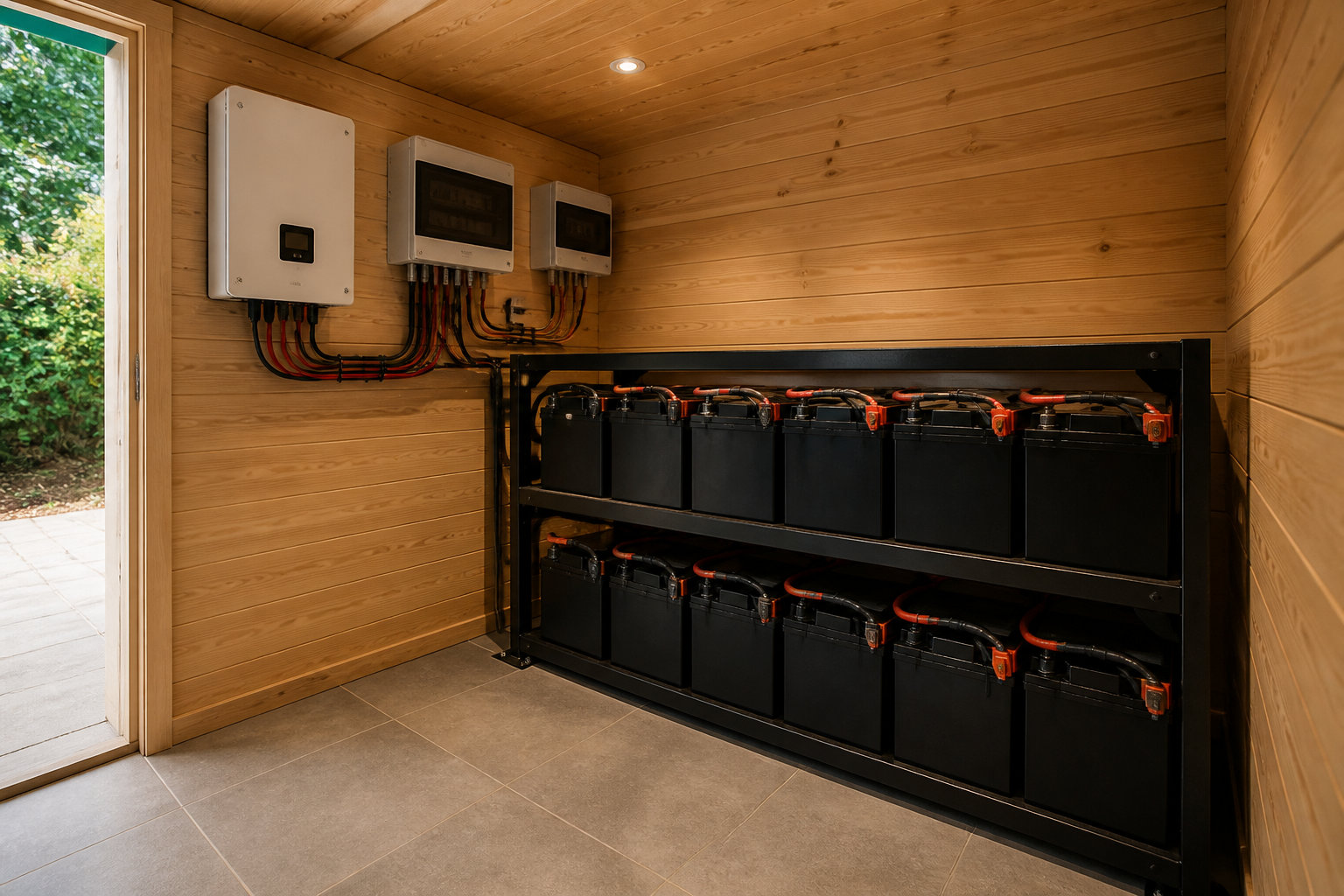
Garden offices require 200W to 1500W kits depending on hardware. Essential components include LiFePO4 batteries for cold resistance, pure sine wave inverters for laptops, and MPPT controllers to maximize UK winter sun exposure.
Selecting professional-grade equipment ensures a stable power supply for remote work throughout the year.
Identify Core Components of Off-Grid Solar Kits
Monocrystalline panels and MPPT controllers optimize energy capture. Pure sine wave inverters are mandatory to protect sensitive office electronics. These prevent technical damage caused by low-quality modified wave alternatives.
MPPT: A converter optimizing the match between solar arrays and batteries. Pure Sine Wave: High-quality output identical to grid power.
Portable units offer speed. However, permanent plug and play solar panels provide better scalability for high-power desktop rigs.
Assess Seasonal Sun Hours in the UK Climate
UK sun hours drop from five in summer to one in winter. This dictates the total panel surface area needed. Larger arrays are required to sustain productivity during gloomy months.
In the UK, a 1kW solar array might produce 4kWh per day in July, but barely 0.5kWh during a gloomy December afternoon.
Roof panels usually fall under permitted development. Ground mounts have stricter height limits. Always verify local conservation rules before starting your installation.
3 Steps to Calculate Your Daily Energy Needs
Before buying any hardware, you must crunch the numbers to avoid a dark office mid-afternoon.
Perform a Device-by-Device Power Audit
Create a usage log. List every device from the 60W laptop charger to the 15W Wi-Fi router. Multiply watts by hours used daily.
| Device | Watts | Hours | Daily Wh |
|---|---|---|---|
| Laptop | 60W | 8 | 480 Wh |
| Monitor | 30W | 8 | 240 Wh |
| Router | 15W | 10 | 150 Wh |
| Phone | 10W | 2 | 20 Wh |
| Lamp | 10W | 5 | 50 Wh |
Calculate the total Wh demand. Add a 20% safety margin for inverter losses. This final number determines your battery capacity requirements.
Select the Best Battery Chemistry for Cold Weather
Compare LiFePO4 and AGM. Lithium allows 90% discharge and lasts 10 years. Read about lithium vs lead-acid solar storage to decide.
Lithium must not charge below 0°C to avoid damage. Use internal heaters or insulated boxes in cold garden offices.
Manage freezing temperatures effectively. Place batteries indoors. A heated garden room extends the system’s overall lifespan significantly by protecting the cells.
EcoFlow 400W: The Portable Power Solution
If you prefer a simpler setup, all-in-one stations offer a rapid way to get online.
The EcoFlow 400W kit is a standout choice for the best solar panel kits for garden offices and remote work. It features high-efficiency foldable panels and a fast-charging portable station. This is perfect for light laptop work. ⚡
Portable kits like the EcoFlow are ideal for renters because they require no permanent structural changes and can be moved easily if the office location changes.
We love the total ease of use here. You just point the panels at the sun and plug in your gear. It lacks the complexity of wiring. But, it offers limited expansion for future upgrades. ☀️
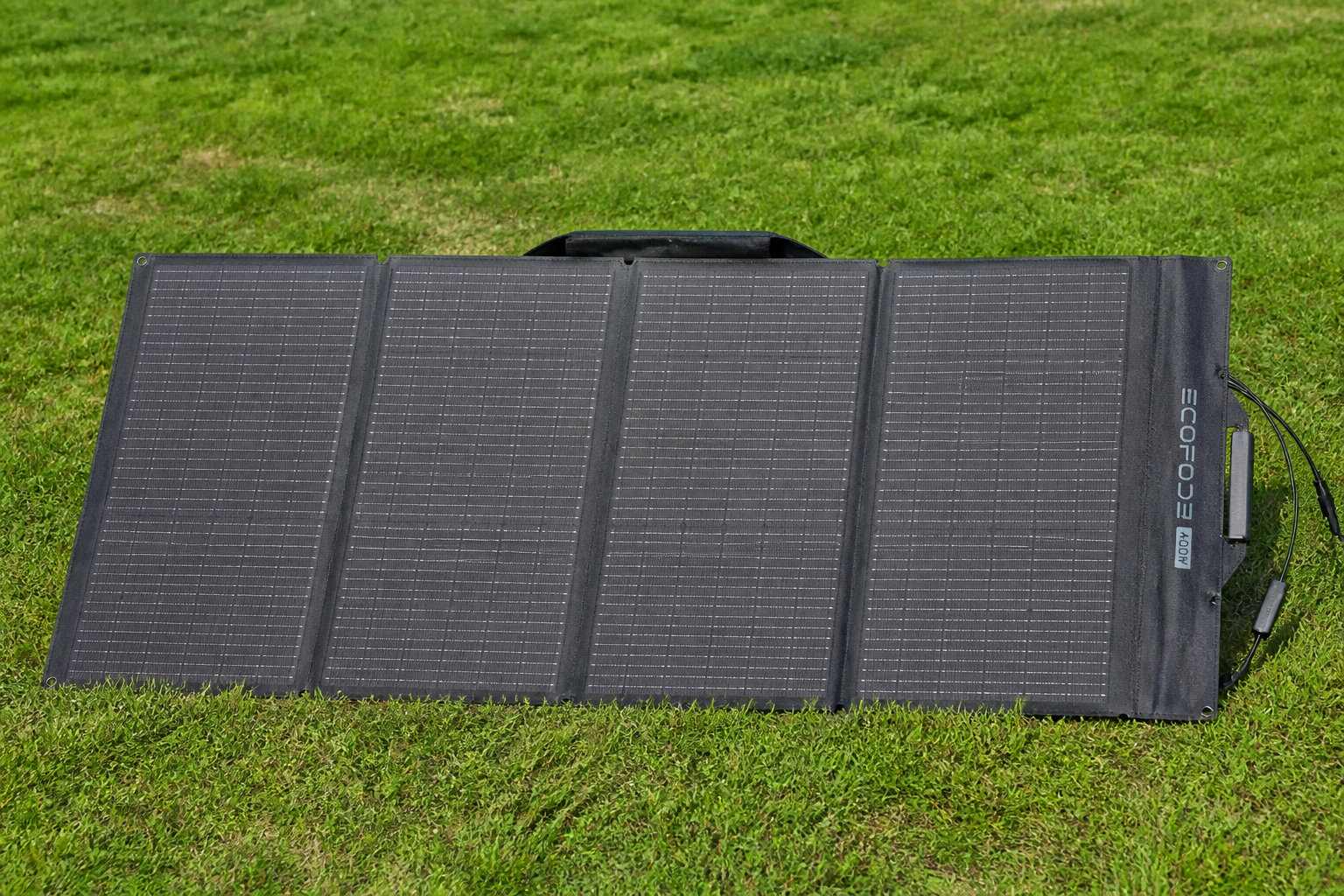
Consider the price point carefully. While expensive, the integrated software provides excellent real-time energy monitoring via a smartphone app. It helps you understand the benefits of plug and play solar for your daily workflow. 📱
Beem Energy 300W: A Modular Entry Point
For those starting small, modularity is the smartest way to scale your garden power.
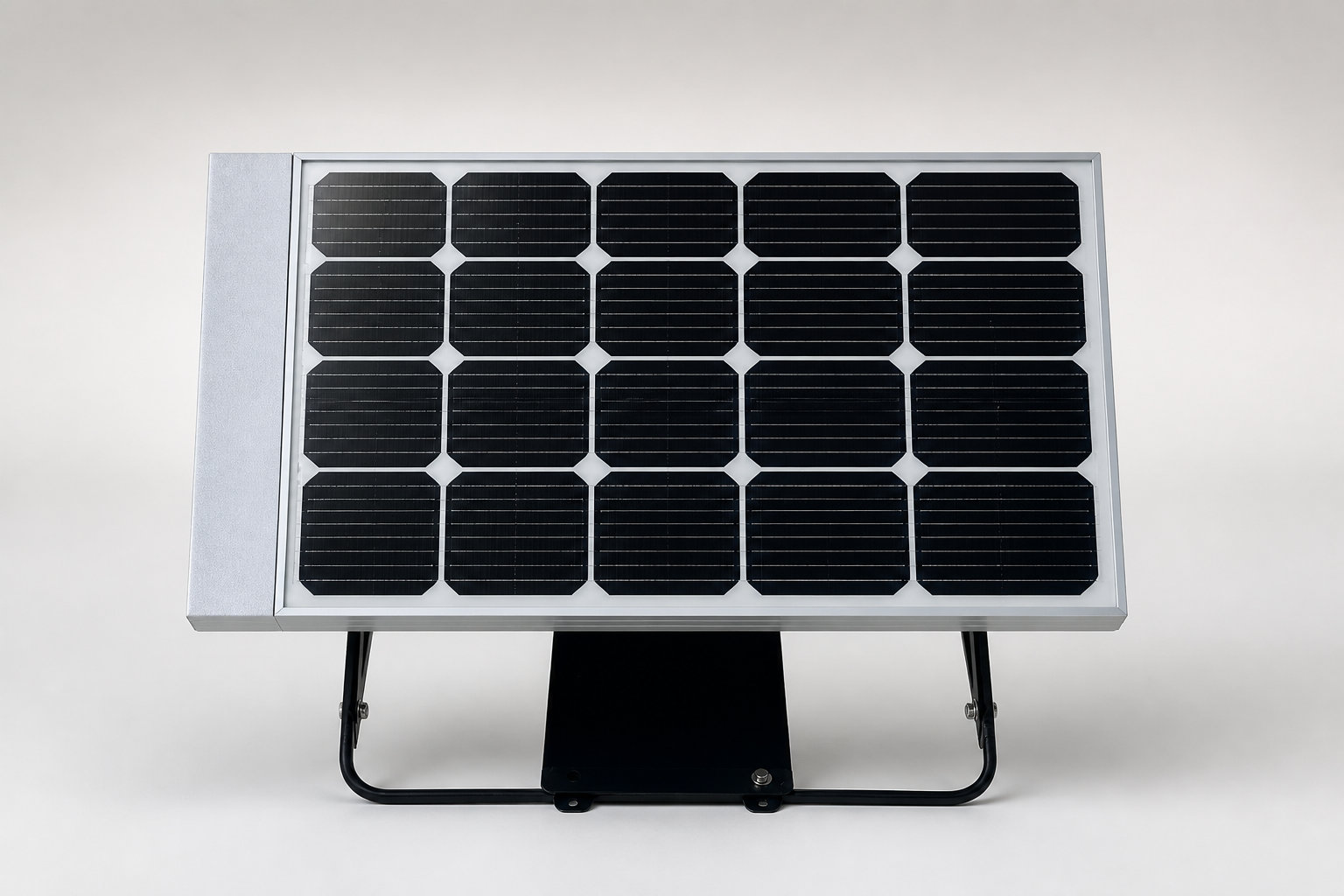
The Beem Energy 300W system is a clever solution for compact spaces. It features stylish, square panels that mount effortlessly onto shed walls or fences. This modular design means you can easily add more units as your energy needs grow.
We love the aesthetic appeal of these panels. They look far less industrial than standard solar hardware, blending into your garden decor. You simply plug them into a standard socket to start shrinking your electricity bills immediately. 🔌
But let’s be realistic about the limitations. A 300W setup won’t power a space heater or heavy machinery. It is strictly designed for basic office tools like monitors, laptops, and charging stations. 💻
Sunology 405W: High Efficiency Plug and Play
Efficiency becomes vital when roof space on a garden office is limited. The Sunology 405W leverages advanced bifacial technology to capture light on both sides. This dual-surface approach significantly boosts energy output. It is particularly effective for ground mounts where light reflects off the surrounding grass.
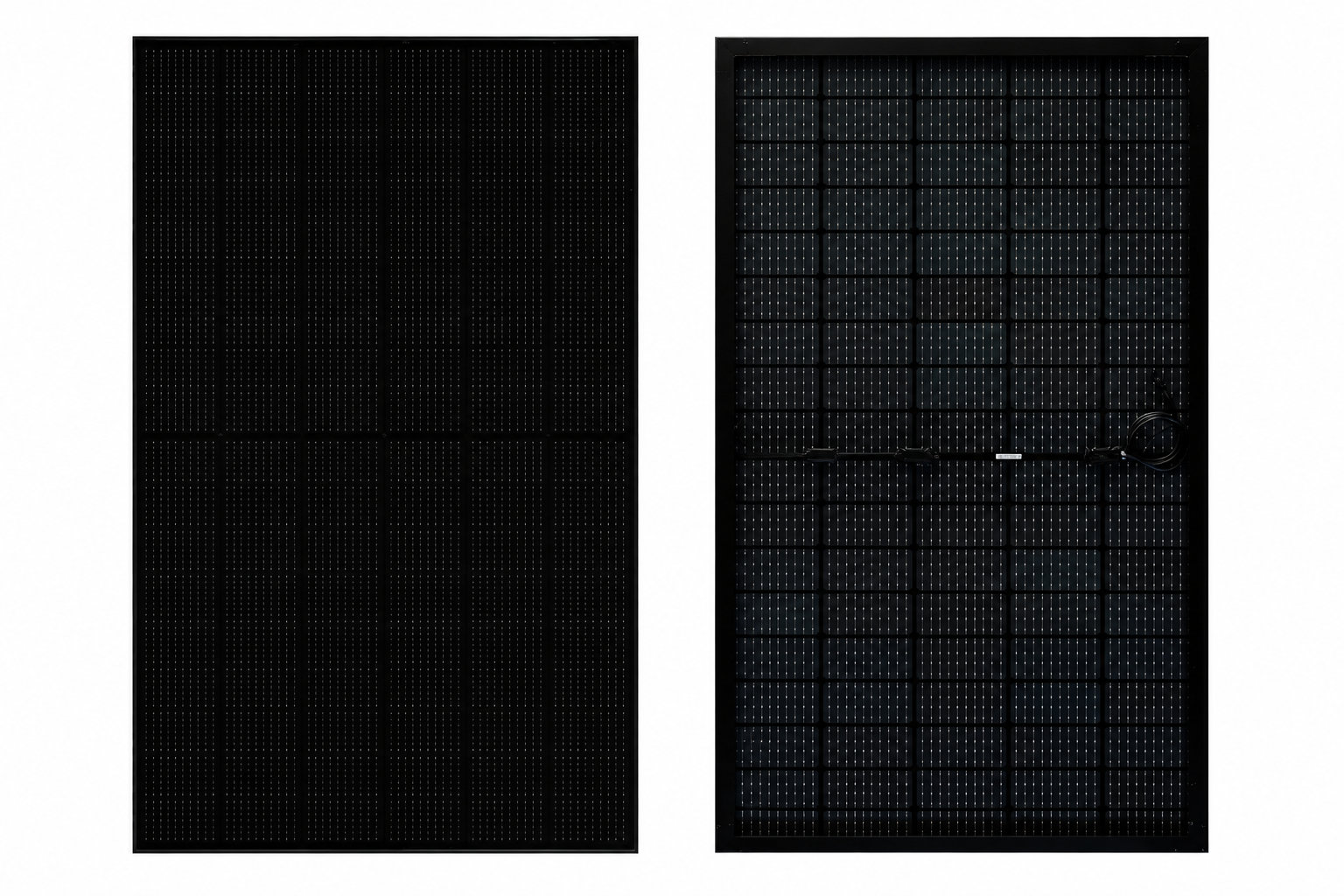
The build quality is truly impressive. Its robust frame features 75% recycled black anodized aluminum, ensuring durability. The unit comes with a built-in Hoymiles micro-inverter for direct AC output. This integration makes the solar panel plug and play experience seamless and fast.
Performance remains consistent even during grey days. It regularly outperforms standard 400W panels in overcast conditions typical of northern climates. You get reliable power for your remote work setup without the technical headache.
JA Solar 1500W: Heavy Duty Office Power
Heavy users need more than just a single panel to maintain productivity.
The JA Solar 1500W kit is a robust solution for demanding workspaces. This system utilizes three high-wattage monocrystalline panels designed for permanent roof installation. It provides ample energy to reliably power dual-monitor setups and professional equipment throughout the day. ⚡
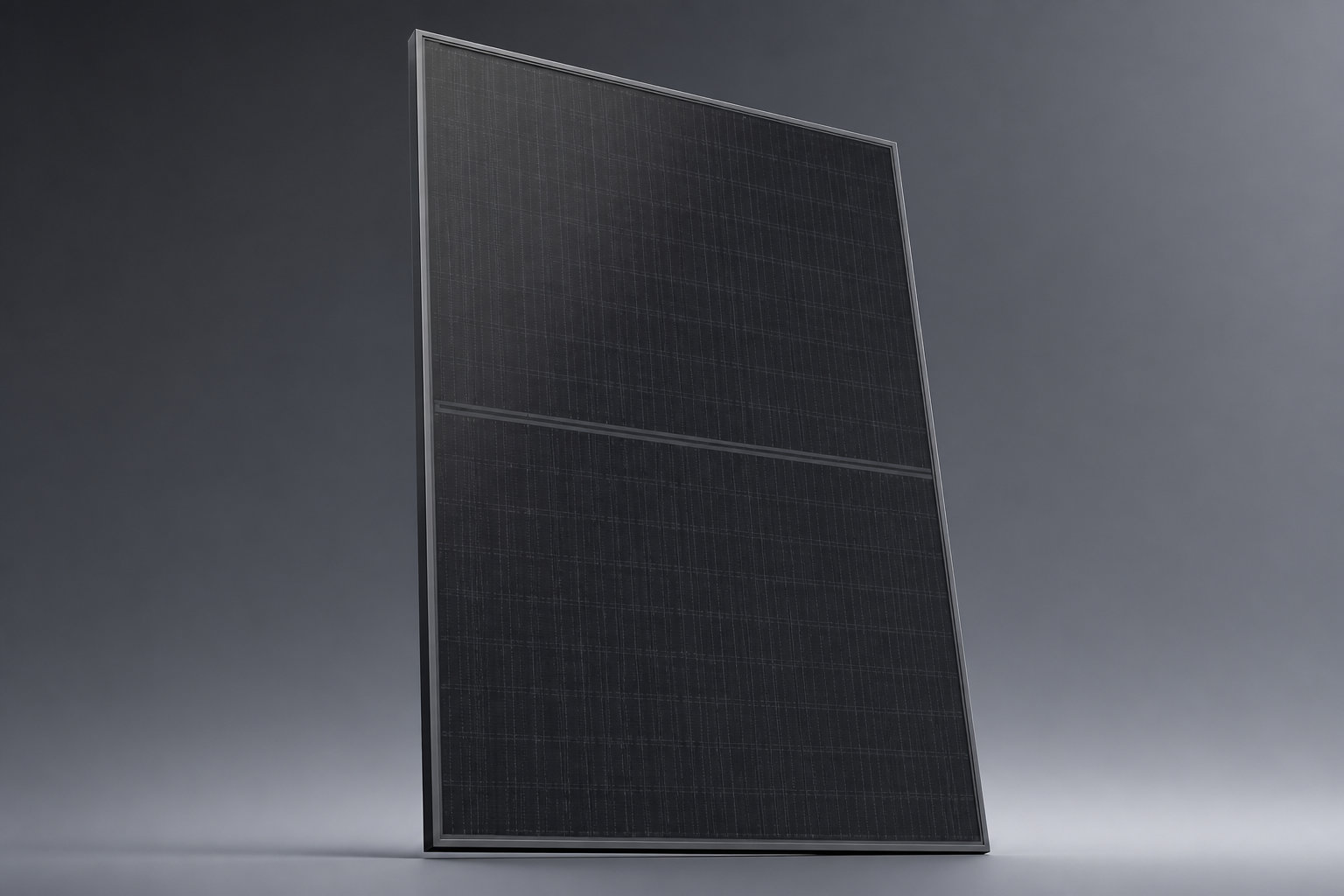
To keep your office running smoothly, you will need a substantial battery bank. A 1500W array typically requires at least 5kWh of storage to be effective. This capacity helps protect your workflow by ensuring consistent power even during three consecutive cloudy days. 🔋
While the setup is accessible, professional oversight is a smart move for long-term safety. You can certainly handle the mounting, but a qualified electrician should verify the final AC connections. This step guarantees your Best solar panel kits for garden offices and remote work meet all necessary safety standards. 🛠️
MK-SUN 2280W: Maximum Output for Professionals
If your garden office is a full-time studio, you need maximum capacity.
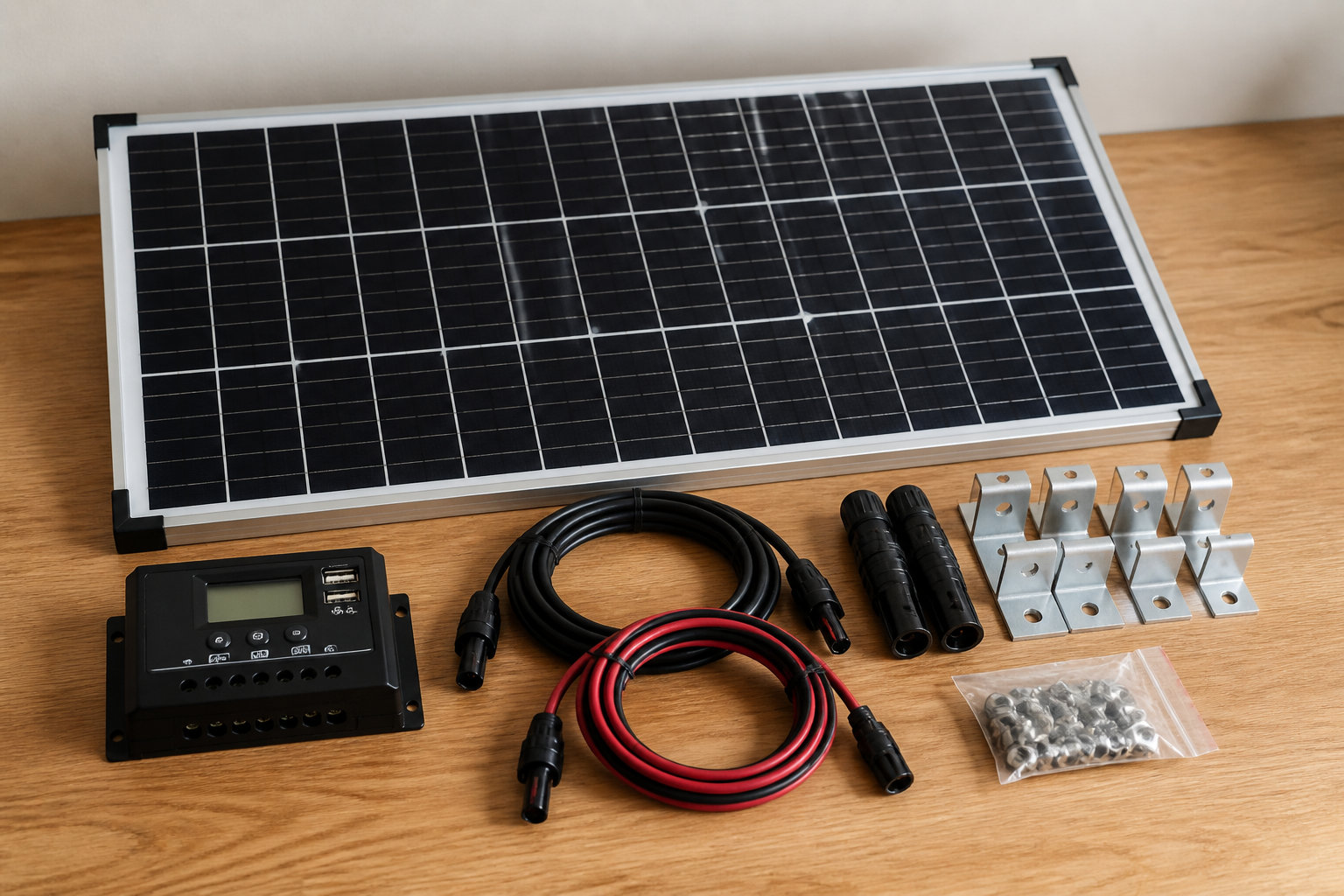
The MK-SUN 2280W professional kit is specifically designed for high-demand environments. This robust system features four 570W TOPCon bifacial panels. It can even handle small energy-efficient space heaters during winter workdays.
Industrial-grade components define this setup. It utilizes a powerful Tsun MS2000 micro-inverter to manage the high-voltage strings. This configuration is vital because it reduces energy loss over long cable runs from the garden to your main house.
While it is the most expensive option, the investment is sound. It offers total energy independence for serious remote workers.
How to Install Your Off-Grid System Safely?
Generating your own power is rewarding, but safety must be your absolute priority.
Implement RCD Protection and Grounding Protocols
Install a consumer unit with RCD protection. This prevents electric shocks if a fault occurs. Use appropriate fuses between the battery and the inverter.
Ground the system correctly. Drive a copper earth rod into the soil near the office. Connect it to the inverter’s chassis ground.
For detailed compliance, check out these DIY solar shed installation safety standards to protect your setup.
Optimize Cabling and Mounting for Garden Rooms
Use thick solar cables to minimize voltage drop. Keep the distance between panels and batteries as short as possible. Secure all wiring in UV-resistant conduits.
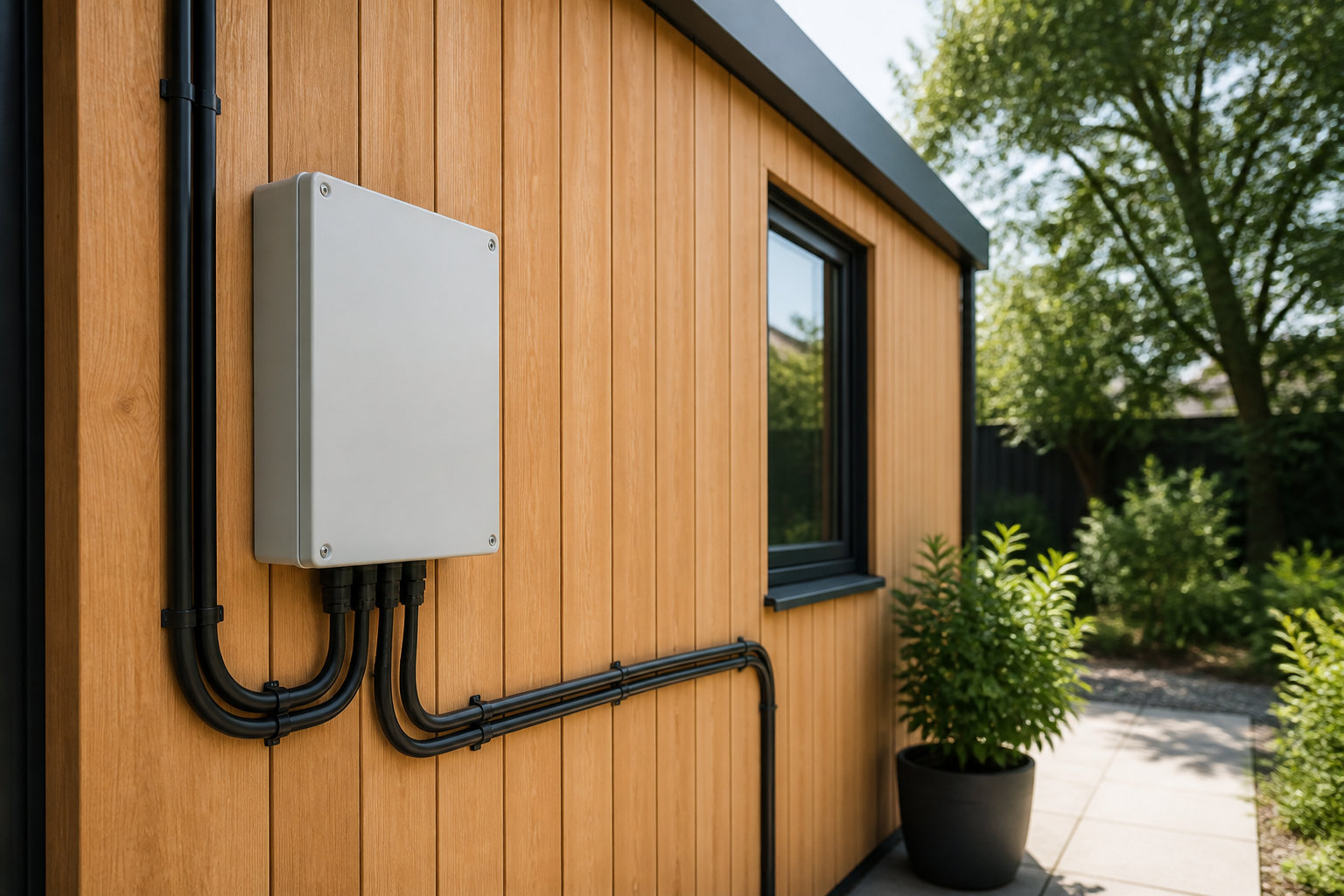
Maintain the panels annually. Clean off bird droppings and leaves to keep efficiency high. Check all mechanical bolts for tightness every spring.
- Check panel tilt angle
- Inspect cable insulation for rodent damage
- Tighten battery terminal connections
- Clean glass with distilled water
Empower your remote work by selecting high-efficiency monocrystalline panels and LiFePO4 batteries for reliable year-round energy. Calculate your device wattage to choose the perfect solar panel kits for garden offices, ensuring seamless productivity even in winter. Take control of your electricity bills and step into a sustainable, off-grid future today.
FAQ
How much solar power do I actually need for my garden office?
Determining your power needs is the first step toward energy independence! For a basic setup including LED lighting, a laptop, and a Wi-Fi router, a kit ranging from 120W to 160W is often sufficient. This keeps your essential devices running smoothly throughout the workday without a massive investment. ☀️
If your remote work involves more demanding hardware like dual monitors, a small fridge, or power tools, we recommend stepping up to a 400W to 1200W system. Always perform a quick “power audit” by listing your devices and their wattage to ensure your battery and panels can handle the load, especially during the shorter days of the UK winter. 💻
Do I need planning permission to install solar panels on my garden room?
In most cases, you can breathe easy! Installing solar panels on a garden office or shed usually falls under permitted development in the UK, meaning no formal planning permission is required. This makes it a fantastic, hassle-free upgrade for your remote workspace. ✅
However, there are a few exceptions to keep in mind. If your property is a listed building or located within a conservation area, you should definitely check with your local council first. Also, if you opt for a ground-mounted system that exceeds 1.8 metres in height, a quick chat with the planning office is a smart move to ensure total compliance. 🏛️
Which charge controller is better for the UK climate: MPPT or PWM?
For the unpredictable British weather, an MPPT (Maximum Power Point Tracking) controller is the clear winner! Unlike simpler PWM controllers, MPPT units act as intelligent converters that constantly find the optimal voltage to extract the maximum energy from your panels. This is a game-changer during overcast days or rapid shifts in cloud cover. ☁️
While MPPT controllers have a higher upfront cost, they can boost your energy harvest by 20% to 30% compared to PWM models. In the middle of a gloomy UK winter, that extra efficiency is exactly what you need to keep your office powered and your productivity high. It is a professional-grade investment that truly pays off! 📈
How do I protect my solar batteries during cold winter months?
Cold weather can be tough on batteries, especially LiFePO4 (Lithium) types, which shouldn’t be charged below 0°C. To keep your system healthy, we highly recommend choosing batteries with integrated self-heating functions. These smart units automatically warm the cells to a safe temperature, ensuring reliable performance even when the frost hits. ❄️
Beyond choosing the right tech, try to install your battery bank indoors within your insulated garden office. A stable, heated environment significantly extends the lifespan of your equipment. Using a Battery Management System (BMS) with Bluetooth monitoring is also a great way to keep an eye on your stats from the comfort of your desk! 📱
Is it difficult to install a “Plug and Play” solar kit myself?
Not at all! The beauty of Plug and Play kits lies in their absolute simplicity. These systems are designed for everyone, requiring no specialized electrical knowledge. You simply position the panels in a sunny spot, secure them to a bracket, and plug the cable directly into a standard wall socket. It is that easy to start generating your own green energy! 🔌
While the physical setup is a breeze, always prioritize safety. Ensure your panels are securely mounted to withstand high winds and that your cables are protected. For larger, permanent installations, especially those involving dedicated grounding rods or complex consumer units, consulting a qualified electrician is always a wise choice to ensure your workspace remains safe and sound. 🛠️