Key takeaway: Plug-and-play solar kits in 2026 typically range from $500 to $1,500, offering a fast return on investment within 3 to 6 years. This accessible solution eliminates high professional installation fees, allowing you to offset phantom loads and slash utility bills by up to 20%. Notably, a 405W kit can generate over $140 in annual savings.
The price of entry level 400W solar units has dropped to around $500, making residential green energy more accessible than ever before. ⚡ We are seeing a massive shift as these systems become a standard appliance for the modern, budget conscious home.
The real challenge is navigating the marketing noise to understand how much do plug and play solar kits really cost once you factor in performance and setup. We will break down the true investment required and show you exactly how to calculate your monthly savings potential.
How Much Do Plug And Play Solar Kits Really Cost In 2026?
Plug-and-play solar kits in 2026 typically range from $500 for 400W entry-level units to $1,500 for high-output premium systems. These kits include microinverters and bifacial panels, connecting directly to standard wall outlets.
Current Market Price Ranges For Standard Kits
How much do plug and play solar kits really cost? Most consumers find their sweet spot around $800 for reliable performance. Prices generally fluctuate between $500 and $1,500.
Entry-level 400W kits are cheaper than premium alternatives. Higher prices usually mean better durability and energy yield.
Costs have stabilized recently. Pricing is now predictable.
Core Hardware Components Included In The Base Price
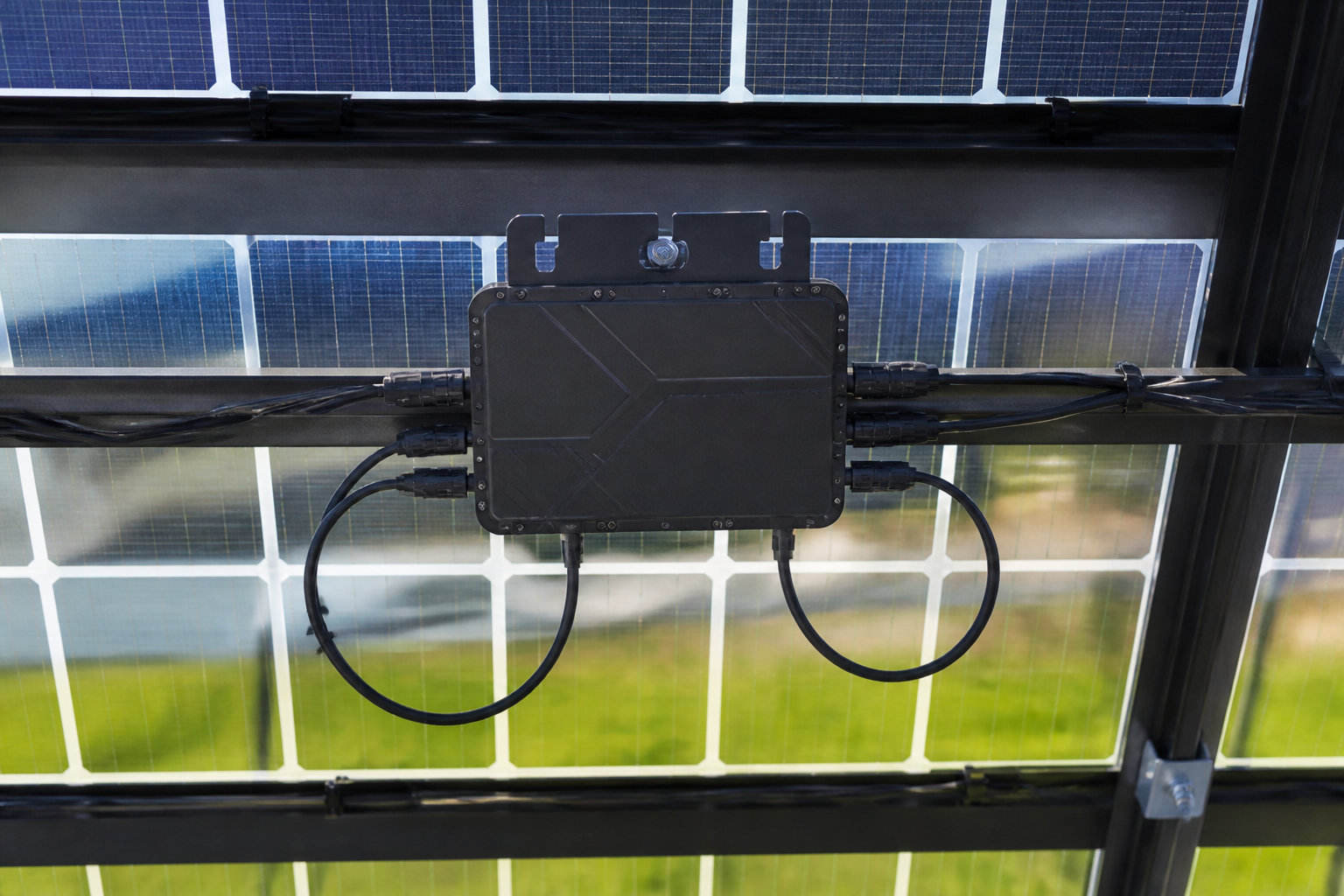
Standard kits include microinverters, cabling, and bifacial panels. These parts are pre-configured for immediate use. Quality varies significantly between brands, so choose wisely.
Better glass-on-glass panels justify the extra cost. They provide superior long-term efficiency and weather resistance.
Price Variations Based On System Wattage And Capacity
Small balcony setups are cheaper upfront than larger patio arrays. Larger systems offer better long-term scale for high-energy households.
Scaling up lowers the price-per-watt ratio. Buying more capacity at once reduces the unit cost.
Modularity is key. Start small and grow later.
How Much Money Will You Actually Save Every Month?
While the initial investment is clear, the real question is how fast these panels pay for themselves through monthly utility savings.
Impact On Baseline Appliance Energy Consumption
Small kits effectively offset constant loads like refrigerators and routers. These phantom loads disappear from your bill. It is a steady, quiet saving process.
Most users see a 10% to 20% drop in their bills. Monthly reductions depend on average residential electricity rates. Solar Panel Plug and Play : ideal for saving money is a smart choice for efficiency.
Calculating Payback Periods By Geographic Sun Exposure
Sunny Regions (e.g., Toulon)
Payback in 4 to 6 years. Annual savings reach up to €142.65.
Cloudier Regions (e.g., Paris)
Payback takes 6+ years. Annual savings average around €122.28.
Sunny states see payback in 3-5 years. Cloudier areas might take 8 years. Local electricity prices change this math daily.
Rising utility rates actually make your solar investment more profitable. Your fixed-cost energy becomes a hedge against inflation.
Reality Check On Marketing Claims Versus Actual Production
Laboratory numbers are rarely achieved on a balcony. Dust and shade reduce efficiency quickly. Real-world weather creates a gap in output.
Performance Reality Check
400W panels rarely reach peak output in urban settings due to dust, shade, and seasonal variations.
Winter production is much lower than summer peaks. Seasonal changes influence the speed of investment recovery.
Expectations must meet reality: a 400W panel rarely produces 400W in a real-world urban environment.
3 Legal And Safety Factors To Verify First
Savings are great, but you need to stay on the right side of the law and safety standards to keep them.
State Regulations On Standard Wall Outlet Connections
The legal status of plugging solar directly into home circuits isn’t universal. Rules vary wildly by state. Some regions require specific certifications for the microinverters used in your kit.
Zero-export technology plays a huge role in avoiding utility friction. This tech prevents power from flowing back to the grid. Check out How Plug-and-Play Solar Kits Work: Setup & Cost for more details.
Safety Features And NEC Compliance Standards
Anti-islanding protection is vital for grid safety. This feature shuts off the system during blackouts. It protects utility workers from unexpected shocks while they fix local power lines.
Important Safety Note
Anti-islanding protection automatically shuts off the system during blackouts to protect utility workers.
Smart power meters are excellent for monitoring flow. These devices ensure your home stays within safe electrical limits. Learn How to install balcony solar panels safely to avoid common setup mistakes.
Managing HOA Policies And Utility Interconnection Agreements
Review your homeowner association bylaws before purchase. HOAs often have rules about visual clutter on balconies. Check your contract before drilling any holes. Some allow solar as a “right to generate.”
A simple notification to the utility company is often required. Most small systems don’t need complex permits. We recommend checking local interconnection agreements to stay fully compliant.
Hidden Expenses And Long-Term Ownership Value
Beyond the sticker price and legal hurdles, a few hidden factors determine your investment’s true value. How much do plug and play solar kits really cost when looking past the basic panel price?
Additional Costs For Mounting Hardware And Outlets
Identify expenses for specialized balcony brackets or dedicated outdoor sockets. Cheap kits often skip these parts. You might spend an extra $100 on secure mounting hardware.
Factor in protective conduit costs for ground-mounted setups. Safety shouldn’t be a secondary thought. Budget for these essentials:
Extra mounting brackets
Weatherproof outdoor outlets
Heavy-duty extension cables
Cable management clips
Component Lifespan And Maintenance Considerations
Compare degradation rates of solar panels versus microinverter electronics. Panels last 25 years, while inverters might fail after 12. Budget for a mid-life electronic replacement to keep the system running.
Estimate potential replacement costs after the first decade. Technology will be cheaper then, but labor costs remain high.
Financial Benefits For Renters Versus Permanent Rooftop Solar
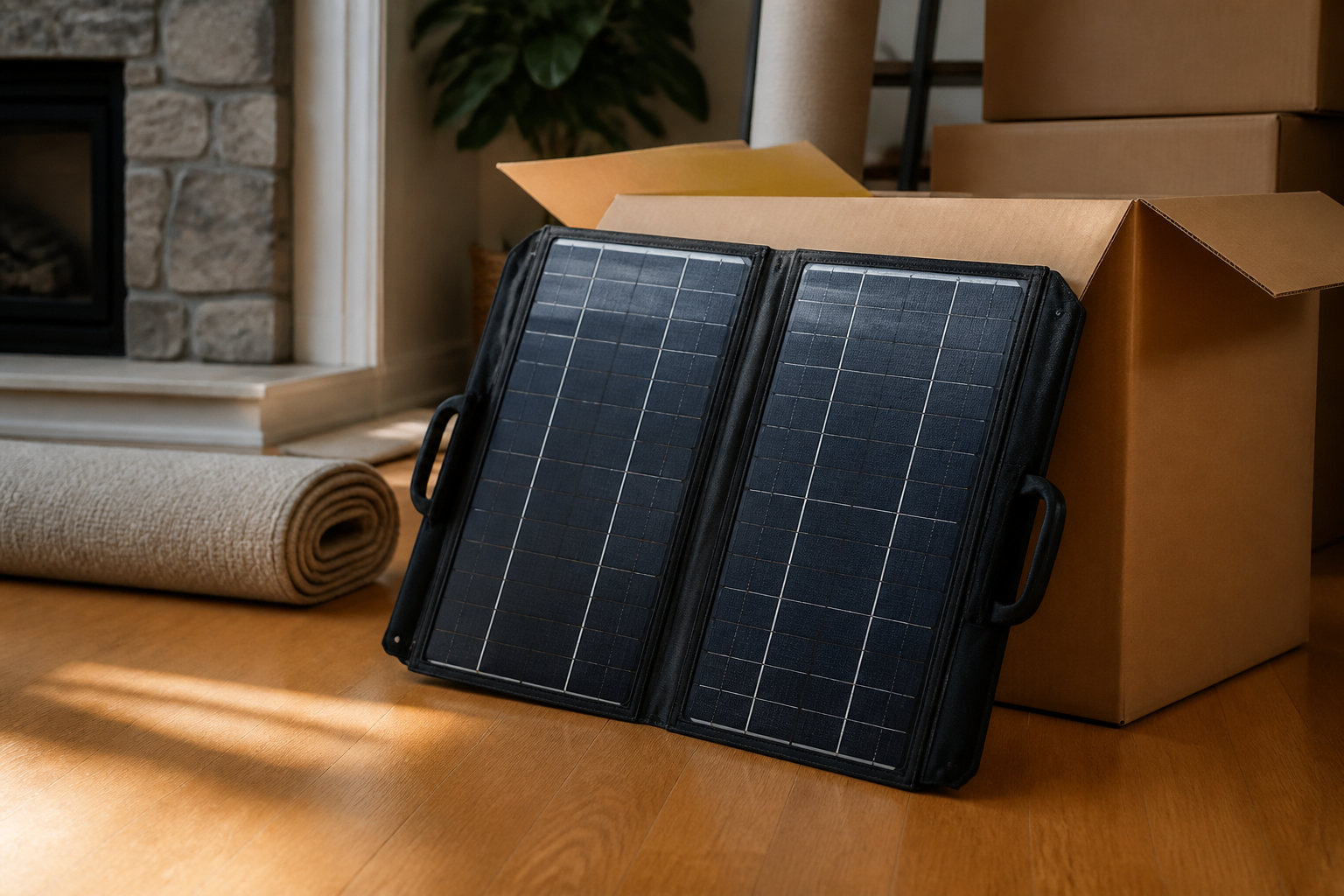
Evaluate portability as a cost-saving measure during moves. Renters can take their investment with them. This makes it a mobile asset rather than a home upgrade.
Contrast zero-labor installation costs with traditional professional setups. You save thousands by doing it yourself. The financial gap is significant when comparing these two solar approaches.
Feature
Plug-and-Play Kit
Traditional Rooftop
Installation Cost
$0
$5000+
Portability
Yes
No
Permits
Low
High
Max Power
Limited
High
Maintenance
DIY
Pro
Investing in a solar kit typically costs between $500 and $1,500, offering a fast ROI within 5 to 8 years. By understanding how much do plug and play solar kits really cost, you can eliminate installation fees and start slashing bills today. Secure your energy future now for long-term monthly savings!
FAQ
What is the typical price range for a plug and play solar kit in 2026?
In 2026, you can expect to find entry-level 400W kits starting at approximately $500. For those seeking higher energy production, premium high-output systems generally range up to $1,500. Most of our users find their “sweet spot” for reliability and performance around the $800 mark.
If you are looking for smaller setups, prices can begin as low as $189 for 500W units, while larger 3,000W arrays average around $1,094. Keep in mind that adding battery storage will significantly increase your initial investment, often doubling the cost of a standard 1,000W kit.
How much can I realistically save on my monthly power bill?
We see most residential users achieving a 10% to 20% reduction in their monthly electricity costs. These kits are incredibly efficient at wiping out “phantom loads” from constant appliances like refrigerators and Wi-Fi routers, ensuring a steady stream of savings without any extra effort on your part.
Your actual savings will depend on your local sunlight and utility rates. For instance, high-sunlight areas can save upwards of $160 annually per kit, while regions with less exposure might see closer to $120. Over time, as utility prices rise, your self-generated energy becomes even more valuable.
What is the average payback period for these solar systems?
The return on investment typically lands between 3 and 6 years. In sunnier regions, you could see the system pay for itself in as little as 3.5 years. In cloudier climates, the timeline might extend toward 5 or 8 years, but the long-term gains remain very attractive given the 25-year lifespan of the panels.
To calculate your specific ROI, simply divide your total kit cost by your estimated annual savings. While these kits don’t qualify for professional installation tax credits, their zero-labor cost and immediate setup make them one of the fastest ways to start seeing a financial return on green energy.
Are there any hidden costs I should prepare for?
While the kits are “ready to use,” you should budget approximately $100 extra for specialized mounting hardware or secure balcony brackets. High-quality kits usually include microinverters and cables, but you may need to invest in weatherproof outdoor outlets or protective conduits to ensure a safe, long-lasting installation.
Maintenance costs are minimal, but we recommend budgeting for a potential microinverter replacement after 12 to 15 years. While the panels themselves are built to last decades, the electronic components have a shorter lifespan and are the only major long-term expense you’ll likely encounter.
Can I take my solar kit with me if I move to a new home?
Absolutely! One of the biggest benefits we highlight for renters is that these kits are a mobile asset. Unlike traditional rooftop solar, which stays with the property, you can simply unplug your panels and take them to your next apartment or house, preserving your investment.
This portability makes plug and play kits the ideal choice for anyone who doesn’t own their roof or plans to relocate. You get all the benefits of renewable energy without the thousands of dollars in permanent installation fees or complex permitting required for traditional systems.