The National Electrical Code does not yet offer a single federal standard for residential plug-in systems, leaving a fragmented regulatory landscape across the USA. While these kits promise instant energy, their legality hinges strictly on UL 1741 certification and compliance with NEC Section 705.12 to prevent hazardous back-feeding.
Navigating these shifting requirements often feels like a barrier to your energy independence. We will help you master the legal regulations for plug and play solar in USA, ensuring your setup is safe, permitted, and fully insured. We decodify the rules together so you can plug in with total peace of mind.
- Legal Regulations for Plug and Play Solar in the USA
- Compliance With the National Electrical Code Requirements
- Will Your Electric Meter Run Backward With Plug-in Solar?
- Mandatory Building and Electrical Permits for Solar Units
- Liability and Insurance Implications for DIY Solar Setups
- 5 Steps to Verify Your Local Solar Compliance
Legal Regulations for Plug and Play Solar in the USA
Plug-and-play solar legality hinges on UL 1741 certification and NEC 705.12 compliance. While portable stations bypass most codes, grid-tied balcony kits require utility interconnection agreements and specific anti-islanding safety features to prevent hazardous back-feeding.
Navigating the world of solar can feel like a maze, but understanding legal regulations for plug and play solar in USA is the first step toward energy independence. Let’s break down the rules so you can plug in with confidence.
Defining Plug-and-Play Versus Traditional Grid-Tied Systems
Traditional rooftop solar involves complex hardwiring and permanent structural changes to your home. In contrast, plug-and-play kits use modular panels and standard 120V NEMA outlets. This allows for immediate energy injection into your home wiring.
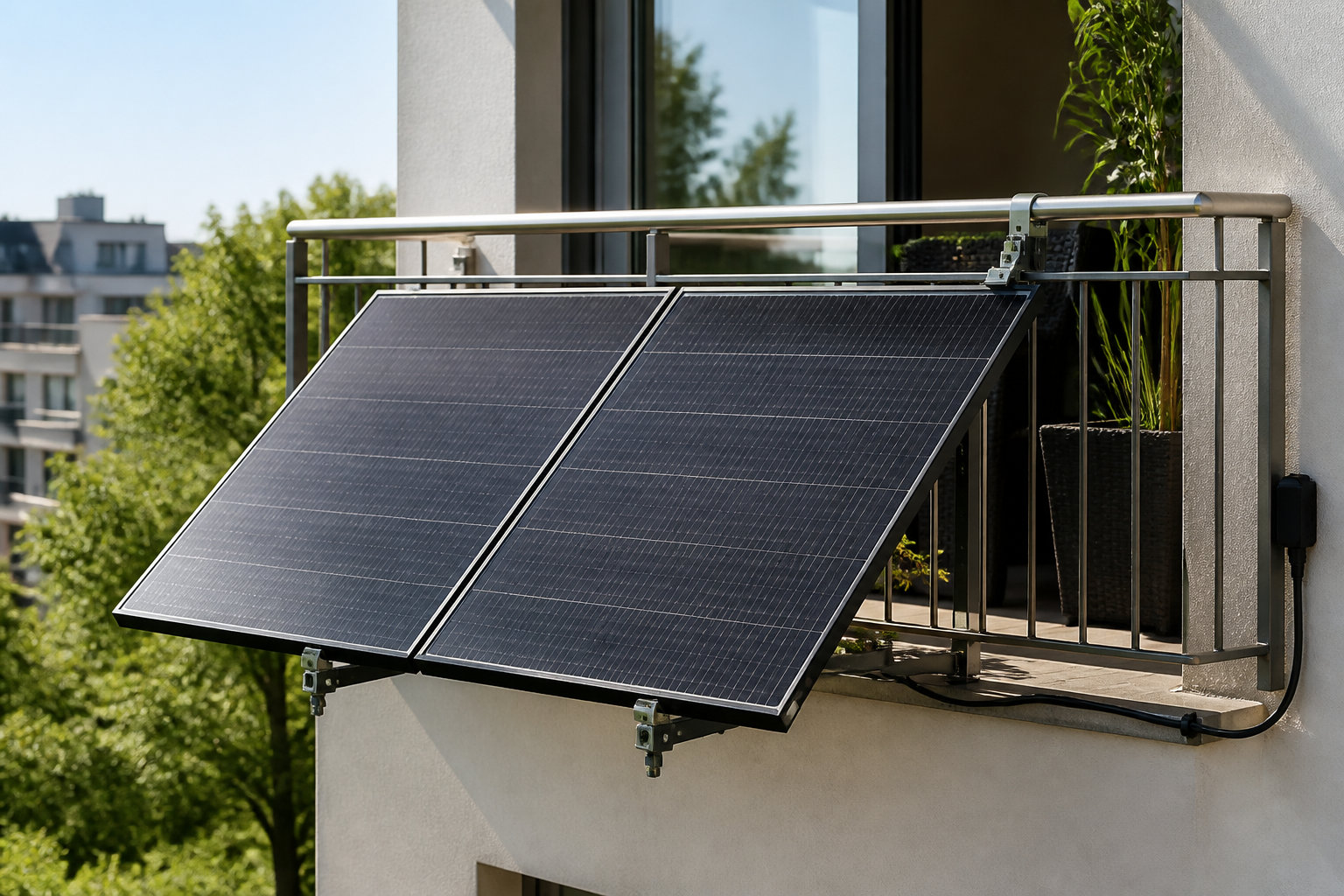
The secret lies in integrated micro-inverters. These clever devices convert DC power to AC right at the panel level. By removing the need for a central string inverter, the electrical path becomes significantly simpler for the average user.
Renters love these setups because they are non-permanent and don’t modify the building. However, being “temporary” does not grant a free pass from local safety codes. You must still respect the rules of the road to stay compliant.
Closed-loop, battery-based, classified as consumer electronics.
Active grid synchronization, classified as power production equipment.
Micro-Inverters Versus Portable Solar Power Station Definitions
Portable power stations are essentially large batteries with solar inputs. They operate as closed-loop systems and never push electricity back into your house wiring. This makes them legally distinct from grid-tied kits in the eyes of regulators.
Classification is everything when it comes to building code enforcement. Portable units are treated like any other consumer electronic device. Conversely, most building departments view grid-tied plug-in panels as serious power production equipment requiring oversight.
The grid interaction is the real deal-breaker here. Portable stations only draw a charge from the wall or panels. Plug-in kits actively synchronize with the utility frequency, which naturally triggers much stricter regulatory requirements and safety checks.
The Role of UL 1741 Safety Standards for Grid Connection
UL 1741 is the gold standard for inverter safety in the United States. This certification guarantees that your device won’t explode or start a fire during normal use. It also ensures stability during unexpected grid fluctuations.
This standard is vital for managing grid outages. It forces the system to shut down instantly if the utility power fails, a feature known as anti-islanding. This prevents electricity from back-feeding into lines where utility workers might be performing repairs.
State and federal laws are very clear on this point. Most jurisdictions explicitly ban the sale or operation of non-UL certified grid-tie equipment. Using uncertified gear isn’t just risky; it is a massive legal liability for any homeowner.
UL 1741 is not just a sticker; it is the legal barrier between a safe home appliance and a potential fire hazard for the entire neighborhood.
- Verify UL 1741 certification on all micro-inverters.
- Ensure compliance with NEC 705.12 for panel interconnection.
- Check local utility rules for net metering eligibility.
- Confirm if a municipal electrical permit is required.
Compliance With the National Electrical Code Requirements
Safety standards provide the framework, but the National Electrical Code (NEC) dictates the specific physical installation rules you must follow.
Understanding NEC Section 705.12 and Back-Feeding Risks
The NEC “120% rule” strictly governs your busbar capacity. It prevents homeowners from adding excessive solar power to circuits already burdened by heavy grid loads. Safety remains the priority here.
Overloading branch circuits causes significant heat buildup in residential wires. This excess heat can melt insulation before a breaker even trips. Such failures represent a primary fire concern for DIYers.
Standard home outlets are typically rated for 15 or 20 amps. Adding solar input can easily push these circuits beyond their engineered safety limits. Understanding legal regulations for plug and play solar in USA starts with these amperage boundaries.
Why Anti-Islanding Features Are a Legal Safety Requirement
Islanding occurs when a solar system continues powering a “dead” grid. This creates a lethal “hot” zone for utility technicians. It is a major danger during emergency repairs.
Bypassing this feature leads to severe legal fallout. You can be held criminally negligent if your equipment injures a worker. Utility companies will immediately terminate your service for such violations.
Modern micro-inverters handle this risk automatically by sensing grid voltage constantly. If the signal vanishes, the inverter disconnects in milliseconds. This speed is required to meet strict IEEE 1547 requirements.
Anti-islanding is not optional. IEEE 1547 standards ensure that your system stops injecting power the moment the grid fails, protecting utility workers from electrocution.
Hazards of Residential DIY Electrical Modifications
We must warn against using illegal “suicide cords” or male-to-male plugs. These expose live prongs that cause instant electrocution. They are extremely dangerous and cause massive short circuits.
Ungrounded outlets present another massive risk. Without a proper ground path, a fault in the solar panel frame energizes the entire mounting system. This creates a lethal shock risk for everyone.
Modifying a main breaker box usually requires a formal permit and inspection. Many DIYers skip this step, leaving behind code violations. Insurers will eventually find these errors, potentially voiding your coverage.
Will Your Electric Meter Run Backward With Plug-in Solar?
Beyond the physical wiring, the way your utility measures energy flow determines if your investment actually saves you money or causes billing headaches.
How Utility Companies Classify Small-Scale Solar Equipment
Utilities use a tiered system for Distributed Energy Resources (DER). Small plug-in kits usually fall into “Tier 1,” which has the simplest, yet still mandatory, registration rules.
Behind-the-meter consumption occurs when your home uses solar energy locally. Most utilities allow this if no power is exported. You consume what you produce before it hits the street.
If you want to send power back, you must sign an Interconnection Agreement. This document legally binds you to the utility’s specific technical operating standards. It ensures your system meets safety requirements.
Why Net Metering Often Conflicts With Simple Setups
Net metering is a legal privilege, not a right. Many utilities only offer it to systems installed by licensed contractors. These professionals must submit formal engineering plans and permits.
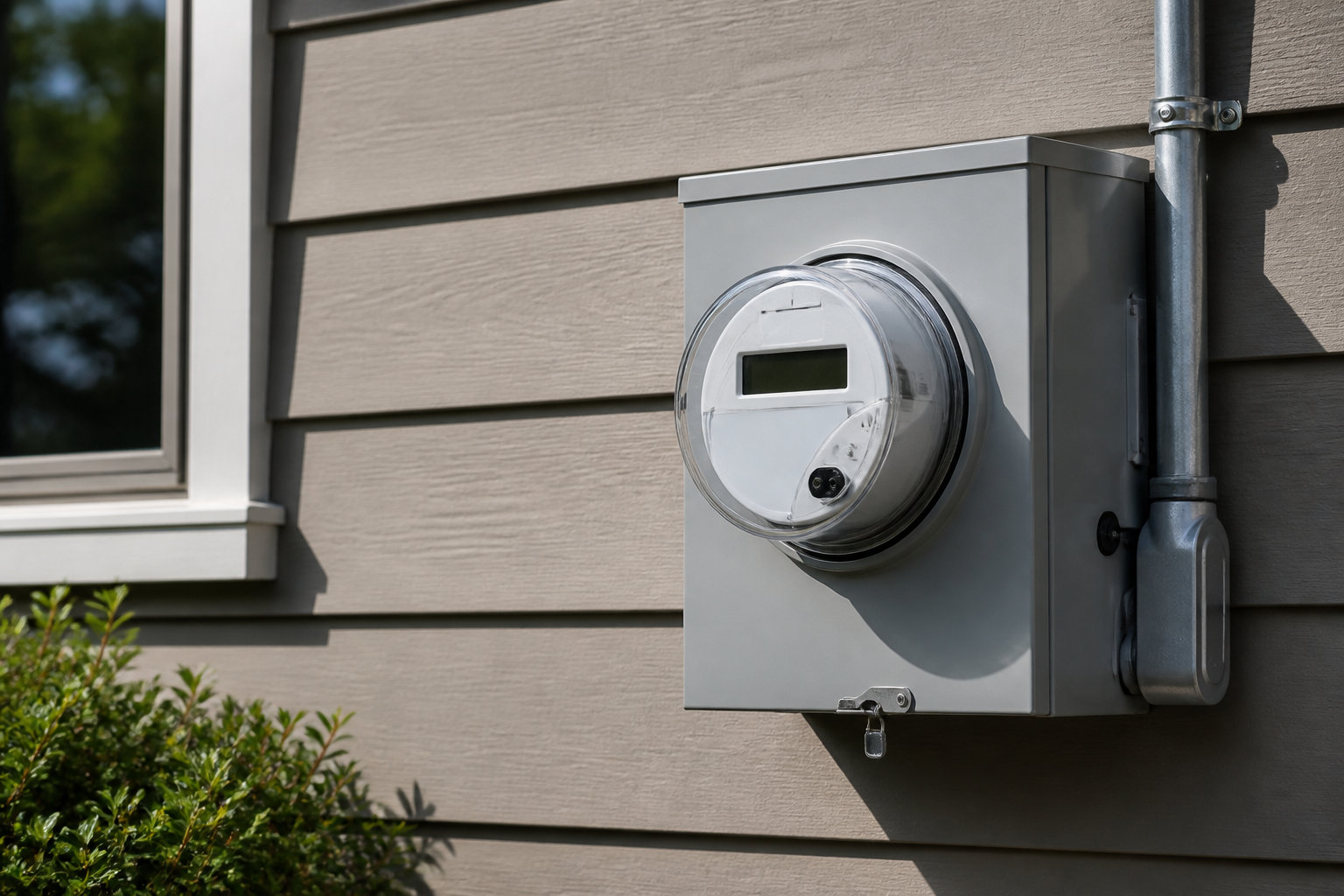
Old analog meters often suffer from a “consumption error.” These devices may count energy flowing outward as standard consumption. You could literally pay the utility for the power you produce.
Modern smart meters must be programmed to recognize two-way flow. This bi-directional requirement is essential for accurate billing. Without this programming, your solar production is legally invisible or financially detrimental to your bill.
Meter Behavior and Potential Billing Discrepancies
Clarify the difference between “net billing” and “net metering.” Net billing pays you at a lower wholesale rate. Net metering gives you full retail credit for your production.
Utilities can detect back-feeding and may issue fines for “unauthorized injection.” If you haven’t notified them, they may view it as a safety violation. This can lead to penalties on your account.
Snippet Capsule: Most digital meters will not run backward without a specific agreement. Unauthorized solar input often registers as standard usage, increasing your bill. Always verify your meter type before plugging in. Understanding legal regulations for plug and play solar in USA is the only way to protect your savings.
Mandatory Building and Electrical Permits for Solar Units
Even if your utility is on board, your local government has its own set of rules regarding what you can attach to your home.
The Role of the Local Authority Having Jurisdiction in Approvals
The AHJ is your local building department or fire marshal. They hold the final word on safety. They verify if your installation meets specific town codes.
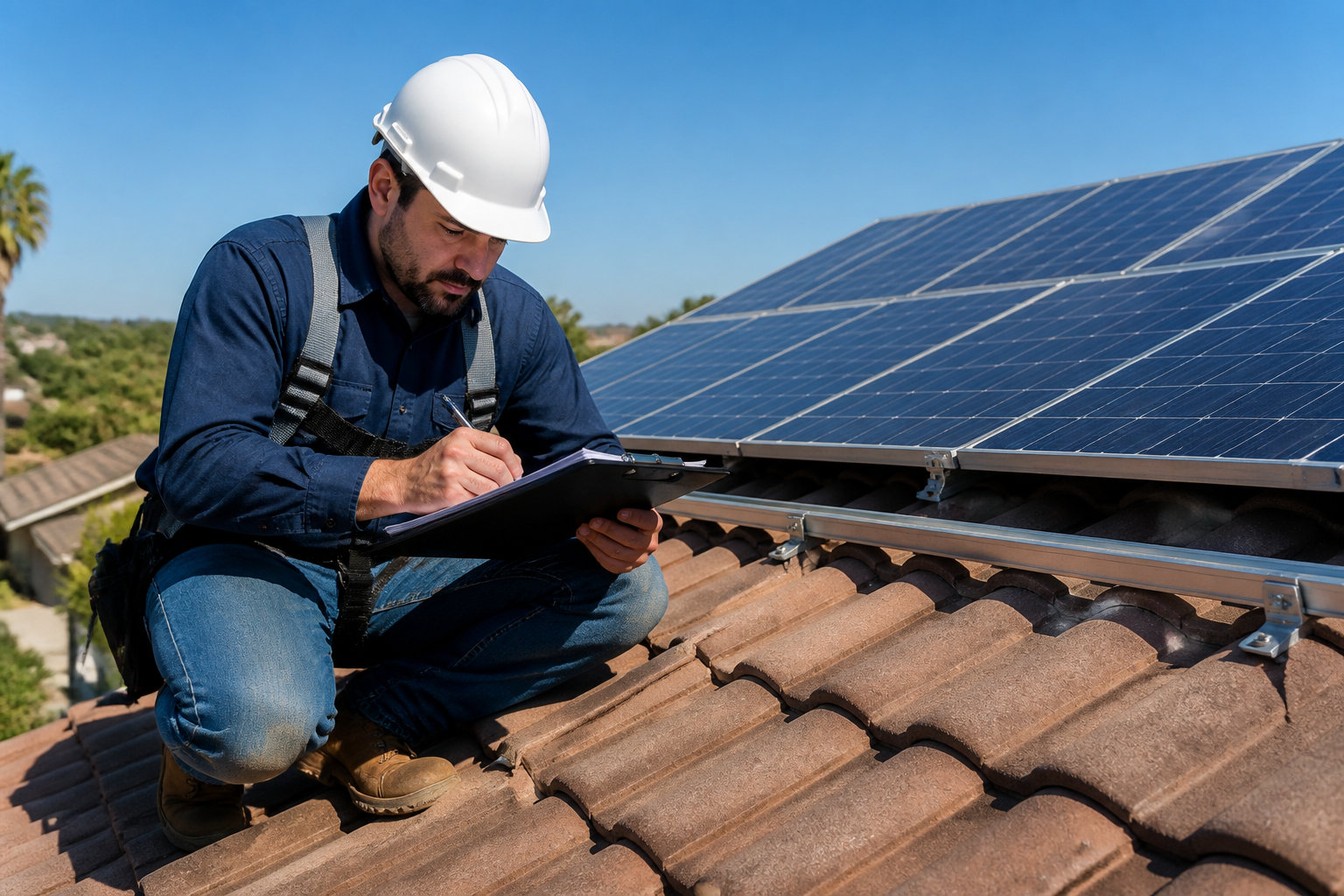
Local rules often trump federal ones. While the NEC provides a national standard, cities adopt specific versions. Some jurisdictions enforce much stricter fire-clearance zones for panels.
Permit applications require equipment spec sheets and site plans. For plug-in devices, the AHJ focuses on circuit capacity. They also scrutinize the mounting method to prevent hazards.
Permanent Versus Portable Solar Legal Definitions
Mounting hardware is the legal tipping point. If you bolt a panel to the roof, it becomes permanent. This trigger requires a full building permit and structural analysis.
Some states allow small panels if they are not fixed. This is the “temporary use” loophole. But beware, “temporary” is often defined by days, not just the lack of bolts.
Ground-mounts differ from roof-mounts in regulatory eyes. These systems are often viewed as “outdoor appliances.” They face fewer structural codes but must meet strict wiring standards if trenched.
Potential Fines and Disconnection for Unapproved Devices
Administrative penalties are real and costly. Fines for unpermitted work range from $500 to several thousand dollars. You might be forced to remove equipment at your own expense.
Utilities have the right to disconnect your service. If they detect an unapproved grid connection, they pull the meter. Your home stays dark until a formal inspection passes.
Legalizing a system later requires a “retroactive permit.” You must hire an electrician to certify the work. This path always costs more than doing it right the first time.
| System Type | Permit Required | Utility Agreement | Best For |
|---|---|---|---|
| Portable Power Station | No | No | Camping & Emergency |
| Balcony Plug-in Kit | Varies | Yes | Renters & Apartments |
| Ground-Mount Plug-in | Yes | Yes | Large Backyards |
| Traditional Rooftop | Yes | Yes | Homeowners |
Liability and Insurance Implications for DIY Solar Setups
Beyond government fines, the financial risk of an unpermitted system extends to your most important safety net: your home insurance policy.
Homeowner Insurance Risks for Unpermitted Installations
Unpermitted electrical work is a common “out” for insurance companies. If a fire starts near your solar kit, the carrier may deny the entire claim due to negligence. Safety standards matter immensely here.
You must inform your agent about any power-generating equipment. Failure to disclose material changes to the property can lead to policy cancellation or non-renewal. Transparency protects your coverage.
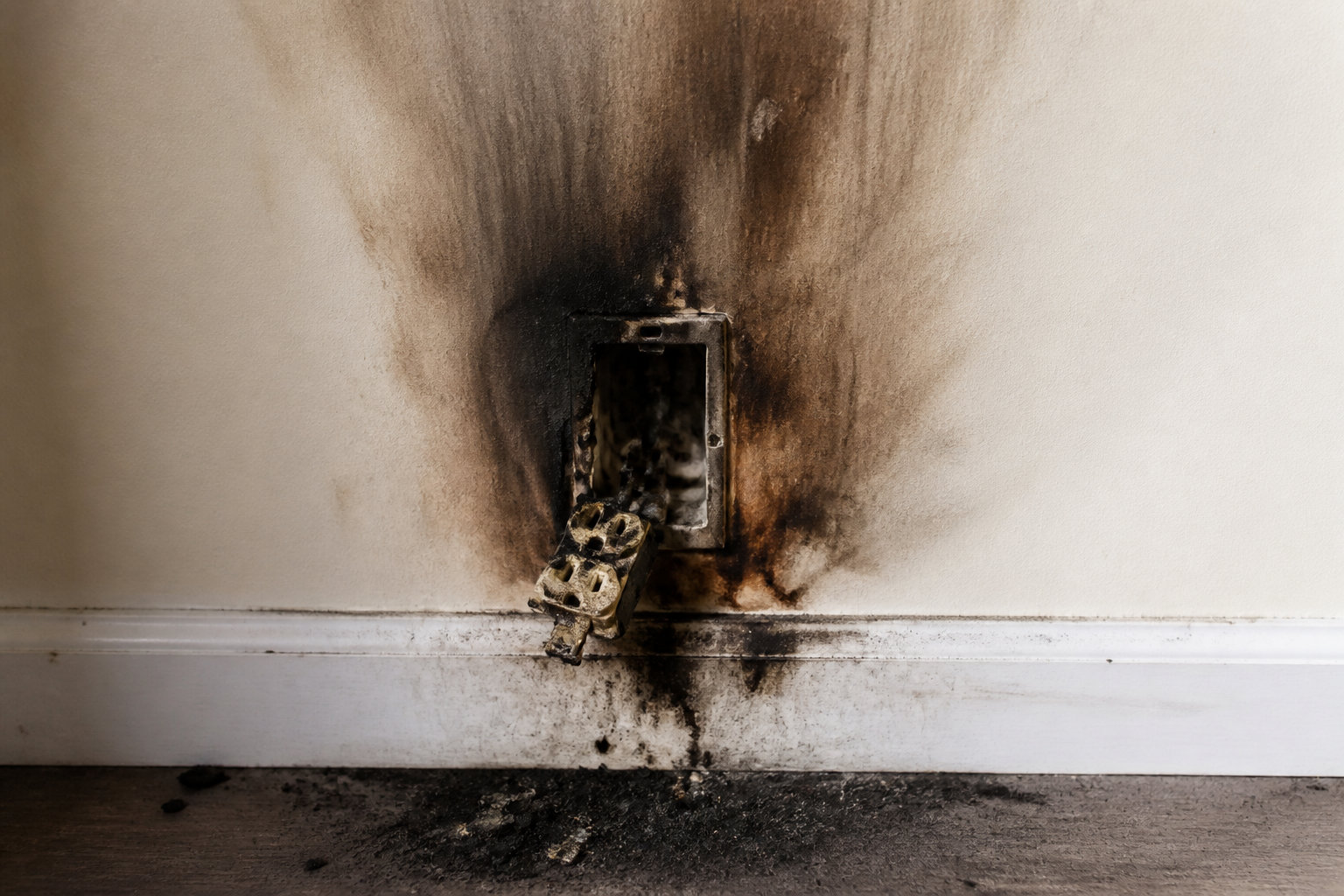
Paying for a professional inspection might raise your premium slightly. However, it guarantees that your million-dollar asset, your home, remains fully protected against electrical fire claims. Certification is a small price for total peace of mind.
Managing Liability for Back-Feeding Electricity into the Grid
You are legally responsible for the electricity you export. If your system causes a surge that damages a neighbor’s appliances, you could be held liable for the repair costs. Grid safety is your personal responsibility.
Many utilities require a minimum of $100,000 in personal liability coverage. This protects both the utility and the homeowner from accidents. Check your local utility interconnection agreement immediately.
Faulty inverters can inject “noise” or harmonics into the local grid. This can interfere with medical equipment or sensitive electronics in nearby homes, creating legal friction. High-quality, certified components prevent these costly disputes.
Future Trends in Distributed Energy Resource Regulations
The NEC is moving toward clearer “plug-in” definitions. Future updates may simplify the rules for systems under 800 watts, potentially removing the need for complex hardwiring permits. Regulatory relief may be coming soon.
Industry groups are lobbying for a “consumer-ready” label. This would allow homeowners to buy kits that are pre-approved for immediate use nationwide. Standardization will simplify your DIY journey.
As residential solar density increases, utilities will likely implement “smart” interconnection. This would allow them to remotely manage small systems to ensure grid stability during peak hours. Expect more integrated grid management in the future.
5 Steps to Verify Your Local Solar Compliance
Navigating these rules might seem daunting, but following a structured verification process will keep you on the right side of the law.
Compare progressive regions like California versus restrictive ones like Florida.
Confirm if plug-in devices are allowed on dedicated circuits.
Ensure your equipment carries the UL 1741 certification for safety.
Test your outlet and ground functionality before plugging in.
Get a final safety sign-off to guarantee legal peace of mind.
State-by-State Summary of Small-Scale Solar Policies
California and Vermont have the most progressive rules for small solar. They often provide simplified online registration for systems that meet basic UL and NEC safety standards. It is quite efficient.
Identify restrictive regions. States like Florida or parts of the Midwest have strict utility-controlled territories. Here, plug-in solar is often met with heavy resistance and complex paperwork. Expect more hurdles there.
Compare permit costs. In some jurisdictions, a solar permit is a flat $50 fee. In others, it is based on a percentage of the system value, making even small kits expensive to legalize. Watch those costs.
Checklist for Verifying Utility Provider Device Allowance
Start by asking your utility about their “Net Billing Tariff.” Specifically, ask if they allow customer-owned, UL 1741 certified equipment to be plugged into a dedicated branch circuit. Get clear answers early.
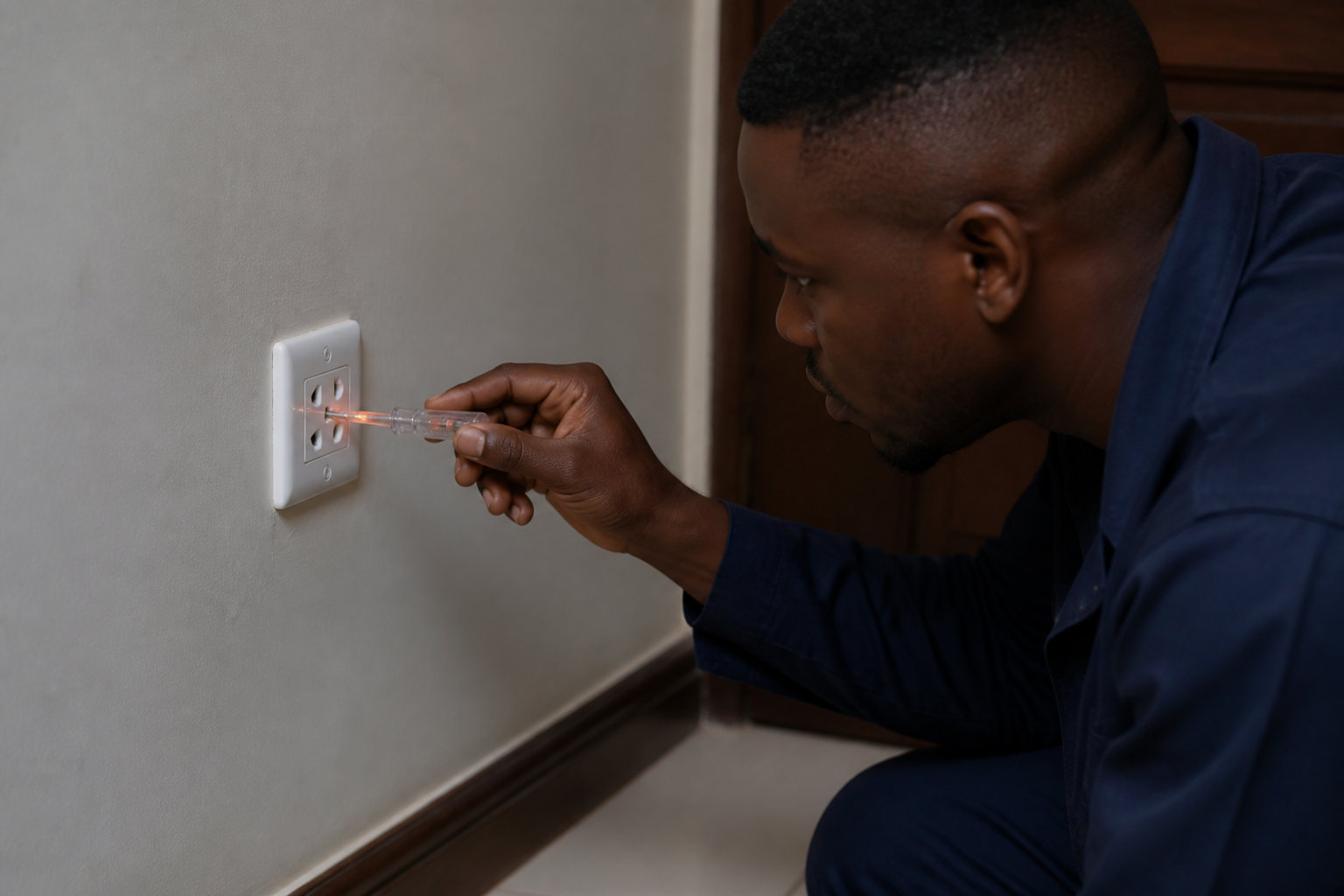
Gather your technical documents. You will need the inverter’s specification sheet and proof of anti-islanding compliance. Most manufacturers provide these as downloadable PDF files for customers. Keep these files ready for submission.
Understanding legal regulations for plug and play solar in USA requires direct communication with your provider. Ensure you cover these specific points during your inquiry:
- Ask about bi-directional meter upgrades.
- Check for monthly solar connection fees.
- Verify the maximum wattage allowed for Tier 1 DER.
- Confirm if professional sign-off is required.
Final Safety Verification Protocols for Homeowners
Conduct a self-audit of your chosen outlet. Use a circuit tester to ensure the ground is functional. Never use an extension cord; plug the panel directly into the wall. Safety starts at the socket.
Verify the anti-islanding function. While the system is running, flip the main house breaker. The inverter should shut down immediately. If it stays on, the device is defective. This test is vital.
Consult a professional for the final connection. Even if you do the mounting, having a licensed electrician check the circuit and the panel connection provides the ultimate legal and safety peace of mind. Don’t skip it.
Mastering legal regulations for plug and play solar in USA ensures your home remains safe and insured. Prioritize UL 1741 certified hardware and confirm local utility interconnection to secure your energy independence. Act now to verify your compliance and start powering your sustainable future with total peace of mind.
FAQ
Is it actually legal to use plug-and-play solar kits in the USA?
Yes, but legality depends on strict compliance with UL 1741 certification and NEC 705.12 standards. While these modular kits are designed for easy setup, they must feature integrated micro-inverters that ensure safety and grid synchronization to be considered legal for home use.
Keep in mind that “plug-and-play” doesn’t mean “rule-free.” You must still navigate a patchwork of state-level regulations and local utility requirements. In most jurisdictions, unauthorized grid injection is prohibited, meaning you often need a formal agreement before plugging in.
Do I need a special permit to install a balcony solar system?
In most cases, yes. Even though these systems are modular, local Authorities Having Jurisdiction (AHJ) typically require building or electrical permits. They focus on ensuring your home’s branch circuits can handle the additional power without overheating the wiring.
Failing to secure the right permits can lead to administrative fines or issues with your home insurance. We always recommend checking with your local building department to see if they offer a simplified “Tier 1” registration process for small-scale solar devices.
Will my electric meter automatically run backward if I plug in solar panels?
Not necessarily. Most modern digital smart meters will not credit you for power production unless you have a signed Interconnection Agreement. In fact, without the proper programming, some older meters might even charge you for the electricity you export!
To benefit from Net Metering or Net Billing, your utility provider usually needs to install or reconfigure a bi-directional meter. Always verify your meter type with your utility company to avoid unexpected billing discrepancies or “unauthorized injection” penalties.
What are the safety risks of DIY solar installations?
The biggest legal and physical risk is islanding, where a system continues to feed power into a “dead” grid during a blackout. This is why anti-islanding features are a mandatory legal requirement; they protect utility workers from accidental electrocution during repairs.
Additionally, using uncertified equipment or “suicide cords” (male-to-male plugs) is extremely dangerous and illegal. These setups create massive fire hazards and shock risks. To stay safe and compliant, ensure every component is UL-listed and your circuit is properly grounded.
How does plug-and-play solar affect my home insurance?
Installing unpermitted electrical equipment can be a major red flag for insurance carriers. If a fire occurs, a provider might deny your claim if they discover the cause was an uncertified or uninspected solar kit. It is a “material change” to your property that must be disclosed.
To protect your investment, we suggest informing your agent about your system. While it might slightly adjust your premium, having a professional inspection ensures your policy remains valid and your home stays fully protected against liability and damage.