Key takeaway: Plug-and-play solar kits allow renters to generate green energy without permanent modifications. By connecting portable panels to standard outlets via microinverters, you can slash electricity bills by 15-25% immediately. These non-permanent systems qualify for a 30% Federal Tax Credit, offering a fast ROI of just two to five years while remaining fully mobile.
Plug-and-play solar kits generate up to 1.5 kWh per day and feed electricity directly into standard 120V outlets via microinverters. These portable systems bypass permanent installation, allowing you to reduce utility bills by up to $50 monthly without drilling a single hole.
Most renters believe green energy is reserved for homeowners with massive roofs and long-term permits. We are here to show you how plug and play solar for renters turns your balcony into a powerhouse, and I will help you navigate the setup and legal steps to start saving today.
Plug and Play Solar for Renters: The Portable Energy Solution
Plug-and-play solar kits generate up to 400W-800W per panel, feeding electricity directly into standard 120V outlets via microinverters. These portable systems bypass permanent installation, allowing renters to reduce bills by 15-25% immediately.
Understanding how these systems interact with your home grid is the first step toward energy independence.
Functionality of Microinverters and Outlet Connectivity
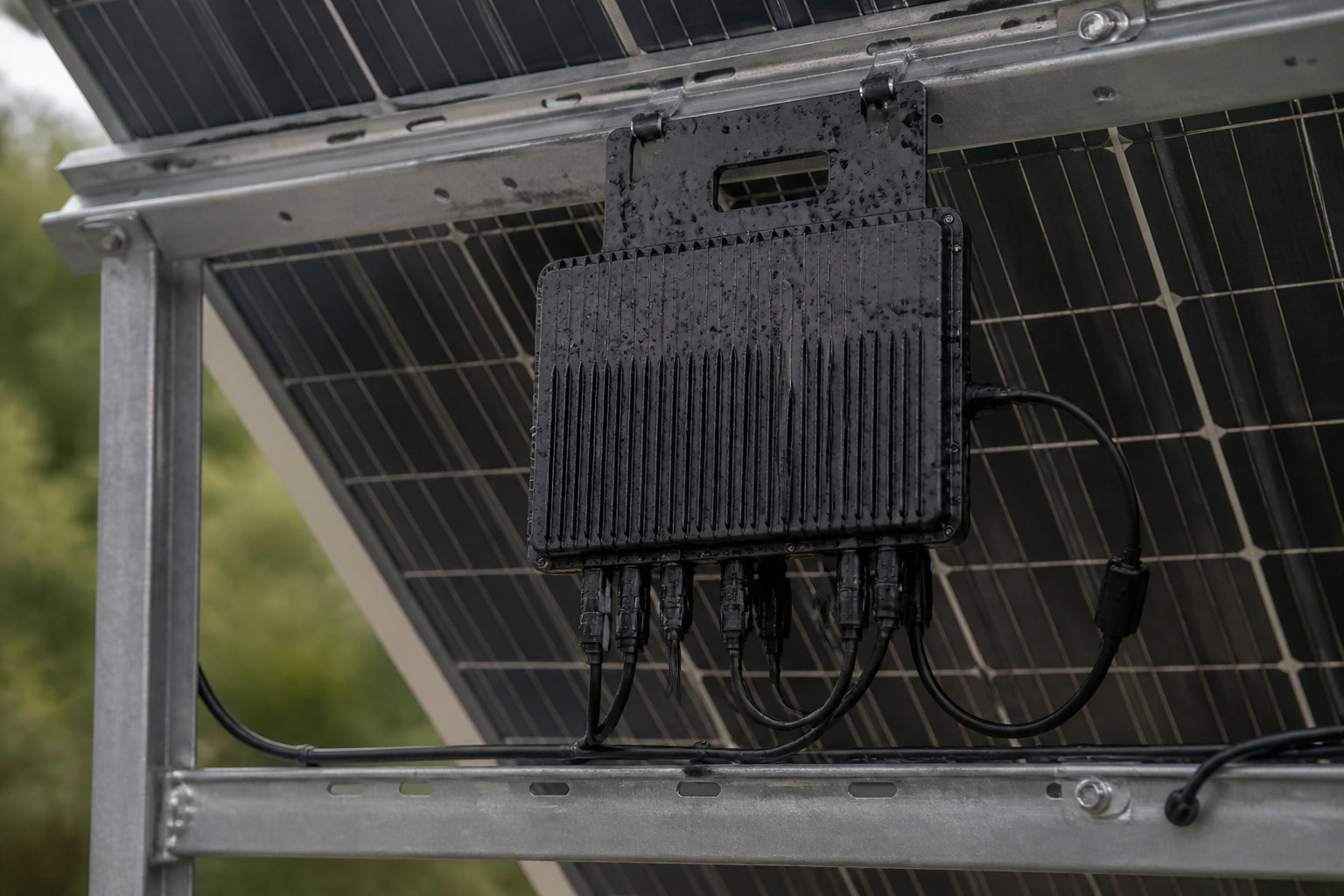
Solar panels capture DC energy. Microinverters convert this into AC power for home use. This process is technical but accessible.
Energy flows through a standard wall plug. It feeds directly into your home circuit to power appliances.
The system synchronizes with grid frequency. This ensures safety and compatibility.
Microinverters handle DC to AC conversion safely. They ensure 120V outlet compatibility and grid synchronization for seamless home integration.
The Advantage of Non-Permanent Mounting Systems
Hook-on systems fit balcony railings perfectly. No drilling is required. This protects your security deposit.
Weighted mounts suit patios or flat roofs. They use gravity instead of screws to stay secure.
These panels offer total portability. You can pack them in minutes when moving apartments.
Portable solar kits are the ultimate loophole for tenants, offering green energy without a single hole in the wall or a landlord’s headache.
3 Key Technical Requirements for Apartment Solar Kits
While the setup is simple, you can’t just throw a panel out the window; specific technical guardrails ensure your apartment stays safe and efficient.
Electrical Safety and Dedicated Circuit Considerations
Your kit needs a grounded outlet to function safely. A dedicated circuit is safer than sharing plugs with heavy appliances like fridges. This prevents dangerous overloads in your home.
Weather Resistance and Component Durability Standards
Look for IP67 ratings for all hardware. Panels must survive rain and hail. Microinverters need heat dissipation, as cheap gear is a fire hazard. Durability is not optional here.
Wind loads are a serious concern. Balcony panels act like sails during storms. Use heavy-duty straps or clamps to keep your installation secure and stable against high gusts.
Assessing Balcony Orientation for Maximum Output
South-facing is the gold standard. Use a phone app to track sun paths and identify nearby buildings. This ensures your investment actually pays off over time.
Orientation
Sunlight
Efficiency
Best For
South
8-10h
90-100%
Max ROI
East/West
5-7h
70-80%
Daily use
North
Low
<20%
Avoid
Shaded
Low
10-30%
Gadgets
How Much Can You Actually Save with Plug-in Panels?
Technical specs are great, but the real question is whether the numbers on your monthly utility bill actually move downward.
Projected Savings on Monthly Utility Expenses
A standard kit generates roughly 300kWh annually. This output offsets devices like a laptop or fridge. You bridge the gap between production and consumption.
Local electricity rates dictate your speed. High-cost cities mean faster savings for the tenant. Every kilowatt saved there carries more weight.
Use monitoring apps to track real-time savings. Seeing dollars drop is a motivator.
Payback Periods and Federal Tax Credit Eligibility
Expect a 3 to 5-year ROI for a $600 kit. Traditional rooftop solar takes longer. It is a lower barrier for beginners.
The 30% Federal Tax Credit (ITC) changes everything. Portable systems qualify if installed at your residence. This incentive reduces your net investment.
Review your lease for “aesthetic” or “exterior” rules. Most landlords ban satellite dishes but might allow “temporary furniture.” Frame the panels as balcony decor to bypass strict structural modification bans.
Tenant Strategy
Focus on non-permanent nature
No structural damage
UL-certified safety
Easy removal promise
Think of it as an “appliance” argument. If you can plug in a toaster, you can plug in a solar kit. It’s not a renovation; it’s just a gadget.
Always take photos before and after. This proves zero damage was done to the property during your stay.
Utility Compliance and Net Metering Limitations
Focus on “behind-the-meter” consumption. You aren’t trying to sell power back, just lower your own intake. This simple approach avoids complex grid injection permits that frustrate most renters.
Mention local utility caps. Some areas limit plug-in systems to 600W or 800W. Stay within these limits to avoid legal friction with the grid operator.
Check if your meter is bi-directional. Older meters might actually charge you for outgoing power!
Embrace energy independence today with portable systems that slash bills by up to 25% without permanent modifications. Simply plug into a standard outlet to start saving, then pack your kit when you move. Secure your 30% tax credit now and turn your balcony into a powerful, mobile green asset.
FAQ
Is it actually possible to use solar energy if I’m currently renting?
Absolutely! While homeowners usually have it easier, plug-and-play solar kits are the perfect loophole for tenants. These portable systems allow you to generate green energy without needing a rooftop or making permanent structural changes to the building.
You can simply set up these mini-power stations on a balcony, patio, or any sunny spot. Since they aren’t permanent fixtures, you can pack them up and take them with you whenever you move to a new apartment.
How do these portable solar kits work in an apartment setting?
It is incredibly simple: you just plug the system directly into a standard 120V wall outlet. The panels capture sunlight as DC energy, and a built-in microinverter converts it into AC power that flows right into your home circuit to power your appliances.
These systems typically generate between 400W and 800W, which is plenty to offset the energy used by your fridge, laptop, or home office setup. It’s a literal “plug and play” solution that bypasses the need for complex electrical work.
Do I need to ask my landlord for permission before installing one?
In many cases, no! If you use non-permanent mounting systems, like weighted stands or hooks that don’t require drilling, the kit is technically considered “temporary furniture” or a portable appliance. This means you aren’t modifying the property, which helps protect your security deposit.
However, it is always a smart move to check your lease for specific rules regarding exterior aesthetics. Framing the panels as removable balcony decor and highlighting their UL-certified safety usually keeps everyone happy.
What kind of savings can I expect on my monthly utility bills?
By using a plug-in kit, you can realistically reduce your electricity bills by 15% to 25%. Depending on your local rates and sun exposure, this translates to saving anywhere from $15 to $50 every single month.
With an initial investment typically ranging between $500 and $1,500, most renters see a full return on investment within two to five years. Plus, these systems may even qualify for a 30% Federal Tax Credit, making the transition to green energy even more affordable.
Are there specific technical requirements for my balcony or patio?
Safety first! You should ensure you are using a grounded outlet and, ideally, a dedicated circuit to avoid overloading. It is also vital to use hardware with IP67 or IP68 weather ratings so your equipment survives rain and heat.
For the best results, a south-facing orientation is the gold standard for maximum sun exposure. If your balcony is shaded or faces north, your efficiency will drop, so use a sun-tracking app to find the best placement before you buy.