A solar pergola system of 3 kW can generate between 4,000 and 5,100 kWh annually, effectively turning a simple shading structure into a high-performance power plant. These innovative setups maximize property value by providing essential outdoor comfort while slashng electricity bills through sustainable green energy production.
It is easy to feel overwhelmed by structural requirements or technical permits when planning your installation. We are going to break down everything you need to know about choosing the right solar kits for pergolas and carports to ensure your project is safe, efficient, and perfectly tailored to your lifestyle.
- Why Structural Durability Matters for Solar Kits for Pergolas and Carports
- 3 Ways to Customize Your Solar-Ready Configuration
- How to Manage Permits and Professional Installation?
- Maximizing Your Investment with Energy Storage and Maintenance
Why Structural Durability Matters for Solar Kits for Pergolas and Carports
Solar-ready pergolas require minimum 115 MPH wind ratings and 30 PSF snow loads. Steel or cedar frames support 500lb+ solar arrays, ensuring safety through stamped engineered drawings and specific uplift mitigation. This leads directly into the specific regional load ratings discussed next.
Evaluating Wind and Snow Load Ratings for Safety
Regional wind and snow ratings are non-negotiable for safety. Local climates dictate the structural strength needed for heavy panels. These standards prevent failure during storms.
Heavy equipment requires strict safety margins. We focus on the static weight of the mounting system during engineering.
Standard installations handle a static load of 17-22 kg/m², minimum 115 MPH wind ratings, and 30 PSF snow loads.
Selecting Materials Between Cedar, Steel, and Treated Pine
Compare cedar, steel, and pine for mounting stability. These materials offer resistance to environmental stress, rot, and moisture. Turn your structure into energy with solar kits for pergolas by choosing the right frame.
Material choice affects mounting hardware compatibility. We use specific brackets for steel versus wood to ensure a perfect fit.
Engineering Requirements for Weight Distribution and Uplift
We address weight distribution across rafters carefully. Wind uplift forces are mitigated through precision anchoring and stamped drawings for local codes. This ensures your investment remains secure.
Structural integrity is our priority. Professional engineering guarantees your solar structure performs safely.
3 Ways to Customize Your Solar-Ready Configuration
Beyond basic durability, the real value lies in how you tailor the structure to your specific energy goals and backyard aesthetics.
- 3 kW system: 5 panels of 600W each.
- Daily production: 12 to 15 kWh.
- Annual yield: 4,000 to 5,100 kWh.
Optimizing Dimensions and Post Heights for Your Space
You should select dimensions based on your energy targets. Higher posts increase natural ventilation. However, lower heights around 2.2m improve stability against wind.
Fit the structure into your specific driveway or patio layout. Use customization options to align with your home’s facade. This ensures a seamless transition for your property.
Benefits of Bifacial Solar Panels for Outdoor Structures
Bifacial panels capture light from both sides for higher yield. They offer a stunning glass-on-glass look. You get more power from the same surface area.
Light-colored pavers under the structure act as reflective surfaces. This increases overall system efficiency significantly. It is a smart way to boost your daily energy gains.
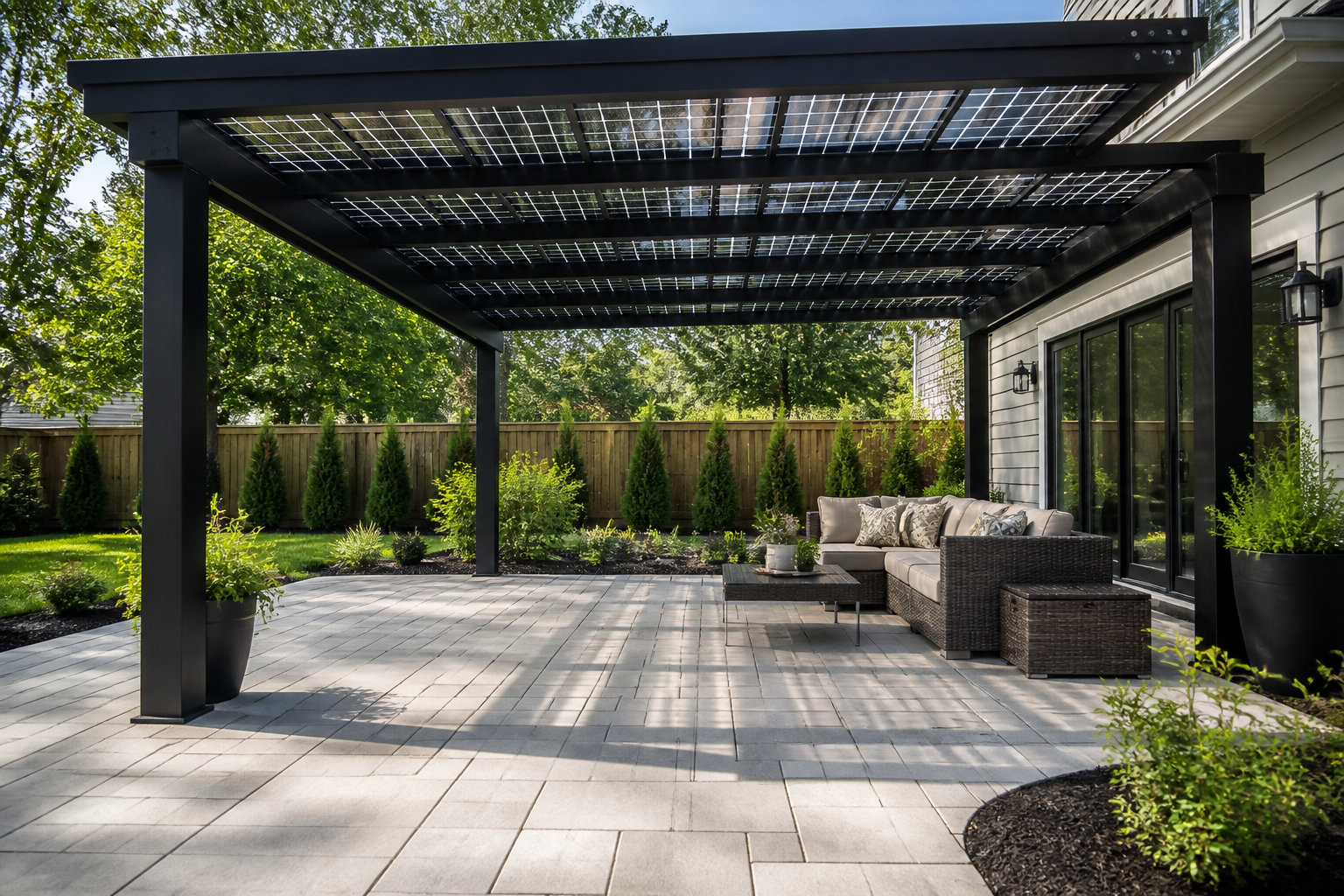
Each 600W panel is 2.2m x 1.1m (2.3 m²). A total 3kW array occupies approximately 11.5 m² of roof space.
Coordinating Pre-Drilled Rafters with Professional Solar Installers
Pre-drilled rafters and bearing boards simplify the entire setup. They allow for a smooth hand-off to a licensed electrician. You can integrate racking equipment without damaging the wood. This precision ensures long-term structural safety.
Understanding how plug and play solar panels work helps you plan the electrical layout. Turn your structure into energy with solar kits for pergolas today.
How to Manage Permits and Professional Installation?
Customizing the design is only half the battle; you must also navigate the legal and physical requirements for a permanent installation.
Securing Building Permits and Structural Compliance
Check local zoning codes early. Secure your electrical permit first. Stamped engineered drawings are mandatory to prove your structure handles wind and snow loads safely.
Zoning laws vary for freestanding versus attached kits. Verify property setbacks. You must submit these documents to your local planning department:
- Proof of ownership
- Site plan
- Engineering specs
- Electrical diagram
Anchoring Methods for Concrete Pads Versus Existing Pavers
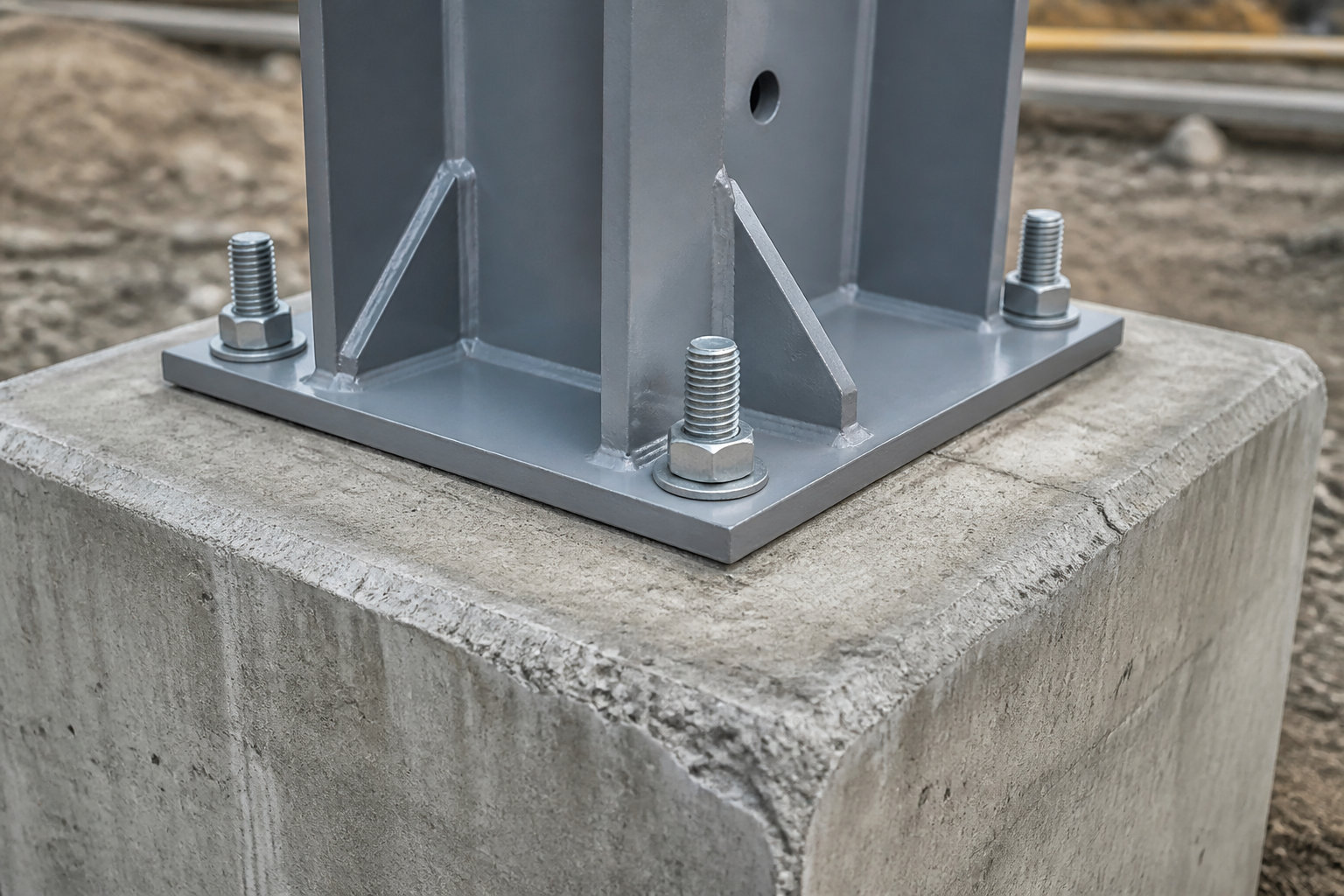
Concrete pads require deep anchor bolts. Existing pavers need removal for dedicated footings. Use galvanized hardware for a storm-proof foundation.
Improper anchoring causes structural failure; stamped drawings are mandatory for safety compliance.
Leveling is vital for panel alignment. Turn your structure into energy with solar kits for pergolas by starting with a flat base.
A structure is only as strong as its foundation; improper anchoring is the leading cause of solar structure failure during high-wind events.
Estimating Assembly Time for DIY Versus Professional Setup
A two-person DIY team needs a full weekend. Hire a contractor for complex custom structures. Professional help ensures structural integrity.
Certified electrical help is non-negotiable for the grid tie-in. Experts ensure your inverter and wiring meet safety codes.
Safety comes first. Review the DIY solar installation safety standards before starting.
Maximizing Your Investment with Energy Storage and Maintenance
Once the structure stands and the permits are signed, focus shifts to long-term performance and expanding your energy capabilities.
Integrating Battery Storage for Off-Grid Power Independence
Adding lithium battery banks allows for 24/7 energy use. Size these units to power outdoor lighting and appliances overnight. It is a smart way to turn your structure into energy with solar kits for pergolas.
Maintain power during local grid outages for total freedom. Check this guide comparing storage types for details. Lithium LiFePO4 batteries offer superior depth of discharge for these setups.
Maintenance Routines for Structural Stability and Panel Yield
Establish a seasonal cleaning schedule to remove dust from solar surfaces. Inspect structural bolts to ensure everything remains tight. Simple wiping keeps efficiency high and consistent.
Apply wood treatment or steel coatings to prevent degradation. Use regular inspections to ensure structural longevity and safety. Keeping cable paths clean prevents unexpected electrical wear or issues.
Transforming Your Carport into a High-Speed EV Charging Station
Solar carports and EV charging create perfect synergy. Plan specific wiring for Level 2 chargers within these outdoor structures. Generating your own fuel leads to massive long-term savings.
| Feature | Cedar Pergola | Steel Carport | Recommendation |
|---|---|---|---|
| Durability | Moderate | High | Steel for longevity |
| Maintenance | High | Low | Steel is easier |
| Solar Weight | 17-22 kg/m² | High | Check local codes |
| EV Ready | ✔ | ✔ | Both work well |
| Best For | Aesthetics | Utility | Choose by site |
Maximize your property’s value by integrating structural durability with high-yield energy production. By selecting engineered solar kits for pergolas and carports, you secure a storm-proof foundation for long-term savings. Act now to transform your outdoor space into a powerhouse of sustainable freedom and modern efficiency.
FAQ
How much weight can a solar pergola structure actually support?
When you transform your outdoor space with a solar kit, structural integrity is our top priority. A standard solar setup adds a static load of approximately 17 to 22 kg/m² (3.5 to 4.5 lbs/sq ft) to your structure, accounting for the panels, mounting rails, and heavy-duty cabling. While high-quality cedar offers a beautiful, natural aesthetic, galvanized steel remains the champion for maximum weight capacity and long-term durability against environmental stress.
Beyond the weight of the equipment itself, your structure must be engineered to handle extreme environmental pressures. We ensure safety by designing for wind ratings of at least 115 MPH and snow loads of 30 PSF. This robust engineering prevents structural failure during severe weather, protecting both your investment and your home.
Is it possible to install solar panels on my existing pergola?
Absolutely! You can turn your current structure into a clean energy powerhouse by integrating a specialized solar kit. The process involves installing mounting rails and specialized clamps directly onto your rafters to secure the photovoltaic modules. This allows you to maintain the functional shade of your patio while simultaneously slashing your monthly electricity bills.
Before you begin, it is vital to verify that your existing frame can handle the specific uplift forces caused by wind getting under the panels. We recommend professional engineering inspections and the use of stamped drawings to ensure your modified structure meets all local safety codes and zoning requirements for permanent installations.
What are the primary benefits of choosing a solar pergola kit?
Choosing a solar kit is the ultimate “win-win” for your property, combining aesthetic elegance with functional energy production. Unlike traditional rooftop systems, these kits offer incredible flexibility in placement, whether it’s over a pool deck, a driveway, or a backyard lounge, giving you total control over your outdoor design while generating green electricity.
Beyond the immediate reduction in energy costs, these structures significantly increase your property value. They provide a comfortable, shaded living space that can even be upgraded into a high-speed EV charging station. By capturing the sun’s power, you are not just building a patio; you are investing in energy independence and a sustainable future.
How do I maintain my solar pergola for maximum efficiency?
Keeping your system at peak performance is surprisingly simple and stress-free. We recommend a seasonal cleaning schedule to remove dust or debris from the glass surfaces, ensuring your panels capture every possible ray of light. Additionally, conducting regular inspections of the structural bolts and cable pathways will prevent minor wear from becoming a major issue.
For those using wooden structures like cedar, occasional staining or sealing is necessary to prevent rot. If you have a steel frame, checking the protective coating ensures long-term resistance to moisture. These small steps guarantee that your solar kit continues to deliver maximum energy yield for decades to come.
Do I need special permits to build a solar-ready structure?
Yes, because a solar pergola is a permanent addition to your home, you will typically need both building and electrical permits. Local authorities require these to ensure the structure is safely anchored against wind uplift and that the electrical integration, whether grid-tied or off-grid, is handled by a licensed professional to prevent fire hazards.
To streamline this process, you should have a complete documentation package ready, including your proof of ownership, site plan, and stamped engineering specs. Navigating these requirements early ensures your project stays on track and complies with all safety standards, giving you total peace of mind as you flip the switch on your new energy source.