Lithium-ion batteries typically deliver over 3,000 cycles with minimal intervention, yet even these high-performance units can fail prematurely without proper oversight. We often forget that a single loose connection or a neglected software update can compromise your entire energy independence. You might think your system is running perfectly until a sudden blackout reveals a hidden capacity drop.
We are here to help you master off-grid solar battery maintenance tips to protect your investment and ensure consistent power. We will break down the specific routines for both lithium and lead-acid chemistries to keep your lights on year-round.
- Tailoring Care to Lithium vs Lead-Acid Chemistry
- Mastering Charge Rates and System Calibration
- Shielding Your Bank from Temperature and Physical Wear
- Predicting Failure with Smart Data and Seasonal Shifts
Tailoring Care to Lithium vs Lead-Acid Chemistry
Lithium (LFP) batteries offer 3,000+ cycles with minimal maintenance, while flooded lead-acid units require monthly watering and specific gravity checks. Maintaining a 20-80% charge range and 15-30°C temperature window prevents premature capacity loss across all chemistries.
Transitioning from traditional setups to modern storage requires a shift in how we handle daily upkeep.
Comparing Maintenance Needs for LFP and Flooded Units
Lead-acid batteries demand heavy physical labor. You must perform monthly distilled water refills and scrub terminal acid spray to prevent corrosion. It is a hands-on, messy process.
LFP batteries are completely sealed. They do not off-gas at all. This means you can finally skip those tedious electrolyte level checks forever.
Structural needs differ greatly between these types. Lead-acid requires a dedicated, ventilated space for safety. Conversely, compact lithium units can sit safely indoors, directly impacting your shed design. Check out our guide on lithium vs lead-acid solar storage to see which fits your budget.
Software Oversight vs Physical Intervention
Lithium maintenance shifts to digital monitoring. The internal BMS handles safety protocols automatically. We must track software alerts instead of using a bulky hydrometer. Lead-acid remains purely mechanical, relying on manual voltage readings and visual inspections.
Firmware updates are vital for modern lithium banks. Keeping the BMS current ensures accurate State-of-Charge reporting. This digital vigilance replaces the old-school wrench-and-water routine. Following these off-grid solar battery maintenance tips ensures your investment lasts for years.
Mastering Charge Rates and System Calibration
While choosing the right chemistry sets the foundation, managing how energy flows in and out determines how many years those cells actually last.
BMS Balancing and Periodic Calibration Cycles
The BMS balances cells by bleeding excess voltage from high cells. This ensures every cell reaches full capacity simultaneously. It prevents individual cell drift from weakening your bank.
A full 100% charge cycle is necessary. This resets the internal counter for State-of-Charge accuracy. It provides a clean reference for your hardware.
A Battery Management System is the brain of your lithium bank, preventing individual cell drift that could lead to premature pack failure.
Perform this calibration every three months. Without it, monitors show incorrect levels, causing blackouts. Accurate data keeps your power expectations realistic.
Impact of C-Rates on Hardware Degradation
C-rates measure the speed of charging or discharging. High rates generate internal heat. Heat is the primary enemy of chemical longevity.
Size your bank to keep discharge below 0.5C. Slow energy draws preserve internal plates. This approach extends the life of your solar panel battery system.
Keep discharge rates below 0.5C to prevent internal heat and chemical degradation.
Match bank sizing to inverter demand. If loads are heavy, add batteries to spread the current. This reduces stress on units. Reliability depends on these habits.
Shielding Your Bank from Temperature and Physical Wear
Even a perfectly calibrated system will fail if it is left to bake in the sun or freeze in a winter gale.
Maintaining the 15-30 Degree Thermal Sweet Spot
A stable 25°C is the ideal operating temperature. Cold weather slows chemical reactions and reduces capacity, while extreme heat accelerates internal component degradation.
Use insulated boxes for outdoor setups. Ventilation is also vital to prevent heat buildup during heavy charging cycles.
Lithium batteries should never be charged below freezing to avoid permanent plating damage. Use heating pads or climate-controlled rooms to keep the bank within the safe 15-30°C range. This simple control can double your battery’s lifespan.
Never charge lithium batteries below 0°C (32°F) as it causes permanent lithium plating damage.
Inspection Routines for Terminals and Corrosion
Perform a monthly physical check for loose bolts or white powdery corrosion. Tight connections prevent high-resistance heat and potential fire hazards.
Clean terminals using baking soda and water. Always wear gloves and eye protection when handling lead-acid components.
Use a hydrometer to check electrolyte density in flooded cells. This reveals if a single cell is failing before the whole bank dies. Follow these essential off-grid solar battery maintenance tips for lasting power.
- Check bolt torque
- Clean terminal oxidation
- Verify electrolyte levels
- Inspect wiring insulation
Predicting Failure with Smart Data and Seasonal Shifts
The final layer of protection involves looking forward, using modern data tools to anticipate problems before they become emergencies.
Leveraging IoT Tools for Real-Time Performance Alerts
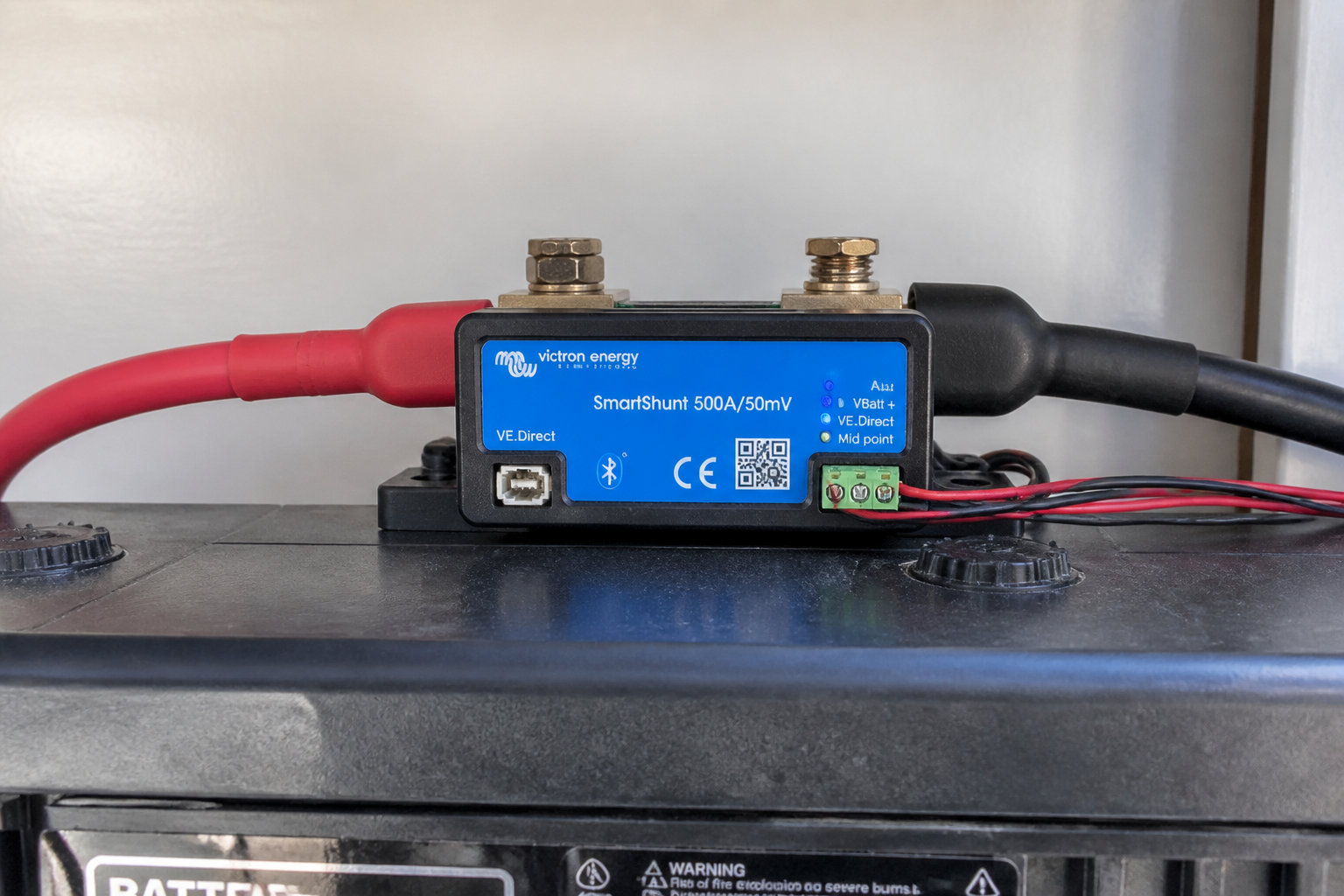
Smart shunts and apps track voltage trends to reveal battery aging. Data-driven decisions beat guessing every time. Spotting capacity drops is simple; if voltage sags faster than usual under load, your bank is nearing end-of-life.
Set up push notifications for low-voltage events. These warnings allow you to reduce loads or start a generator. Essential off-grid solar battery maintenance tips prioritize proactive monitoring over reactive repairs.
| Metric | Healthy Range | Warning Sign | Action |
|---|---|---|---|
| Voltage | 12.7V – 13.2V | Below 12.0V | Recharge |
| Temp | 15°C – 25°C | Above 45°C | Cooling |
| Cell Dev | < 0.05V | > 0.10V | Balance |
| SoC | 20% – 100% | Below 20% | Cut loads |
Seasonal Adjustments for Winter and Summer Usage
Adjust settings for winter. Short days require prioritizing charging. Lower the low-voltage disconnect to protect banks from freezes during emergency backup power events.
Summer allows for heavier loads. Ensure cooling is active to protect your solar kit ROI. Heat kills batteries quickly.
For long-term storage, charge lithium to 50% and disconnect the main breaker to prevent parasitic draws from draining the bank to zero.
Maximize your energy independence by prioritizing thermal control, precise BMS calibration, and routine terminal inspections. Implementing these off-grid solar battery maintenance tips ensures peak efficiency and prevents costly failures. Secure your power future today by maintaining a healthy system that lasts for decades.
FAQ
What are the main maintenance differences between lithium and lead-acid solar batteries?
We see a massive shift toward simplicity when moving from lead-acid to lithium. Lead-acid batteries demand active labor, including monthly distilled water refills and regular cleaning of acidic oxidation from the terminals. You also need to manage specialized ventilation for the gases they release during charging.
In contrast, lithium (LFP) batteries are virtually maintenance-free. They are sealed units that do not off-gas or require water. Their integrated Battery Management System (BMS) handles the heavy lifting by automatically balancing cells and protecting the unit from incorrect usage, making your off-grid life much easier.
How often should I calibrate my solar battery bank?
We recommend performing a full 100% charge cycle to calibrate your BMS every three months. This process resets the internal State-of-Charge (SoC) counter, ensuring your monitor doesn’t provide false readings. Accurate data is your best defense against unexpected blackouts.
You should also trigger a calibration cycle during initial installation, after any firmware updates, or if you notice your system shutting down while the display still shows a high percentage. Staying digitally vigilant keeps your power expectations realistic and your cells healthy.
What is the ideal temperature range for off-grid solar batteries?
To maximize performance and longevity, you should keep your batteries within the 15°C to 35°C (59°F to 95°F) thermal sweet spot. Operating at 25°C is the gold standard for efficiency. Extreme heat accelerates internal degradation, while cold weather significantly reduces your available capacity.
It is critical to remember that lithium batteries must never be charged below freezing (0°C), as this causes permanent plating damage. Using insulated boxes or climate-controlled rooms will help you maintain these safe limits, potentially doubling your battery’s lifespan compared to exposed setups.
How can I identify and prevent terminal corrosion?
You should perform a monthly physical inspection to look for white, blue, or green powdery deposits on your terminals. This corrosion, common in lead-acid systems, creates high resistance that leads to power loss and heat. Ensure all connections are tight to prevent fire hazards and energy sag.
If you find buildup, clean it using a solution of baking soda and water to neutralize the acid, then dry the terminals thoroughly. Applying a protective dielectric grease after cleaning creates a vital barrier against moisture. For a permanent fix, switching to lithium eliminates these acidic vapors entirely.
Why is monitoring the C-rate important for battery health?
The C-rate measures how fast you charge or discharge your bank relative to its capacity. High C-rates generate intense internal heat, which is the primary enemy of chemical longevity. We suggest sizing your bank so that typical discharge remains below 0.5C to preserve the delicate internal plates.
Consistently drawing too much power from a small bank stresses the hardware and leads to premature failure. By spreading the current across more batteries, you reduce individual stress. Modern BMS units help by monitoring these rates, but conservative usage habits remain the best way to ensure long-term reliability.
Should I change my charge controller settings for the winter?
Yes, seasonal adjustments are vital for system health. During winter, shorter days mean you must prioritize charging over usage. We recommend activating temperature compensation to adjust voltage for the cold and lowering your low-voltage disconnect to protect the bank from deep freezes.
In the summer, you can take advantage of excess sun for heavy loads like fans, but you must ensure your cooling systems are active. If you plan to store your lithium system for the season, charge it to 50% and disconnect the main breaker to prevent parasitic draws from draining the bank to zero.