Modern LiFePO4 batteries often provide over 6,000 cycles, yet many owners inadvertently slash this lifespan by 50% through poor discharge habits. You might be wondering if every small energy draw is silently killing your expensive investment.
We are here to simplify understanding battery cycles for solar storage so you can master your system and protect your long-term savings. Let’s break down the mechanics of cumulative discharge and state of health together.
- Defining Battery Cycles for Solar Storage Systems
- Why Depth of Discharge Matters for Your Investment
- Can You Calculate the True Cost With LCOS?
- Practical Habits to Extend Your Battery Lifespan
Defining Battery Cycles for Solar Storage Systems
A solar battery cycle represents a cumulative 100% discharge and recharge, regardless of frequency. LiFePO4 units typically offer 6,000+ cycles, far exceeding lead-acid limits, provided the depth of discharge stays within manufacturer-specified thresholds.
A battery cycle is the process of charging and discharging energy. It represents a cumulative movement of energy equal to 100% of the battery’s capacity.
The last fact about cumulative discharge leads directly into how small energy draws aggregate into full cycles.
The Cumulative Discharge Rule
We define a cycle as the total movement of energy equal to the battery’s capacity. It is a cumulative metric. One cycle equals 100% total usage.
Two 50% discharges equal one cycle. This calculation remains consistent across all storage brands. It tracks total energy throughput over time.
Simple math defines the lifespan. Total capacity usage determines longevity.
Dispelling the Partial Discharge Myth
Are you worried that small 10% discharges count as full cycles? Modern lithium systems are smarter than that. They aggregate these small draws. The hardware tracks precise energy flow.
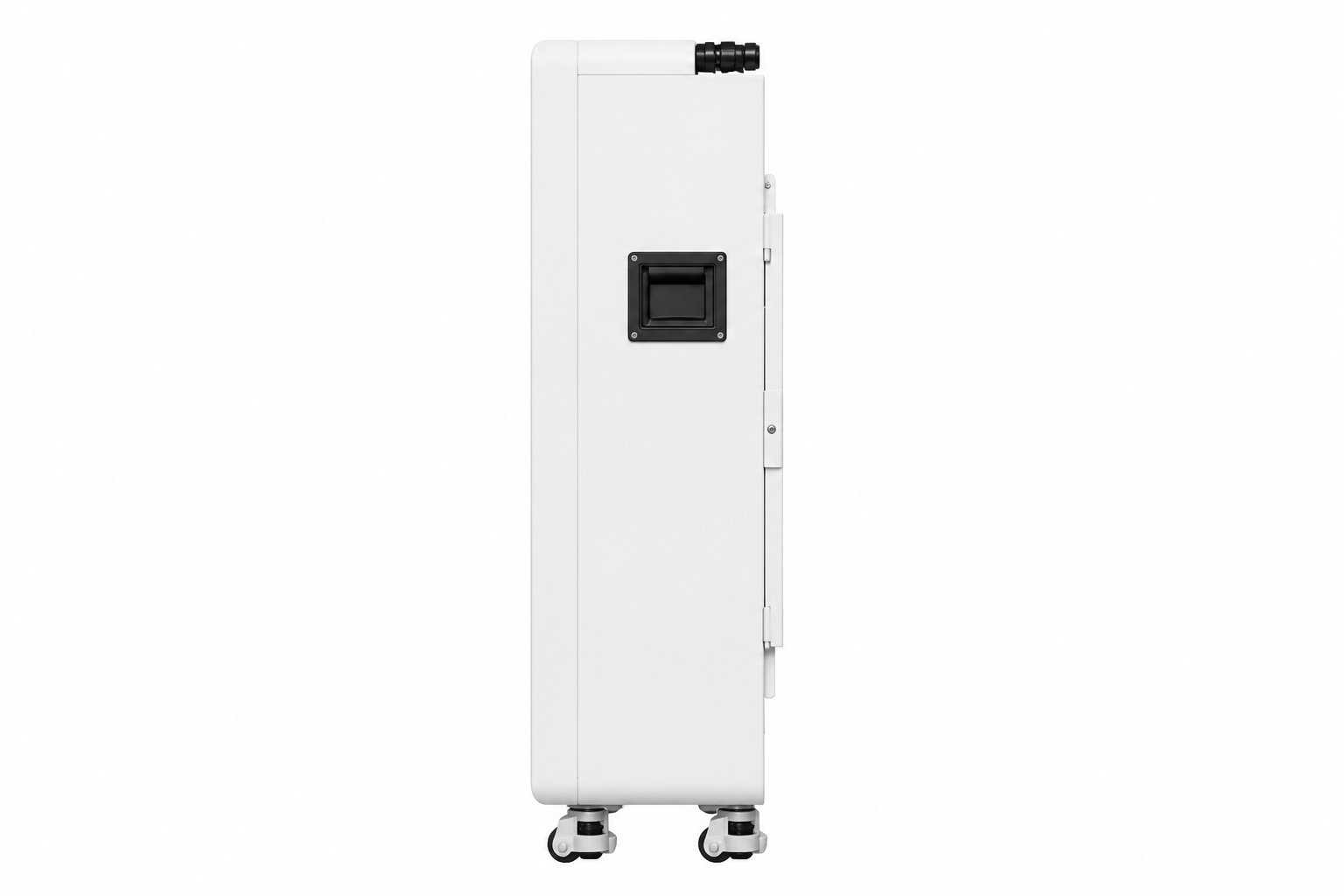
Inverters log throughput via the BMS. This data ensures warranty compliance for you.
“A 10% discharge is not a full cycle; modern systems only count a cycle once the cumulative discharge reaches 100% capacity.”
Why Depth of Discharge Matters for Your Investment
Understanding how cycles accumulate is just the start; the intensity of those cycles determines how many years your hardware survives.
Comparing LiFePO4 and Lead-acid Limits
Lead-acid batteries suffer under heavy use. In contrast, lithium handles deep discharges without breaking a sweat. LiFePO4 is the current industry gold standard for durability.
Choosing lithium vs lead acid for solar storage impacts long-term costs. Lithium simply lasts longer.
LFP technology dominates the market today. It offers thousands more cycles than older alternatives.
Monitoring State of Health versus Charge
State of Health (SOH) represents permanent capacity and long-term degradation; State of Charge (SOC) is the temporary ‘fuel gauge’ of current energy.
State of Health (SOH) tracks permanent capacity loss. It reflects long-term degradation. State of Charge (SOC) is just a temporary fuel gauge.
Why does SOH matter for resale? It shows the true remaining life of your investment.
High SOC doesn’t mean a healthy battery. Track SOH for accuracy.
Avoiding the Extremes of Zero and One Hundred
Chemical stress occurs at 0% and 100%. Keeping a battery fully empty causes permanent damage. Lithium prefers the middle range for stability. We recommend aiming for a 20% to 80% window to maximize longevity.
| Battery Type | Recommended DoD | Typical Cycle Life | Stress Level at 0% |
|---|---|---|---|
| Lead-Acid | 50% | 500 – 1,000 | Very High |
| LiFePO4 | 80% – 100% | 6,000 – 10,000 | Low |
| Lithium-Ion (NMC) | 80% | 2,000 – 3,000 | Moderate |
Smart management prevents premature failure. Staying within these bounds protects your cells. Understanding battery cycles for your solar storage system ensures you get the most out of every watt.

Can You Calculate the True Cost With LCOS?
Understanding battery cycles for your solar storage system requires moving past simple stickers and diving into the financial mechanics of energy flow. We often focus on the upfront price, but the real story lies in the Levelized Cost of Storage (LCOS) and the fine print of your warranty.
Understanding Throughput and Warranty Terms
Manufacturers guarantee a specific MWh throughput. This represents the total energy allowed over the battery’s lifetime. Read the fine print carefully to avoid surprises.

Choosing a solar panel battery with an appropriate anchor ensures long-term reliability. We see many homeowners overlook these specific performance metrics. Your warranty depends on staying within these defined limits.
Divide the purchase price by total guaranteed cycles. This simple math gives the cost per cycle. It reveals the true investment value of your hardware.
Balancing Tariff Arbitrage With Hardware Wear
Charging from the grid during off-peak hours can save money. However, each charge uses a cycle. You must weigh savings against hardware wear. Is the 10-cent saving worth the cycle cost?
- Check grid electricity price
- Calculate cost per battery cycle
- Determine net profit per kWh stored
- Adjust settings for seasonal rates
Only use arbitrage if the spread is high. Don’t waste cycles for pennies. Focus on high-value energy shifts instead.
Practical Habits to Extend Your Battery Lifespan
Maximizing your LCOS requires more than just math; it demands active management of the physical environment and system software. Transitioning from theory to action is where you truly protect your investment.
Maintaining Ideal Operating Temperatures
Heat is the primary enemy of battery cells. Keep the environment between 15°C and 25°C. Proper ventilation is mandatory for safety.
Keep batteries between 15°C and 25°C. Ensure proper ventilation and shade outdoor units to prevent heat-induced degradation.
We help you optimize mobile solar energy in extreme climates with ease. Efficiency starts with thermal control.
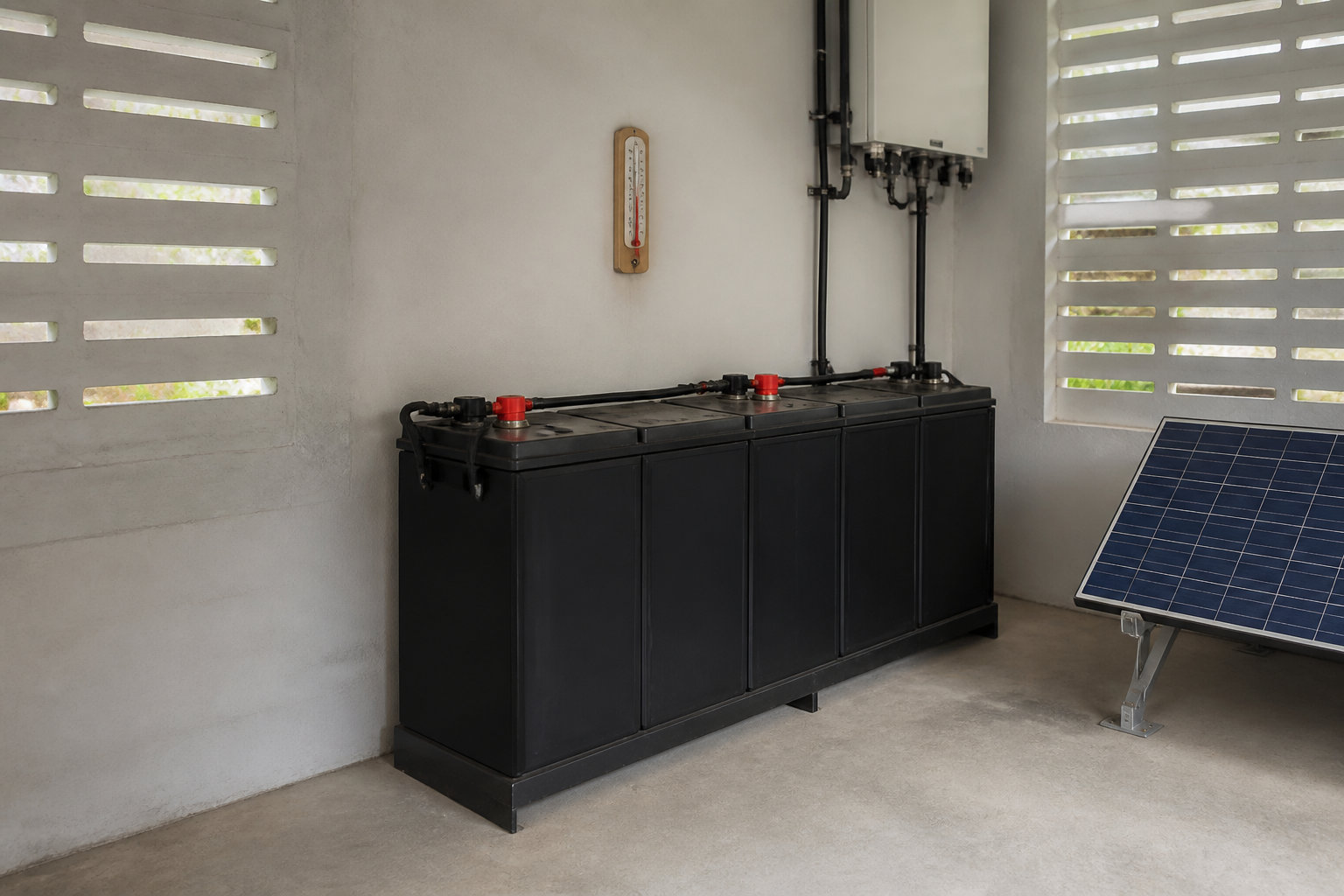
Shade outdoor units immediately. Extreme cold also reduces temporary capacity.
Utilizing BMS Data for Health Tracking
The Battery Management System (BMS) acts as a digital guardian. Check your mobile app for cycle logs. It monitors individual cell voltages.
Firmware updates are vital for cell balancing. They prevent premature aging of the pack.
Adjusting Seasonal Storage Settings
Switch to backup-first mode during stormy winter months. This keeps the battery charged for emergencies. Self-consumption is best for sunny summers.
“Adjusting your storage strategy seasonally preserves your investment by reducing unnecessary cycling during low-sun periods.”
Smart settings ensure longevity. You control how your energy flows year-round.
Mastering battery cycles for solar storage ensures long-term efficiency by prioritizing high-cycle LiFePO4 technology and maintaining optimal temperatures. By managing depth of discharge and monitoring your BMS, you protect your investment and slash lifetime costs. Start optimizing your settings today to power a sustainable, energy-independent future.
FAQ
What exactly counts as a single battery cycle in a solar system?
A battery cycle is defined as the cumulative discharge and recharge of 100% of your unit’s total capacity. It is important to understand that this does not have to happen all at once; if you use 50% of your battery today and 50% tomorrow, that aggregates into one full cycle. Modern inverters and management systems are designed to track these precise energy flows automatically.
We often see users worry that small 10% draws count as full cycles, but this is a common myth. Your hardware is smarter than that! It logs the total energy throughput, ensuring that your warranty compliance remains intact while accurately reflecting the actual wear and tear on the cells.
How do LiFePO4 and lead-acid batteries compare regarding cycle life and discharge limits?
The difference is truly night and day. LiFePO4 (Lithium Iron Phosphate) is the undisputed gold standard, typically offering between 6,000 and 10,000 cycles. In contrast, traditional lead-acid batteries are much more fragile, usually limited to 500, 800 cycles, making lithium the far superior long-term investment for your home.
Depth of Discharge (DoD) is also a critical factor. While lead-acid units suffer significant damage if pushed beyond a 50% discharge, LiFePO4 systems can handle 80% to 90% DoD with ease. Choosing lithium vs lead acid for solar storage means you get more usable energy and a lifespan that can last up to 20 years or more.
What is LCOS and why is it important for my solar investment?
Levelized Cost of Storage (LCOS) is the most accurate way to measure the true value of your solar panel battery. Instead of just looking at the sticker price, LCOS calculates the cost per kilowatt-hour (kWh) over the entire lifespan of the system. You simply divide the total purchase price by the guaranteed cycle life and throughput.
We recommend using LCOS to compare different technologies because a cheaper battery with fewer cycles often ends up costing much more per kWh than a premium LiFePO4 unit. By focusing on total energy throughput rather than initial cost, you ensure that your investment delivers the maximum possible financial return.
How can I extend the lifespan of my solar storage system?
Maximizing your battery’s health starts with temperature control. Heat is the primary enemy of energy storage, so we suggest keeping your unit in a ventilated environment between 15°C and 25°C. You should also optimize mobile solar energy in extreme climates by providing shade or insulation to prevent cell degradation.
Beyond the environment, your Battery Management System (BMS) is your best friend. Always keep your firmware updated to ensure proper cell balancing and use the mobile app to monitor your State of Health (SOH). Staying within a 20% to 80% charge window during daily use is a proven habit that keeps chemical stress to a minimum.
Is it worth using my battery for tariff arbitrage?
Tariff arbitrage, charging from the grid when prices are low, can be a great way to save, but you must weigh the savings against hardware wear. Since every charge and discharge uses a portion of a cycle, you should only engage in this practice if the price gap is wide enough to cover the cost per cycle of your specific battery.
We suggest a simple four-step approach: check your grid prices, calculate your cycle cost, determine the net profit per kWh, and adjust your settings seasonally. Don’t waste your battery’s life for pennies; prioritize self-consumption of your own solar energy to get the best value out of your cycles.