Standard solar warranties typically split protection between a 10 to 25-year hardware guarantee and a 25-year performance promise to maintain 80% output. However, many owners discover too late that their coverage vanishes the moment they tighten a bolt incorrectly or fail to document their DIY setup. You might be investing in a system that leaves you stranded with high shipping costs and zero support when an inverter fails.
We are here to help you navigate this plug and play solar panel kit warranty comparison so you can secure your investment. We will break down the hidden clauses and performance traps to ensure your green energy future stays fully protected.
- Plug and Play Solar Panel Kit Warranty Comparison: The Essentials
- Does DIY Installation Void Your Kit’s Warranty?
- 3 Hidden Exclusions That Could Cost You Thousands
- How to Spot a Marketing Gimmick From a Real Guarantee
Plug and Play Solar Panel Kit Warranty Comparison: The Essentials
Standard plug-and-play warranties split between 10-12 year hardware coverage and 25-year performance guarantees at 80% output. Inverters fail most frequently, making their specific protection terms the primary factor for long-term ROI. Hardware failure leads directly into the distinction between physical defects and output promises.
Hardware Warranty: Covers manufacturing defects like frame corrosion. Performance Guarantee: Ensures efficiency levels (e.g., 80% output) over 25 years.
Product Defects Versus Performance Guarantees
The product warranty covers physical flaws like frame corrosion or glass shattering. It usually lasts between ten and fifteen years for kits. This protects your initial investment from factory errors.
Performance guarantees focus on efficiency degradation over two decades. Linear output promises ensure the cells produce electricity even as they age naturally. You get predictable energy production every year.
A dead panel from a short circuit falls under hardware, not performance. These are distinct legal protections. Always check which specific clause applies to your issue.
Why the Inverter Warranty Matters More Than the Panel
Micro-inverters handle complex electrical conversion and heat stress daily. They fail much faster than static solar cells. Focus on component reliability over simple panel aesthetics.

Insist on kits offering a ten-year inverter warranty. Short five-year terms often signal cheaper, generic electronics. Check if the brand provides dedicated support for these parts.
Start by evaluating if solar technology is improving. This helps protect your future investment.
Does DIY Installation Void Your Kit’s Warranty?
While hardware quality is vital, the way you assemble the kit determines if those protections remain valid or vanish instantly.
Take timestamped photos of the unboxing and every step of the installation to counter ‘improper handling’ claims.
Documenting Your Setup to Prevent Claim Denials
Take timestamped photos during the entire unboxing process. Document the wiring connections and mounting brackets clearly. This evidence proves you followed the official manual instructions during setup.
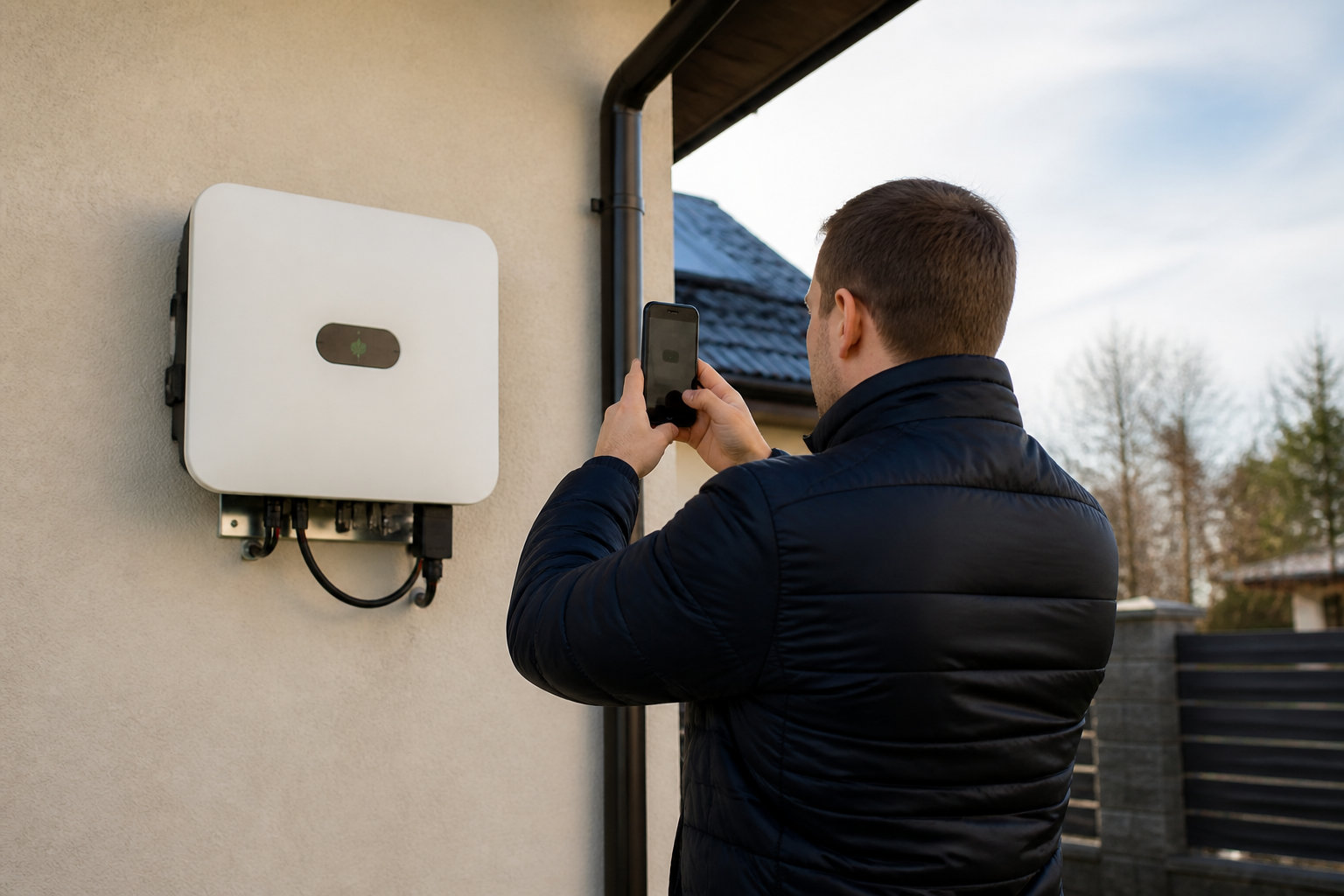
Manufacturers often blame “improper handling” to reject claims. Common errors include over-tightening bolts or using incompatible extension cords. Detailed logs prevent these excuses.
Proper documentation is the only shield a DIYer has against corporate claim adjusters looking for installation loopholes.
Check out community discussions regarding interconnection agreements to see how documentation helps. Stay organized to win.
Safety Certifications and Their Legal Weight
Look for UL 1741 or CEC certification marks on the equipment. These labels prove the kit meets national safety standards. Certified gear is harder for manufacturers to dispute legally.
Uncertified kits are often excluded from standard homeowners’ insurance policies too. Using tested hardware reduces the risk of being accused of “negligent use.” It keeps the manufacturer’s liability active.
Always verify these specific standards before buying:
- UL 1741 for inverters
- IEC 61215 for panel durability
- CEC listing for state rebates
3 Hidden Exclusions That Could Cost You Thousands
Even with certifications in hand, the fine print often contains traps that turn a “free” replacement into a massive expense.
The Shipping and Labor Cost Nightmare
Most warranties only cover the replacement part itself. You are usually responsible for freight shipping costs. Sending a 50-pound panel back to a factory is surprisingly expensive.

Labor for swapping a faulty micro-inverter is rarely included in DIY kit terms. You must do the work yourself or pay a local electrician. This “hidden” cost can exceed the value of the component.
Check out this https://www.youtube.com/watch?v=glgsGjvxvz8&vl=en for a comparison of real solar system costs. It helps clarify what you actually pay when things break down.
Pro-rated Versus Full Replacement Models
A pro-rated warranty loses value as the system gets older. After ten years, you might only receive 50% of the original price. This rarely covers a new replacement.
Full replacement models are superior but rarer for budget kits. They guarantee a functional equivalent regardless of the current market price. Always check which math the manufacturer uses.
| Warranty Type | Value Over Time | Labor Coverage | Best For |
|---|---|---|---|
| Full Replacement | Fixed value | Yes | Pro kits |
| Pro-rated | Declining value | No | DIY kits |
| Limited Hardware | Declining value | No | DIY kits |
Understanding these differences is vital for your Plug and play solar panel kit warranty comparison: what to look for. Don’t let a declining value catch you off guard years later. ☀️
How to Spot a Marketing Gimmick From a Real Guarantee
Beyond the math of depreciation, you need to know if the company behind the promise will even exist when you need them. ⚡
Evaluating Manufacturer Solvency and Support Access
Many solar startups offer 25-year warranties but go bankrupt within five. These “orphan warranties” are worthless pieces of paper. Stick to established Tier 1 brands for security.
A 25-year warranty is only valid if the manufacturer remains solvent. Prioritize Tier 1 brands to avoid orphan warranties. 🛡️
Test the support channel before buying. Send a technical question to their email or call their helpline. If you only get an automated bot, expect trouble during a real claim.

Check resources for verifying installer and manufacturer reliability to protect your investment. Smart buyers verify credentials first. 🔍
Pre-purchase Checklist for Comparing Warranty Documents
Verify the transferability clause if you plan to sell your home. A non-transferable warranty adds zero value to your property. Ensure the document explicitly allows new owners to claim.
- Check for shipping cost coverage
- Confirm inverter duration
- Look for ‘Force Majeure’ exclusions
- Verify transfer fees
- Check maintenance requirements
Keep a digital folder with your original invoice and photos. Regular cleaning and basic inspections are often required to keep the legal protection active. Don’t give them a reason to say no. ✅
Secure your long-term ROI by prioritizing 10-year inverter coverage and full replacement terms over pro-rated models. Use this plug and play solar panel kit warranty comparison to verify UL 1741 safety marks and document your DIY setup to prevent claim denials. Protect your energy future today, don’t let the fine print dim your power!
FAQ
What is the difference between hardware and performance warranties for solar kits?
Understanding these two protections is vital for your peace of mind! A hardware warranty covers physical defects like frame corrosion or glass shattering, typically lasting 10 to 15 years. It ensures your equipment is built to last and remains physically intact. 🛠️
On the other hand, a performance guarantee focuses on energy efficiency over time. Most kits promise that cells will maintain 80-90% output after 10 years and around 70-80% after 25 years. This ensures your investment continues to generate power even as the cells age naturally. ⚡
Why should I prioritize the inverter coverage over the panels?
While panels are sturdy, micro-inverters handle intense heat stress and complex electrical conversion every single day. They are statistically more likely to fail than static solar cells. This makes their specific protection terms a primary factor for your long-term ROI. 📈
We recommend looking for kits that offer at least a ten-year inverter warranty. Many standard options only provide 5 years, but brands like SMA allow you to extend this to 10 years through product registration. Always check if the brand provides dedicated support for these high-stress components. 🔌
Will installing the kit myself void my manufacturer warranty?
DIY installation doesn’t have to void your protection, but you must be careful! Manufacturers often look for “improper handling” to reject claims. To protect yourself, always follow the official manual instructions to the letter and keep timestamped photos of your wiring and mounting process. 📸
Using equipment with UL 1741 or CEC certifications is also a huge advantage. These safety marks prove your setup meets national standards, making it much harder for a company to claim your installation was negligent. Proper documentation is your best shield! 🛡️
Are shipping and labor costs covered if I need a replacement?
This is a common “hidden” trap you need to watch out for! Most warranties only cover the replacement part itself. This means you are usually responsible for the expensive freight shipping costs to send a heavy panel back to the factory. 🚛
Furthermore, labor costs for swapping out a faulty micro-inverter are rarely included in DIY kit terms. You will likely need to perform the swap yourself or pay a local professional. Always read the fine print to see if you are choosing a full replacement or a pro-rated model that loses value over time. 💸
How can I tell if a solar company will actually honor their guarantee?
A 25-year promise is only as good as the company behind it! To avoid “orphan warranties,” we suggest sticking to established Tier 1 brands. Before buying, test their support by sending a technical question; if you only get a bot, it’s a major red flag for future claims. 🚩
Also, check the transferability clause. If you sell your home, a transferable warranty adds real value to your property. Keep a digital folder with your original invoice and photos to ensure you have everything needed to keep your legal protection active for years to come. 📂