A DIY solar kit’s price is only part of the story.
Whether you can claim the solar tax credit for DIY kits depends on ownership, equipment, and when the install finishes. Here’s how each rule works, so you can check before you buy.
Solar tax credits for DIY kits ended for new 2026 installations
The federal Residential Clean Energy Credit under Section 25D covered 30% of eligible residential solar costs from 2022 through 2025. It does not apply to property placed in service after December 31, 2025.
If you install a DIY kit in 2026, you cannot get the credit. That is true even if you bought the equipment or paid a deposit in 2025. What counts is when the installation is finished, not when you paid.
A deposit or full payment made in 2025 does not qualify a kit installed in 2026. Only the completion date of the installation counts.
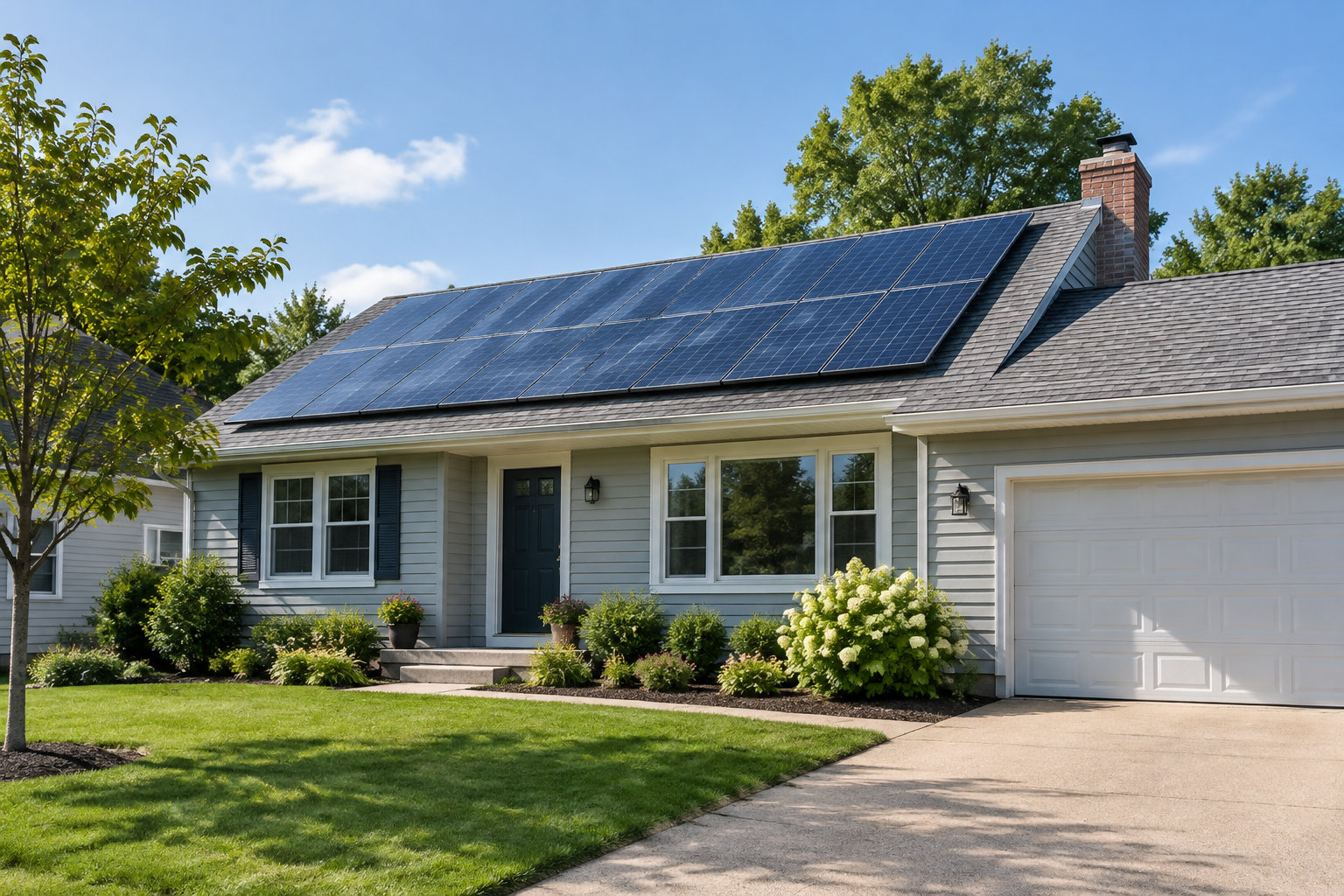
If your DIY system was fully installed in 2025 and meets the other requirements, claim the credit on your 2025 federal income tax return. Use Form 5695, Residential Clean Energy Credits, with Form 1040 or Form 1040-SR.
DIY solar eligibility depends on the home, ownership, and equipment
The property must be a qualifying U.S. residence
The former credit applied to qualified clean energy property installed in your main home or a second home located in the United States. A home under construction could also qualify, subject to the rule for when costs counted as made.
You could claim eligible solar property installed at:
- Your main home: the home where you live most of the time.
- A second home: a U.S. residence you use part-time and do not rent to others.
You must pay for and own the system
You had to pay for the property and own it outright. Leasing or renting the equipment did not qualify. A DIY installation and a contractor installation followed the same rules, since the law looked at the property, the residence, ownership, and the installation date rather than at who did the work.
The equipment also had to be new. A used panel, inverter, battery, or other clean energy component did not qualify.
For a kit sold as a single package, separate qualified equipment that produces or stores electricity from accessories that only support the project. The credit covered eligible equipment and installation costs, not every item in the box.
The former 30% credit covered qualifying equipment and labor
The credit was 30% of eligible costs. Section 25D had no general annual or lifetime dollar cap for solar electric property. Some other property had special limits, such as fuel cells.
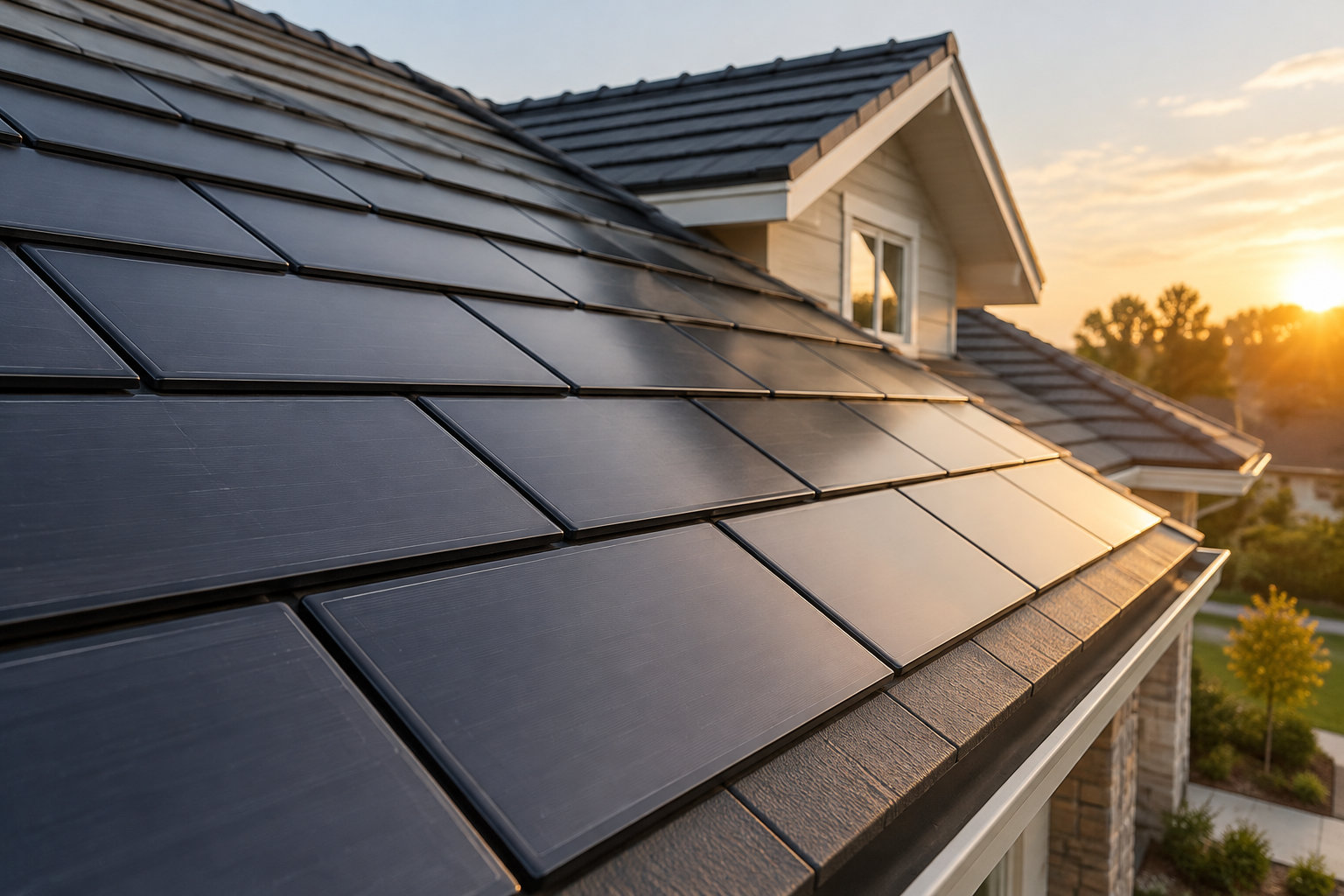
Qualifying solar electric property was equipment that turned sunlight into electricity for a U.S. home. Solar panels were the usual example. Solar shingles and solar roofing tiles could also qualify, since they produce electricity.
Two conditions for a battery
Capacity
A battery qualifies only when it meets both conditions below, so check each one before you buy.
Connection
Installed in connection with the qualifying U.S. home, the battery must also be tied to that home.
A battery qualifies only when it meets both conditions below.
- Capacity: at least 3 kilowatt-hours.
- Connection: installed in connection with the qualifying U.S. home.
Your invoice did not need to match the wording on Form 5695 exactly. It did need enough detail to show the qualified solar electric property and the eligible installation work. Keep the invoice, the packing list, the manufacturer information, and proof of payment.
The eligible project cost could include:
- Labor for onsite preparation.
- Labor for assembly.
- Labor for piping or wiring that connected the equipment to the home.
A contractor’s invoice can list eligible labor apart from roofing, landscaping, unrelated remodeling, or other work. If you did the project yourself, make a dated cost record. Split it into equipment, purchased materials, paid outside labor, and excluded items.
Keep before you claim
- Keep the invoice, packing list, manufacturer information, and proof of payment.
- Build a dated cost record separating equipment, purchased materials, paid outside labor, and excluded items.
Your own unpaid labor earns no credit. Section 25D covers only costs you actually paid. Time spent designing, assembling, or wiring the kit yourself adds no expense you can claim.
Installation completion set the federal deadline
The system had to be finished by December 31, 2025
For Section 25D, an expenditure counted as made when the original installation of the item was completed. Paying for a kit in 2025 did not qualify an installation completed in 2026.
For a home under construction, costs counted as made when you began using the completed home. Paying for equipment earlier did not qualify a project completed after 2025.
Your records should pin down the completion date

For a single-stage installation, the completion date is when the solar system was fully installed, connected as designed, and ready for its intended residential use. Match that date against your installation notes, photographs, inspection records, utility paperwork, and any contractor invoice.
Useful timing records include:
- Dated purchase orders and receipts.
- Delivery records.
- Photographs showing the installed equipment.
- Your installation log, with work dates and component descriptions.
- Utility interconnection approval, where applicable.
2025 DIY solar claims run through Form 5695 and supporting records
File the form for the year the installation was completed
A qualifying system installed in 2025 belongs on your 2025 federal return. It does not go on your 2026 return as a new solar expense. Form 5695 calculates the Residential Clean Energy Credit. The allowable amount then flows to Schedule 3 of Form 1040.
Before you complete the form, organize the figures for a 2025 DIY claim:
- Identify the qualifying U.S. residence.
- Confirm that you paid for and own the new equipment.
- Exclude your unpaid labor, interest, loan fees, used equipment, and unrelated work.
- Apply the 30% rate to the resulting qualified cost.
- Complete the tax liability limitation worksheet on Form 5695.
Keep the file, but don’t attach every receipt
You don’t have to attach purchase receipts or installation records to your return. The IRS does not require them. Keep them anyway, since the IRS may ask for them during an examination. These same documents also show your property’s adjusted basis if you sell the home later.
Your file should include
- The itemized kit invoice
- Separate receipts for panels, inverter, battery, racking, wiring, and other equipment
- Proof of payment
- Battery capacity documentation
- Invoices for paid labor, when another person did the work
- Permits, inspection documents, and interconnection records
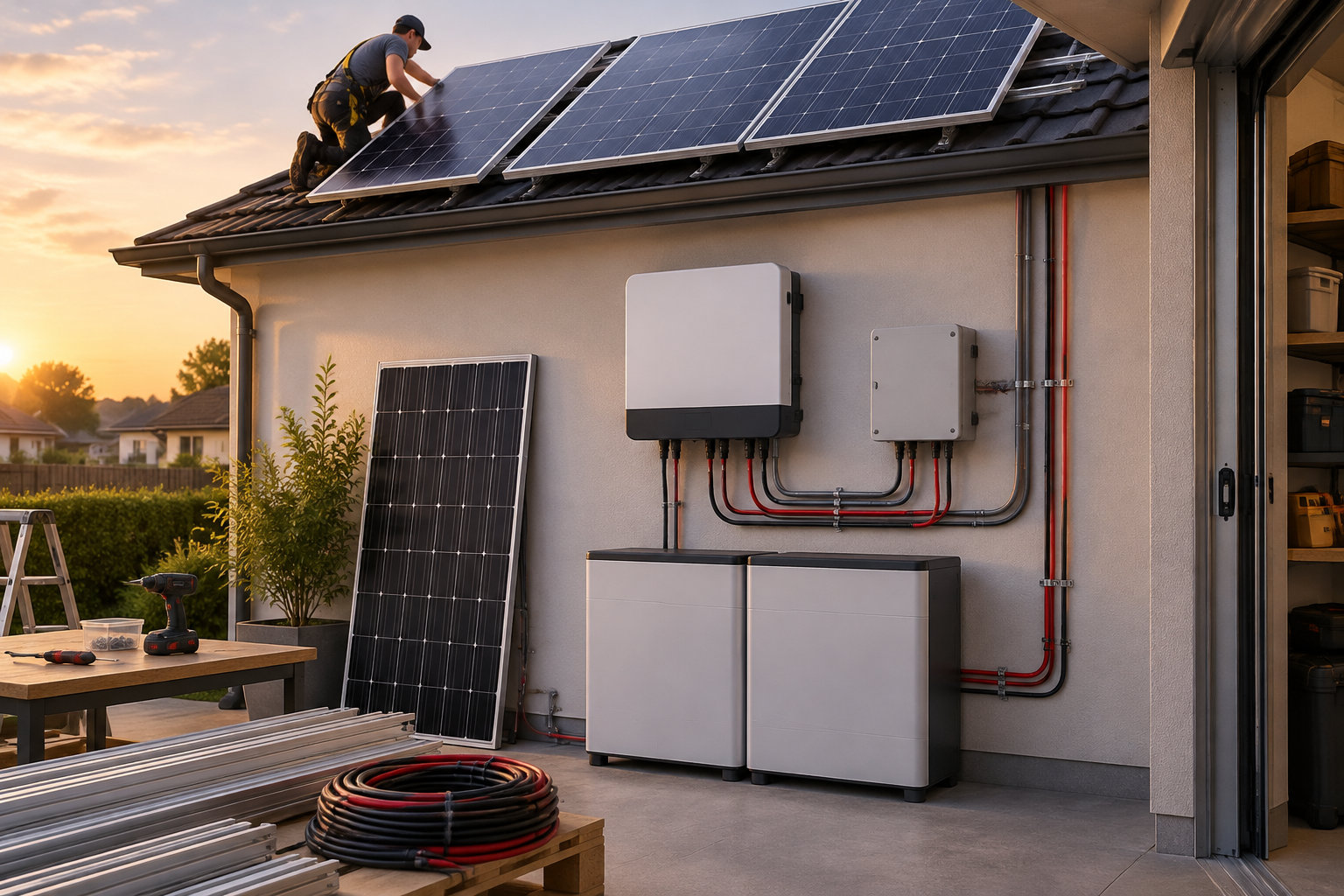
If the IRS examines your return, your records must show why each cost counts. Each item should belong in qualified solar electric property or eligible installation labor. A single package price invites more questions. An itemized invoice answers them.
Unused 2025 credits can carry forward past the end of Section 25D
The Residential Clean Energy Credit was nonrefundable. It could reduce your federal income tax liability to zero, but it could not by itself generate a refund beyond that liability.
Say your credit is $6,000 and your federal income tax liability is $4,000. The remaining $2,000 does not come back as cash. Instead, the unused amount can carry forward to a later tax year.
Your 2025 Form 5695 shows how much of the credit you can use against your 2025 tax liability. If the credit exceeds that limit, line 16 carries the unused amount forward to 2026.
File Form 5695 even if your 2025 tax liability left none of the credit usable.
On your 2026 return, Form 5695 can report the unused Residential Clean Energy Credit carried over from 2025. The 2026 instructions allow only that carryforward, not a new credit for solar equipment installed during 2026.
If you are shopping for a kit now, leave the 30% credit out of your budget and compare the full price of each option. If you already installed a system in 2025, gather its equipment invoices, labor receipts, and completion date before you prepare your return.
Frequently Asked Questions
Can you claim a solar credit for a battery without solar panels?
Yes, under the former credit, if the battery has at least 3 kilowatt-hours of capacity and is installed in connection with your U.S. home.
Solar panels were not required, but the battery still had to meet the capacity and connection requirements, and the installation had to meet the deadline.
Do solar loan payments qualify for the residential clean energy credit?
Not the payments themselves: the credit covers eligible equipment and installation costs, not the cost of borrowing.
The loan can finance qualifying equipment, but interest and loan origination fees are excluded from the eligible costs you claim.
Can a renter claim the residential clean energy credit?
Yes, a renter can claim it for equipment installed at their main home if they paid for and owned it.
A landlord who did not live in the property could not claim the credit for that home, because it had to be your main or second home.