A full HOA ban on solar panels is rare. Your state law and your HOA’s recorded documents still decide what you can install.
So when the HOA says no, is that answer legal? This article covers your rights under state solar laws and solar easements, the limits an HOA can set, and how to win approval or challenge a denial.
Can an HOA ban solar panels?
A full ban is rare, but it depends on your state and your HOA documents. In 29 states, a law limits how far an HOA can restrict or prohibit solar panels. Check that law first.
In the other 21 states, no state law covers solar at all, so your HOA’s recorded documents set the rules.
Before any project, confirm two points: your state’s solar law and the HOA documents recorded for your property. State laws change, so check the current text for your state.
If you rent, see plug-and-play solar for renters before you ask anyone for approval.
Which states protect your right to install solar
States with strong statutory protection
In California, Civil Code § 714 voids HOA rules that effectively ban or restrict solar systems. A rule survives only if it does not significantly raise cost or cut performance, or if it allows a comparable alternative.
Florida’s § 163.04 bars deed restrictions and association decisions that prohibit solar collectors (solar panels) on covered homes, condo units included.
Three states protect solar directly, and each has its own exceptions.
| Criteria | Texas | North Carolina | Virginia |
|---|---|---|---|
| Statute | Property Code § 202.010 | General Statute § 22B-20 | Code § 55.1-1820.1 |
| Protected rule | Conflicting rules are void | Solar-blocking covenants are void | Bans need the recorded declaration |
| Main exceptions | Court-found violations, common property, some roof rules | Location or screening rules, if use stays reasonable | Only bans written in the recorded declaration |
States with narrower or unusual rules
In West Virginia, Code § 36-4-19 voids certain solar restrictions only in documents executed or recorded after its effective date. Look up your recording date with the county recorder.
In Iowa, ask your city or county whether its subdivision ordinance bars unreasonable solar covenants, since that rule covers new subdivisions.
What counts as a reasonable restriction
Cost and efficiency tests
A restriction is reasonable when it passes three checks. First, does it raise the cost of the system? Second, does it cut how much power the panels produce? Third, is there a comparable option that gets the same result?
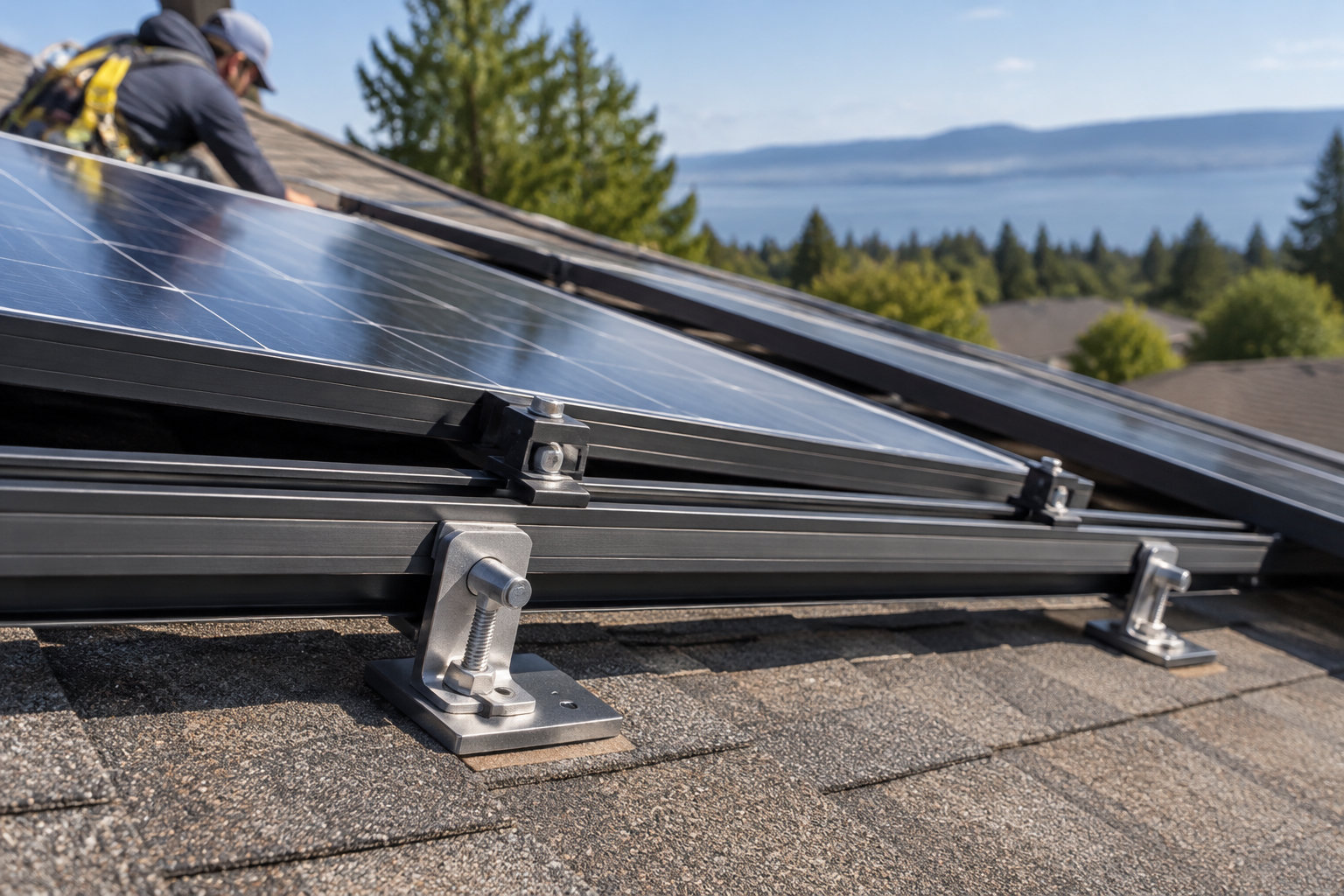
If a rule fails one check, ask the HOA for its reasons in writing. Your installer’s cost quote and production estimate are the numbers to compare.
Here are the limits that make a rule fail the test:
- Virginia: the cost rises more than 5% over the proposed installation.
- Virginia: expected energy production drops more than 10%.
- California: the cost rises more than $1,000 above the proposed system cost.
- California: system efficiency drops more than 10%.
Placement and appearance rules
Use a compass app to check which way the roof faces. In Florida, the HOA may pick a spot facing south, or within 45 degrees east or west of due south, but only if it does not impair effective operation.
In Texas, the frame, brackets and visible wiring may be limited to silver, bronze or black. Check your installer’s sample against that list.
Solar access laws versus solar easements
A solar access law protects you from your HOA. It limits the rules the association can put on installing solar equipment.
A solar easement works differently. It protects sunlight crossing a neighbor’s land, and only if the neighbor signed it. It gives you no automatic right to sunlight.
What a valid solar easement contains
Form
- A written agreement, not a verbal promise.
- Recorded in the property records, as Florida requires for any instrument affecting title. Recording binds later owners of both lots.
Content
- Both properties named: the one that benefits and the one that is burdened.
- Vertical and horizontal angles in degrees, with the point they are measured from.
- Location against the boundaries and zoning setbacks.
- Conditions, end terms and any compensation.
Getting HOA approval for your solar installation
Follow the order of the rules when you file. First, check your state’s solar law. Where it applies, it overrides conflicting HOA rules.

Then check the HOA documents, from the recorded declaration down to the architectural guidelines, and build your request around what they allow.
A complete request holds these items:
- A proposed panel location, plus drawings or records showing how the system meets the rules.
- Written approval from all adjoining owners, which Texas treats as initial evidence.
- A report from a qualified independent specialist, for Virginia’s cost and output test.
- For a plug-and-play kit, see utility interconnection agreements and building permits first.
Challenging a denial: the steps
First, ask the HOA for its denial in writing. California and Texas statutes require one in the cases they cover.
Then check the denied spot against your state’s test. Virginia uses installation cost and energy production, California uses system cost and efficiency, and Texas uses estimated annual production for a designated roof spot. That shows whether the denial holds.
In Virginia, the cost or production test needs a report from an independent solar design specialist who is NABCEP-certified and licensed in Virginia. Any other report does not count. The appeal deadlines in your governing documents are strict: miss one, and your challenge can end there.
If your state has no solar protection
Without a state solar law, your rights come from your documents and contract law. In 2024, 21 states had none, Kansas included. Check your state’s current law, since that count may have changed.
Start with your recorded declaration and current association rules. In Virginia, the recorded declaration can decide whether an association may ban a device.
Three routes in Iowa
-
New subdivisions
Iowa lets local governments bar unreasonable solar covenants in new subdivisions.
-
Existing HOAs
That ordinance does not cancel every existing HOA restriction, so your recorded documents still apply.
-
Negotiation
Even so, ask for a written decision and offer a change in placement or appearance. For balcony panels, see how HOA rules apply.
Your rights start with your state’s solar law and your HOA’s recorded documents. Check the state law first: it overrides conflicting HOA rules where it applies. Then test any denial against the cost, output and comparable-option checks.
Ask the HOA for its denial in writing and note the appeal deadline in your governing documents. Missing it can end your challenge.
Frequently asked questions
Can an HOA say no to solar panels?
Yes, in some cases. Whether your HOA can deny your system or its placement depends on your state’s solar law and on the rules recorded for your community.
If your state has no solar law, those recorded rules decide the answer.
Can an HOA ban solar panels in Florida?
No. Florida law bars an HOA from banning solar collectors. It can still choose a roof spot for the panels, but only a spot that does not stop the system from working well.
Can a house run 100% on solar?
Not by itself: an HOA solar rule or a solar easement does not decide whether your home can meet all its electricity needs.
That depends on the system design, your local requirements and your utility arrangement. Check all three for your home.
Why do people say no to solar panels?
An HOA typically cites roof appearance, visible equipment, placement, safety, common property, or warranty effects when it turns down solar. Which of these reasons it can enforce depends on your state’s solar law.