Modern monocrystalline cells with ETFE lamination now achieve record-breaking yields of 24%, making mobile energy more reliable than ever. Whether you are scaling alpine peaks or setting up a base camp, finding the best portable solar panels for camping is the key to total off-grid independence.
We often struggle with bulky gear that fails to deliver its promised wattage under real-world clouds. We will help you navigate the 2026 market to find the perfect balance between weight, durability, and raw power for your next adventure.
- Choosing the Best Portable Solar Panels for Camping and Hiking in 2026
- EcoFlow 400W: The Heavy-Duty Choice for Off-Grid Power
- Fossibot SP200: A Balanced 200W Solution for Base Camps
- EcoFlow 45W: The Sweet Spot for Weekend Campers
- Sunslice Fusion FLEX 12W: Professional Ultralight Trekking Gear
- Decathlon Forclaz SLR 500 V2: Reliable Power for Budget Hikers
- How to Master Your Portable Solar Setup for Maximum Efficiency?
- Maximizing Solar Performance in Real-World Off-Grid Scenarios
Choosing the Best Portable Solar Panels for Camping and Hiking in 2026
Efficiency in 2026 hinges on ETFE-laminated monocrystalline cells delivering 22-24% yield. Top-tier 200W panels now weigh under 6kg, while ultralight 12W trekking strips offer essential smartphone recovery during multi-day alpine crossings.
Finding the right balance between advertised specs and actual performance is the first step toward a reliable off-grid setup.
Real-World Power Output
We often see 100W labels on packaging. But summer haze and heat usually drop actual output to 75-85W. Don’t expect laboratory numbers in the wild.
Cell quality changes everything. High-grade monocrystalline cells convert photons much faster. This efficiency significantly reduces the hours you spend waiting for your power station to charge.
Your charge controller is the silent hero here. A built-in MPPT tracker constantly optimizes the voltage curve. It keeps energy flow stable even when the sun angle is awkward.
Once you understand the power limits, you need to consider how that energy travels with you across the terrain.
Portability and Foldability
Weight is the ultimate enemy for backpackers. Every gram impacts your pace. Modern folding designs use advanced polymers to keep 50W kits under two kilograms for easy carrying.
Durability matters at the joints. Repeated folding can stress internal wiring. We recommend looking for reinforced fabric hinges and ergonomic handles that stay comfortable during long, strenuous hikes.
When comparing flexible vs rigid solar panels for vans, foldability offers a massive advantage for storage. Unlike fixed panels, these portable kits tuck away into small gaps when the journey resumes.
Portability is great, but the financial logic behind your purchase determines if the investment truly pays off over time.
Value per Watt
Always calculate your cost-efficiency ratio. Divide the price by the measured wattage. Budget panels might look like a steal, but they often deliver very low energy density per dollar.
Think about the long-term ROI. High-end ETFE models fight UV degradation better than cheap PET versions. They typically maintain strong output for five to seven years of heavy outdoor use.
| Technology | Avg. Cost/Watt | Lifespan | Best For |
|---|---|---|---|
| PET Laminated | $1.00 – $1.50 | 2-3 Years | Occasional campers |
| ETFE Monocrystalline | $2.50 – $4.00 | 5-7 Years | Frequent hikers |
| CIGS Flexible | $3.00 – $5.00 | 3-5 Years | Low light conditions |
| Bifacial Glass | $2.00 – $3.50 | 10+ Years | Basecamp setups |
EcoFlow 400W: The Heavy-Duty Choice for Off-Grid Power
Moving from general selection criteria, we now look at the most powerful portable unit currently dominating the high-capacity market.
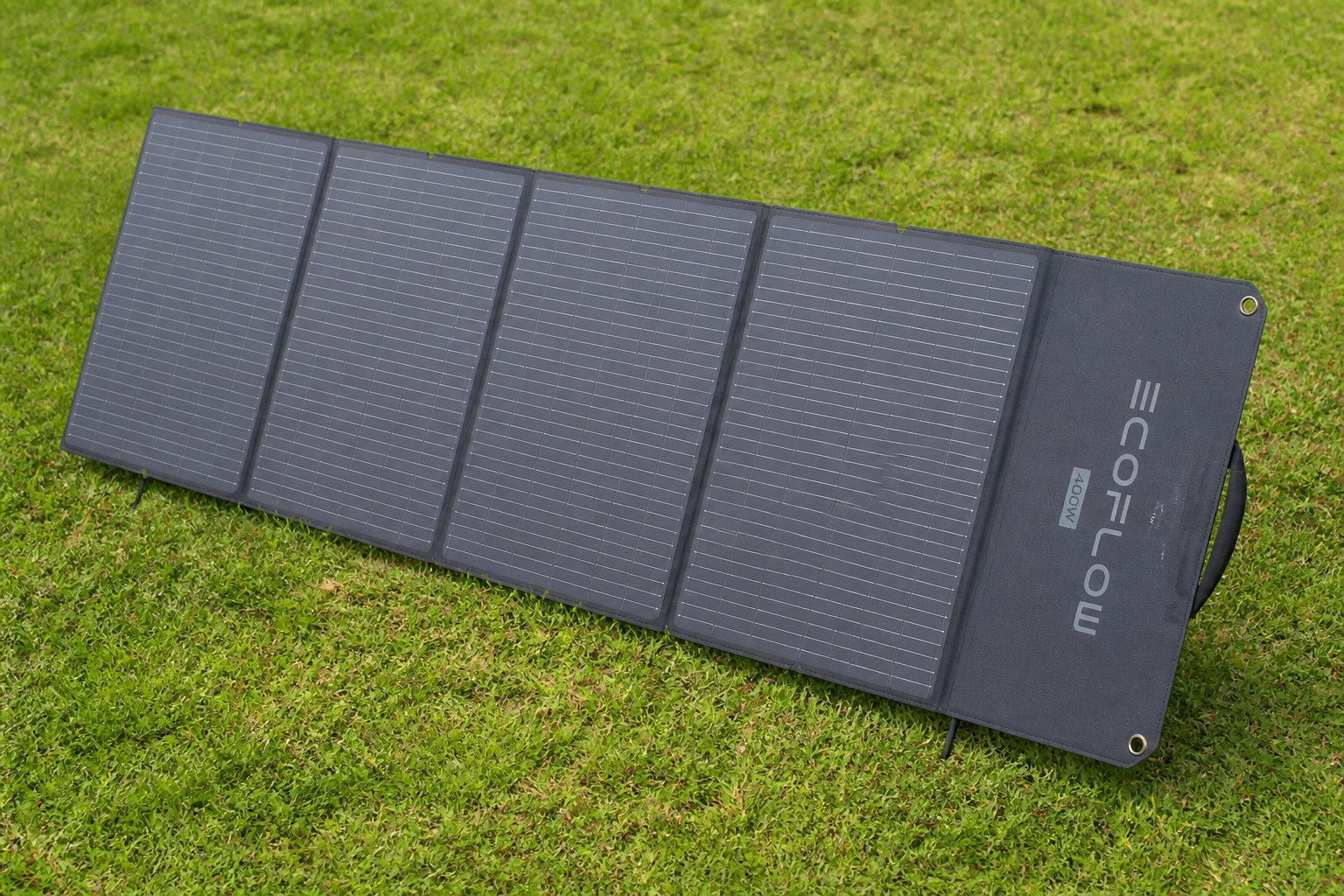
The EcoFlow 400W delivers massive energy for large power stations and RV enthusiasts. Its one-piece folding design remains surprisingly manageable for its class. You get a market-leading conversion rate of up to 22.6%. This ensures maximum efficiency during every sunny hour.
Construction quality is truly top-tier here. The panels use fiberglass-reinforced plastic to maintain structural rigidity in the wild. The protective case even doubles as a clever kickstand for precise sun alignment. It feels premium, sturdy, and built to last.
Universal MC4 connectors ensure broad compatibility across different systems. This 400W beast is the perfect partner for your solar panel battery, feeding large storage units with ease and speed.
The EcoFlow 400W delivers a staggering 380W in clear skies, making it the closest portable panel to a residential fixed installation.
We have to talk about the weight trade-off. At 12.5kg (27.5 lbs), this is not a tool for hikers. It perfectly suits base camps and van lifers who need high energy without permanent roof mounts.
Weather resistance is another major win. The IP68 rating ensures your investment survives sudden downpours or splashes. This reliability is vital for off-grid users facing unpredictable mountain weather or high coastal humidity.
Our final verdict on value is clear. The $649 price tag is high but fully justified by the charging speed. It can fill a 2kWh battery in less than six hours under optimal conditions.
Fossibot SP200: A Balanced 200W Solution for Base Camps
While 400W panels dominate high-capacity setups, the 200W category remains the top pick for standard camping. The Fossibot SP200 stands out as a versatile all-rounder. It balances size and performance perfectly. Most campers find 200W sufficient for running fridges and lights.
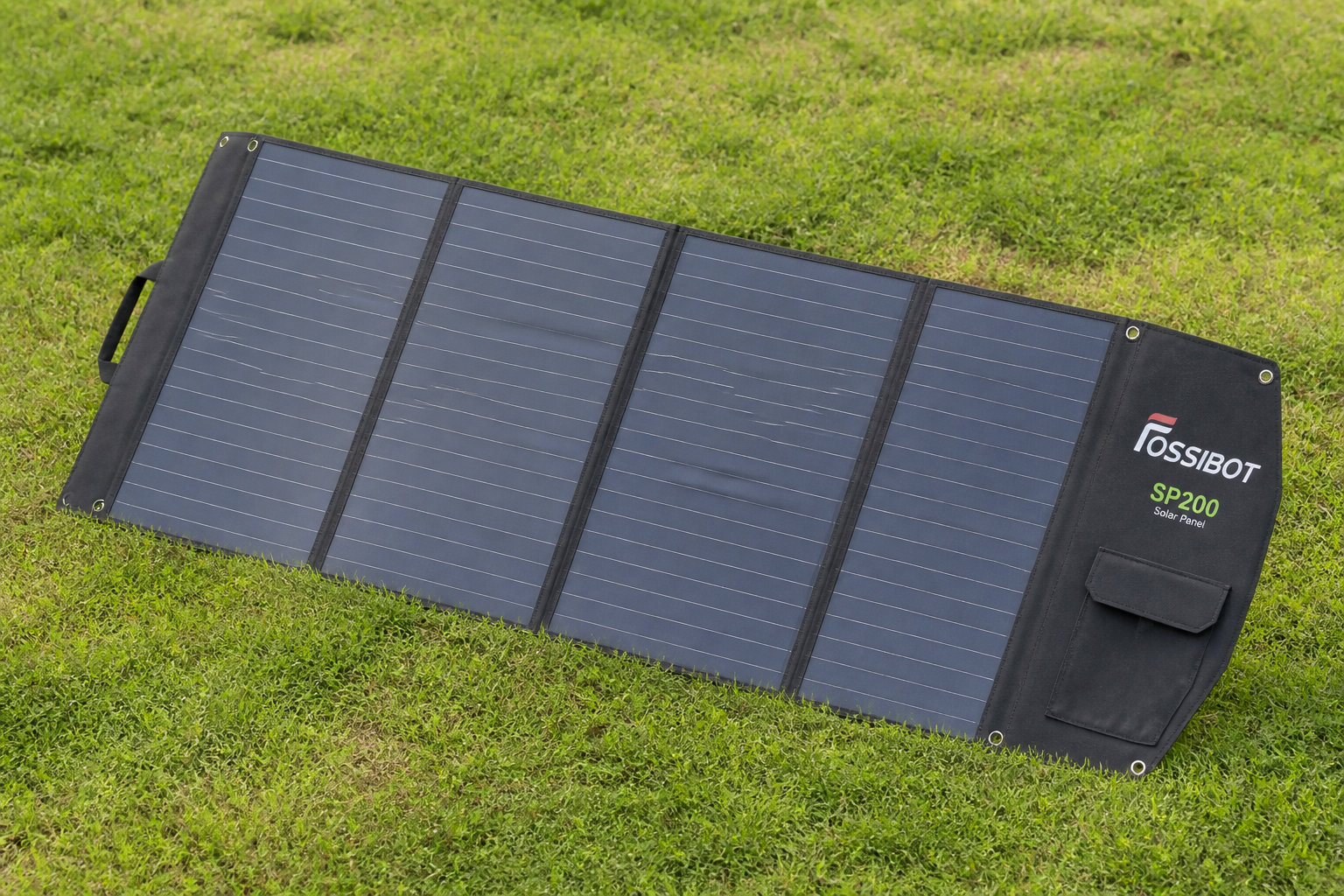
The folding mechanism is intuitive and quick. This model utilizes 23.4% efficient monocrystalline cells. This high conversion rate allows for a smaller footprint than older 200W versions. The energy density is truly impressive for the price point.
- Weight: 8.2kg
- Folded size: 54x53cm
- Output: MC4 connectors
- Material: ETFE coating
Setup ease is a major benefit here. Four sturdy kickstands provide excellent stability on uneven ground. You can adjust the angle easily as the sun moves. It takes less than two minutes to deploy fully.
When choosing gear, consider portable power stations vs fixed solar batteries to see what fits your lifestyle. This panel integrates seamlessly into mobile setups.
Cable management is handled brilliantly. The integrated pouch keeps all wires organized. You won’t lose adapters in the grass. This small detail improves the overall user experience significantly during best portable solar panels for camping and hiking in 2026 searches.
The Fossibot SP200 is a budget-friendly alternative to big-name brands. It doesn’t sacrifice performance for the lower price tag. It just works reliably for any outdoor enthusiast.
EcoFlow 45W: The Sweet Spot for Weekend Campers
The EcoFlow 45W is perfect for light travelers needing power without bulk. It is ideal for charging phones and small power banks during quick getaways. The compact size fits into most car trunks easily. It is the ultimate weekend companion for Best portable solar panels for camping and hiking in 2026.
This panel features built-in magnets for easy attachment to metal surfaces. You can slap it on the side of a van instantly. This flexibility is rare in this category and simplifies your setup.
It can charge a standard smartphone in about two hours of direct sun. It provides a steady flow for small LED lanterns. Efficiency remains high despite the small size.
For the casual camper, the EcoFlow 45W eliminates battery anxiety without requiring a complex electrical setup or heavy lifting.
We want you to learn the benefits of plug and play solar to improve your trips. This knowledge makes sustainable energy accessible. It helps you stay powered anywhere.
The fabric exterior is rugged and water-repellent. It handles dust and dirt without scratching the cells. Maintenance is as simple as a quick wipe.
It weighs almost nothing compared to 200W units. It is the go-to choice for those who prioritize simplicity over raw power capacity.
Sunslice Fusion FLEX 12W: Professional Ultralight Trekking Gear
Transitioning from standard setups to high-performance gear requires a shift in mindset. For those seeking the best portable solar panels for camping and hiking in 2026, weight is the ultimate enemy.
We recommend the Sunslice Fusion FLEX 12W for extreme trekkers and climbers. This panel is flexible and virtually unbreakable. It weighs less than a thick chocolate bar. It is pure utility.
The secret lies in the CIGS technology. These cells work better in low light or partial shade. This is crucial when hiking through forests or canyons. It keeps charging when others stop.
We love the smart attachment points. It has corner eyelets for carabiners. You can hang it on your backpack while walking. It captures energy as you move toward your next camp.
Use carabiners to hang the 250g panel on your backpack during the day to charge your power bank while hiking.
- Weight: 250g
- Output: USB 5V
- Thickness: 1mm
- Material: High-tech flexible polymers
Reliable power is vital for solar energy in extreme climates. This gear ensures you stay connected when off-grid.
Durability is where this model shines. You can literally roll it up. It survives drops and heavy pressure inside a packed bag. This resilience is what professional explorers demand.
It won’t power a fridge, but it keeps your GPS and emergency satellite messenger alive. For serious hikers, that is the only thing that matters. Stay safe and powered up.
Decathlon Forclaz SLR 500 V2: Reliable Power for Budget Hikers
Transitioning from heavy, expensive gear to something practical is a relief. Decathlon continues to disrupt the market by offering solid performance at a price point that makes solar energy accessible to everyone.
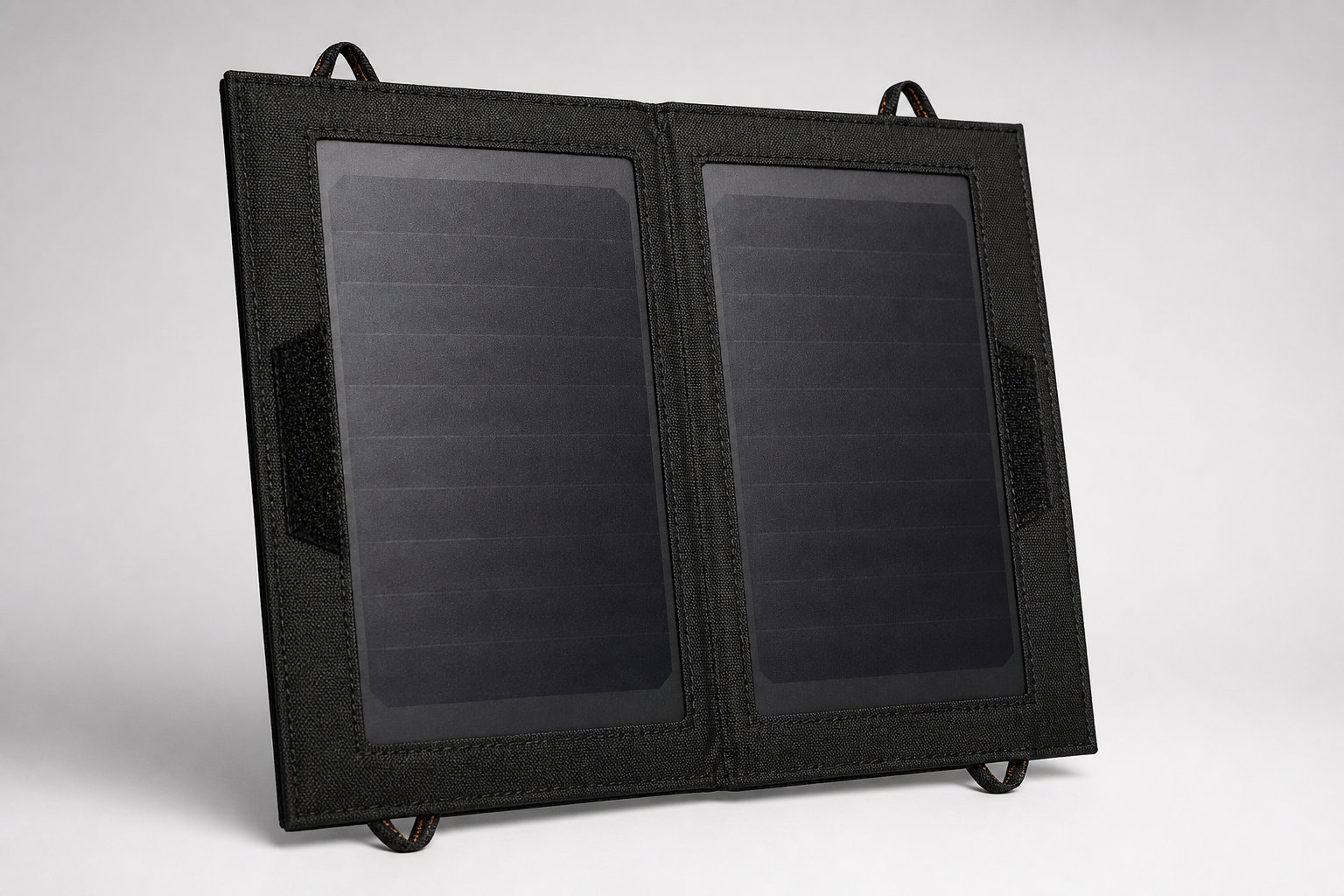
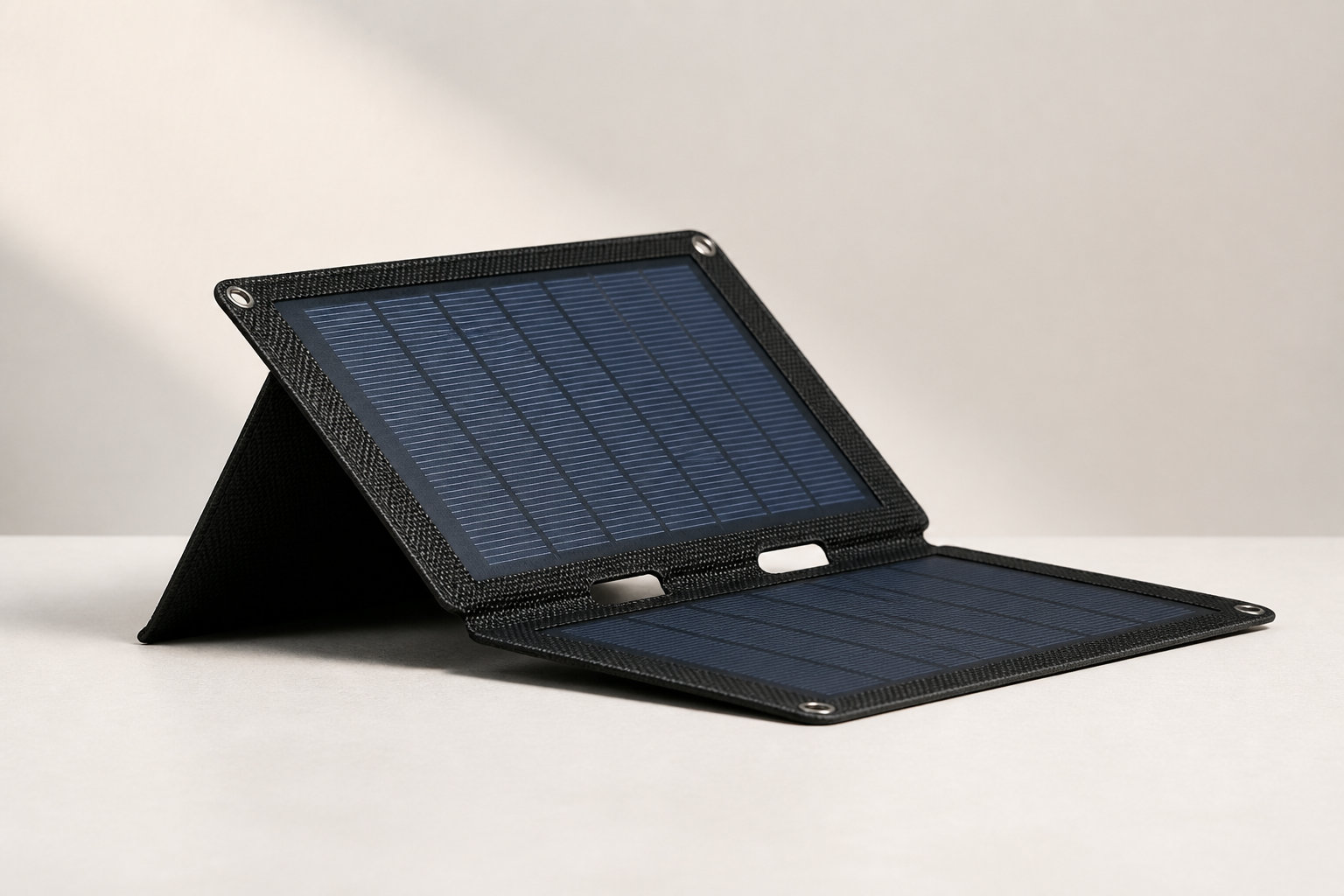
We analyzed the Forclaz SLR 500 V2, a 10W panel built for serious durability. The design is simple and effective. It targets the average hiker who needs reliability without a premium price tag. You get a tool that just works.
The output options are straightforward. It features a standard USB-A port integrated into a rear pocket. This allows for direct phone charging or topping up small power stations. It is a very flexible piece of kit for modern trekkers.
The folding design is a standout feature. It folds into a compact square, measuring just 29 x 18 cm. The outer shell is tough enough to withstand being tossed in a trunk. It feels like a tool meant for real use.
The Forclaz SLR 500 V2 proves that you don’t need to spend a fortune to get a consistent 40W of real-world solar output.
If you are setting up a permanent off-grid station, check out solar panel kits for garden offices. This panel is better for movement.
Decathlon’s wide network provides peace of mind. If a cell fails, replacement is straightforward through their support. This adds significant value to the initial low investment of about 49.99€.
Final thoughts on performance are positive. It isn’t the lightest or the most efficient on the market. However, it is the most dependable choice for those starting their off-grid journey. You won’t regret having this in your pack.
How to Master Your Portable Solar Setup for Maximum Efficiency?
Choosing the right panel is only half the battle; knowing how to integrate it into your electrical system is where the real work begins.
Power Station Compatibility
You must understand Open Circuit Voltage (Voc). This is the maximum voltage a panel produces without a load. Ensure this value never exceeds your power station’s specific input limit.
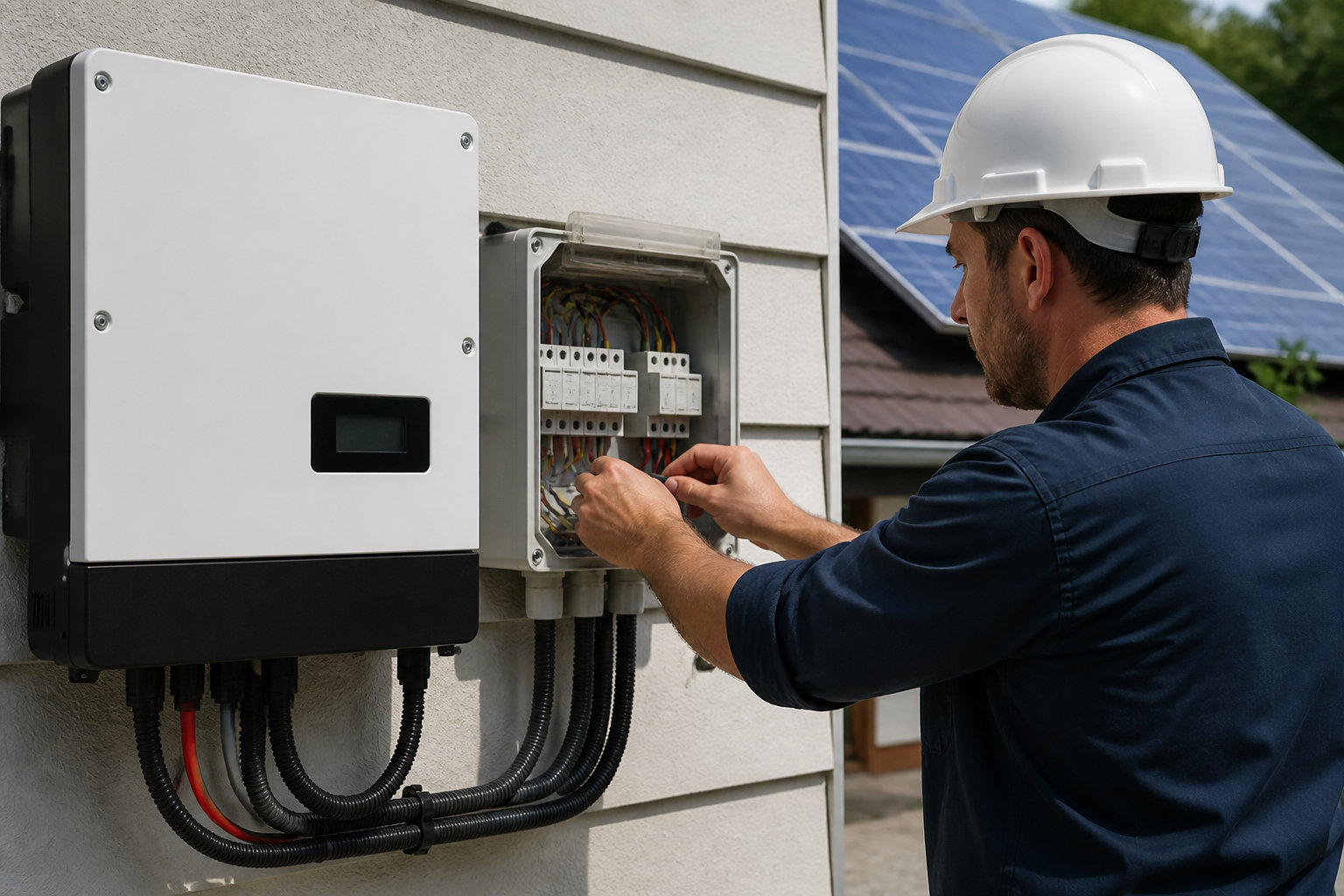
Detail your connector types carefully. Most panels use MC4 or XT60 connectors today. Adapters are often necessary for brands like Jackery or Goal Zero. Always double-check polarity before plugging in.
We recommend checking out an RV solar panel kit to see how these needs change. Compatibility issues differ significantly in vehicle-based systems. Finding the best portable solar panels for camping and hiking in 2026 requires matching these technical specs perfectly.
Voltage Safety Protocols
High-voltage risks are very real. Overloading an input can fry the internal circuitry instantly. This is a common mistake when daisy-chaining panels in series. Always calculate the total combined voltage first.
Never exceed the power station’s maximum Voc (Open Circuit Voltage) when connecting multiple panels in series.
Charge controllers are your best friend. They act as a gatekeeper for your battery. They prevent overcharging and stop reverse current from draining the battery at night. They are absolutely essential for safety.
You should review safety standards for installing solar shed kits for more details. Electrical protection is a priority for any DIY setup. Proper grounding and fusing protect your expensive gear from surges.
Direct Appliance Usage
Can you run fridges directly? Solar output fluctuates constantly with passing clouds. A fridge compressor needs a stable current to start and run. Without it, you risk damaging the motor permanently.
Contrast direct DC versus battery buffering. Using a battery as a buffer smooths out energy spikes. It protects your appliances from brownouts during intermittent shading. It is the safer route for your electronics.
- Direct DC risks: Voltage drops, Compressor wear, Data loss on electronics.
- Buffer benefits: Stable 12V, Night operation, Surge protection.
Maximizing Solar Performance in Real-World Off-Grid Scenarios
Lab tests are one thing, but the unpredictable nature of the outdoors requires a strategic approach to harvest every possible watt. Getting the best portable solar panels for camping and hiking in 2026 means understanding how they behave in the wild.
Temperature and Shading
Heat is actually an enemy of efficiency. Solar panels lose power as they get hotter. Airflow underneath the panel is vital to keep cells cool and voltage high.
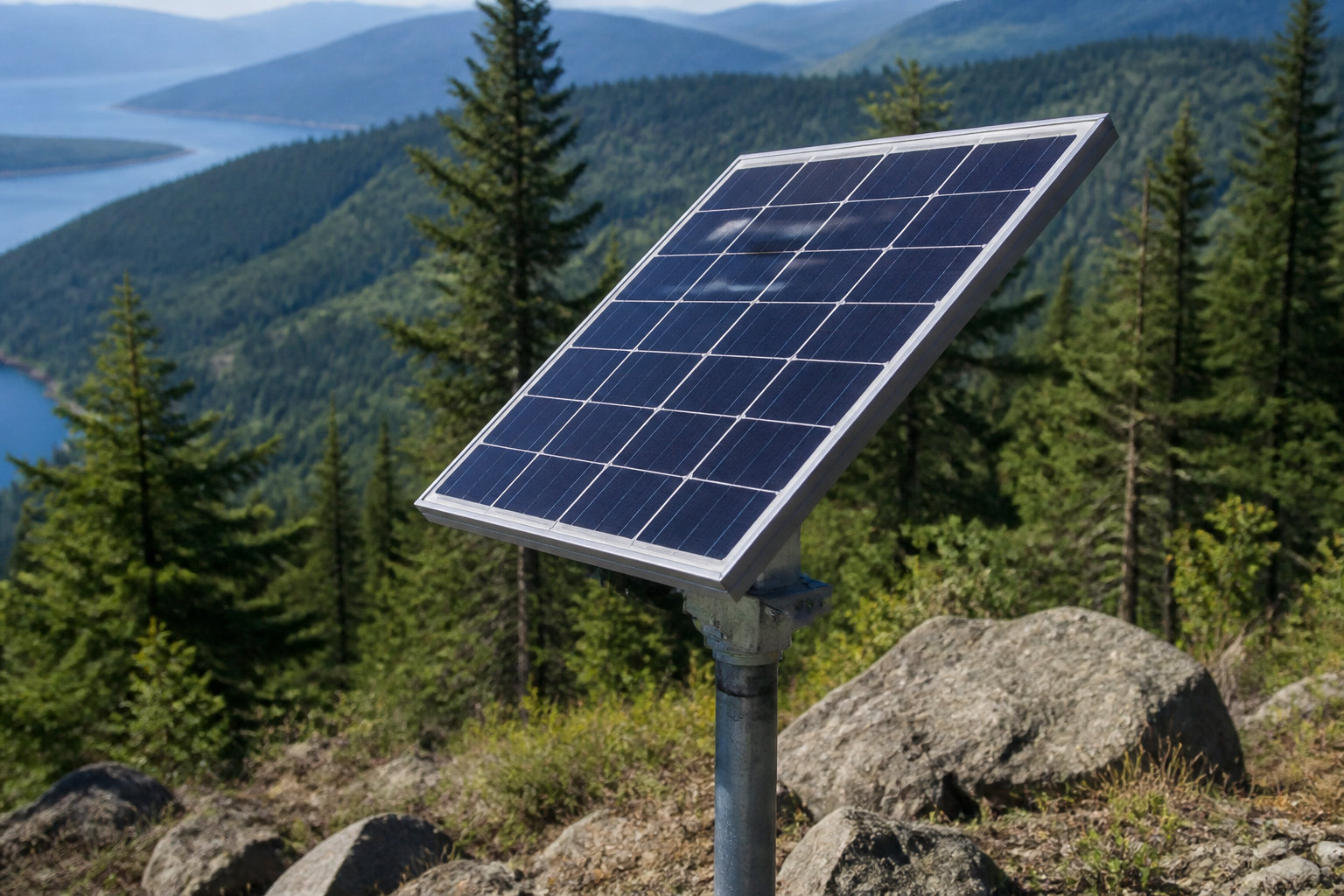
Shading is another major performance killer. Even a small leaf can drop output by 50% on some panels. Position your array away from tree lines and adjust angles often.
Managing shade is different in the city versus the woods. You can install balcony solar panels safely by following similar principles of light optimization. Proper placement ensures consistent energy flow everywhere.
ETFE Durability Standards
ETFE is a high-strength fluorine-based polymer. It allows more light to pass through and resists scratching much better than cheap PET laminates. It simply lasts longer.
Keep the surface clean from dust and salt spray. Use a soft microfiber cloth and plain water. Avoid harsh chemicals that could degrade the protective coating on your gear.
Choosing ETFE construction is the single most important factor for ensuring your portable panel survives the rigors of multi-year off-grid travel.
Off-Grid Charging Estimates
Sunlight hours vary, but math helps. A 200W panel needs about 4 to 5 hours of peak sun to charge a 500Wh battery. Double that time for a 1000Wh unit.
Solar is silent and free once purchased. Generators provide power on demand but require fuel and create noise. Solar wins for those seeking long-term peace in nature.
These metrics change when you set up a permanent solar kit for shed structures. While portable panels offer flexibility, stationary setups allow for more consistent, long-term energy harvesting calculations.
Modern ETFE-laminated monocrystalline cells offer the highest efficiency for 2026, balancing raw power with ultralight portability. Whether you need a 400W powerhouse for base camps or a 12W strip for trekking, choosing the best portable solar panels for camping ensures reliable energy. Gear up now to secure total off-grid freedom.
FAQ
Which portable solar panels are best for long-distance hiking?
For trekkers and alpine explorers, lightweight and compact designs are the absolute priority. We recommend models like the Sunslice Fusion FLEX 12W, which weighs a mere 240g, or the Decathlon Forclaz SLR 500 V2 at 300g, as they can easily clip onto your backpack to charge gear while you move.
Ideally, you should look for panels weighing between 200 and 400 grams. This ensures you maintain a high power-to-weight ratio of about 20 to 30 g/W, allowing you to keep your GPS and smartphone alive without adding unnecessary bulk to your pack.
How much power do I actually need for a camping trip?
Your power requirements depend entirely on your gear. If you only need to top up a smartphone or GPS, a 15W panel is sufficient. However, for those looking to power a laptop or multiple small devices simultaneously, we suggest stepping up to a 50W unit for better efficiency.
For extended off-grid stays or van life, panels ranging from 100W to 200W are the gold standard. If you are managing a base camp or need a domestic backup, heavy-duty options like the EcoFlow 400W provide the raw wattage necessary to charge large portable power stations quickly.
Can these portable panels survive rain and harsh weather?
Yes, modern portable panels are built for the rigors of the outdoors. You should check the IP rating to confirm durability; for instance, an IP68 rating (found on EcoFlow models) offers high-level protection against dust and water immersion, making them reliable even in sudden downpours.
While most are “weather-resistant” and can handle light rain, we always recommend wiping them dry after exposure to moisture. Using high-quality materials like ETFE coating ensures the cells resist scratches and UV degradation better than cheaper alternatives.
What is the typical cost for a quality portable solar setup in 2026?
The price varies based on efficiency and wattage. Entry-level hiking panels like the Decathlon SLR 500 start at approximately $40 (€39.99). These are perfect for budget-conscious backpackers who need a simple, reliable energy source.
Mid-range 200W solutions, such as the Fossibot SP200, typically retail around $399. If you want top-tier performance, professional-grade 400W panels reach about $649, offering the highest conversion rates of up to 25% for rapid charging.
Is it better to charge my phone directly or use a battery buffer?
We strongly advise using a portable power bank as a buffer. Solar output fluctuates whenever a cloud passes, which can be hard on your phone’s internal battery. By charging a battery pack first, you ensure a stable energy flow to your sensitive electronics.
For hikers, a small 10W to 12W panel paired with a lightweight external battery is the most efficient setup. For campers, a 200W panel feeding a power station allows you to store energy during the day so you can run lights and fridges throughout the night.