Key takeaway: Plug-and-play solar panels offer a remarkable 25 to 40-year lifespan, ensuring long-term energy savings with minimal effort. While the robust silicon cells endure decades of outdoor exposure, expect to replace the micro-inverter every 12 to 15 years to maintain peak performance. This durable setup guarantees at least 80% efficiency after 25 years, maximizing your sustainable investment.
Modern photovoltaic kits are engineered for incredible endurance, often outperforming standard household appliances with a lifespan reaching up to 40 years. While most users enjoy decades of clean energy, many worry that these accessible systems might fail long before paying for themselves. We see too many homeowners hesitate, fearing their investment will degrade into useless glass before the decade is out.
We are here to clear the air by analyzing the real-world lifespan of plug and play solar panels and identifying the specific components you need to watch. We will break down exactly how to maintain peak efficiency so your kit remains a profitable powerhouse for thirty years or more.
How Long Do Plug and Play Solar Panels Really Last?
Plug-and-play solar panels typically last 25 to 30 years, maintaining 80% efficiency through annual degradation rates of 0.5%. While silicon cells endure decades, micro-inverters usually require replacement every 12 to 15 years.
25-40 Years
Average lifespan of modern photovoltaic cells.
0.5% Yearly
Typical annual efficiency degradation rate.
The Standard 25 to 40-Year Endurance Window
Modern photovoltaic cells boast incredible longevity, often outlasting household appliances by decades. These kits utilize professional-grade tempered glass and silicon technology. This ensures a 25-year minimum service life for everyday users.
Fixed systems differ from fragile gadgets. They are engineered for permanent outdoor exposure. Their structural stability handles extreme weather easily.
Understanding Annual Degradation Rates From 0.2% to 1%
Silicon undergoes a slow chemical aging process. Quality manufacturing keeps annual energy loss near 0.5%. Tracking solar panel degradation rates helps you predict long-term energy yields accurately.
Panels do not suddenly die when warranties expire. They simply produce slightly less power each year. High-end modules retain 85% capacity after twenty-five years.
Distinguishing Between Efficiency Loss and Total Failure
The end of useful life occurs when energy output no longer covers the investment. Total hardware failure remains extremely rare for solar cells.
Economic viability is the real metric. A panel producing 60% of its original rating stays useful. You should consider why buy a solar panel plug and play system to maximize these long-term gains.
Why Micro-Inverters Usually Quit Before the Panels Do
While the panels themselves are silent sentinels of durability, the electronic heart of the system faces a much tougher battle against time and heat.
The 10 to 15-Year Replacement Cycle for Electronics
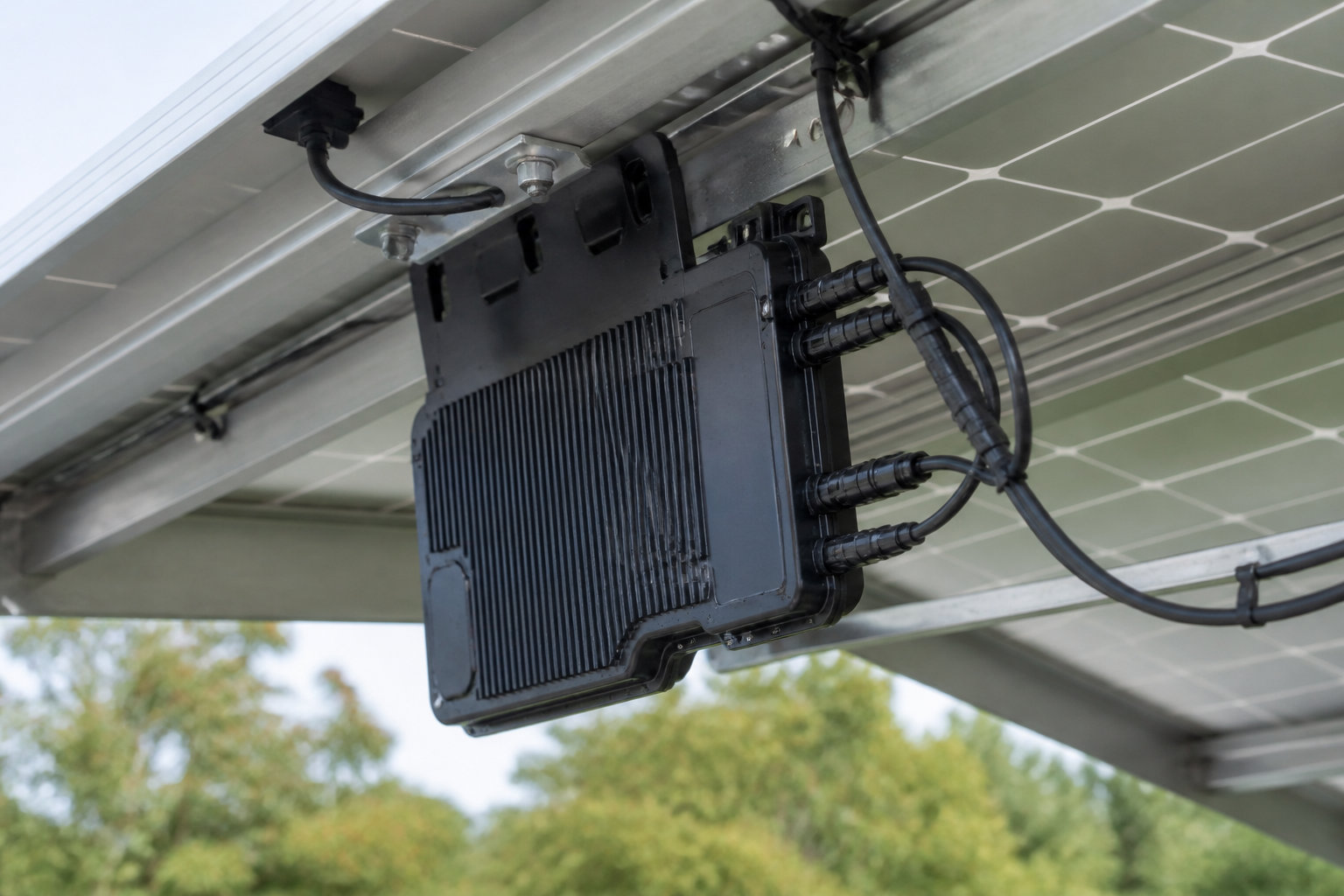
Micro-inverters house sensitive capacitors and circuits that struggle with thermal stress. These electronic parts naturally degrade faster than robust silicon. You should expect to swap the inverter once.
Expert Insight
Micro-inverters typically last 10 to 15 years, meaning they will likely need replacement once during the panel’s 25 to 30 year lifespan.
Modularity makes this maintenance simple. Swapping a single unit is quite affordable.
Most homeowners will find that their solar panels easily outlast two generations of micro-inverters due to the lack of moving parts in silicon cells.
Cable Integrity and Connector Wear in Outdoor Setups
Harsh UV radiation eventually makes standard plastic insulation brittle and weak. Exposed wiring risks cracking under constant sun. Using IP67-rated connectors is vital for blocking moisture in humid areas.
Always secure any dangling cables properly. Wind friction or local animals often cause sudden hardware failures. Check out these diy solar shed installation safety standards to protect your gear.
Warranty Coverage Versus Real-World Performance Reality
We see a gap between 25-year power warranties and 10-year workmanship guarantees. Most policies exclude storm damage or DIY mistakes. Knowing these boundaries helps you budget for long-term reliability.
Smart buyers weigh these terms against the plug and play solar kit cost. How long do plug and play solar panels really last? Usually 25 to 40 years.
4 Environmental Threats That Kill Solar Efficiency Early
Even the toughest hardware can’t escape the elements, as specific environmental stressors act as silent killers for solar efficiency.
Thermal Cycling and UV Radiation Impact on Materials
Daily expansion and contraction stress the panel laminates. This thermal cycling often triggers micro-cracks in cells. Intense UV rays eventually degrade the protective backsheet material.
Potential-induced degradation (PID) occurs in high-voltage setups. However, it is less common in small plug-and-play kits. Check your mobile solar efficiency for climate-specific risks.
Extreme Weather Protection for Balcony and Garden Kits
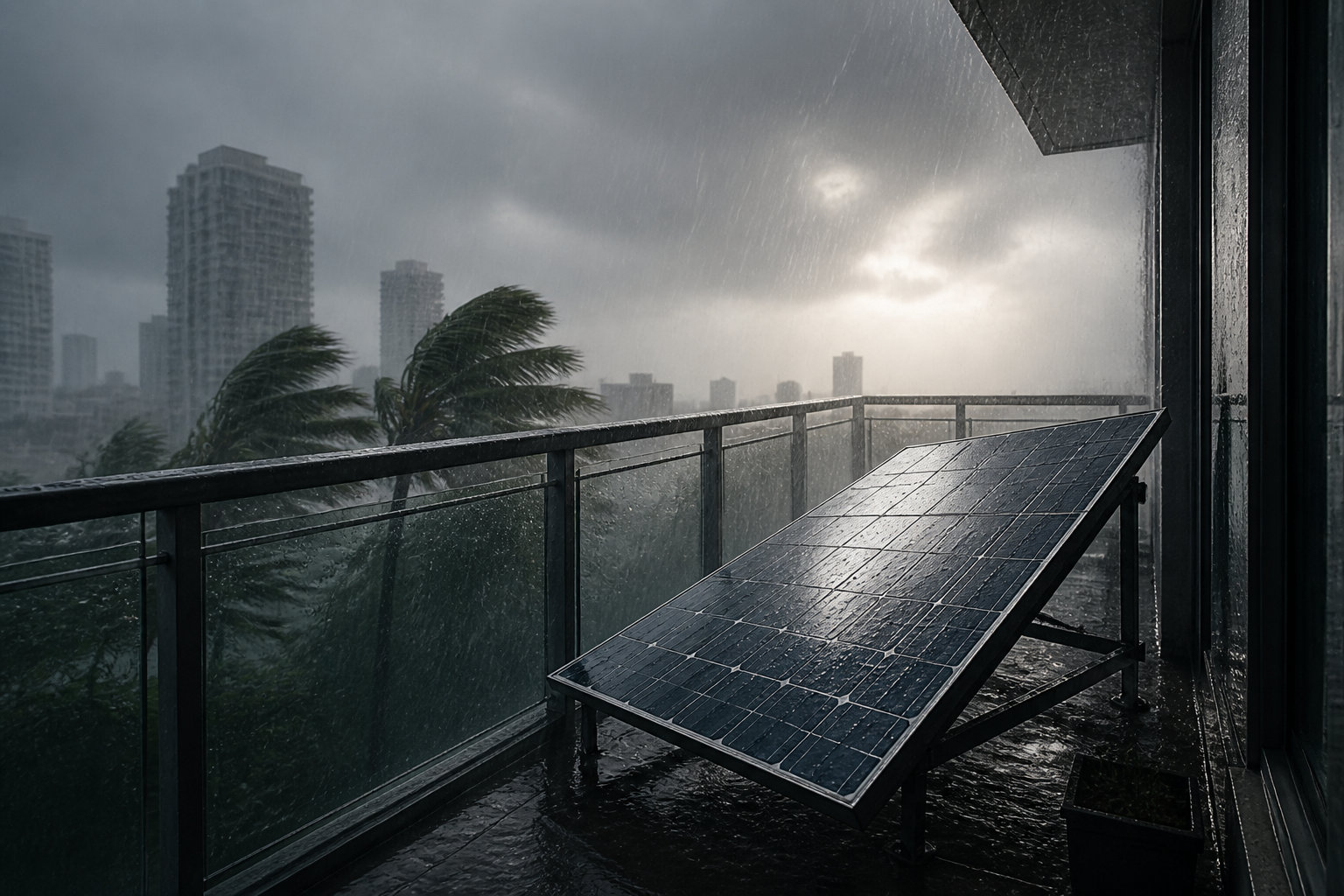
Panels act like sails on balconies and need secure mounting. Tempered glass handles most hail. Yet, large impacts can cause shattering or internal cell damage.
Salt mist impacts coastal users significantly. Corrosion eats through aluminum frames if not rinsed. Focus on durable mounting to resist these harsh environments.
The Hidden Cost of Shading and Hot Spot Formation
Partial shading forces current through shaded cells, causing overheating. These hot spots permanently damage modules. Bird droppings or leaves are common culprits.
Proper tilt helps debris slide off naturally. So, how long do plug and play solar panels really last? With care, they easily exceed 25 years.
Environmental Factor
Impact on Lifespan
Mitigation Strategy
High Heat
Material fatigue
Ensure 10cm air gap
Coastal Salt
Frame corrosion
Rinse with fresh water
Heavy Snow
Physical stress
Increase tilt angle
Partial Shading
Hot spot damage
Regular cleaning
Maintenance Habits for Maximum Longevity
You don’t need to be an engineer to extend your system’s life; a few simple habits can add years to your investment.
Routine Inspection and Cleaning Checklists for Beginners
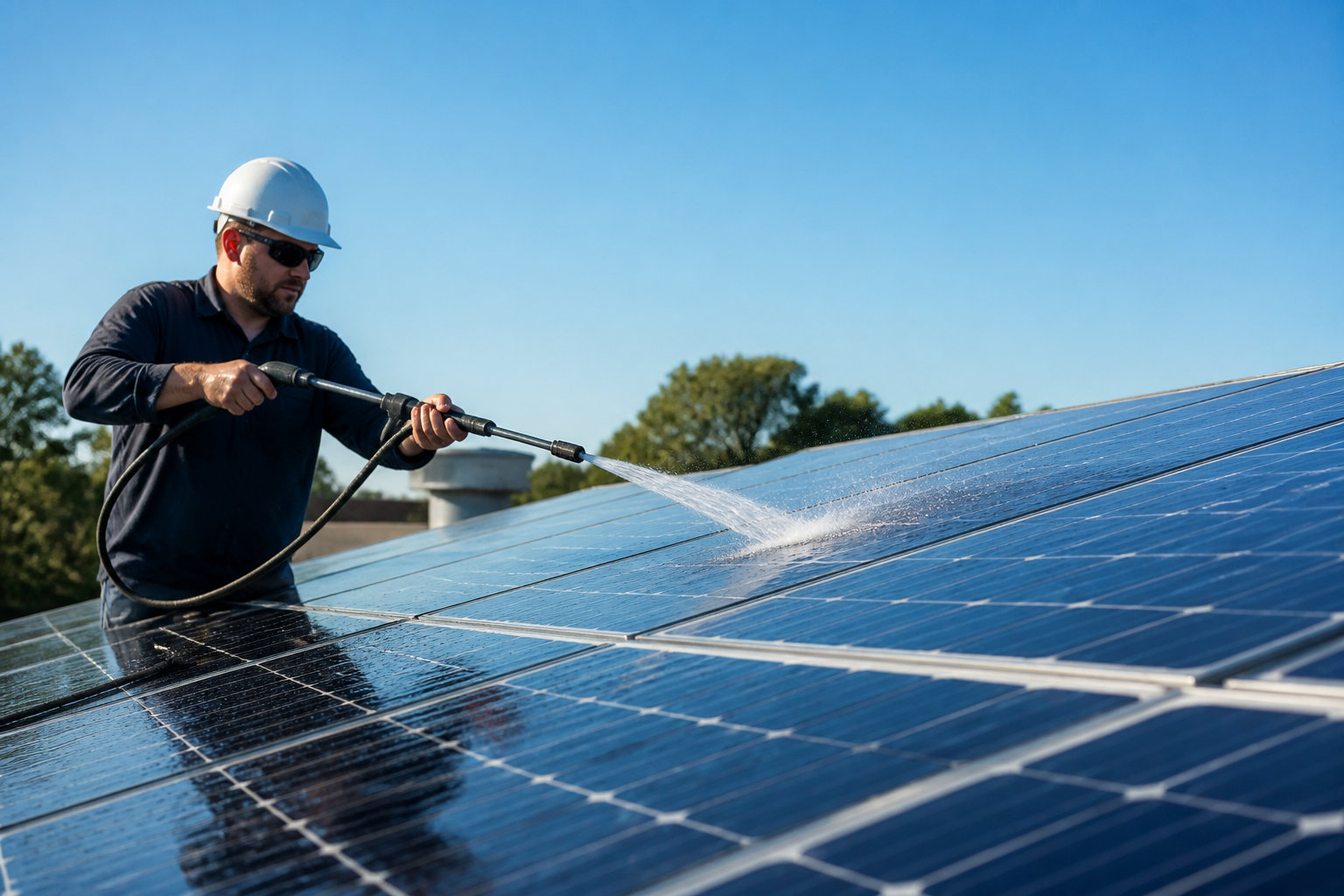
Dust and grime block sunlight and reduce output. Regular cleaning prevents permanent glass etching from acidic pollutants. Use plain water and a soft cloth to avoid scratching the surface.
Perform seasonal visual checks. Look for browning on the cells or loose mounting bolts.
Clean with soft brush and water
Check cable connections for tightness
Inspect glass for cracks
Clear nearby foliage to prevent shading
Safety first. Always disconnect the system before performing any wet cleaning or physical adjustments.
Expert Insight
With an ROI between 2.2 and 6 years, these kits pay for themselves multiple times over their 25+ year lifespan.
Using Monitoring Apps to Detect Early Efficiency Drops
Most modern kits include a monitoring app. Use this data to spot sudden drops in production. A 20% dip compared to last year usually signals a hardware issue.
Compare real-time data with local weather. If it’s sunny but output is low, check your inverter status immediately.
“Data monitoring is the most effective way to catch a failing micro-inverter before it completely stops your energy production.”
We recommend tracking your system health to ensure your long-term energy savings remain high. How long do plug and play solar panels really last? With these digital tools, you ensure they hit that 40-year ceiling.
Investing in a 25 to 40-year hardware life ensures decades of energy savings. By maintaining clean panels and monitoring your micro-inverter, you maximize the lifespan of plug and play solar panels for a greener future. Start optimizing your setup today to secure reliable, long-term power!
FAQ
How long can I expect my plug and play solar panels to last?
You can generally count on your plug and play solar panels to provide clean energy for 25 to 40 years. These systems utilize the same high-grade silicon technology found in professional rooftop installations, ensuring they remain productive long after your standard household appliances have been replaced. We see these kits as a true long-term investment in your home’s energy independence.
While the panels themselves are incredibly durable, they do experience a minor annual degradation, typically around 0.5%. This means that even after 25 years, your panels are designed to maintain at least 80% to 85% of their original power output, continuing to slash your electricity bills for decades.
Do micro-inverters have the same lifespan as the solar panels?
Not quite. While the panels are silent sentinels that last up to 40 years, the micro-inverters, the “brain” of your system, usually have a lifespan of 10 to 25 years. Because they contain sensitive electronic components like capacitors that handle heat, you should plan to replace the inverter at least once during the total life of your solar kit.
The good news is that these systems are modular. If a micro-inverter fails, it only impacts the specific panel it’s attached to, and replacing it is a simple, cost-effective fix that doesn’t require replacing the entire setup. Many quality manufacturers now offer warranties reaching up to 25 years to match the panels.
What kind of maintenance is required to keep the system running efficiently?
Maintenance is refreshingly minimal but vital for peak performance. We recommend a quick cleaning once or twice a year using plain water and a soft cloth to remove dust or bird droppings, which can otherwise cause a 5% to 30% drop in yield. It’s a small effort that yields big results for your wallet.
Beyond cleaning, you should perform a brief monthly visual check of the cables and connectors to ensure no pests have interfered with the wiring. Utilizing a monitoring app is the smartest way to track health; if you notice a sudden dip in production, you can address it immediately before it impacts your savings.
Will extreme weather conditions damage my plug and play kit?
These kits are engineered for permanent outdoor exposure and are built to withstand harsh elements, including hail, heavy snow, and high winds. The tempered glass protection is incredibly robust, meeting the same rigorous safety standards as traditional solar arrays. Whether you live in a coastal area with salt mist or a region with stormy winters, your hardware is designed to endure.
To ensure maximum longevity, we advise securing your panels with proper mounting brackets or weighted stands, especially for balcony installations. Taking these simple steps prevents physical damage from wind loads and keeps your system producing maximum efficiency regardless of what the weather throws at it.