Shading on just 10% of a string-connected array can lead to a 50% drop in total system power output. This massive efficiency gap often leaves homeowners frustrated when a single chimney shadow cripples their entire energy production. Choosing the right microinverter vs string inverter for plug and play setup is the most important decision you will make for your solar journey.
We are here to help you compare these technologies so you can maximize your harvest. We will break down the performance, safety, and long-term costs to ensure you pick the perfect kit for your roof.
- Microinverter vs String Inverter for Plug and Play Kits
- 3 Performance Factors for Shaded or Complex Roof Layouts
- Maintenance Logistics and Individual Panel Monitoring Benefits
- Safety Compliance and Long-Term Financial Cost Analysis
Microinverter vs String Inverter for Plug and Play Kits
Microinverters convert energy at the panel level, boosting yield by 20% in shade compared to high-voltage string systems. Plug-and-play kits favor these for DIY safety, eliminating complex DC wiring and central failure points.
Panel-Level Conversion vs Centralized String Architecture
Microinverters offer a decentralized setup where each panel operates independently. This prevents one underperforming module from dragging down the entire array’s production. In contrast, string inverters link panels in a series chain, sending high-voltage DC to a central box.
Check how plug and play solar panels work for more details.
DIY Feasibility and the Reality of Mounting Labor
Roof mounting still requires physical labor, but microinverters simplify the electrical side significantly. You just click AC cables together, reducing the risk of dangerous electrical arcs. String systems require complex DC wiring, usually necessitating a professional electrician for safety.
Understand why buy a solar panel plug and play kit for easier home integration.
3 Performance Factors for Shaded or Complex Roof Layouts
While installation ease matters, the actual energy harvested depends heavily on how your specific roof interacts with the sun and surrounding environment.
Shading Tolerance and Obstruction Management
Shading is a major efficiency killer. A single chimney shadow can cripple a string system. Microinverters isolate this issue to the affected panel only.
The rest keep producing at 100%. This setup effectively manages common obstructions:
- Impact of tree branches and foliage.
- Chimney shadows and vent pipes.
- Varied roof angles and bird droppings.
Shading on just 10% of a string-connected array can lead to a 50% drop in total system power output.
Thermal Efficiency and Environmental Durability
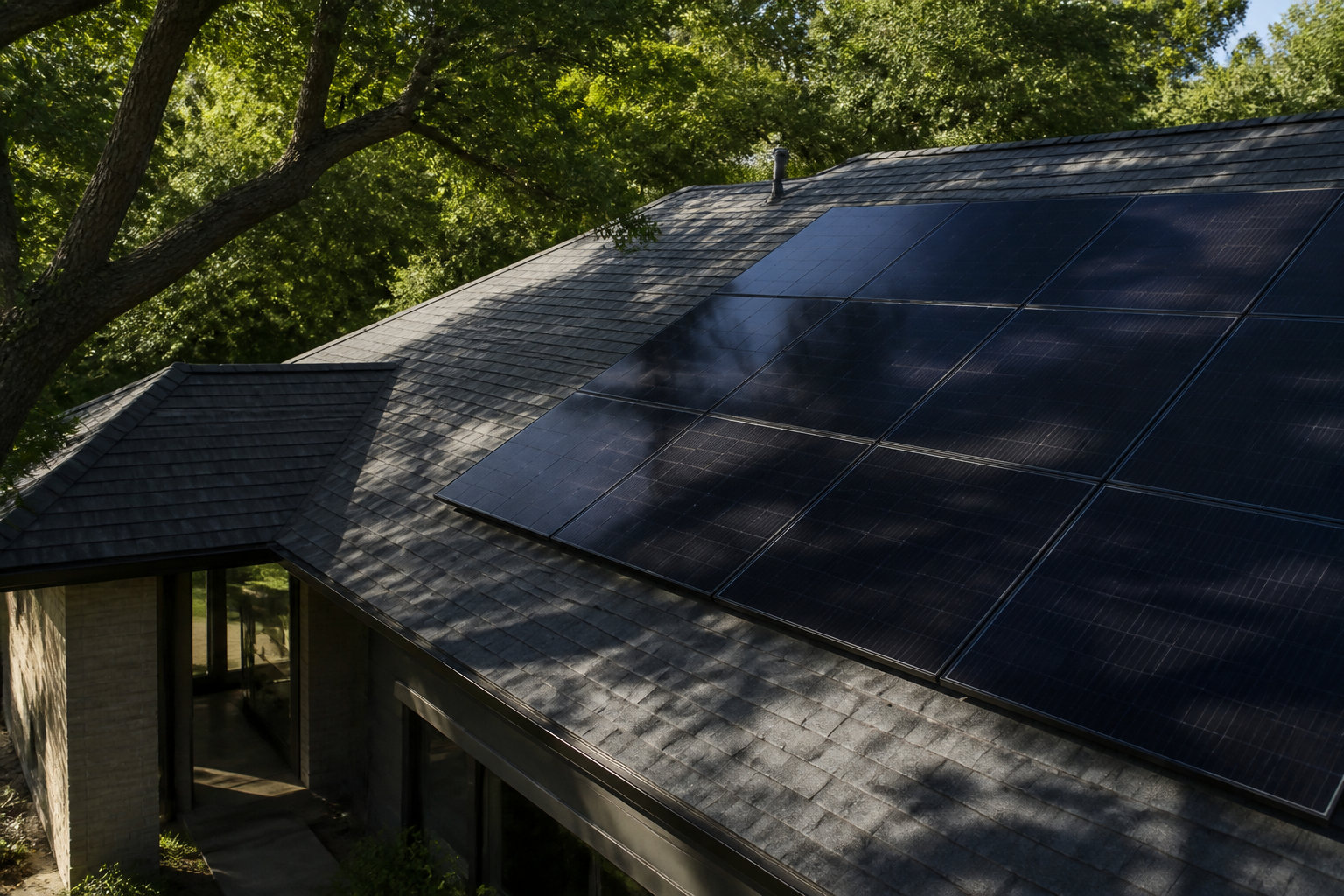
Electronics hate extreme heat. Microinverters sit directly under hot panels on the roof. This exposure can lead to faster component degradation over time.
Central inverters stay in cooler garages or basements. This protected environment often extends their operational life significantly. Microinverter vs string inverter: which is better for kits? It depends on your local climate.
Modern microinverters use advanced cooling fins. They are designed for harsh outdoor conditions. Still, conversion losses increase slightly as temperatures rise. This is a vital trade-off.
For those living in regions with high solar radiation, understanding extreme climate solar efficiency is a must for long-term reliability. 🚀
Maintenance Logistics and Individual Panel Monitoring Benefits
Beyond immediate performance, you must think about the next two decades of upkeep and the inevitable need for technical troubleshooting.
Rooftop Diagnostics vs Accessible Central Units
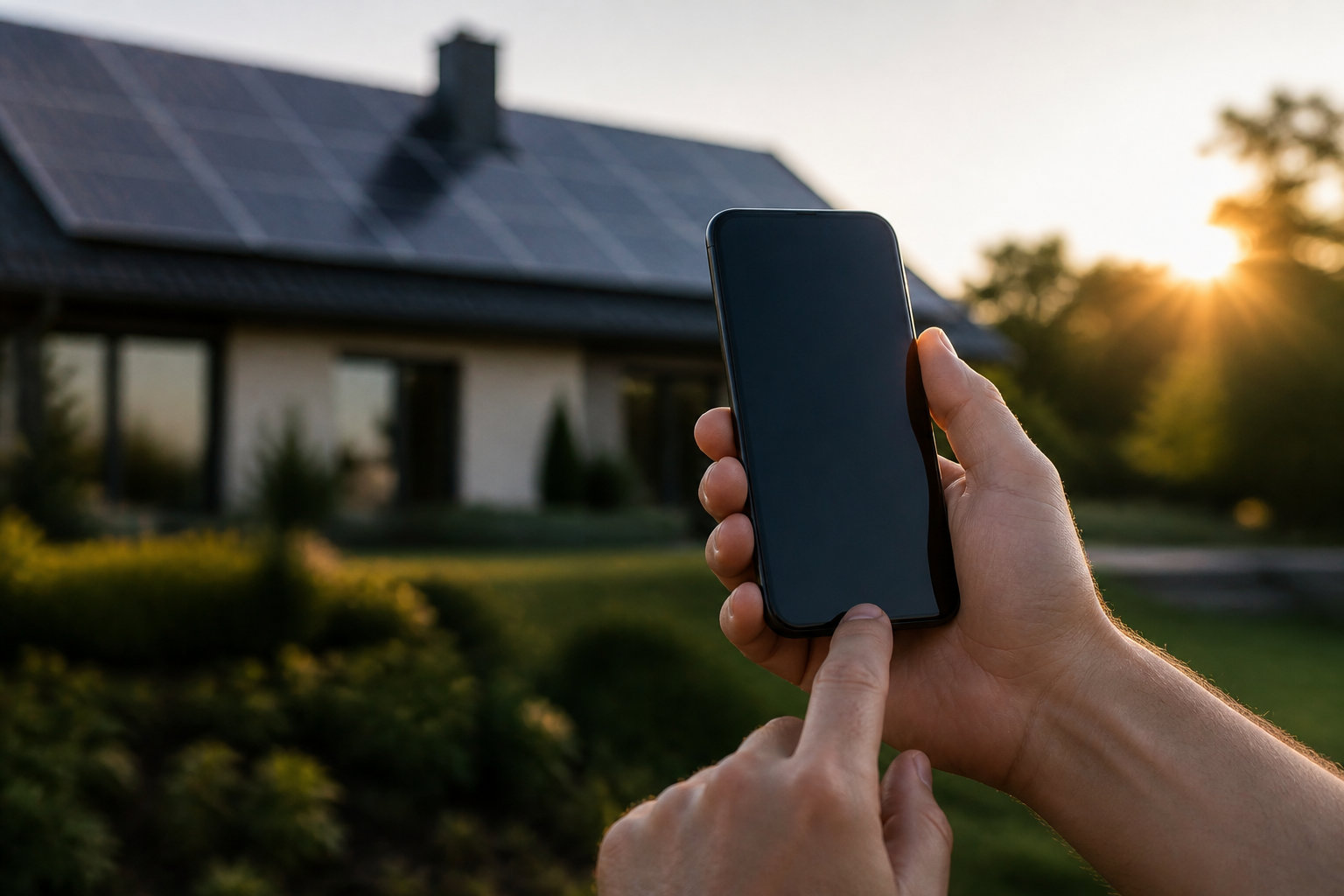
Microinverters offer granular data. You can see exactly which panel is underperforming via a smartphone app. This makes identifying a faulty cell or dirty glass incredibly easy for homeowners.
String inverters only show the total system health. If production drops, you must test every panel manually. This is time-consuming and often requires professional tools to locate the fault.
| Feature | Microinverter | String Inverter |
|---|---|---|
| Monitoring Detail | Panel-level | System-level |
| Failure Impact | Single panel | Entire string |
| Repair Access | Rooftop | Ground |
| Troubleshooting Speed | Instant | Manual |
Mixing Panel Ages and Brands During Expansion
Solar technology moves fast. In five years, your current panels might be obsolete. Microinverters allow you to add newer, more powerful modules to your existing kit. They don’t need to match the old ones. This flexibility is a massive advantage.
String systems are rigid. Every panel in a string should ideally be identical. Mixing brands or capacities causes severe efficiency mismatches. This makes future system expansions much harder.
Discover how microinverters simplify the benefits of plug and play solar for your home today.
Safety Compliance and Long-Term Financial Cost Analysis
Finally, we must weigh the legal safety requirements against the total dollars spent over the system’s entire twenty-five-year lifespan.
Rapid Shutdown Protocols and Building Codes
Modern fire codes require rapid shutdown. This feature de-energizes panels quickly during emergencies. Microinverters have this built-in by design. They meet strict 2026 safety standards without extra hardware.
String systems need additional equipment for rapid shutdown. This adds cost and complexity to the installation. Without it, high-voltage DC lines remain live and dangerous even if the main breaker is off.

Safety is non-negotiable for your home. You can learn more about the specific legal regulations for plug and play solar in the USA. Compliance protects first responders and your property.
Total Cost of Ownership and Warranty Differences
String inverters are cheaper upfront. You buy one box instead of many small ones. However, they usually only have 10-year warranties. You will likely replace the unit twice during the panels’ life. This doubles your long-term maintenance costs.
Microinverters often come with 25-year warranties. This matches the lifespan of the solar panels themselves. While the initial investment is higher, the peace of mind is worth the premium.
When calculating your ROI, look beyond the sticker price. Check out the detailed breakdown of plug and play solar kit cost. This helps you understand the long-term value of microinverters vs string inverter for plug and play.
- 25-year warranty
- Built-in rapid shutdown
- Higher upfront cost
- 10-year warranty
- Extra hardware for safety
- Lower upfront cost
Choosing the right microinverter vs string inverter for plug and play setups ensures maximum yield through shade tolerance, superior safety with built-in rapid shutdown, and seamless future expansion. Secure your energy independence today to enjoy a high-performance, worry-free solar journey for the next 25 years. Smart technology makes solar simple and powerful.
FAQ
Why are microinverters considered the best choice for DIY solar kits?
Microinverters are the gold standard for plug-and-play kits because they prioritize your safety and simplify the setup. By converting power directly at the panel level, they eliminate dangerous high-voltage DC wiring, allowing you to simply click AC cables together for a fast and secure installation. ⚡
Beyond safety, they offer incredible flexibility. Since each module operates independently, you can easily expand your system later with different panel brands or newer technologies without worrying about compatibility issues. It is the ultimate “future-proof” solution for your home! 🚀
How do microinverters handle shade compared to traditional string inverters?
Shading is a major efficiency killer for traditional string systems, where one single shadow from a chimney or tree branch can cripple the production of an entire row of panels. Microinverters solve this by isolating the impact; if one panel is shaded, the rest of your array continues to produce at 100% capacity. ☀️
Research shows that in mixed shading conditions, microinverters can boost your total energy yield by up to 12.3% compared to string inverters. This makes them the superior choice for complex roofs or environments where sunlight isn’t perfectly uniform throughout the day.
Is a microinverter system safer for my home than a string inverter?
Absolutely! Safety is a massive advantage here. Microinverters operate at low-voltage AC, similar to your standard household appliances, which significantly reduces the risk of electrical arcs. They also feature built-in rapid shutdown protocols, ensuring your system meets strict safety codes (like NEC 2026) without needing extra, expensive hardware. 🛡️
In contrast, string inverters keep high-voltage DC lines live as long as the sun is shining, even if you turn off the main breaker. For a DIYer, choosing microinverters means choosing peace of mind and a much simpler path to regulatory compliance.
What are the long-term cost benefits of choosing microinverters?
While the upfront investment might be slightly higher, microinverters offer a much better total cost of ownership. They typically come with 25-year warranties that match the lifespan of your panels. String inverters usually only last 10 to 15 years, meaning you’ll likely pay for a full replacement at least once during your system’s life. 💰
Additionally, microinverters provide panel-level monitoring via smartphone apps. This allows you to spot a dirty panel or a technical glitch instantly, saving you hours of manual troubleshooting and ensuring your investment is always performing at its peak efficiency.
Can I mix different solar panel brands if I use microinverters?
Yes, you can! This is one of the most liberating features of microinverter technology. Because each panel has its own dedicated inverter, they don’t need to match. You can start with a small kit today and add more powerful or newer modules in three or five years without any technical headaches. 🔄
String inverters are much more rigid; they require panels to be identical to avoid severe efficiency mismatches. If you want a system that grows with your needs and adapts to future technology, microinverters are the only way to go!