Key takeaway: The 30% federal tax credit expires on December 31, 2025, meaning plug-and-play kits installed in 2026 will no longer qualify for this specific incentive. You can still maximize your ROI by leveraging state rebates and long-term bill savings. Remember, while the federal window closes soon, local incentives remain vital for your solar transition.
The 30% Residential Clean Energy Credit has historically made solar energy accessible to everyone, but a major shift is coming. The federal tax credits for plug and play solar kits are currently set to expire for any systems installed after December 31, 2025. This means that if you wait until 2026 to set up your panels, you will miss out on the significant upfront savings provided by IRS Form 5695.
We are here to help you navigate this transition by exploring how to maximize your ROI through state-level incentives and long-term utility savings even after the federal window closes.
Qualifying for Federal Tax Credits for Plug and Play Solar Kits
Plug-and-play solar kits qualify for the 30% Residential Clean Energy Credit if they are new, original installations placed in service by December 31, 2025, meeting specific IRS criteria for qualified solar electric property.
The eligibility hinges on the technical definition of the equipment used in these setups.
Identifying Qualified Clean Energy Property for Small Kits
The IRS defines qualified solar electric property as equipment using solar energy to generate electricity for a U.S. residence. The system must be functional and integrated into the home’s power supply.
Only new hardware qualifies for this incentive. You cannot claim credits for used components, refurbished panels, or kits that were previously installed at another location by a different owner.
Ground-mounted kits or non-permanent balcony setups are eligible. The IRS focuses on the energy production capacity and residential use rather than the specific mounting method or permanent structural attachment.
Understanding your residential solar kit ROI helps clarify these tax benefits. Proper documentation ensures you meet all federal standards for safety and ownership.
Must be new equipment (no used parts).
Must be installed at a U.S. residence.
Must meet applicable fire and electrical safety standards.
Must be owned by the taxpayer, not leased.
Note on Tax Liability
The credit is non-refundable (no check if tax liability is zero) but unused portions can be carried forward to future tax years.
Navigating the 2025 Placed in Service Deadline
You must act before the December 31, 2025 deadline. “Placed in service” means the kit is fully installed, connected, and ready to produce electricity for your household’s immediate needs.
Buying a kit isn’t enough to secure the credit. If the system isn’t generating power by the year-end cutoff, you lose the claim for that cycle. Learn how plug and play solar panels work to ensure a fast, compliant setup.
The 30% credit remains stable through 2032, but the 2025 window is a critical milestone for early adopters.
2026 Eligibility Alert
The Residential Clean Energy Credit is only available for systems installed by December 31, 2025. Systems installed in 2026 or later currently do not qualify for this federal credit.
Distinguishing Between Equipment Purchase and Leasing Models
Ownership is the absolute rule here. Only the individual who legally owns the solar hardware can claim the 30% credit on their federal tax return. Renters or leasers are excluded.
Watch out for third-party solar leases. If a company provides the kit via a lease agreement, they retain the tax benefit. You only get the monthly energy savings, not the credit.
Always read the fine print. Small-scale solar agreements often bury ownership clauses that could strip away your right to claim federal tax credits for plug and play solar kits in 2026 and beyond.
Buying your hardware is the smartest path. Direct ownership maximizes your total investment return and puts the tax savings straight into your pocket.
Technical Requirements for DIY Solar Kit Qualification
Beyond basic ownership, your DIY setup must meet rigorous technical standards to satisfy the IRS and local authorities.
Meeting Electrical Code and Safety Standards
UL certification is non-negotiable for safety. The IRS requires equipment to meet standards like the National Electrical Code to qualify. Safety ensures long-term system reliability.
Local fire codes apply to all residential structures. Even plug-in devices must comply to protect your home. Regulations prevent electrical hazards.
Safety is a legal necessity. It directly impacts your federal tax credit eligibility. Don’t skip these steps.
Handling Utility Interconnection and Local Inspections
Notify your utility company before plugging in. Small kits often need a simple interconnection agreement. This ensures power feeds back safely. It protects the grid.
Mandatory inspections are common in many areas. A professional sign-off might be required. This proves the system is officially “placed in service.” Documentation is key.
Check how this affects plug and play solar for renters. Landlord permission is often needed. Always verify local zoning rules.
Grid-tied systems face higher scrutiny. Off-grid kits avoid these specific utility hurdles. Choose your setup wisely.
Comparing DIY Installation Risks Against Professional Setups
Analyzing costs requires perfect record-keeping. Without labor invoices, keep every receipt for components. Document every bracket and wire. Accuracy is your best defense.
DIY labor is not tax-deductible, but all hardware costs for the functional system are fully eligible for the credit.
Self-installation saves significant money upfront. However, it increases your burden of proof. Audits require clear evidence.
Professional installs offer more legal certainty. They provide a clear paper trail. The IRS follows these easily.
How to File IRS Form 5695 for Your Portable System?
Once your hardware is safe and spinning the meter, the final step involves the paperwork required by the IRS.
Important Requirement
Use IRS Form 5695 to claim your credit. You must own the system and it must be installed at your primary residence.
Reporting Solar Expenses on IRS Form 5695
We suggest navigating Form 5695 with precision. Enter the total cost of your solar kit on line 1. It is quite straightforward.
Separate equipment from supplies. Include wires and mounting kits, but exclude tools used for the installation process itself.
Transfer the final credit amount. This figure moves from Form 5695 to your Form 1040. It reduces your tax bill.
Double-check every calculation. Math errors cause delays. Accuracy is your best friend.
Managing the Carry-Forward of Unused Tax Credits
The Residential Clean Energy Credit is non-refundable. If your tax bill is zero, the IRS won’t send a check. It only offsets taxes.
Detail carry-forward rules carefully. You can move unused credit to next year’s return indefinitely. Nothing is wasted.
This is a great strategy for low liability. It makes solar affordable even for modest annual income tax obligations.
Your investment isn’t lost. The credit stays with you until it is fully utilized against taxes.
Organizing Documentation to Survive a Potential Audit
List necessary receipts now. Keep every invoice for the panels, microinverters, and cabling systems. Organization is power.
Suggest photographic proof. Take clear pictures of the installed system to prove the service date. It adds credibility.
Proof of purchase receipts
Technical spec sheets
Photos of installation
Utility interconnection emails
Form 5695 copies
Store these records for seven years. Proper documentation is your best defense against inquiries.
Maximizing Financial Returns on Small-Scale Solar in 2026
Filing the paperwork is just the start; the real goal is squeezing every cent of value out of your setup.
Financial Driver
Impact on ROI
Claim Method
Federal Tax Credit
0% (Expired 2025)
N/A in 2026
State Rebates
10-25% Reduction
Tax Forms
Bill Savings
Monthly Cut
Automatic
Net Metering
Variable Revenue
Utility Agreement
Leveraging State-Level Incentives and Local Rebates
Identify state tax credits. Many states offer percentages off the total cost that stack with local benefits. These perks remain active despite federal expirations.
Mention utility-specific rebates. Local companies often pay you to reduce grid strain. Understanding the benefits of plug-and-play solar for home helps you secure these cash incentives quickly.
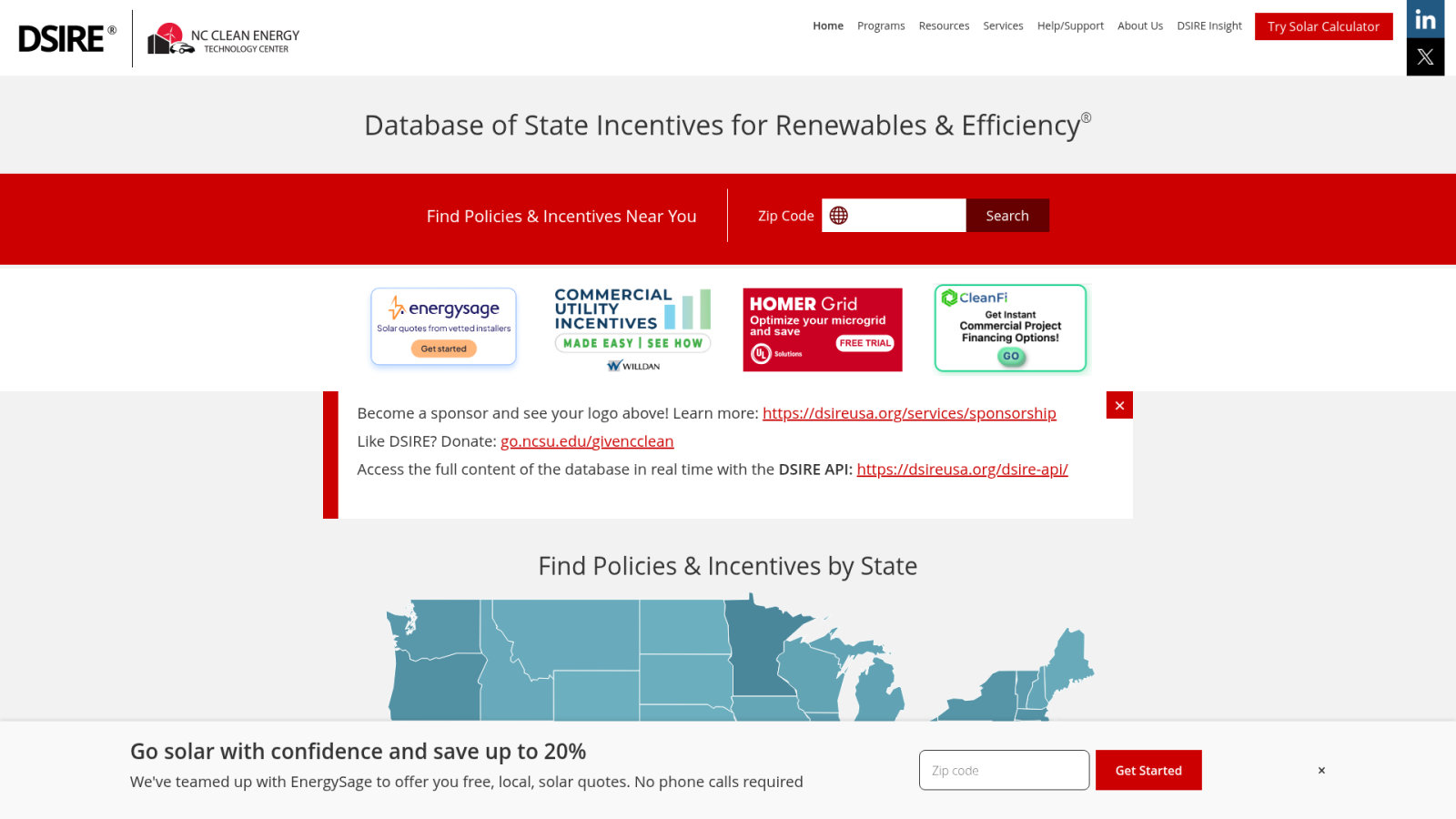
Check state databases. The DSIRE website is a great resource for finding every program in your specific zip code.
State income tax credits
Local utility cash rebates
Property tax exemptions
Sales tax waivers
Calculating ROI Through Net Metering and Bill Savings
Explain monthly bill reduction. Small kits lower grid reliance, providing immediate savings on every statement. You see the difference in your budget instantly.
Discuss net metering roles. Selling excess power helps recoup the plug and play solar kit cost much faster. It turns your roof into a micro-revenue stream.
Provide a break-even timeline. Most setups pay for themselves within three to five years. High-rate areas see even faster returns.
Solar is a long-term play. Modest systems generate significant cumulative wealth over a twenty-year lifespan. It is a smart hedge against inflation.
While the 30% federal tax credit expires after 2025, your energy independence remains a smart investment. Focus on state rebates and long-term bill savings to secure your ROI. Act now to master your energy future and start saving today. Solar power pays off long after the tax window closes!
FAQ
Are there any federal tax credits for plug and play solar kits in 2026?
Unfortunately, no. The Residential Clean Energy Credit (formerly the solar ITC) is currently set to expire for systems installed after December 31, 2025. If you set up your plug-and-play kit in 2026, you won’t be able to claim that 30% federal tax deduction under current laws.
While the federal window is closing, don’t lose heart! You should focus on state-level incentives and long-term bill savings. Even without the federal boost, the rising cost of electricity means your kit can still pay for itself over its 25-year lifespan.
What solar incentives can I still find in 2026?
Even without the federal credit, you have plenty of options to lower your costs. Many states offer their own income tax credits, property tax exemptions, or sales tax waivers. Local utility companies also frequently provide cash rebates to encourage residential renewable energy.
We recommend checking the DSIRE database or contacting your state’s department of energy. Programs like Solar Renewable Energy Certificates (SRECs) or specific utility performance payments can significantly improve your return on investment.
How does net metering work for small kits in 2026?
Net metering policies vary wildly depending on where you live. In some states, like Massachusetts or New York, you might still get a 1:1 credit for the power you send back to the grid. However, many areas are moving toward “Net Billing,” where the utility pays you a lower wholesale rate for your extra energy.
If you live in a state with lower export rates, like California under NEM 3.0, adding a battery storage system is a smart move. This allows you to store your own “free” solar power for use during expensive peak hours rather than selling it back to the utility for a few cents.
Can I still use IRS Form 5695 for my solar expenses?
For systems placed in service before the end of 2025, you definitely use Form 5695 to claim your 30% credit. You simply enter your total equipment costs, including the panels, microinverters, and wiring, on line 1. Just remember that you cannot claim the value of your own DIY labor.
If you have a tax liability that is smaller than your credit, don’t worry! This credit is non-refundable, but you can carry forward the unused portion to future tax years. This ensures you eventually get the full financial benefit of your investment.
What documentation should I keep for my DIY solar installation?
To stay safe during a potential audit, you need to be organized. Keep all purchase receipts for your hardware and technical spec sheets. We also suggest taking dated photos of the installed system on your roof or balcony to prove exactly when it was placed in service.
Make sure to save copies of your utility interconnection emails and your completed Form 5695. It is best practice to store these records for at least seven years to ensure you have a clear paper trail for the IRS.