Key takeaway: Integrating plug-and-play solar with smart hubs via Zigbee or MQTT transforms passive panels into an active energy strategy. By synchronizing heavy appliance loads with peak production, you can slash grid reliance by 30%. This automation identifies phantom loads instantly, ensuring that every watt generated maximizes your ROI while cutting monthly bills automatically.
Smart home hubs link microinverters via Zigbee or Wi-Fi gateways to synchronize appliance loads with peak production, potentially cutting grid reliance by 30%. Most homeowners still treat their solar panels as static hardware, watching energy vanish into the grid while paying full price for evening electricity.
We help you bridge this gap by mastering plug and play solar integration with smart home systems to transform your setup into a responsive energy ecosystem. We will show you how to automate your appliances to follow the sun and maximize every watt you produce.
Why Plug and Play Solar Integration With Smart Home Systems Matters
Smart home hubs link microinverters via gateways to synchronize appliance loads with peak production. This automation cuts grid reliance by 30% through real-time monitoring and advanced hardware communication protocols.
Understanding the Role of Microinverters and Gateways
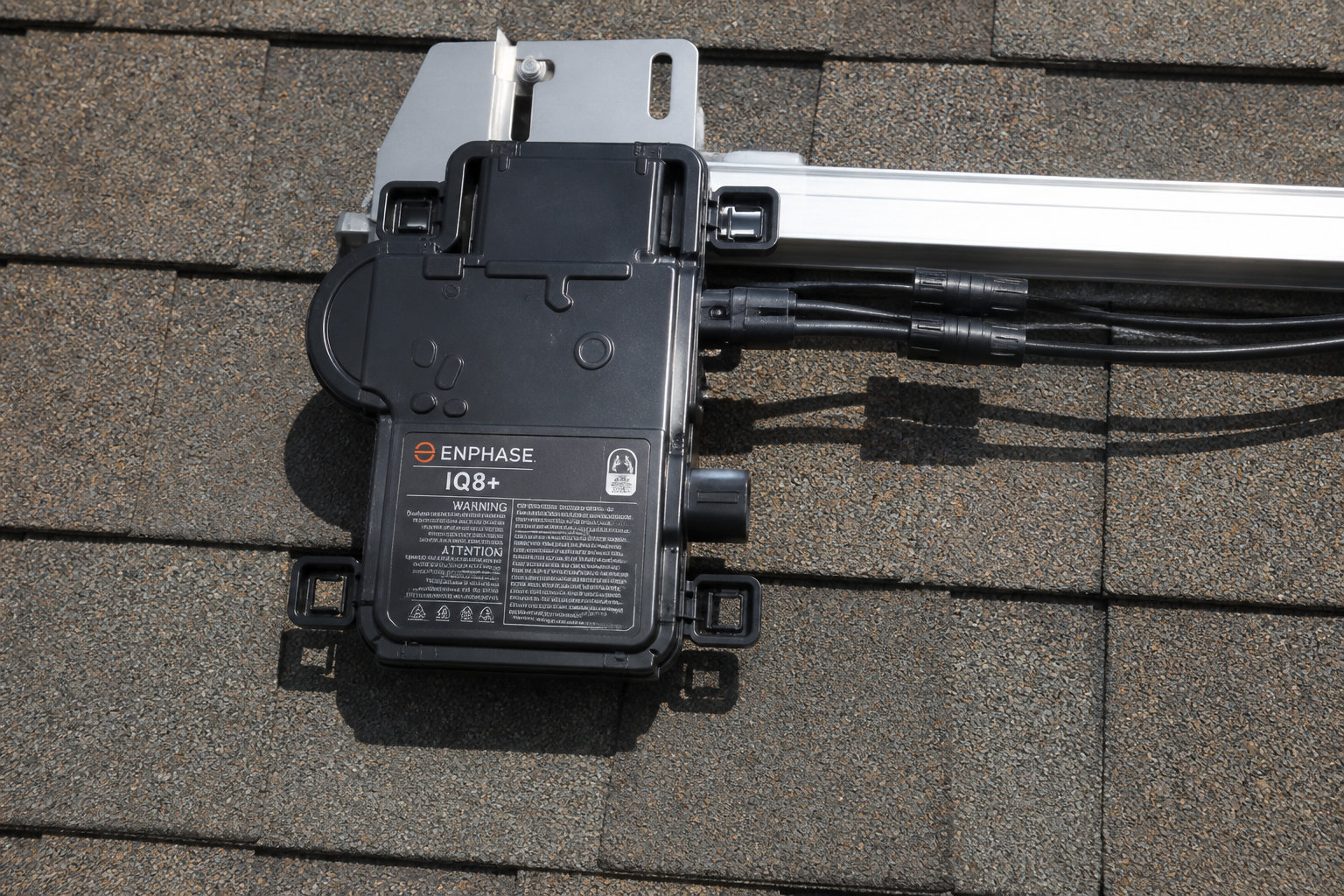
Modern microinverters act as the brain of your kit. They convert DC to AC at the source. These units talk directly to gateways for seamless operation.
Key Definitions
Microinverters: Devices under each panel allowing individual management. Gateways: Communication devices sending production data to the cloud.
Gateways send data to local hubs, ensuring your system stays resilient. Learn more about how plug and play solar kits work to master this setup.
Tracking panels individually beats old string systems. It maximizes uptime and keeps your system healthy without total failures.
Real-Time Monitoring of Energy Production and Domestic Use
Smart apps bridge the gap between production and consumption. You can spot energy waste immediately. Using real-time monitoring helps you kill phantom loads instantly.
Connected solar ecosystems turn passive energy generation into an active management strategy that slashes monthly bills by identifying hidden phantom loads instantly.
We are moving from static setups to connected ecosystems. You gain total control over every watt produced for better efficiency.
3 Technical Methods to Connect Solar Hardware to Your Hub
While monitoring is great, the real magic happens when you bridge your hardware directly into your central smart home controller.
Comparing Open-Source HomeAssistant Logic With Proprietary Apps
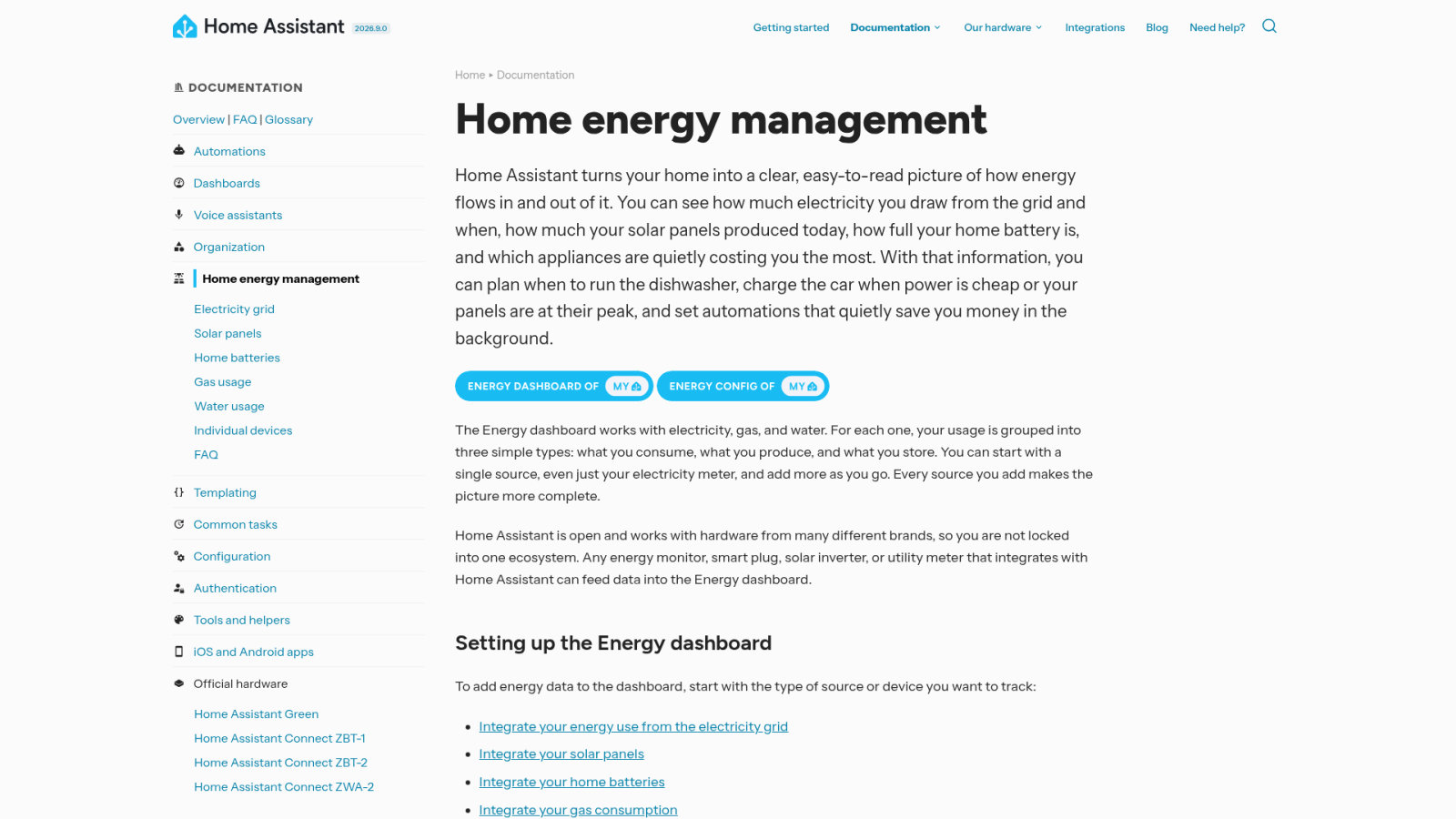
HomeAssistant offers unmatched flexibility compared to rigid manufacturer apps. It prioritizes your privacy by keeping data off external servers. You gain full local control over every energy flow.
Integrating this requires specific hardware like Zigbee or Bluetooth dongles. These tools bypass cloud dependencies for a faster setup. Check out why buy a solar panel plug and play for hardware insights.
Local Integration Benefits
Privacy
No subscription fees
Custom automation logic
Offline functionality
Owning your data means zero downtime during cloud outages. Everything runs smoothly even if your internet drops. You finally hold the keys to your energy ecosystem.
Bridging Data Through MQTT Protocols and Cloud-Based Adapters
The MQTT protocol is the gold standard for low-latency communication. It acts as a lightweight messenger between your solar inverter and the hub. This ensures your data updates instantly without lag.
Legacy solar hardware often needs RS485 or API adapters to talk to modern systems. These bridges provide the connectivity stability required for long-term monitoring. They turn old tech into smart assets.
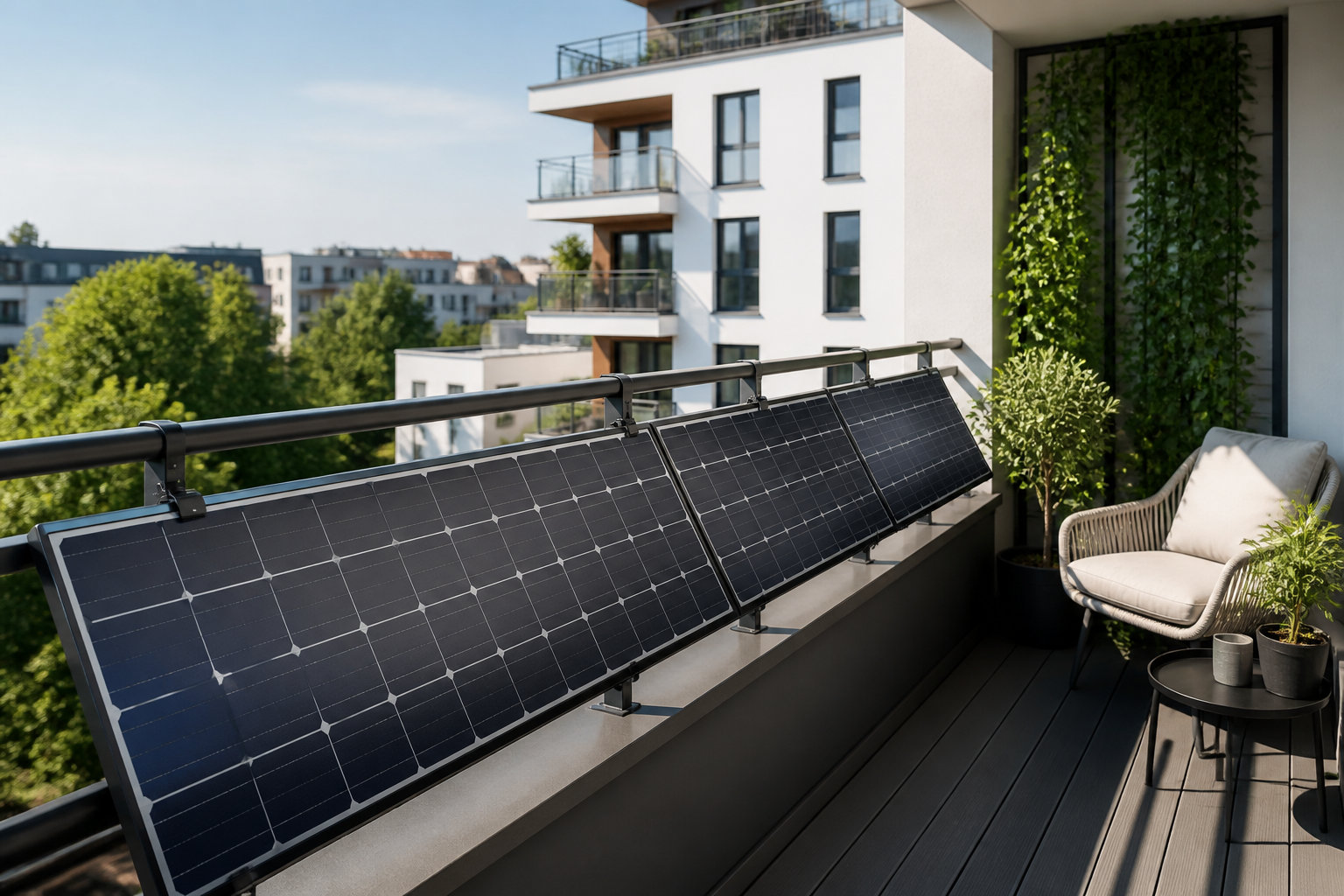
Outdoor units often struggle with weak Wi-Fi signals. Positioning your router closer or using extenders fixes most drops. Learn to install balcony solar panels safely to ensure optimal placement.
How to Automate Appliances for Maximum Savings?
Once the data flows into your hub, you can start forcing your heavy appliances to obey the sun’s schedule.
Scheduling High-Load Appliances During Peak Sunlight Hours
Program your dishwasher to start only during solar spikes. Setting specific wattage thresholds ensures you use load shifting effectively. It keeps your energy consumption strictly local and free.
Automating heavy machinery prevents expensive grid draws. You can avoid grid peaks by syncing cycles with production. Check this guide on plug and play solar kit cost for budget planning.
Mastering Time-of-Use (TOU) optimization slashes bills. Your home simply saves money automatically while you focus on life.
Managing Smart Plugs and Thermostats via Solar Output Triggers
Use excess solar to pre-cool your home. Automation through smart thermostats stores thermal comfort for later. This strategy prevents drawing expensive power when the sun eventually sets.
Smart plugs are perfect for cutting phantom loads instantly. Integrating weather-based forecasting logic helps your system anticipate production drops. It makes your smart home truly proactive, not just reactive.
Environmental sensors refine every production prediction. Smart triggers ensure no watt is ever wasted.
Device
Trigger Logic
Benefit
Washing Machine
Solar production > 500W
Zero-cost laundry cycles
AC Unit
Temp > 25°C + Excess Solar
Free thermal energy storage
EV Charger
Battery > 80%
Fueling with pure sunlight
Smart Plug
Standby power detected
Eliminates vampire energy drain
Advanced Strategies for Storage and Safety
Beyond simple automation, adding batteries and safety triggers ensures your smart solar system remains robust and secure.
Scaling the System With Battery Storage for Off-Peak Use
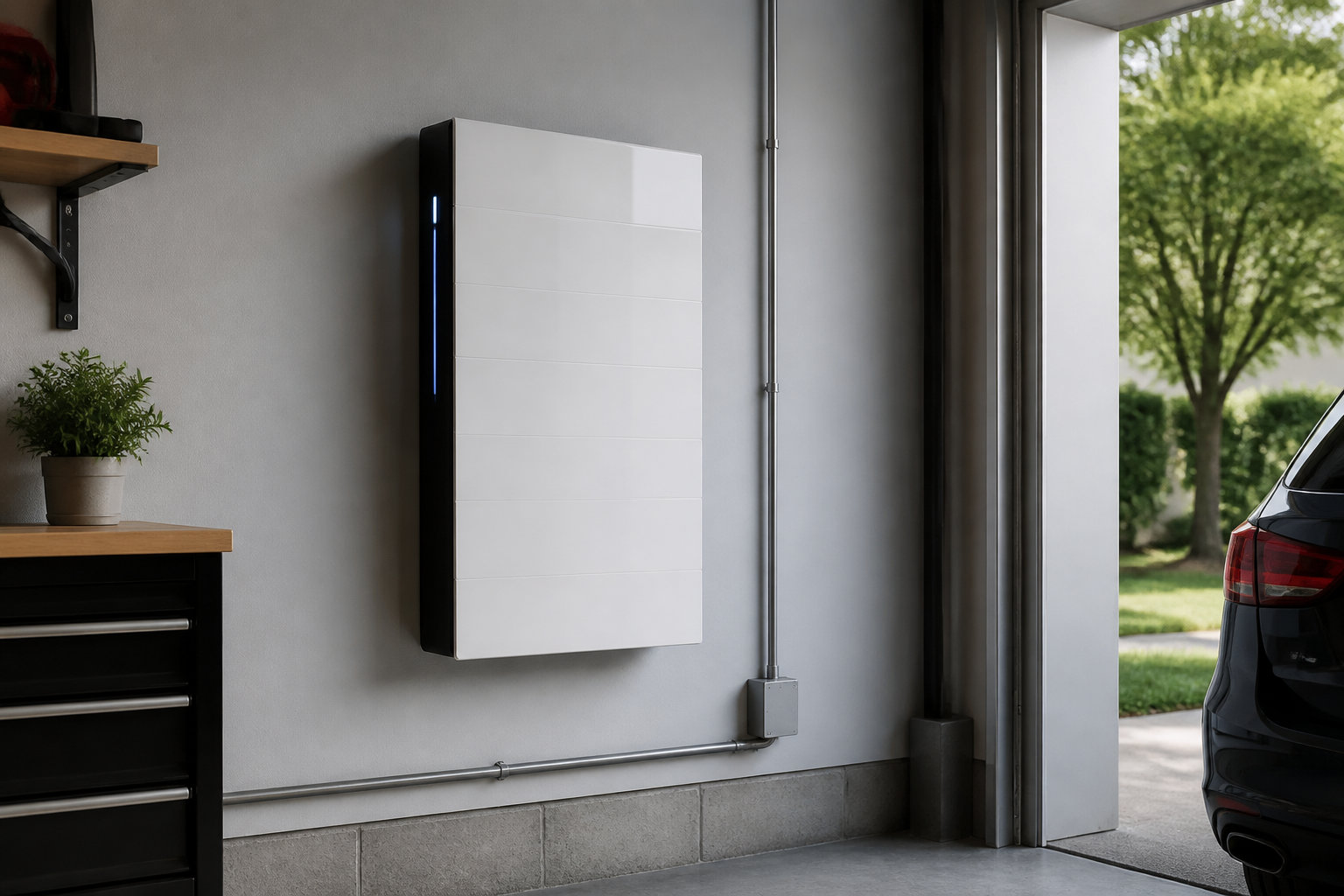
Integrating battery backups captures midday surplus energy. Storing energy for night use maximizes your independence. You should consider battery storage to avoid wasting production. Check this guide on lithium vs lead-acid solar storage.
Automated discharge strategies lower evening costs. Smart systems handle EV charging management efficiently. This shift reduces your reliance on the grid during expensive peak hours.
Managing state of charge protects your investment. It ensures long-term efficiency for your setup. Learn more about the lifespan of plug and play solar panels and batteries.
Implementing Safety Protocols and Connectivity Troubleshooting
Emergency shutdown procedures protect your home. Smart home triggers enhance overall safety. Always implement safety protocols to handle unexpected electrical surges or grid failures instantly.
Safety Alert
Monitor inverter temperatures and implement emergency shutdown triggers to prevent hardware damage.
Temperature monitoring prevents inverter overheating. Smart sensors help in battery fire prevention.
Automated safety shutdowns are not just a luxury; they are the final line of defense against thermal runaway in DIY solar setups.
Professional advice helps with complex wiring. Connectivity fixes ensure your data stays synced. Visit solar-panel-kit.com for expert technical support and troubleshooting tips.
Smart microinverters and real-time monitoring transform static panels into a dynamic energy ecosystem. By leveraging protocols like MQTT or Zigbee, you can synchronize high-load appliances with peak production to slash bills immediately. Start your plug and play solar integration with smart home systems today to secure a sustainable, automated future.
FAQ
How can I connect my plug and play solar panels to a smart home hub?
Integrating your solar hardware is surprisingly straightforward. Most modern systems use microinverters that communicate via Wi-Fi or Zigbee protocols to a central gateway, such as the Enphase IQ Gateway. This gateway acts as the bridge, sending your production data to the cloud or local controllers like Home Assistant, allowing you to view your energy flow in real-time.
For a more advanced setup, you can use the MQTT protocol to link your solar data with open-source hubs. This local control ensures your data remains private and your automations continue to function even if your internet connection drops. Simply ensure your gateway is within a strong signal range to maintain a stable link between your panels and your smart home ecosystem.
Is it possible to automate my appliances based on solar production?
Absolutely! This is where the real savings begin. By using real-time monitoring, your smart home hub can detect when your panels are producing a surplus of energy. You can then set “load shifting” triggers to automatically start energy-hungry appliances, like your dishwasher or washing machine, exactly when the sun is at its peak.
Beyond simple scheduling, you can integrate smart thermostats to pre-cool or pre-heat your home using excess solar power. This effectively turns your home’s thermal mass into a form of energy storage, reducing your reliance on the grid during expensive evening hours and maximizing your return on investment.
What are the benefits of adding battery storage to a smart solar setup?
Adding battery storage transforms your system from a daytime-only solution into a 24/7 energy powerhouse. A smart hub manages the state of charge, ensuring your batteries soak up every bit of midday surplus. This stored energy is then automatically deployed during the night or during power outages, keeping your essential devices running without a hitch.
Furthermore, smart integration allows for sophisticated discharge strategies. Your system can prioritize powering high-draw devices during peak utility rate windows, significantly slashing your monthly bills. It’s a seamless way to enhance your home’s resilience while maintaining a smaller carbon footprint.
How do I ensure my integrated solar system remains safe and reliable?
Safety is a top priority in any DIY solar project. Smart systems enhance protection through safety protocols like automated emergency shutdowns and panel-level monitoring. By using sensors to track inverter temperatures and battery health, your smart hub can trigger alerts or shut down the system if it detects any anomalies, preventing issues before they arise.
To keep your connection reliable, always perform a signal range test during installation. If your gateway is far from your panels, using Zigbee range extenders or wired USB adapters can boost signal strength. This ensures consistent data flow and prevents “phantom loads” from slipping through your monitoring net, keeping your energy management sharp and effective.