An average 400W solar panel generates roughly 1.6kWh of energy per day under optimal conditions, meaning a small array can effectively fuel your daily commute. However, plugging your vehicle directly into a volatile solar source without a buffer often triggers damaging relay cycles that can brick your expensive onboard charger.
We explore how a plug and play solar kit for EV charging provides energy independence while protecting your vehicle electronics. We will break down the hardware requirements and ROI strategies you need to build a reliable off-grid charging station today.
- Why a Plug and Play Solar Kit for EV Charging Is Your Next Power Move ☀️
- Essential Hardware for Your Off-Grid Charging Station 🛠️
- Smart Strategies to Maximize Your Solar Charging Efficiency ⚡
- Protecting Your Investment and Calculating Long-Term ROI 💰
Why a Plug and Play Solar Kit for EV Charging Is Your Next Power Move ☀️
Charging an EV off-grid requires a buffer battery to prevent relay damage from cloud-induced fluctuations. A 5kW solar array typically provides 20-30 miles of daily range with pure sine wave inverters. Batteries are technically necessary to avoid direct charging risks.
Direct solar-to-EV charging causes dangerous relay cycling. Volatile solar output can brick onboard chargers; a battery buffer is essential for stabilization.
Can You Skip the Battery and Charge Directly?
Direct solar-to-EV charging is risky. Solar output is volatile. This lack of a steady current buffer threatens your vehicle’s sensitive electronics.
Passing clouds cause rapid power cycles. These fluctuations trigger the car’s internal charging relays to click repeatedly, leading to mechanical fatigue.
Frequent relay cycling due to intermittent cloud cover is the fastest way to brick your EV’s onboard charger without a battery buffer.
Stabilize energy delivery by using solar batteries for emergency backup power. A stationary battery prevents costly hardware failure.
Calculating the Solar Panels Needed for Your Daily Commute
Most EVs get about 3 to 4 miles per kWh. Use this formula to set your daily energy target. A 400W panel generates roughly 1.6kWh daily with 5 sun hours.
High-efficiency monocrystalline panels work best for small spaces. Always calculate the ROI of your residential solar kit to ensure your investment is profitable.
Essential Hardware for Your Off-Grid Charging Station 🛠️
While knowing your energy needs is a start, the actual hardware determines if your car accepts the charge or throws a red error light.
Selecting the Right Inverter and Charge Controller
Inverter capacity is your first hurdle. EVSE startup loads can be high. Ensure your inverter handles the continuous draw of your specific charger.
Pure Sine Wave inverters are non-negotiable for sensitive electronics. A quality charge controller prevents battery overcharging. High-quality electronics demand this clean power stability.
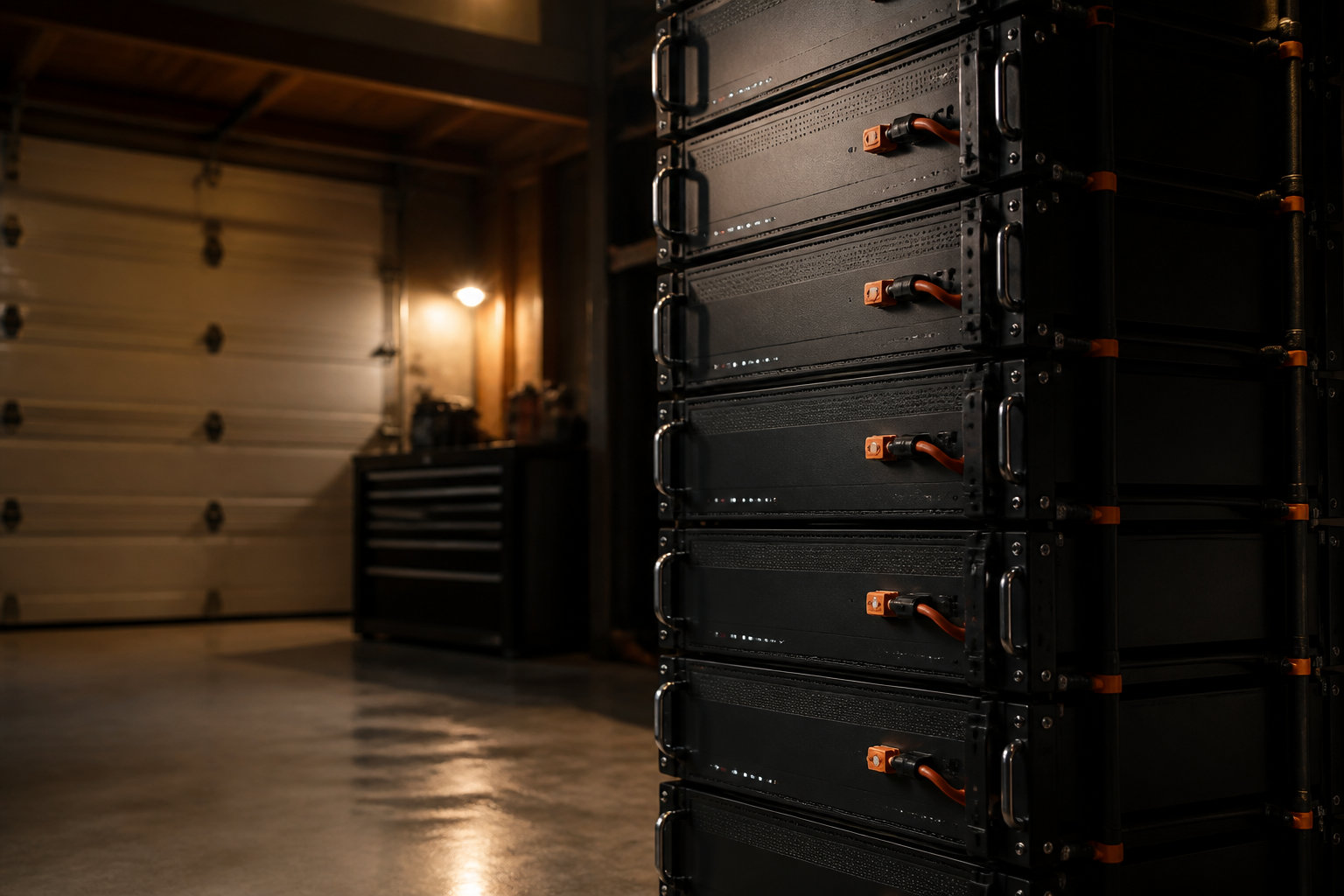
The Role of Server-Rack Batteries in Energy Storage
LiFePO4 server-rack batteries offer better depth of discharge and longer lifespans than lead-acid. They are the smartest choice for a lithium vs lead-acid solar storage setup.
| Battery Type | Lifespan (Cycles) | Depth of Discharge | Cost Efficiency |
|---|---|---|---|
| Lead Acid | 500 | 50% | Low |
| Lithium-Ion | 2000 | 80% | Moderate |
| LiFePO4 Server Rack | 4000 | 90% | High |
Grounding Requirements and Solving Neutral Wire Errors
The “no neutral” error is common in off-grid setups. Many EV chargers check for a bonded neutral. This safety check often fails on cheap inverters.
Follow safety guidelines for grounding the array. You must create a bonded neutral for compatibility. Safety is mandatory for high-voltage DIY projects.
Smart Strategies to Maximize Your Solar Charging Efficiency ⚡
Getting the hardware right is half the battle, but managing how that power flows makes the system truly efficient.
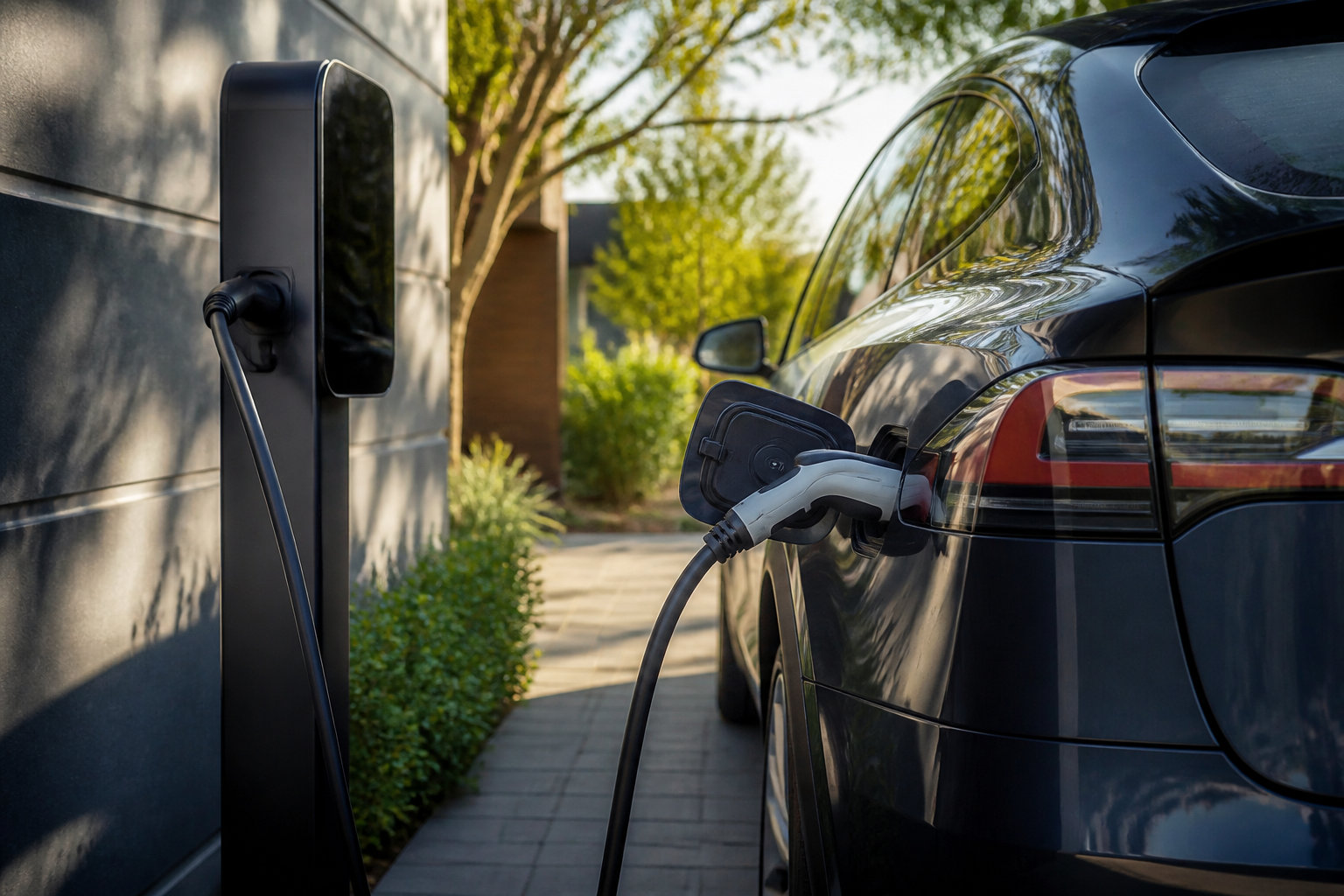
Using Smart EVSE to Modulate Amperage in Real-Time
Smart EVSE units act as the brain of your setup. These chargers dynamically adjust current based on real-time solar production. This precision prevents draining your battery bank too rapidly during fluctuations.
Low-amperage charging offers massive benefits. It effectively reduces heat and extends battery longevity significantly. Automation systems manage these specific charging windows without requiring your manual input, ensuring a seamless experience every single day.
Understanding how plug and play solar panels work is the first step toward true energy independence.
Syncing Charging Schedules with Peak Sun Hours
Timing is everything for solar success. You should aim for solar noon when production naturally peaks. This strategic move reduces the immediate load on your stationary storage batteries, preserving their cycle life.
- Use digital timers for automation
- Set charging to start at 10 AM
- End sessions by 4 PM
- Monitor real-time weather apps
Direct use of solar energy during these peak hours is always most efficient. It allows you to minimize conversion losses that occur when moving energy in and out of storage.
Protecting Your Investment and Calculating Long-Term ROI 💰
Beyond the technical setup, you need to look at the numbers to see if this DIY project actually saves you money.
Preventing Relay Wear from Frequent Power Fluctuations
Mechanical wear is a silent cost. Every relay click has a finite life. Constant stopping and starting during charging wears these internal components down significantly.
Replacing an onboard charger is expensive, often costing thousands. A stationary battery is a protective investment for your vehicle’s health. It acts as a buffer against fluctuations.
Adjust your software settings. Set delays to prevent rapid start-stop cycles during cloudy intervals.
Balancing Vehicle Efficiency with Stationary Storage Costs
Analyze your cost-per-mile carefully. DIY solar eventually beats grid prices, which range from 0.16 € to 0.79 € per kWh. Calculate the payback period for your specific plug and play kit cost.
DIY solar beats grid prices over time. You gain independence from utility rates and a locked-in energy price for decades.
While the upfront cost of off-grid solar is higher, the independence from rising utility rates provides a locked-in energy price for decades.
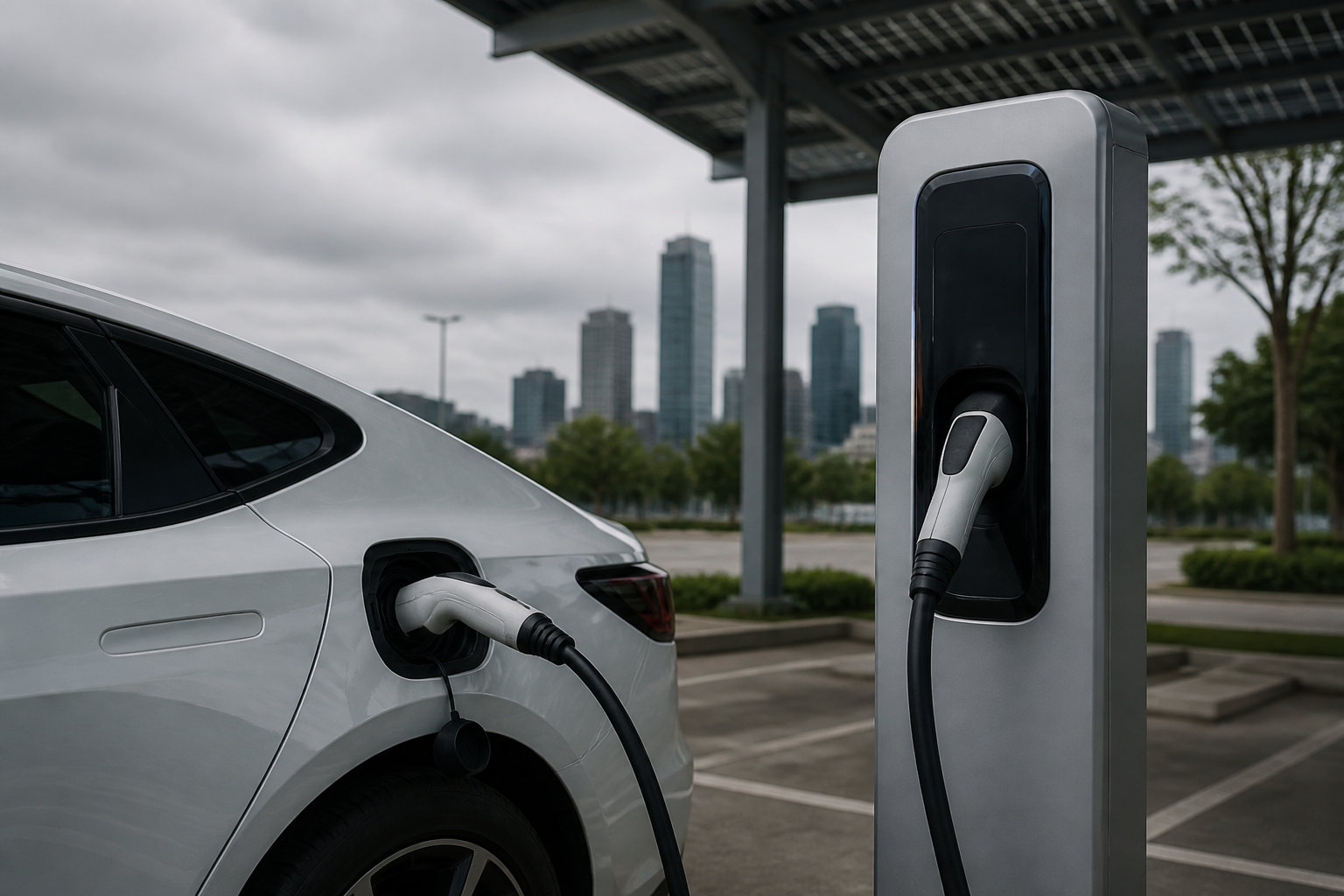
Localized production reduces transmission losses. It is the ultimate way to drive on clean energy while slashing your long-term carbon footprint.
Embracing a plug and play solar kit for EV charging secures your energy independence while protecting your vehicle’s sensitive electronics through battery buffering. By stabilizing power flow and syncing sessions with peak sun hours, you ensure long-term ROI and peak efficiency. Start building your sustainable fueling station today for a cleaner, cost-effective future.
FAQ
Is it actually possible to charge an electric car with a plug and play solar kit?
Absolutely! You can definitely harness the sun’s power to fuel your EV. By connecting your vehicle to a home solar setup during peak production hours, you transform your driveway into a clean energy station. These kits allow you to feed green electricity directly into your car’s battery, drastically reducing your dependence on the traditional grid.
For the most reliable results, integrating a stationary battery buffer is highly recommended. This setup ensures a steady flow of power even when clouds pass by, protecting your vehicle’s sensitive electronics while maximizing your use of free, renewable energy.
What are the risks of connecting a solar kit directly to my EV without a buffer?
Direct connection poses significant risks to your investment. Without a battery or regulator, solar output is volatile; a simple passing cloud can cause rapid power fluctuations. This triggers the car’s internal charging relays to click repeatedly, which is the fastest way to wear out or damage your EV’s expensive onboard charger.
Beyond mechanical wear, there are serious safety concerns like electrical arcs, overheating, and potential shocks. Using a Pure Sine Wave inverter and a proper charge controller is non-negotiable to ensure the current is stable and safe for your vehicle’s sophisticated battery management system.
How many solar panels do I need to cover my daily commute?
To calculate your needs, start with the fact that most EVs achieve about 3 to 4 miles per kWh. If you have a 5kW solar array, you can typically generate enough energy for 20 to 30 miles of range per day, depending on your local sun exposure. A single 400W panel usually produces around 1.6kWh daily under ideal conditions.
To hit your mileage goals efficiently, we recommend using high-efficiency monocrystalline panels. These compact powerhouses ensure you get the maximum energy conversion possible, even if you have limited space for your installation.
Why does my off-grid inverter show a “neutral wire error” when charging?
This common headache usually stems from a safety check performed by your EVSE. Many electric vehicle chargers look for a “bonded neutral” to ensure the system is safely grounded. Because many affordable off-grid inverters have a “floating neutral,” the charger detects a potential safety risk and blocks the session to prevent shocks.
To solve this, you must ensure your off-grid system is correctly grounded and configured with a bonded neutral. Safety is mandatory for high-voltage DIY projects, so verifying your inverter’s compatibility with EV charging standards is a critical step for a successful setup.
Is a plug and play solar kit a financially smart move for EV owners?
It is a brilliant long-term investment! While the upfront cost for panels and LiFePO4 storage batteries is higher than sticking with the grid, you are essentially locking in your energy price for decades. As utility rates continue to climb, your DIY solar station will eventually beat grid prices, offering incredible ROI.
Beyond the dollars and cents, you gain total energy independence. By producing your own power locally, you eliminate transmission losses and drive with the ultimate peace of mind, knowing your car is running on 100% clean, self-generated energy.