Lithium Iron Phosphate technology has officially set a new standard for remote energy storage, offering up to 10,000 cycles and a lifespan exceeding two decades. These robust systems provide the ultimate peace of mind for those living off the grid, ensuring your lights stay on even when the sun hides for days.
Running out of power in a remote location isn’t just an inconvenience, it is a total loss of independence. We have analyzed the best solar batteries for off-grid cabins to help you choose a reliable, modular solution that guarantees your energy freedom in 2026.
- Best Off-Grid Battery Systems for Cabins in 2026
- Soluna EOS 5K: The Robust Powerhouse for Reliability
- Huawei LUNA2000 S1: Modular Expansion Excellence
- Anker Solix: Plug-and-Play Simplicity for Basic Needs
- Zendure SolarFlow: Intelligent Monitoring for Remote Sites
- Key Selection Criteria for Off-Grid Battery Storage
Best Off-Grid Battery Systems for Cabins in 2026
LiFePO4 batteries like the Soluna EOS 5K and Huawei LUNA2000 S1 offer 6,000+ cycles and modular scaling. These systems provide 5kWh to 15kWh of usable energy, essential for running remote cabins through multiple cloudy days.
A battery chemistry known for high safety, 3,000 to 10,000 cycle life, and 90-100% Depth of Discharge (DoD) compared to lead-acid.
Choosing the right storage system is the difference between a cozy retreat and sitting in the dark, so let’s look at why specific technologies are winning the race for cabin owners.
Why LiFePO4 technology dominates remote energy storage
Lithium Iron Phosphate outlasts traditional lead-acid by nearly a decade. It handles deep discharges without damaging the internal cells. This stability makes it the standard for remote, unattended cabins today.
Safety remains the top priority in wooden structures. LiFePO4 chemistry resists thermal runaway, significantly reducing fire risks in isolated locations.
Maintenance is virtually zero. You simply install the unit and monitor it via a smartphone app.
Transitioning from technology to practice, you need to know exactly how much power your specific lifestyle demands before buying hardware.
Calculating your daily energy consumption in kWh
Start by listing every appliance from LED bulbs to water pumps. Multiply their wattage by expected daily run hours. This total gives you the baseline energy requirement for your off-grid setup.
Always add a 30% safety margin for winter performance. solar kit for shed often fail when users underestimate dark days.
(Nightly consumption in kWh / Depth of Discharge) + 30% safety margin for winter/cloudy days.
Peak loads determine if your battery can start a heavy refrigerator compressor without tripping. Getting these numbers right ensures your Best solar batteries for off-grid cabins in 2026 investment actually performs when you need it most.
Soluna EOS 5K: The Robust Powerhouse for Reliability
Moving from general sizing to specific hardware, the Soluna EOS 5K stands out for its industrial-grade build. This 5.12kWh module uses high-density cells to save floor space. It supports a 1C discharge rate, meaning it can power heavy tools easily. The pre-wired internal busbars simplify the wiring process for DIY installers. It is a very heavy unit.
Soluna EOS 5K durability: 8,000 cycles guaranteed, 1C discharge rate for heavy tools, and thick insulated casing for sub-zero stability.
Thinking about long-term security for your off-grid setup? You should be. The peace of mind comes from knowing your hardware won’t quit when the temperature drops or the load spikes.
The Soluna EOS 5K provides a 10-year warranty, ensuring that your remote power investment remains protected against cell degradation.
Parallel connection allows for up to 40kWh of total storage. This scalability fits growing cabins that add more appliances later.
Reliability in sub-zero temperatures is improved by the thick insulated casing. It keeps the battery chemistry stable during winter.
When you are hunting for the best solar batteries for off-grid cabins in 2026, this unit offers the sheer toughness required for true independence. It is built like a tank because, out there, failure is not an option.

Huawei LUNA2000 S1: Modular Expansion Excellence
While Soluna focuses on raw power, Huawei prioritizes a sleek, modular approach that grows with your needs. This system represents a major step forward for the Best solar batteries for off-grid cabins in 2026.
Each battery module stacks directly on top of the power control unit. This eliminates messy external cables between batteries. It creates a clean look for modern best solar panel kits for garden offices.
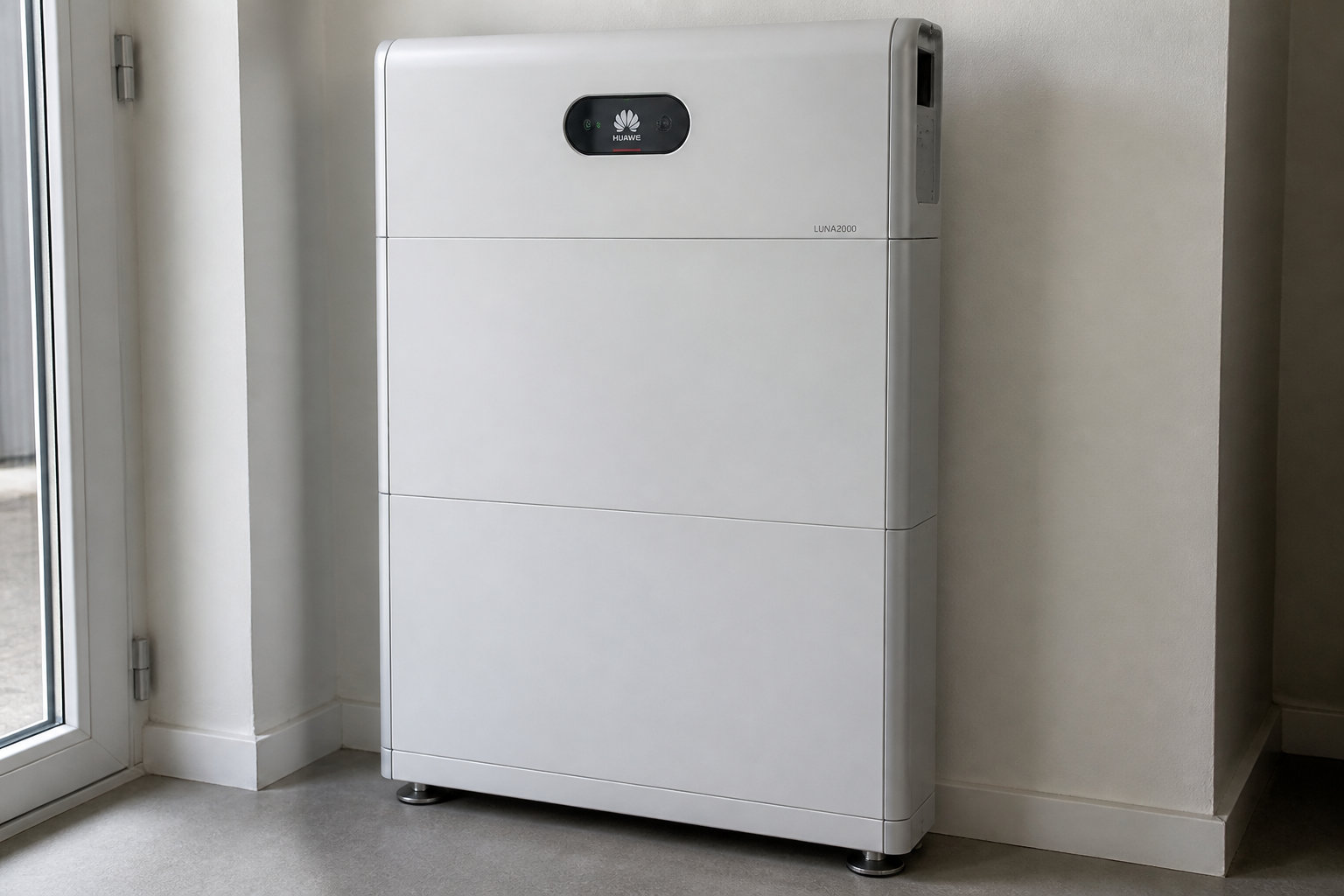
The system uses built-in energy optimizers to manage each module independently. This Module+ architecture allows you to mix modules of different ages or capacities effortlessly. You get 100% depth of discharge for maximum energy usage.
If one module fails, the others continue to provide power. This redundancy is vital when the nearest technician is miles away. It uses a high-voltage architecture for better efficiency.
Installation takes less than an hour with the quick-lock connectors. No special tools are required for the stacking process. You simply snap them together and let the FusionSolar app handle the rest.
Anker Solix: Plug-and-Play Simplicity for Basic Needs
For smaller structures or weekenders, the Anker Solix offers a more accessible, all-in-one alternative to complex stacks. This system targets users who want electricity without hiring an electrician. It integrates the inverter and battery into a single portable housing. You simply plug your solar panels directly into the unit. It works perfectly for camper solar panel kits.
Plug-and-play AC-coupled batteries allow connection to standard outlets, bypassing complex DC wiring and reducing installation costs for remote DIY projects.
In fact, choosing the right camper solar panel kit makes the setup even smoother. The LFP cells inside are rated for over 3,000 cycles. This ensures your investment lasts for years of off-grid escapes.
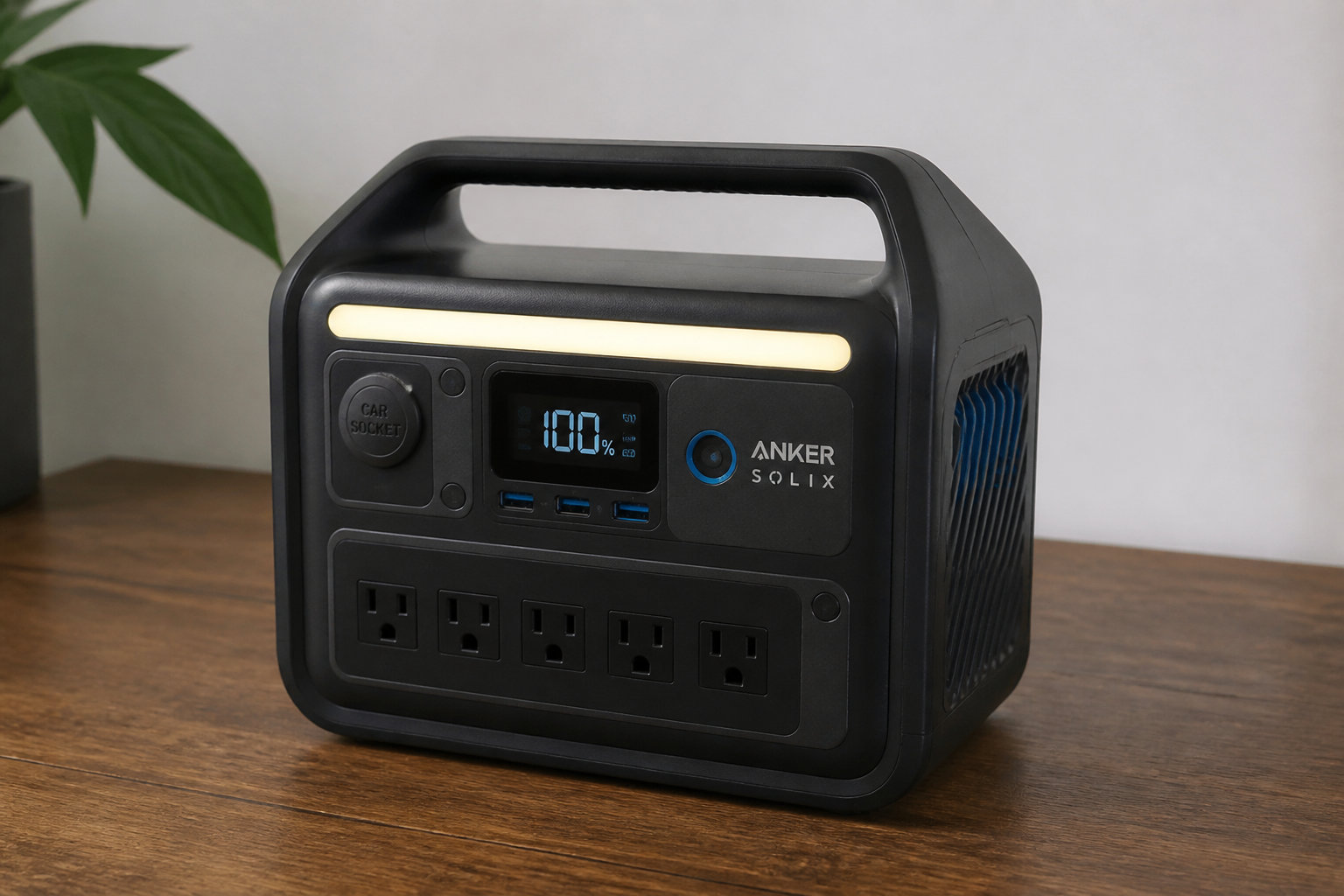
Are you looking for a hassle-free setup? Here is what makes these units stand out:
- Integrated AC outlets for direct appliance connection
- Bluetooth and Wi-Fi monitoring included
- Rapid recharge via solar or wall outlet
Portability allows you to bring the power home during the off-season. This prevents the batteries from sitting in freezing temperatures. It is a smart way to protect your gear when the cabin is empty.
Zendure SolarFlow: Intelligent Monitoring for Remote Sites
Monitoring is the heart of off-grid success, and Zendure takes data tracking to a professional level.
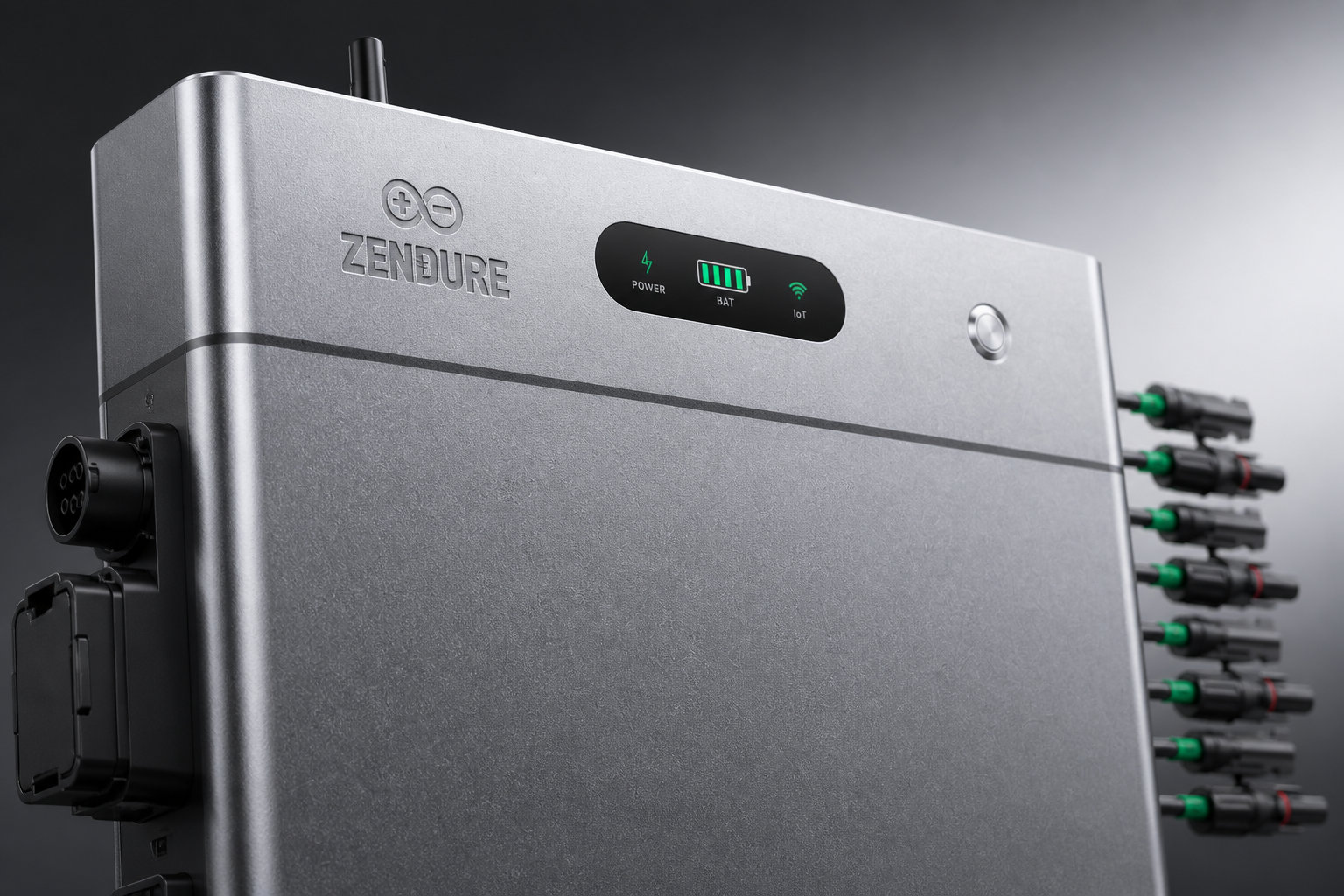
The SolarFlow hub connects between your panels and a microinverter. It diverts excess energy into the battery during the day. This prevents wasting valuable sunlight when the cabin is empty.
Real-time analytics allow cabin owners to adjust their consumption habits based on live weather data and battery state-of-charge.
The IP65 rating means you can install it on an outdoor porch. It resists rain, dust, and humidity without issues. The compact design fits in tight storage lockers.
It works with most existing rigid solar panels. This flexibility saves money if you already have a solar array installed.
Key Selection Criteria for Off-Grid Battery Storage
Choosing between these brands requires understanding the technical safety standards that keep your cabin operational.
Understanding BMS and safety standards
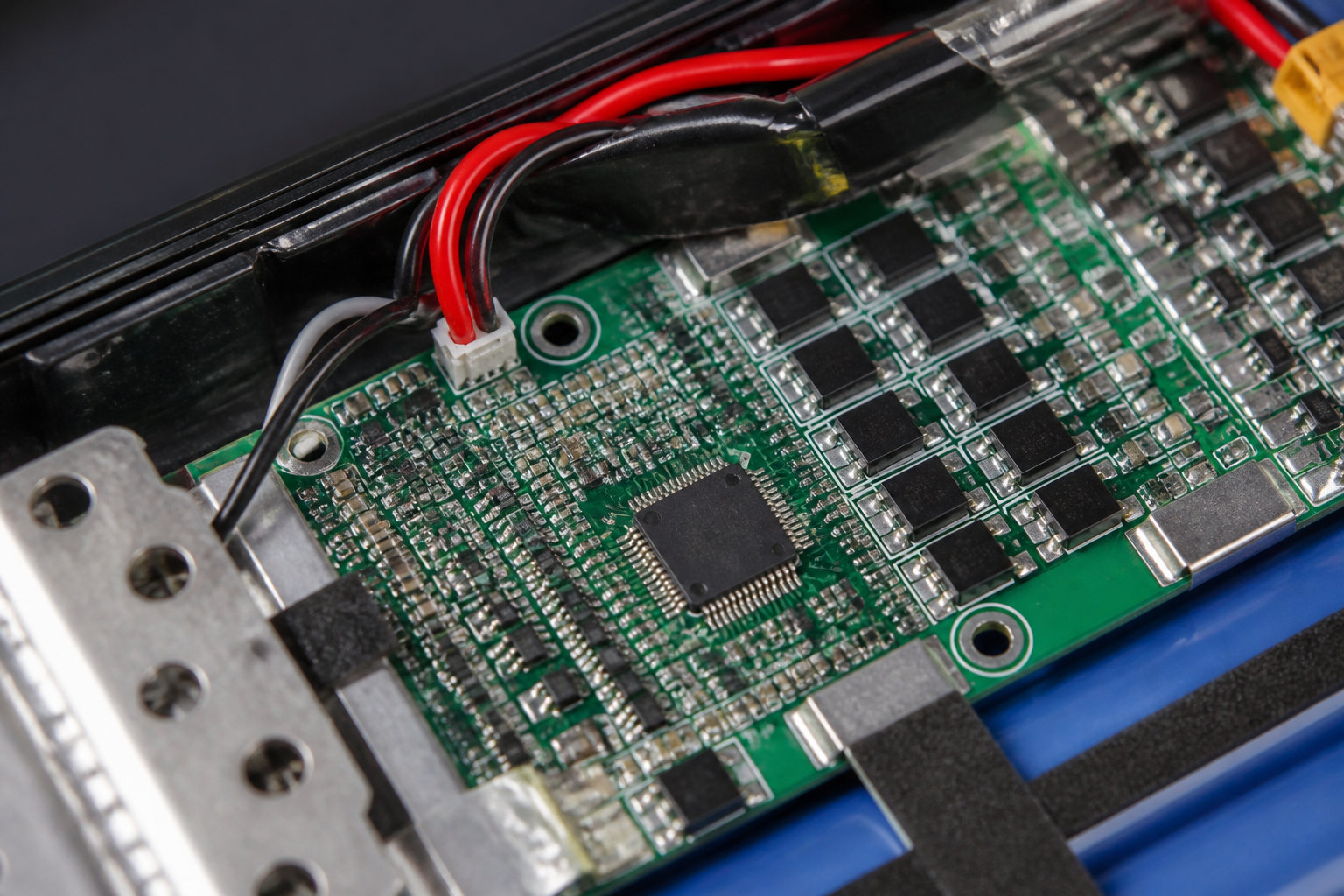
The Battery Management System (BMS) acts as the brain of the unit. It balances individual cells to prevent overcharging. A good BMS also monitors temperature to shut down during extreme heat.
Look for UL1973 certification for stationary battery packs. This ensures the unit has passed rigorous fire and impact testing.
Short-circuit protection is a non-negotiable feature. It prevents catastrophic failure if a wire becomes loose or damaged.
Future-proofing your cabin energy system
| Model | Capacity | Cycle Life | Best For |
|---|---|---|---|
| Soluna EOS 5K | 5.12 kWh | 8,000 Cycles | Industrial Reliability |
| Huawei LUNA2000 | Modular | High Efficiency | Scalable Systems |
| Anker Solix | Portable | 3,000 Cycles | Plug and Play DIY |
| Zendure SolarFlow | Modular | Smart Monitoring | Microinverter Hubs |
Choose systems with RS485 or CAN communication ports. These allow the battery to “talk” to your inverter for better efficiency.
Modern lithium systems are the best path for transitioning away from loud, expensive gas-powered generators forever.
Ready to secure your energy independence? By choosing LiFePO4 technology, you guarantee a safe, long-lasting, and modular setup for your remote retreat. Invest in the best solar batteries for off-grid cabins today to enjoy reliable power and total freedom for decades to come. Your future sanctuary deserves the ultimate power upgrade.
FAQ
Why is LiFePO4 technology considered the gold standard for off-grid cabins in 2026?
Lithium Iron Phosphate (LiFePO4) has completely transformed remote living by offering unmatched safety and longevity. Unlike older lead-acid batteries, these units handle deep discharges effortlessly and boast a lifespan of 10 to 20 years, making them a truly reliable partner for your wilderness retreat.
We prioritize this chemistry because it is inherently stable, meaning the risk of thermal runaway is virtually non-existent. When you are miles away from the nearest fire station, having a maintenance-free battery that resists overheating provides the ultimate peace of mind for your wooden cabin.
How do I accurately calculate the battery capacity needed for my remote setup?
Finding your perfect energy match starts with a simple audit of your daily habits. You need to list the wattage of every essential, from your LED lights to your water pump, and multiply that by their daily run hours. To ensure you never wake up in the dark, we recommend a minimum of 5kWh for standard needs, always adding a safety margin for those inevitable cloudy days.
A smart way to calculate your requirement is to take your total nightly consumption in kWh and divide it by the battery’s Depth of Discharge (DoD). Since modern LiFePO4 batteries allow for a 90% to 100% DoD, you get to use almost every bit of energy you store, unlike inefficient AGM alternatives.
Is it possible to expand my solar storage if my energy needs grow later?
Absolutely! The beauty of 2026 technology lies in modular expansion. Systems like the Huawei LUNA2000 S1 and Zendure SolarFlow allow you to stack additional modules onto your existing setup without complex rewiring. This flexibility means you can start small and grow your power plant as you add more appliances or comforts to your cabin.
This “plug and play” approach is a game-changer for DIY enthusiasts. You can simply increase your capacity, sometimes up to 40kWh with units like the Soluna EOS 5K, ensuring your energy system evolves alongside your off-grid lifestyle.
What are the benefits of choosing a “Plug-and-Play” battery system?
If you want to skip the headache of complex electrical diagrams, plug-and-play systems are your best friend. These all-in-one units, such as the Anker Solix series, often integrate the inverter and battery into one housing. You simply connect your panels and start powering your life immediately, making them perfect for smaller cabins or weekend getaways.
Beyond the ease of setup, these systems offer incredible portability. You can easily move your power source or even bring it home during the harsh winter months to protect the cells from extreme freezing. It’s all about freedom and simplicity without sacrificing professional-grade performance.
How can I monitor my cabin’s power levels when I am not there?
Modern energy storage is smarter than ever, featuring intelligent remote monitoring via dedicated smartphone apps. Systems like the Zendure SolarFlow provide real-time analytics, allowing you to check your battery’s state-of-charge and solar production from anywhere in the world with a Wi-Fi connection.
This data-driven approach helps you adjust your consumption habits based on live weather updates. By seeing exactly how much energy you are diverting into your batteries, you can ensure your remote site remains fully powered and ready for your next visit.
What safety certifications should I look for in an off-grid battery?
Safety is non-negotiable when you are living off the grid. You should always look for units equipped with a sophisticated Battery Management System (BMS). This “internal brain” balances the cells and protects the unit from overcharging or short-circuiting, which is vital for the long-term health of your investment.
We also suggest checking for specific safety ratings like IP65 for weather resistance if you plan to install the unit in a damp or dusty area. Choosing certified, high-quality hardware ensures that your transition to energy autonomy is both successful and secure.