LiFePO4 batteries now offer up to 8,000 cycles and 99% efficiency, providing a decade of reliable power for remote properties. Choosing high-quality solar panel kits for off-grid guest houses ensures your guests enjoy modern comforts without relying on an unstable local grid.
Managing heavy startup loads like well pumps often leads to system shutdowns if your hardware is poorly matched. We will help you audit your energy needs and select the right split-phase inverters to build a seamless, professional power solution.
- Sizing Solar Panel Kits for Off-Grid Guest Houses to Meet Real Power Demands
- Selecting High-Performance Components for Long-Term Off-Grid Reliability
- Matching System Configurations to Guest House Usage Profiles
- Managing DIY Installation Safety and Future Capacity Expansion
Sizing Solar Panel Kits for Off-Grid Guest Houses to Meet Real Power Demands
Off-grid guest houses require 5kWh to 15kWh daily storage using LiFePO4 batteries and split-phase inverters for 240V loads. System sizing depends on auditing appliance wattage and peak surge demands to ensure reliable year-round power.
Calculating Daily Energy Consumption in Kilowatt-Hours
Start by auditing every appliance wattage in your guest house. You need to list every device from LED bulbs to laptop chargers. Multiply the wattage by daily runtime hours to find the baseline.
Seasonal sunlight variations change everything for off-grid setups. Winter months provide fewer peak sun hours. This data determines the necessary depth of the battery bank.
Using a solar panel kit allows you to achieve total energy independence. Powering your guest house with off-grid solar kits becomes simple with this approach.
Differentiating Between Peak Surge and Continuous Wattage Needs
Define peak surge requirements clearly. Motorized appliances like refrigerators pull massive current at startup. The inverter must handle these brief spikes safely.
Continuous power ratings represent the total load of electronics running simultaneously. Standard lighting and fans fall into this steady-state category.
Matching these two metrics prevents system shutdowns. Use surge capacity to gauge your specific inverter needs effectively.
An undersized inverter is the most common failure point in DIY off-grid guest house setups today.
Selecting High-Performance Components for Long-Term Off-Grid Reliability
While knowing your numbers is the first step, the physical hardware determines if those numbers translate into real-world uptime.
Why LiFePO4 Battery Chemistry Beats Traditional Lead-Acid Systems
LiFePO4 batteries offer thousands of cycles compared to lead-acid alternatives. They remain remarkably stable under heavy use. This longevity justifies the higher upfront cost. You gain a system that lasts for years without failing.
Lithium performs better in varied climates without off-gassing. Efficiency stays high even when the temperature drops or spikes. We see these units maintaining power where traditional systems often struggle or require constant monitoring.
Choosing lithium vs lead-acid solar storage is a major decision for your solar panel battery setup. It ensures guests never face unexpected blackouts during their stay.
Selecting Split-Phase Inverters for 120V and 240V Appliance Support
Evaluate split-phase output carefully. Many guest houses use heavy-duty tools or well pumps. These require 240V power to function correctly without burning out motors or causing electrical strain.
Match inverter capacity to loads. Simultaneous spikes from a microwave and a pump can trip small units. Large split-phase inverters ensure seamless operation for a professional guest experience.
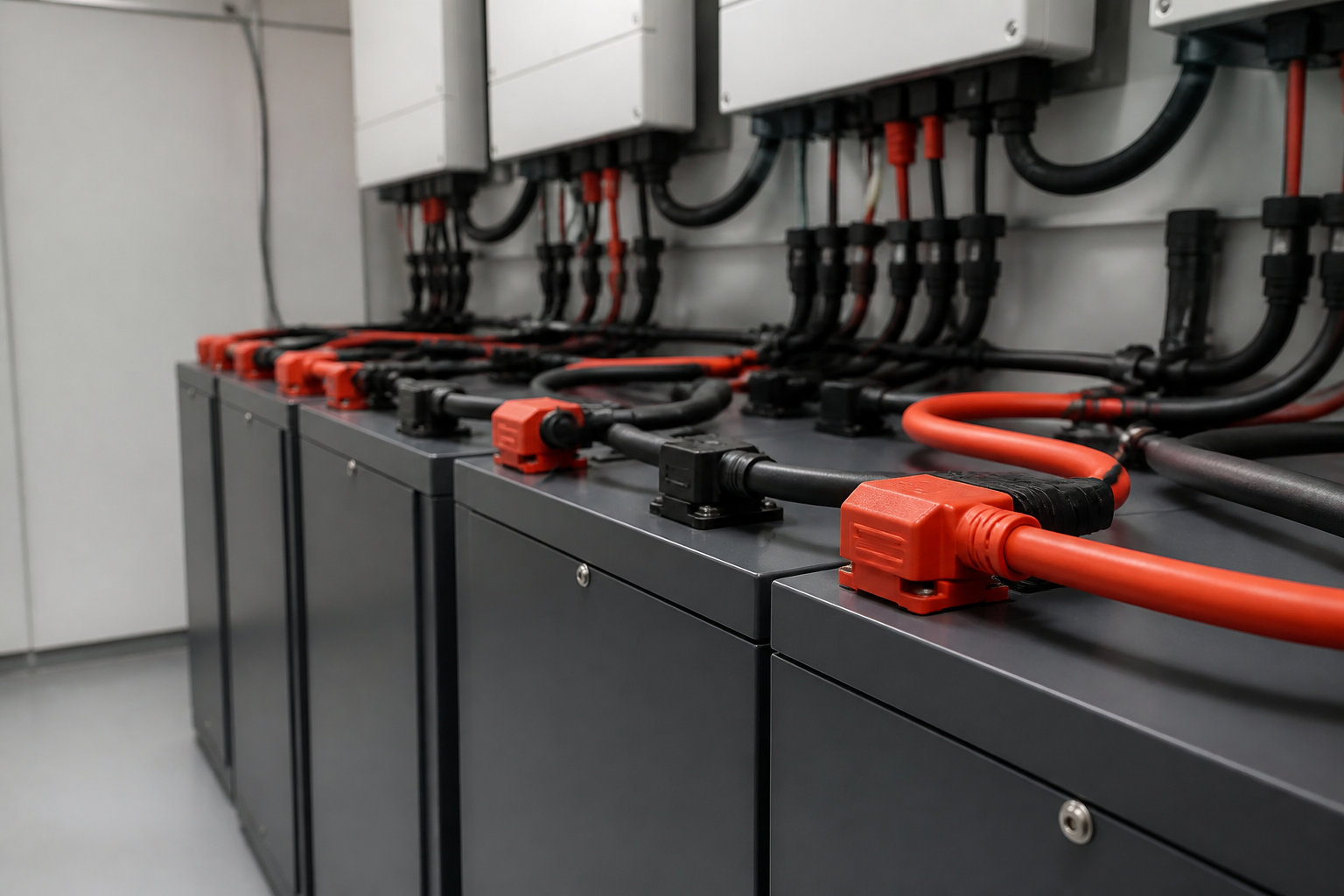
| Component | Best For | Key Advantage |
|---|---|---|
| LiFePO4 Battery | Long-term storage | 80% discharge depth |
| Split-Phase Inverter | 240V appliances | High surge capacity |
| MPPT Controller | Efficiency | Battery protection |
| Monocrystalline Panels | High yield | Space efficiency |
Powering your guest house with off-grid solar kits requires understanding the microinverter vs string inverter plug play options. Proper selection prevents system shutdowns.
Matching System Configurations to Guest House Usage Profiles
Hardware choices eventually lead to the configuration phase, where the system is tailored to the specific lifestyle of your guests.
Minimalist Setups for Weekend Cabins and Tiny Homes
Weekend cabins usually have low energy demands. We focus on efficient LED lights and USB ports for phones. This ensures basic lighting and charging stay reliable.
A 12V or 24V setup is often enough for short-term occupancy. These compact integrated systems are easier to install and maintain. They provide a simple, cost-effective solution for small spaces.
We recommend exploring a solar kit for shed applications to start small. Understanding how plug-and-play solar panels work helps simplify your initial setup process.
Tiny homes require fast battery recovery during sunny mornings. Guests typically practice minimal appliance use throughout the day. This balance keeps the system healthy and ready for evening relaxation.
Robust Energy Solutions for Full-Time Luxury Guest Residencies
Permanent living requires higher voltage for efficiency. We design high-capacity 48V systems to meet these needs. This configuration reduces wire size and minimizes heat loss in distribution lines.
Guest comfort depends on climate control. You must incorporate HVAC systems and well pumps into the plan. Ensure the battery bank can sustain heating or cooling through the night.
Luxury off-grid living is only possible when the energy system is invisible to the guest.
High-end setups demand a precise residential solar kit ROI calculation to justify the investment. Powering your guest house with off-grid solar kits becomes a seamless reality with 48V reliability.
Managing DIY Installation Safety and Future Capacity Expansion
No matter the size of the setup, the final hurdles are always safety protocols and planning for the inevitable need for more power.
Key Circuit Protection and Grounding Protocols for Safe Operation
Proper grounding techniques are vital for your guest house. This setup protects against lightning strikes and equipment faults. Always place surge protectors at the entry point of your solar array.
You must install necessary disconnects immediately. Use specific DC breakers between the panels and the charge controller. Fuses must be rated strictly for the maximum wire current to prevent fires.
Safety is not just a suggestion when powering your guest house with off-grid solar kits. You should verify all legal regulations for solar kits to ensure your DIY project remains fully compliant and secure.
- Main DC disconnect
- Battery fuse
- PV combiner box
- Equipment grounding
Scaling Your Solar Array and Storage as Guest Needs Grow
Smart owners plan for modular additions from day one. Buying a system that allows parallel battery expansion is a brilliant move. It lets you add storage capacity without replacing the entire bank later.
Identify your charge controller limits before adding panels. Ensure the original controller can handle the extra wattage. Over-sizing the controller early saves you significant money in the long run.
Extreme weather can also impact how you scale your system. Learn about maintaining solar efficiency in extreme climates to protect your growing investment. Proper planning ensures consistent performance year-round.
Modern systems rely heavily on monitoring apps. Smart energy management allows you to track real-time usage. This data helps you decide exactly when it is time to expand your array.
Achieving energy independence requires auditing daily wattage, selecting high-performance LiFePO4 batteries, and sizing split-phase inverters for surge demands. Deploying solar panel kits for off-grid guest houses ensures reliable, clean power that enhances guest comfort. Secure your energy future today to transform your remote property into a sustainable, high-value sanctuary.
FAQ
How do I calculate the specific energy needs for my off-grid guest house?
Determining your daily consumption is the foundation of a reliable system. We recommend auditing every device, from LED lighting to kitchen appliances, by multiplying their wattage by the number of hours they run daily. This simple formula, (Wattage x Hours) / 1000, gives you the total kilowatt-hours (kWh) required to keep your guests comfortable.
Don’t forget to account for seasonal changes! Winter months offer fewer peak sun hours, meaning your battery bank must be large enough to bridge the gap during cloudy spells. Accuracy here ensures you never leave your guests in the dark.
What is the difference between continuous wattage and peak surge capacity?
Understanding these two metrics is vital for system stability. Continuous wattage is the total power your electronics pull while running steadily, such as fans or televisions. However, motorized appliances like refrigerators or well pumps require a massive, brief burst of energy to start up, known as surge capacity.
Your inverter must be robust enough to handle these simultaneous spikes without shutting down. We suggest choosing an inverter with a nominal rating 20% to 30% higher than your maximum continuous load to ensure long-term reliability and seamless operation.
Why should I choose LiFePO4 batteries over traditional lead-acid options?
While lead-acid batteries have a lower upfront cost, LiFePO4 (Lithium Iron Phosphate) technology is the superior investment for guest houses. Lithium batteries offer between 3,000 and 8,000 cycles, lasting over a decade, whereas lead-acid units often fail after just a few hundred cycles. They are lighter, maintenance-free, and far more efficient.
Furthermore, LiFePO4 batteries allow for a 100% depth of discharge, giving you access to all the energy you store. With built-in Battery Management Systems (BMS) and stable thermal performance, they provide the safety and reliability required for a professional off-grid residency.
Do I need a split-phase inverter for my guest house installation?
If your guest house utilizes heavy-duty appliances like 240V well pumps, clothes dryers, or specialized HVAC systems, a split-phase inverter is essential. These units provide both 120V and 240V power, ensuring that high-demand motors run efficiently without the risk of burning out.
For smaller minimalist setups or tiny homes, a standard 12V or 24V system might suffice. However, for luxury residencies, a 48V split-phase configuration reduces heat loss in your wiring and provides the “invisible” energy experience that high-end guests expect.
How can I ensure my DIY solar kit installation is safe?
Safety starts with proper grounding protocols and circuit protection. You must install DC breakers between your solar panels and the charge controller, along with appropriate fuses for the battery bank. These components protect your investment from lightning strikes and equipment faults.
We also recommend placing equipment in a dry, well-ventilated technical room protected from frost. Using a PV combiner box and main DC disconnects ensures that you can safely isolate the system for maintenance or future expansion as your guest needs grow.