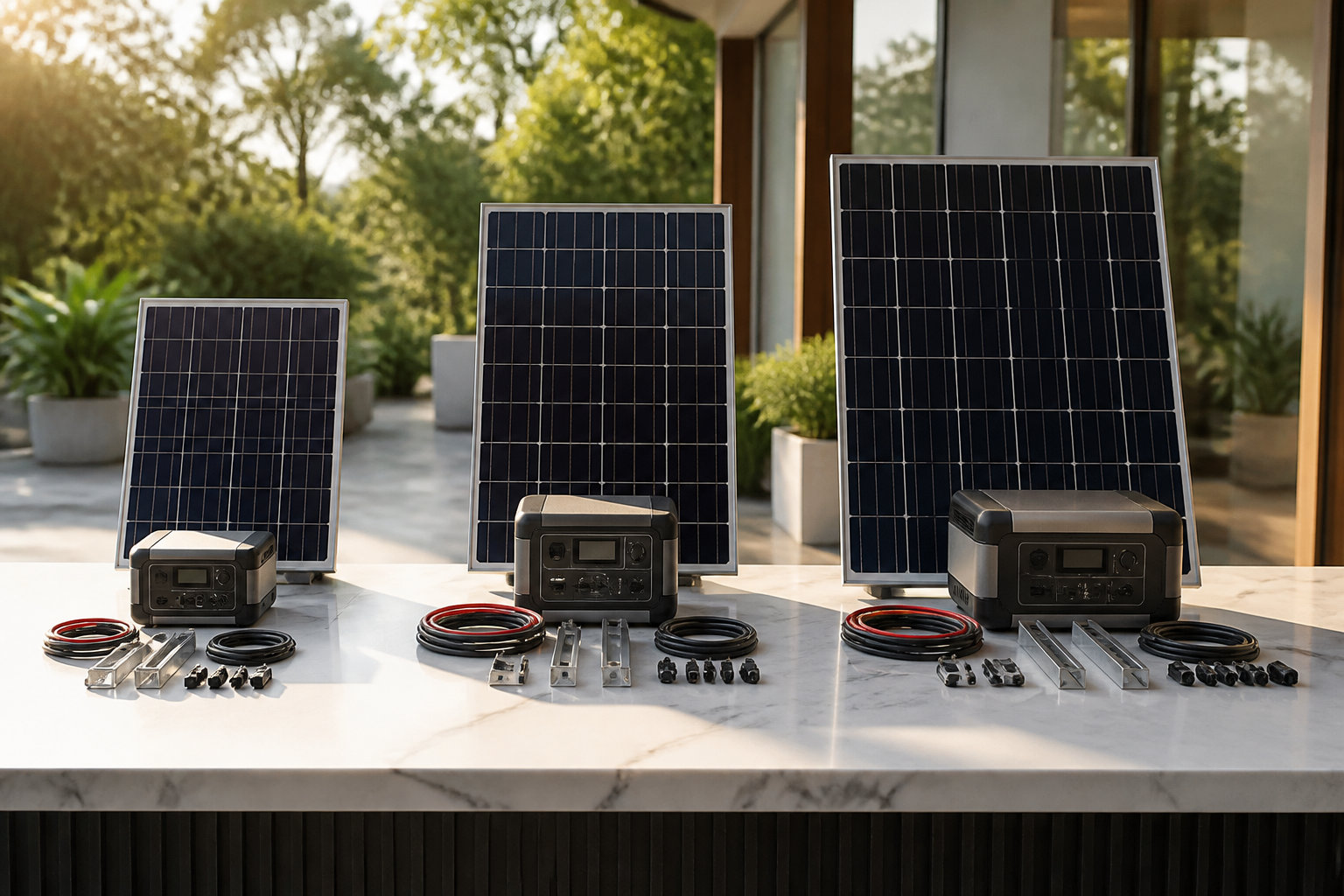
Key takeaway: Plug-and-play balcony kits offer a DIY path to energy independence by powering home basics via standard outlets. UL-certified 400W to 1200W systems can slash bills by up to $300 annually, with some high-efficiency setups achieving a ROI in under 2 years. It’s a fast, safe, and mobile solution for modern renters.
Did you know that a single 405W balcony panel can slash your electricity bill by up to 12% without a single professional installer setting foot in your home? With energy prices climbing, these plug and play systems have evolved from niche gadgets into high-performance power plants that fit right on your railing.
But can a simple DIY setup really deliver the long-term ROI you need? This guide dives deep into balcony solar kit reviews to reveal the real-world performance, actual savings data, and the safety standards required to turn your apartment into a sustainable powerhouse.
Balcony Solar Kit Reviews: The Truth About Plug-In Power
Plug-and-play kits between 400W and 800W utilize integrated microinverters to convert DC energy for standard wall outlets. These systems offer a DIY alternative to rooftop arrays, lowering entry costs. Technical conversion leads directly into the microinverter details.
Understanding the hardware is the first step toward energy independence in an apartment setting.
How Plug-and-Play Microinverters Simplify Home Energy
Microinverters convert DC from the panel to AC at the source. This makes energy usable for appliances. It ensures safety and efficiency.
Tech Insight
Microinverters convert DC to AC at the source, allowing direct connection to 120V/230V outlets and independent panel operation for higher efficiency.
The connection is straightforward. You plug the cable into a standard outlet. No complex wiring is needed for these kits. It bypasses central inverters.
Microinverters allow each panel to work independently. This increases efficiency compared to traditional solar strings.
Comparing these small setups to full-scale home installations reveals the true flexibility of DIY solar.
Distinguishing DIY Kits From Professional Installations
Most balcony kits range from 400W to 1200W. These are designed for renters. They differ from 5kW rooftop arrays.
Portable kits use simple mounting brackets. Permanent fixtures require drilling that DIYers should avoid.
4 Factors Determining Your Real Electricity Savings
While the technology is simple, the financial return depends heavily on your specific setup and local energy costs.
Calculating ROI Based on System Wattage
An 800W system pays back faster than a 400W unit. This assumes you use all generated power. High utility rates shorten the payback period significantly.
Typical annual savings range from $150 to $300. This depends on your household baseline consumption. Compare this to the initial kit price for your ROI calculation.
The Impact of Sun Exposure and Shading on Output
Balcony orientation is the biggest factor for production. South-facing setups capture the most light. Even small shadows from railings can drop output by 20%.
Efficiency Alert ☀️
Small shadows from railings can drop energy output by 20%. South-facing orientation is critical for maximum production.
Urban environments often have neighboring buildings. Shading issues require strategic panel placement. Use tilt-adjustable mounts to maximize the angle toward the sun.
Managing Self-Consumption Versus Grid-Feeding Dynamics
Most small kits do not support net-metering. You must use the power as it is made. Excess energy often flows back to the grid for free.
Financial benefits come from reducing your immediate demand. Run heavy appliances during peak sunlight hours. This maximizes your self-consumption and lowers your monthly bill.
System Size
Estimated Cost
Annual Savings
Estimated ROI (Years)
400W Kit
$450
$150
4-6 Years
800W Kit
$900
$300
3-4 Years
1200W Kit
$1,300
$450
2-3 Years
Is Balcony Solar Legal and Safe for Your Home?
Beyond the math of savings, you must ensure your setup follows local regulations and safety protocols.
Navigating State Laws and Interconnection Requirements
Legal rules for plug-in solar vary by state. Some utilities require a simple notification form. Others might have stricter interconnection rules for multi-family buildings.
Renters should always check their lease agreements. Some jurisdictions have “right to solar” laws. These can protect your ability to install plug and play solar for renters easily.
Why UL-Certified Hardware is Non-Negotiable
UL-certified hardware is essential for fire safety. Non-certified microinverters can overheat or fail. Look for the UL 1741 standard specifically for grid-tie safety.
Safety Standards
NF C 15-100 standards often limit power to 900W per circuit. Always ensure UL 1741 certification for grid-tie safety.
Anti-islanding protection is a mandatory feature. It stops the system from feeding power during a blackout. This protects utility workers fixing the lines nearby.
Safety isn’t just about your home; it’s about the grid workers who maintain the infrastructure we all rely on every day.
Overcoming HOA and Lease Restrictions
HOAs often focus on aesthetic rules. Present your solar kit as a temporary, non-permanent addition. Show them photos of clean, modern mounting solutions.
Tips for HOA Approval
Use low-profile mounts
Choose black-frame panels
Provide safety specs
Mention non-permanent nature
Focus on environmental benefits when talking to landlords. Removable setups leave no damage to the property. Checking balcony solar kit reviews: real performance and savings proves these systems are reliable assets. ☀️
Maintenance and Battery Upgrades for Peak Efficiency
Once your system is legal and running, a few upgrades and regular care will keep it at peak performance.
Integrating Battery Storage for Nighttime Usage
Adding a 2kWh battery can double your savings. It stores midday surplus for evening use. This is perfect for powering lights or laptops at night.
Most modern microinverters are now compatible with modular batteries. The setup usually involves a simple bypass cable. It allows for easy expansion as your needs grow.
Lithium-based storage is preferred for its long lifespan. Compare different brands to find the best fit for your solar panel battery specific kit.
Performance Boost
A 1040W kit with a 1.6kWh battery can increase annual savings by €175 by maximizing nighttime self-consumption.
Maintenance and Weather Resistance for Outdoor Longevity
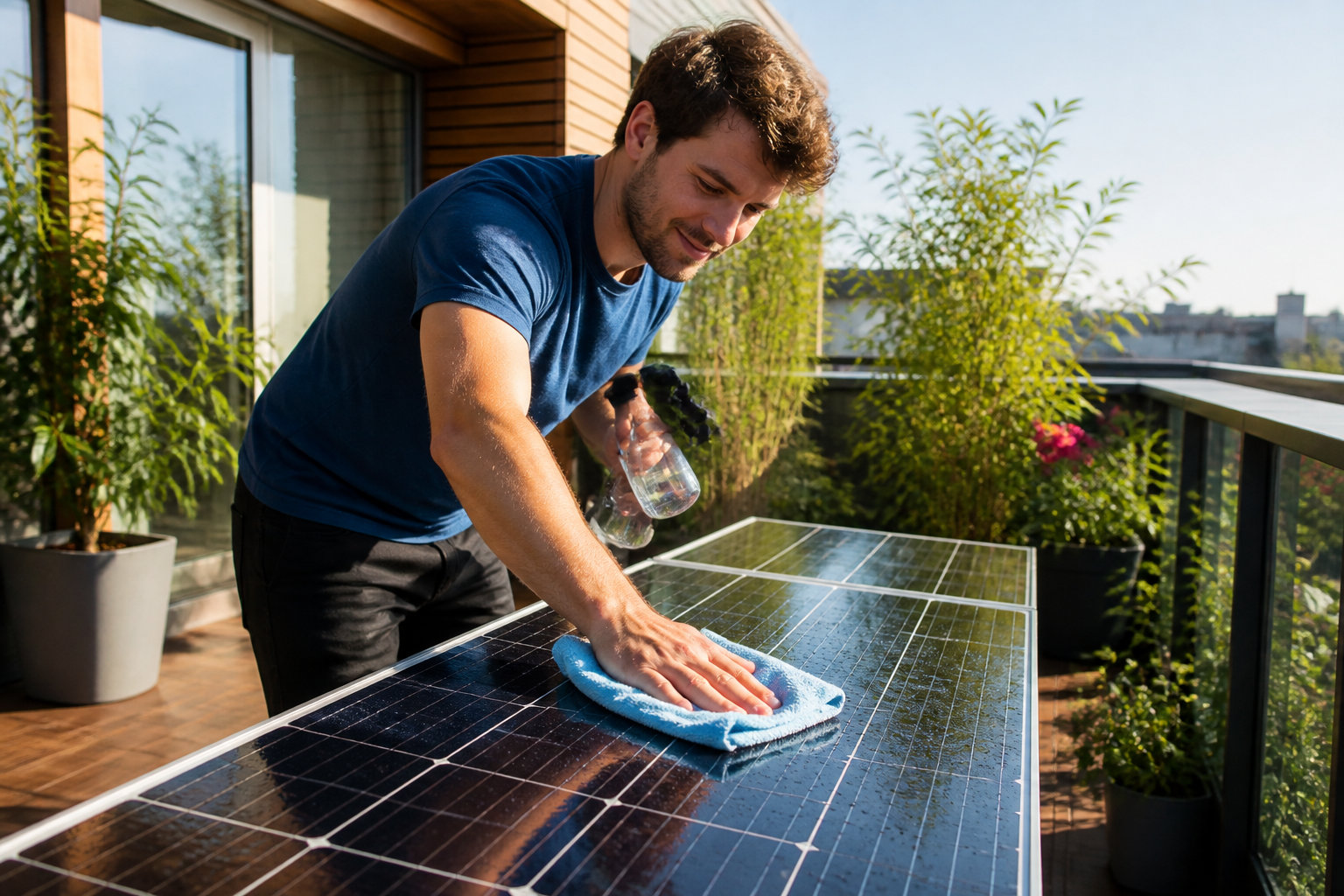
Dust and bird droppings reduce efficiency quickly. Clean your panels every few months with plain water. Avoid abrasive chemicals that could scratch the glass.
High winds are a major risk for balcony mounts. Check your brackets and bolts twice a year. Ensure everything remains tight and secure against the railing.
Bifacial panels offer better durability in winter. They capture reflected light from snow. This helps maintain a steady energy flow and extends the lifespan of plug and play solar panels during colder months.
Balcony solar kit reviews confirm that these plug-and-play systems effectively slash bills by covering your home’s baseline energy needs. By choosing UL-certified hardware and optimizing sun exposure, you can achieve a rapid ROI in under two years. Start generating your own clean power today to secure a greener, cheaper future.
FAQ
How do plug-and-play microinverters actually simplify home energy?
We love how microinverters take the complexity out of solar! These smart devices convert DC energy from your panels into usable AC power right at the source. Instead of dealing with heavy central systems, you simply plug the cable into a standard wall outlet. It’s the ultimate DIY solution for modern living. 🔌
By allowing each panel to work independently, microinverters ensure that one shaded spot won’t ruin your entire production. This setup maximizes efficiency and makes monitoring your energy flow through mobile apps incredibly easy. High-tech, meet high convenience!
What are the power limits for DIY kits compared to pro installs?
Are you wondering if a DIY kit is enough for you? 🧐 Most balcony solar kits range from 400W to 1200W, designed specifically to cover your “baseline consumption” like your fridge or Wi-Fi router. They are perfect for renters because they don’t require complex wiring or permanent changes to your home’s electrical panel.
In contrast, professional installations handle much higher loads, often between 3kW and 9kW. While pro systems can power an entire house, they require certified electricians and structural permits. DIY kits stay under local wattage thresholds (often 800W for grid injection), making them a fast and legal alternative for apartment dwellers. ⚡
How do I calculate the real ROI of my balcony solar kit?
Calculating your savings is all about the math of self-consumption! 📊 A typical 800W system can save you between $150 and $300 annually, depending on your local utility rates. The faster you use the power as it’s generated, like running your dishwasher during peak sun, the quicker your return on investment.
Most users see their kits pay for themselves in just 4 to 6 years. If you opt for high-efficiency bifacial panels or add a battery to store midday surplus, you can shorten that payback period even further. It’s a win for your wallet and the planet! 🌍
Does shading really impact my solar production that much?
Yes, even a little shadow can be a big deal! 🌑 Because solar cells are interconnected, a shadow from a railing or a nearby tree can drop your output by 20% or more. This is why strategic placement is your best friend when setting up on a balcony.
To fight back, we recommend using tilt-adjustable mounts to catch the best angle. Since these kits use microinverters, if one panel is shaded, the others keep working at full strength. Just remember: South-facing setups are the gold standard for maximum sunshine! ☀️
Is balcony solar legal and what safety standards should I look for?
Safety first! 🛡️ To keep your home and the grid safe, UL 1741 certification is absolutely non-negotiable. This standard ensures your hardware has anti-islanding protection, which stops power flow during blackouts to protect utility workers. Always look for this label before you buy.
Legally, rules vary by state, but many areas have “right to solar” laws that protect renters. We always suggest checking your lease or HOA rules first. Presenting your kit as a non-permanent, plug-in device usually makes the approval process a breeze! ✅
Can I add a battery to store power for nighttime use?
Absolutely! Adding a battery storage unit (like a 2kWh LiFePO4 pack) can actually double your savings. 🔋 Instead of letting excess midday energy flow back to the grid for free, you store it to power your lights, laptops, or TV once the sun goes down.
Most modern kits are modular, meaning you can start small and expand later. Using a simple bypass cable, these batteries integrate seamlessly into your plug-and-play setup. It’s the smartest way to reach true energy independence on a small scale!
What maintenance do I need to perform on my balcony panels?
Keeping your panels clean is the easiest way to protect your investment! ✨ Dust, pollen, and bird droppings can quickly sap your efficiency. We recommend a quick rinse with plain water and a soft cloth every few months, just avoid harsh chemicals that might scratch the glass.
Since balcony kits are exposed to the elements, you should also check your mounting brackets and bolts twice a year. Ensuring everything is tight and secure against high winds is key to long-term safety. A little care goes a long way for 25+ years of green energy! 🌧️