Residential solar efficiency has effectively doubled over the last fifteen years, and by 2026, standard commercial cells are projected to reach a steady 23% benchmark. While these high-performance monocrystalline N-type systems are becoming more accessible, many homeowners still struggle with the perceived complexity of professional installations and high upfront costs.
You might feel that high-efficiency energy is reserved for permanent rooftop setups, but we are here to show you how modern kits bridge that gap. We will break down what to expect from plug and play solar panel efficiency in 2026 to help you maximize your monthly savings.
- Understanding Plug and Play Solar Panel Efficiency in 2026
- Real Savings You Can Expect on Your Monthly Electricity Bill
- Legal Status and Safety Requirements for Balcony Setups
- 3 Ways to Maximize Your Solar Energy Production
Understanding Plug and Play Solar Panel Efficiency in 2026
Modern plug-and-play kits reach 23% cell efficiency using monocrystalline N-type silicon. These 400W, 800W systems integrate microinverters for direct AC conversion, bypass complex wiring, and typically pay back within five to seven years via standard outlets.
Solar efficiency soared from 12% in 2000 to a routine 23% expected by 2026.
Transitioning from general metrics, let’s examine the specific hardware that makes this immediate energy conversion possible at home.
How Microinverters Convert Sunlight into Usable Home Energy
Microinverters sit behind each panel. They convert DC power to AC immediately. This process eliminates the need for a central string inverter.
The system connects via a standard GFI plug. Energy flows directly into your home circuits. Appliances consume this solar power first. Excess energy stays within the local grid loop safely.
Understanding How Plug-and-Play Solar Kits Work: Setup & Cost is vital. You can also compare a Microinverter vs string inverter: which is better for kits? – Solar Panel Kit to see the benefits.
Beyond the conversion process, the physical makeup of the panels has reached a new technological peak for 2026.
The Hardware Shift Toward 23% Commercial Cell Efficiency
2026 kits utilize high-grade monocrystalline silicon. Efficiency jumped from 17% to 23% recently. This means more power from a smaller physical footprint.
Portable kits now rival permanent rooftop installations. Manufacturers use TOPCon or HJT cell technologies. These materials perform better in low light conditions. You get consistent energy even on cloudy days.
Modern N-type solar cells have effectively bridged the gap between portable convenience and industrial-grade energy harvesting, reaching a record 23% efficiency in 2026.
Systems designed for DIY installation, connecting directly to standard AC outlets via integrated microinverters.
Real Savings You Can Expect on Your Monthly Electricity Bill
While technical efficiency is impressive, the real question is how these percentages translate into actual dollars saved on your utility statement.
Calculating the Payback Period with Local Sun Hours
Calculate ROI by multiplying daily sun hours by your utility rate. A 400W panel generates roughly 1.6kWh daily in sunny regions. Subtract this from your monthly bill total. Most users see full payback in six years.
| Region | Avg. Sun Hours | Annual Savings ($) | Payback (Years) |
|---|---|---|---|
| Southwest | 6 | $200 | 5 |
| Southeast | 5 | $160 | 6 |
| Northeast | 4 | $120 | 8 |
| Midwest | 4.5 | $140 | 7 |
Understanding the plug and play solar kit cost helps clarify these numbers. Local sunshine dictates your speed of recovery. Every kilowatt-hour produced is money kept in your pocket.
Why 400W to 800W Systems Make Sense for Modern Renters
Renters benefit from the modular nature of these kits. You can take the entire system with you when moving. No permanent roof modifications are required.

An 800W kit covers the base load of a standard apartment. It offsets refrigerators, routers, and standby electronics. This reduces the “vampire” energy draw significantly. Your monthly bill stays lower without landlord intervention.
Discover if you can use plug and play solar as a renter today. There are many benefits of plug and play solar for home setups that prioritize flexibility.
Legal Status and Safety Requirements for Balcony Setups
Saving money is great, but you must stay within the lines of local laws and safety codes to avoid fines or hazards.
Navigating State Legislation and HOA Community Rules
Many states now protect solar access rights. However, HOAs often dictate the visual placement on balconies. Check your local interconnection agreements before plugging in. Some utilities require a simple notification form.
- States with clear solar rights
- Common HOA restrictions
- Necessary utility notification steps
- Difference between ‘Right to Solar’ and ‘Right to Install’
Before you start, understanding legal regulations for plug and play solar is vital. Local rules vary significantly. Always verify your specific community guidelines first.
Safety Certifications and the DIY Installation Process
Look for UL 1741 and IEEE 1547 certifications. These ensure the anti-islanding feature works correctly. It prevents back-feeding during a power outage.
Ensure hardware has UL 1741 and IEEE 1547 certifications to prevent ‘back-feeding’ during power outages, which can endanger utility workers.
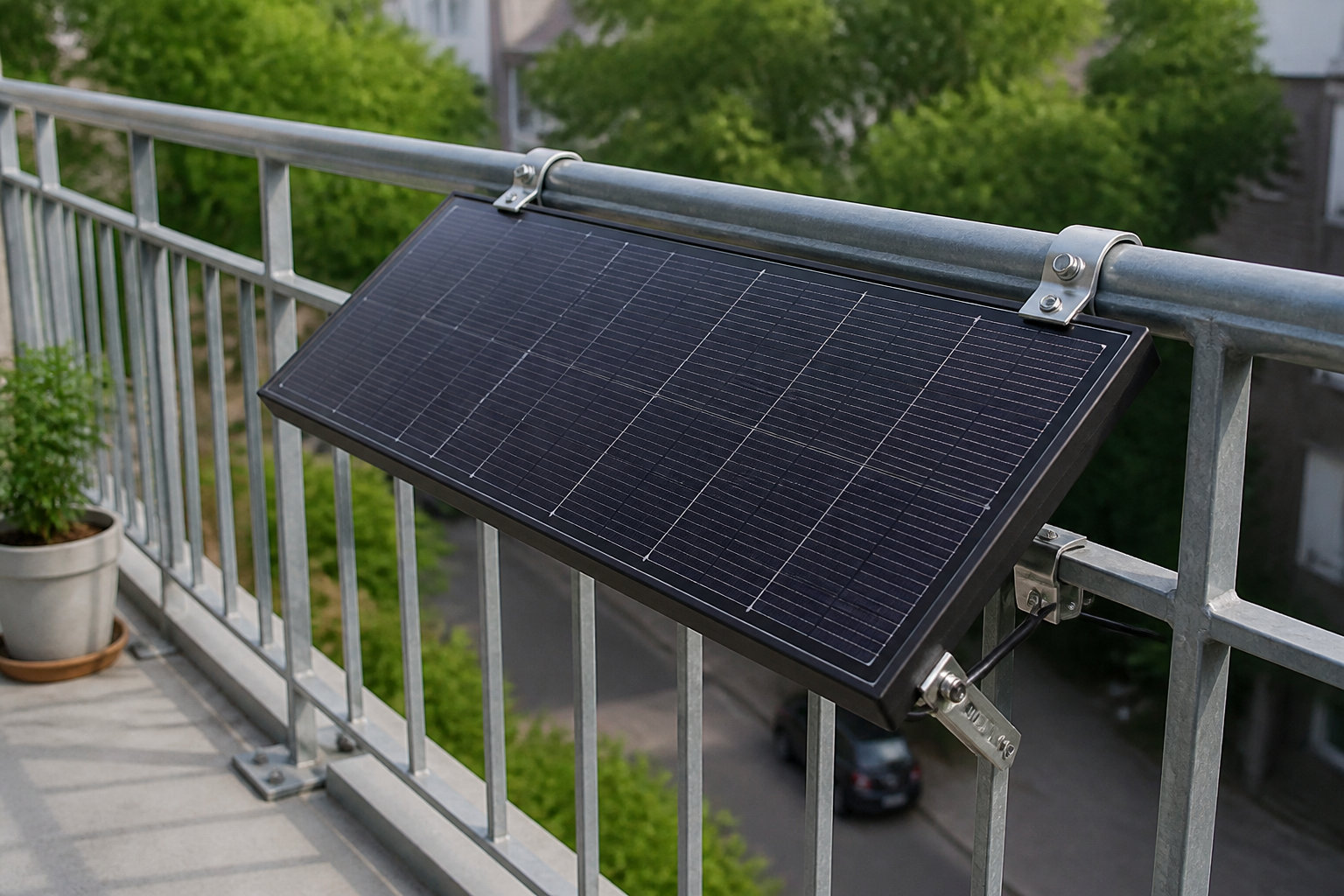
Mounting requires heavy-duty stainless steel brackets. Secure the panels to the balcony railing firmly. Ensure the angle captures maximum southern exposure. Double-check all cable connections for weatherproofing before the first run.
We want you to succeed. Learn how to install balcony solar panels safely to protect your home. Proper mounting prevents accidents and optimizes performance.
3 Ways to Maximize Your Solar Energy Production
Once your hardware is legally mounted and spinning the meter backward, you need to squeeze every possible watt out of the sun.
Using HEMS and Smart Plugs for Self-Consumption
Home Energy Management Systems (HEMS) track your production. They sync with smart plugs to trigger appliances. This ensures you use solar power as it is generated.
Program your dishwasher to run at noon. Use smart plugs to charge laptops during peak sun hours. This strategy maximizes self-consumption rates. It prevents wasting energy by sending it back to the grid for low credits.
“Self-consumption is the holy grail of plug-and-play solar; every watt used directly at home is worth three times more than a watt exported.”
Managing Shade Impact and Battery Integration for Night Use
Even partial shade can tank your output. Keep panels clean and clear of debris. Microinverters help mitigate losses from single shaded cells.
Maximize output by keeping panels clear of debris and cleaning them regularly, as even partial shade on small kits can significantly tank total energy production.
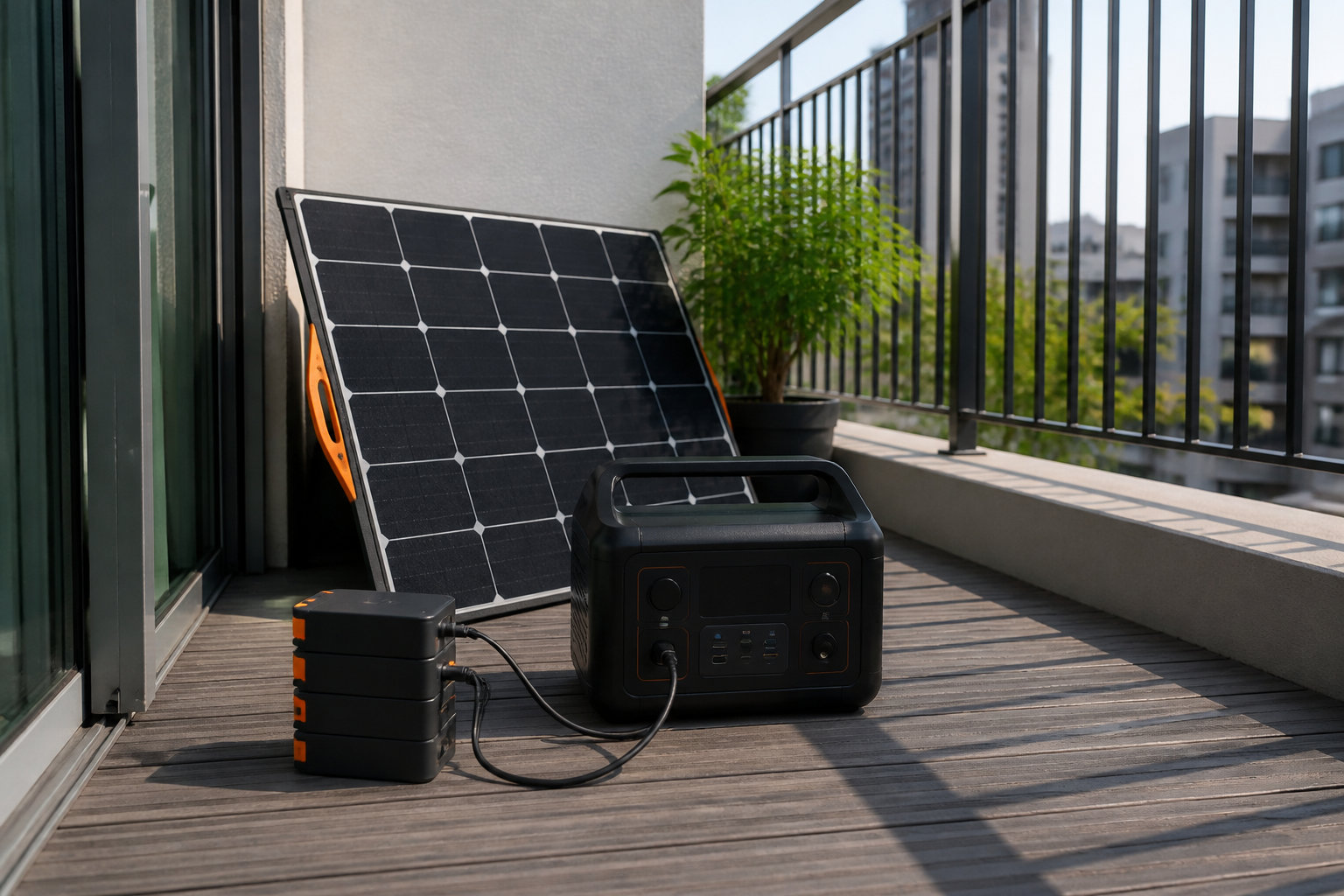
Consider adding a small modular battery. These units store excess daytime energy for evening use. It bridges the gap for nighttime lighting or phone charging. Lithium-ion options provide the best longevity for these setups.
Understanding the difference between Lithium vs lead acid for solar storage is vital for long-term gains. You should also consider how long plug and play solar panels really last to plan your investment.
By 2026, 23% cell efficiency and integrated microinverters will transform your balcony into a high-performance power plant. Start optimizing your self-consumption today to slash utility bills and secure your energy independence. The future of plug and play solar panel efficiency is here, plug in now and watch your savings grow.
FAQ
What kind of efficiency can I expect from plug-and-play solar panels in 2026?
By 2026, you can expect modern plug-and-play kits to reach a commercial cell efficiency of 22% to 23%. These systems utilize high-grade N-type monocrystalline silicon, ensuring you get more power from a significantly smaller physical footprint compared to older models.
While laboratory records are pushing toward 25% and beyond with technologies like perovskite-silicon tandems, the 23% mark represents the reliable, real-world performance available for residential kits. This jump in efficiency means your balcony or patio setup will generate consistent energy even during those less-than-perfect cloudy days.
How much power does a standard plug-and-play solar kit actually produce?
In a typical setup, a kit featuring two 390W panels (780W total) generally delivers about 600W of real-time usable power. Most commercial kits in 2026 offer individual panel ratings between 370Wp and 460Wp, but it is important to remember that actual output usually hovers around 75% of the peak wattage (Wp) due to environmental factors.
To squeeze every drop of energy from your investment, we recommend a southern orientation, which can boost your production by up to 26% compared to east-west placements. Adjusting your tilt angle between 27 and 42 degrees can also provide a vital 10-15% gain during the winter months when the sun sits lower in the sky.
Do I need a professional electrician to install these solar systems?
Not at all! The core beauty of “plug-and-play” technology is that it is specifically designed for simple, DIY installation. These systems connect directly to your home via a standard electrical outlet, bypassing the need for complex hardwiring or expensive professional contractors.
The integrated microinverters handle the heavy lifting by converting DC power to AC immediately at the source. This user-friendly approach makes solar energy accessible to everyone, including renters and apartment dwellers who want to lower their utility bills without making permanent structural changes to their property.
Are plug-and-play solar kits safe for apartment balconies?
Absolutely, provided you choose certified hardware. Look for systems featuring UL 1741 and IEEE 1547 certifications, which guarantee essential safety functions like anti-islanding. This feature ensures the system automatically shuts down during a power outage to prevent dangerous back-feeding into the grid.
For a secure setup, always use heavy-duty stainless steel brackets to mount your panels to the railing. Modern microinverters, such as the EcoFlow STREAM, are built to last with high weatherproofing ratings (IP67), ensuring your mini power plant remains safe and functional even in harsh environmental conditions.
How long does it take for a plug-and-play system to pay for itself?
Most users see a full return on their investment within five to seven years. By offsetting your “vampire” energy loads, like your refrigerator, Wi-Fi router, and standby electronics, these kits significantly reduce your monthly utility statement from day one.
To accelerate your savings, we suggest using Smart Plugs or Home Energy Management Systems (HEMS) to sync your heavy appliance use with peak sunlight hours. Using your solar energy directly at home is the most efficient strategy, as every watt consumed on-site is worth far more than the small credits you might receive for exporting it back to the grid.