Are you tired of waking up to a dead battery just when you reach the perfect off-grid spot? Choosing the best solar panels for van life is the only way to guarantee total freedom without sacrificing your modern comforts.
We have analyzed the top-performing mobile setups to help you build a reliable power system that never leaves you in the dark. We break down the top picks for efficiency and durability so you can travel with confidence.
- Choosing the Best Solar Panels for Van Life
- Renogy 200W Monocrystalline (The Reliable All-Rounder)
- Rich Solar 200W (Top Choice for Large Arrays)
- BougeRV 100W CIGS (Best Flexible Performance)
- HQST 100W (Most Affordable Entry Point)
- Newpowa 210W (High-Voltage Efficiency Leader)
- 2 Ways to Boost Efficiency with MPPT and Wiring
- How to Mount and Maintain Your Power Station?
Choosing the Best Solar Panels for Van Life
Monocrystalline panels offer 20% efficiency, outperforming polycrystalline in tight spaces. Rigid panels last 25 years, while CIGS flexible tech suits curved roofs. Systems require MPPT controllers and LiFePO4 batteries for maximum 12V performance.
Selecting the right hardware is the first step toward true off-grid freedom.
Monocrystalline vs Polycrystalline Performance
Monocrystalline cells reach 24% conversion rates. Their uniform silicon structure maximizes limited roof space. High-purity silicon ensures superior energy density for small vans.
Black cells absorb light more effectively. They maintain better production during dark winter days. Polycrystalline alternatives show a distinct blue, speckled tint.
The efficiency gap is significant. We recommend monocrystalline for maximum power in tight layouts.
Monocrystalline panels are the gold standard for van life, offering the highest wattage per square inch for cramped roof layouts.
Rigid vs Flexible Panel Durability
Flexible panels offer aerodynamic weight savings. However, lack of airflow often causes overheating. This heat trap significantly reduces cell lifespan.
Rigid panels last 25 years bolted down. Flexible versions suffer from cell cracking if walked upon. Plastic top layers also face UV degradation.
Mounting security favors heavy frames. Choose rigid vs flexible solar panels for vans based on long-term reliability needs.
Sizing Your Array for Daily Consumption
List 12V fridges and fans first. Account for inverter standby loads carefully. Don’t forget LED lights and phone charging.
Calculate total Amp-hours by factoring sunshine hours. Use the 2:1 solar-to-battery ratio. Calculate solar power needs for van life to ensure balance.
Complete your energy audit now. Always include a safety margin for rain.
Use a production coefficient of 3 for summer and 1 for winter. Formula: Daily Wh / Coefficient = Required Watt-peak (Wp).
Renogy 200W Monocrystalline (The Reliable All-Rounder)
While sizing determines your needs, choosing a specific hardware brand like Renogy ensures long-term system stability.
We love the corrosion-resistant aluminum frame on these units! The build quality is top-tier, featuring bypass diodes that stop power drops in the shade. Plus, pre-drilled holes make mounting a breeze.
This 200W output is the absolute sweet spot for mid-sized vans. It provides enough juice for daily needs without crowding your roof. Naturally, it works perfectly with most 12V battery banks.
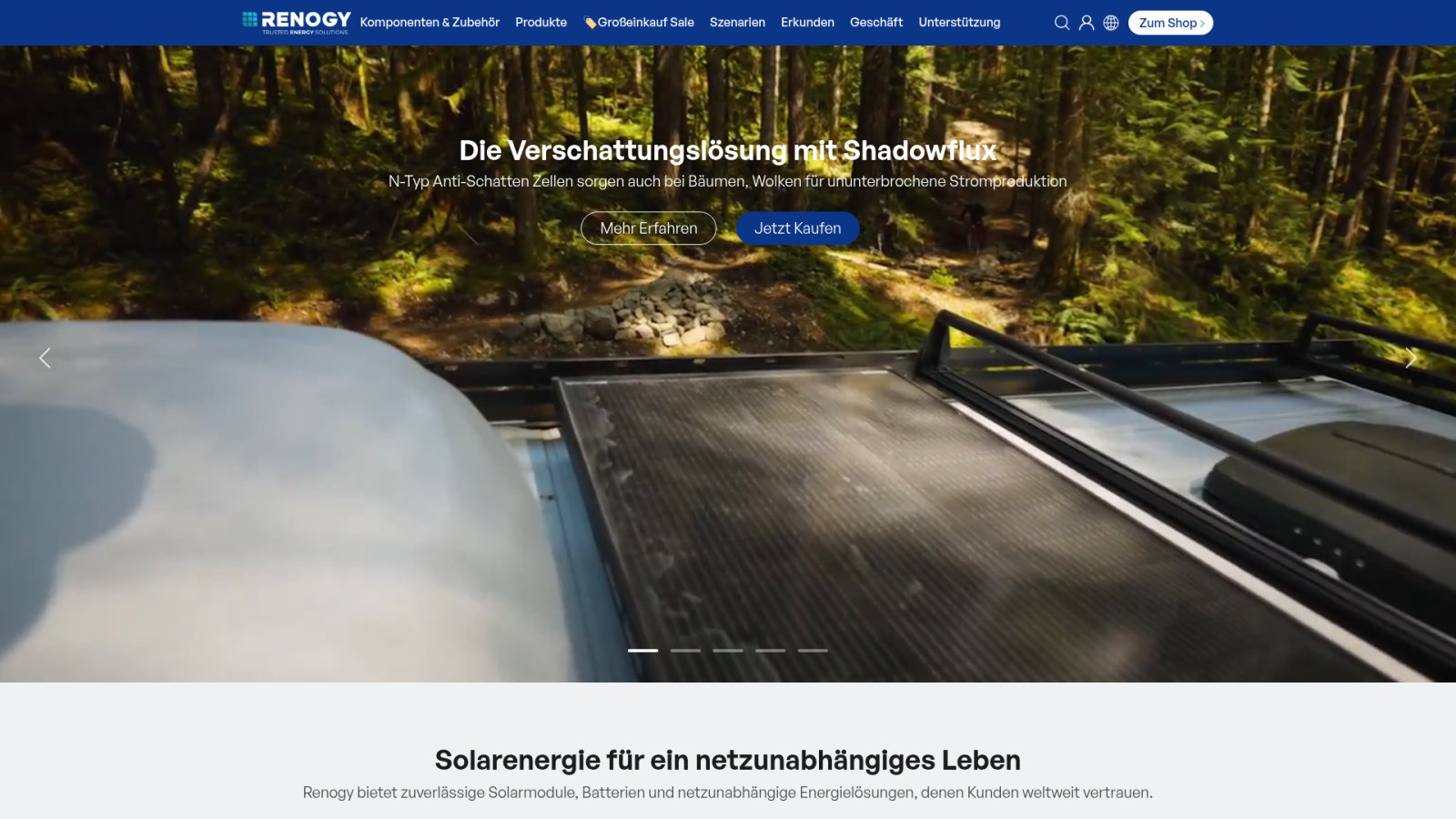
Renogy offers a solid 25-year power warranty and reliable support. The included MC4 connectors are industry standard for safety. These panels easily withstand heavy snow loads and high winds during travel.
For the best solar panels for van life: top picks for mobile living, this is the winner. It offers incredible value for builders who want performance without the premium price tag. You should check out these solar panel mounting options for RV roofs to start your install!
Rich Solar 200W (Top Choice for Large Arrays)
If your energy needs exceed a single panel, Rich Solar offers a robust alternative for scaling up your roof capacity.
These monocrystalline cells deliver a massive 24.8% efficiency. The anti-reflective glass coating maximizes every ray. Plus, the heavy-duty aluminum frame stands up to the toughest road vibrations.
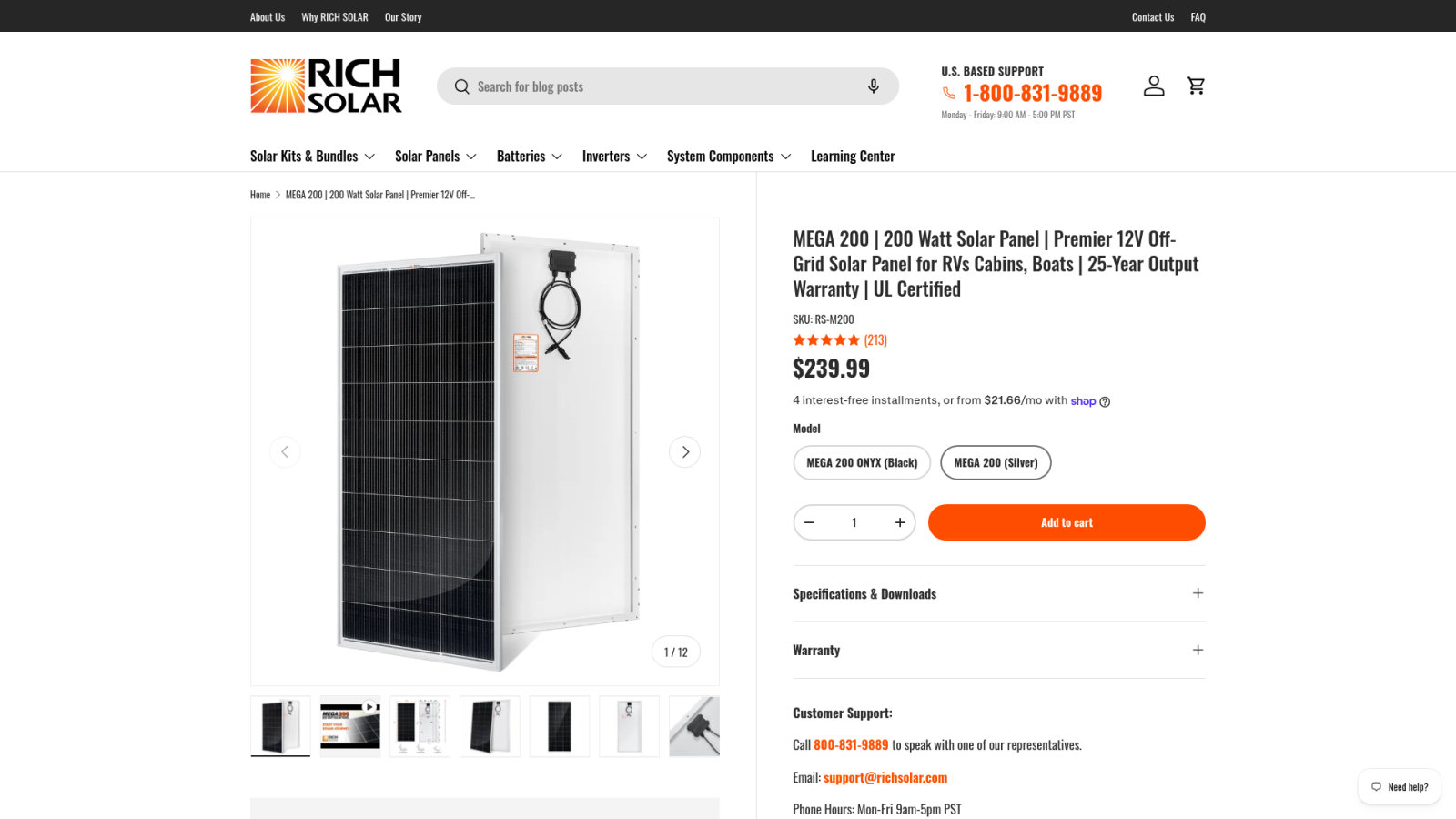
Do you need more power? These units are perfect for large multi-panel arrays. You can easily pair them in series or parallel to match your controller. The consistent voltage output makes expanding your system later totally stress-free.
Performance remains stable even when the sun is scorching. These panels handle extreme heat and cold, from -40°C to +85°C. Their rugged durability is a lifesaver in mobile off-grid environments.
This is the best solar panels for van life: top picks for mobile living when you have a high-roof van. It is the professional choice for heavy power users!
BougeRV 100W CIGS (Best Flexible Performance)
For those with curved roofs or stealth requirements, flexible technology like CIGS provides a unique mounting solution.
CIGS technology uses thin-film layers for extreme flexibility. These cells provide impressive shadow tolerance, ensuring power stays consistent when obstacles block the sun. It is a massive leap for mobile efficiency.
CIGS offers better shadow tolerance and flexibility than standard plastic-based panels.
The 360-degree bendable nature adheres to van contours without drilling. This reduces wind drag and noise significantly. Plus, the integrated adhesive backing makes the initial setup incredibly simple for any DIYer.
This model resists micro-cracks that plague traditional flexible panels. It lasts longer and maintains a lightweight profile for pop-top roofs. We believe this durability justifies the cost.

Ideal for stealth campers and curved Sprinter roofs. You get superior resilience without compromising your stealth van solar setup.
HQST 100W (Most Affordable Entry Point)
Budget-conscious builders don’t have to sacrifice quality, as entry-level options provide a reliable start for basic setups.
We believe the HQST 100W offers a stellar cost-to-performance ratio for small mobile systems. Its compact 100W output is specifically designed for crowded van roofs. You get maximum power without wasting precious real estate.

This monocrystalline design is built for rugged reliability. The simple plug-and-play compatibility makes it a dream for beginners. With a corrosion-resistant aluminum frame and IP65 protection, it handles rain and wind with ease!
However, be aware of limitations in extreme low light. You can easily pair two units for a 200W system to boost efficiency. The basic junction box remains functional and secure for everyday off-grid needs.
This is the best choice for weekenders and minimalist builds. You get solid, dependable power without the premium price tag. Why pay more when this works?
Newpowa 210W (High-Voltage Efficiency Leader)
Pushing the boundaries of efficiency, high-voltage panels offer a way to squeeze more power from every inch of sunlight.
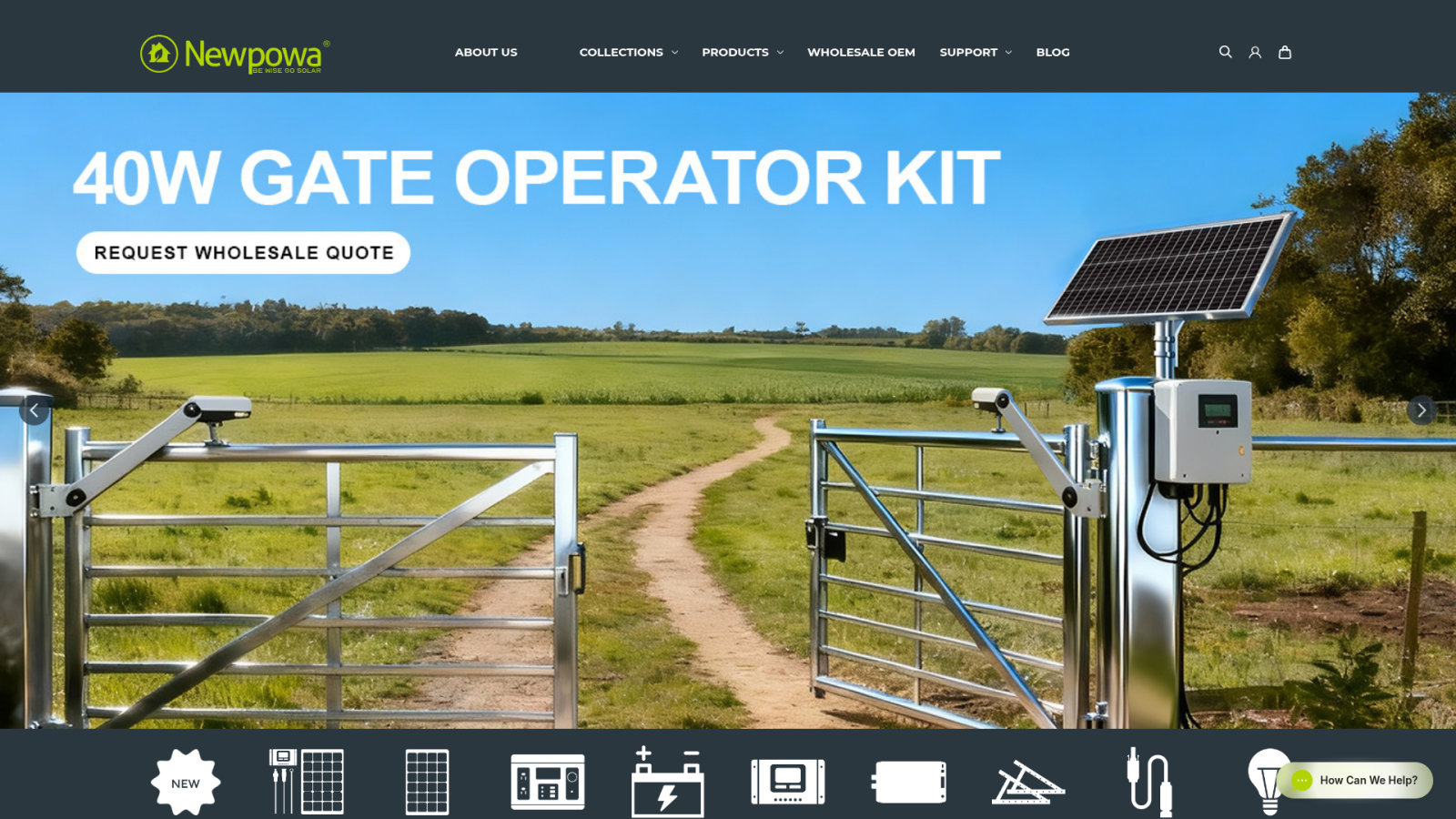
The Newpowa 210W delivers a massive output within a surprisingly compact footprint. Its high-voltage design ensures faster charging for your battery bank. This makes it an ideal choice for 24V or 48V systems.
We love the advanced cell texture that significantly boosts light absorption. This specific design helps your MPPT controller reach its peak efficiency faster. The robust TPT backsheet handles heat dissipation like a pro. In high-temperature climates, this is a major advantage for maintaining performance.
Installation is a breeze thanks to the pre-drilled holes in the frame. The heavy-duty glass provides serious protection against hail and debris. These cells are built for long-term degradation resistance, ensuring your investment lasts for years.
This is our top pick for technical builds and maximum energy harvest. It is truly a high-performance panel for serious travelers seeking the best solar panels for van life: top picks for mobile living.
2 Ways to Boost Efficiency with MPPT and Wiring
Hardware is only half the battle; how you manage and wire that power determines your actual daily yield.
MPPT controllers provide a 30% efficiency gain over PWM by tracking the maximum power point and converting excess voltage into amperage.
The MPPT Charge Controller Advantage
MPPT technology uses DC-to-DC conversion to track the maximum power point. This process delivers a 30% efficiency gain over PWM. It ensures you squeeze every drop of energy from your best solar panels for van life.
These units excel in cold weather by capturing high voltages. Unlike PWM, they don’t lose power when battery voltage drops. They handle high-voltage arrays and provide dedicated LiFePO4 battery protection stages.
Correct sizing is vital for system longevity. Modern controllers include Bluetooth apps for instant monitoring. They manage bulk, absorption, and float stages to maximize your battery’s lifespan.
Series vs Parallel Wiring Configurations
Series wiring boosts voltage, while parallel increases amperage. Series allows for thinner cables but is vulnerable to shading. Parallel requires thicker wiring but keeps the system running if one panel is blocked.
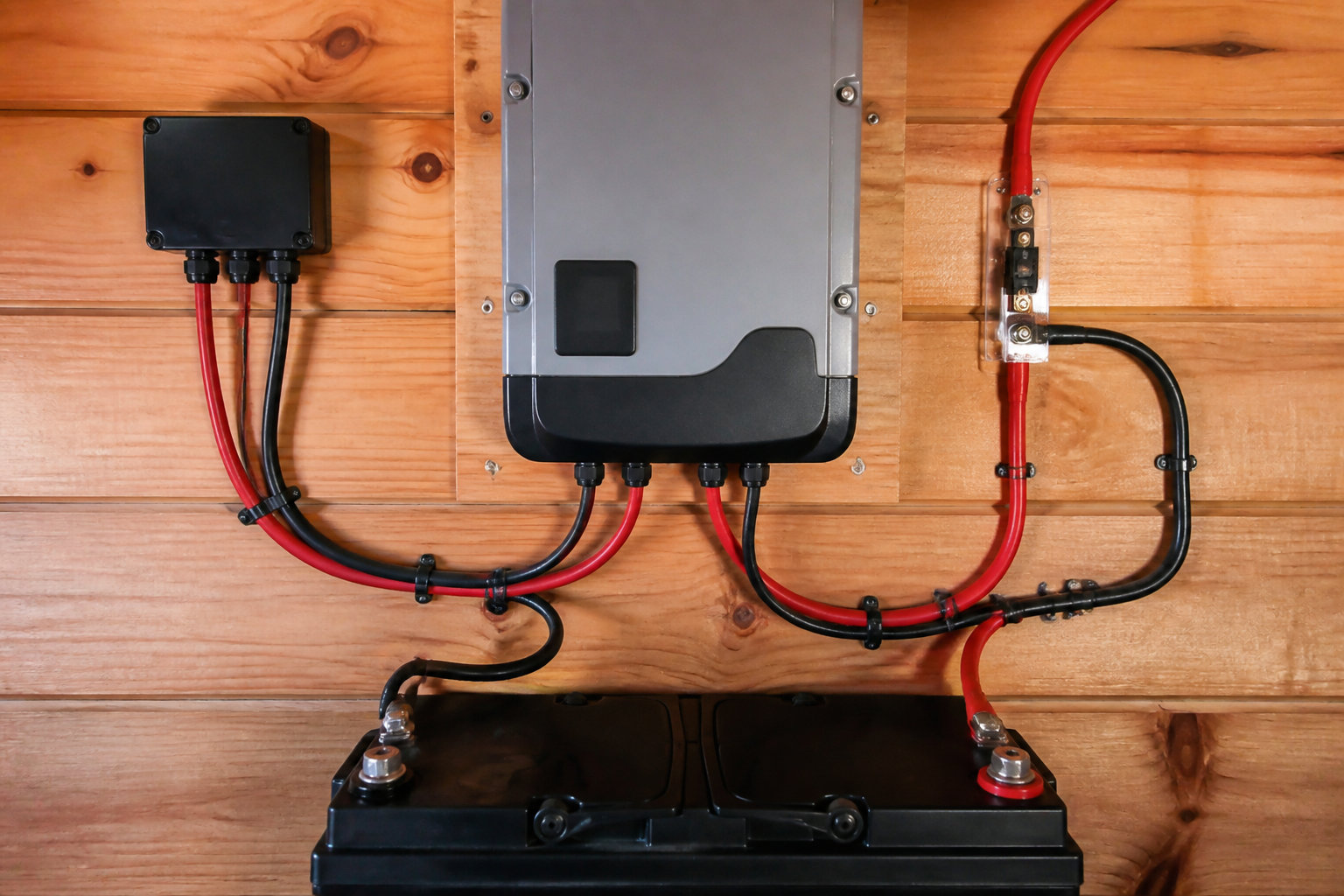
We recommend series for 24V banks to trigger early morning charging. Parallel offers superior resilience for vans with roof obstructions. Use branch connectors to maintain a clean, secure setup.
High-voltage series runs require careful safety management. Parallel configurations demand proper fusing to avoid hazards. Hybrid setups combine these methods to optimize performance for large mobile arrays.
- Series: Higher voltage, thinner wires, poor shade tolerance.
- Parallel: Higher amps, thicker wires, excellent shade resilience.
- Hybrid: Best of both for large arrays.
How to Mount and Maintain Your Power Station?
Once the electrical plan is set, the physical installation and long-term care ensure your investment stays secure on the road.
Mounting Techniques: Drilling vs Adhesive
Choosing between 3M VHB tape and Z-brackets is tough. Many fear drilling their roof, but mechanical fasteners offer superior integrity. We believe bolting remains the gold standard for rigid panels.
Flexible panels glued to metal roofs risk efficiency drops and adhesive failure due to lack of ventilation.
Metal roofs expand significantly in the sun. Air gaps prevent overheating, while Dicor sealant is vital to stop leaks. Without proper spacing, high heat often leads to premature adhesive failure.
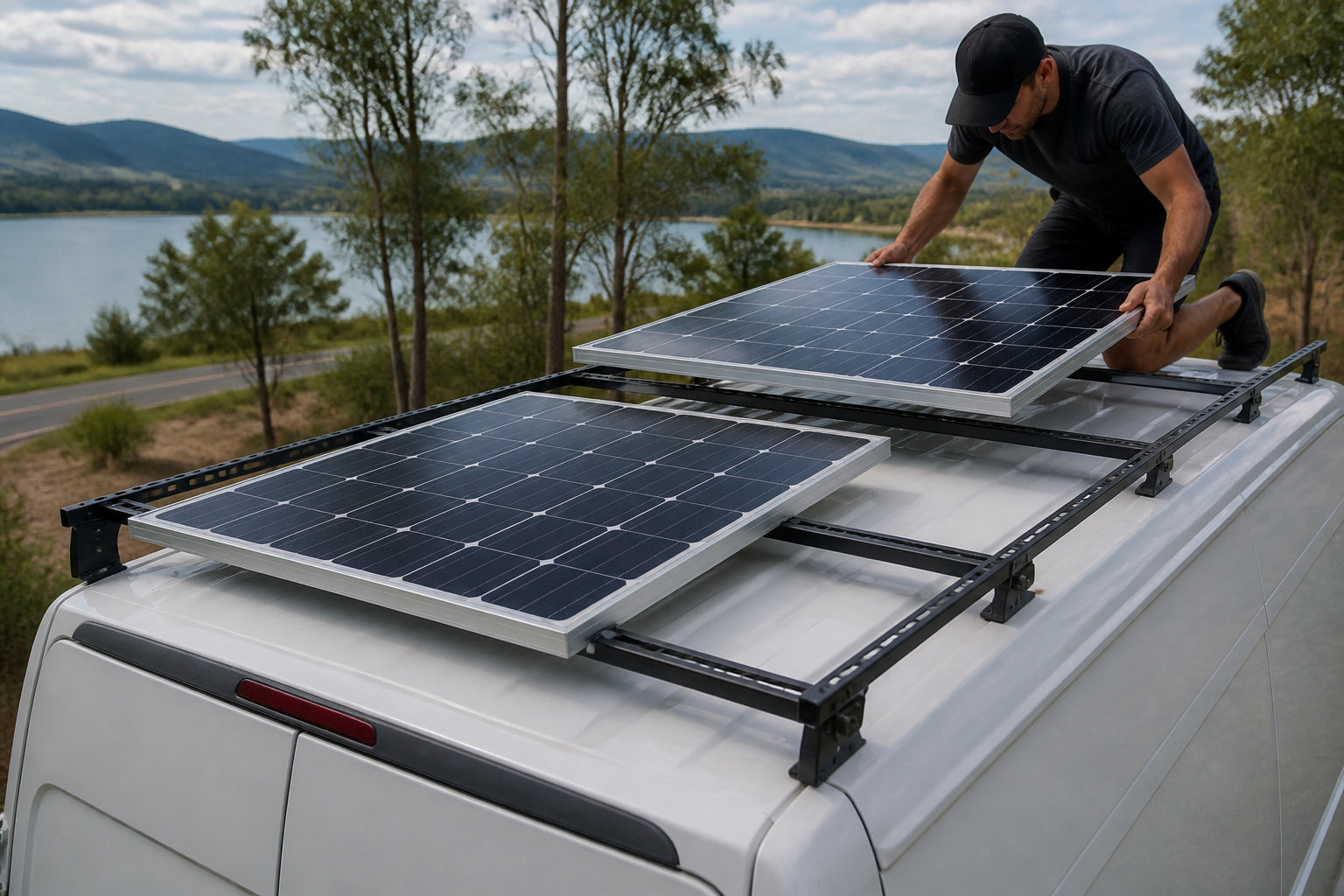
Fiberglass requires specific hardware, whereas steel handles standard brackets easily. Roof racks provide flexibility without direct contact. For winter travel, tilting mounts are a game-changer for catching low-angle sun.
| Method | Best For | Pros | Cons |
|---|---|---|---|
| Drilling | Rigid | Security | Roof Holes |
| Adhesive | Flexible | No Holes | Heat Risk |
| Rack | Vans | Airflow | Height |
Integrating Solar with DC-DC Chargers
A DC-DC charger pulls power from your alternator while driving. This synergy ensures autonomy during rainy days. It is a must-have for consistent mobile power.
Dual-input controllers protect your starter battery by balancing engine and solar inputs. Use thick cables for long runs to maximize the best solar panels for van life: top picks for mobile living.
Maintenance is simple: clear dust and snow regularly. Check MC4 connections for corrosion to ensure safety. A well-kept solar panel and battery setup typically lasts 20 years.
Ready to power your freedom? By choosing high-efficiency monocrystalline cells and a smart MPPT controller, you ensure consistent energy even on cloudy days. Don’t wait for a dead battery to upgrade, secure the best solar panels for van life today and start waking up to endless off-grid possibilities!
FAQ
Is monocrystalline tech really better than polycrystalline for my van?
Absolutely! Monocrystalline panels are the gold standard for mobile living because they offer a much higher efficiency rate, typically between 18% and 24%. Since roof space on a van is a premium commodity, you want to squeeze every possible watt out of every square inch.
While polycrystalline panels are cheaper, they are bulkier and less effective in low-light conditions. For a reliable off-grid setup, monocrystalline cells provide the power density you need to keep your batteries charged even when the weather isn’t perfect!
Should I choose rigid or flexible solar panels for my roof?
It depends on your priorities! Rigid panels are the champions of durability and airflow. Because they sit on brackets, air circulates underneath, preventing heat buildup and ensuring a 25-year lifespan. They are the best choice for flat roofs where long-term reliability is key.
On the other hand, flexible panels (like CIGS technology) are incredibly lightweight and discreet. They follow the curves of your van perfectly, making them ideal for stealth camping or pop-top roofs. Just keep in mind they typically have a shorter lifespan due to higher heat exposure.
How do I calculate how much solar power I actually need?
Don’t guess, calculate! Start by listing every device, from your 12V fridge to your LED lights, and multiply their wattage by the hours used daily to get your total Watt-hours (Wh). We recommend adding a safety margin to account for cloudy days.
A pro tip is to use a production coefficient. In summer, divide your daily needs by 3; in winter, divide by 1. This gives you the target Watt-peak (Wp) for your array. For most mid-sized builds, a 200W setup is the perfect “sweet spot” for consistent energy.
What makes an MPPT controller better than a standard PWM?
Think of the MPPT controller as the “brain” of your system. Unlike basic PWM controllers that simply act as a switch, MPPT technology constantly tracks the maximum power point of your panels to harvest the most energy possible. This can boost your charging efficiency by up to 30%!
This is especially crucial during cold or cloudy days when every amp counts. If you are investing in high-quality panels and LiFePO4 batteries, an MPPT controller is a non-negotiable upgrade to protect your investment and maximize your autonomy.
Is it better to wire my solar panels in series or parallel?
Both have their perks! Series wiring increases voltage, which helps your MPPT controller start charging earlier in the morning and allows for thinner, more manageable wires. However, if one panel is shaded by a roof fan, the whole string’s performance drops.
Parallel wiring keeps the voltage low but increases amperage. Its biggest advantage is shade resilience; if one panel is in the dark, the others keep pumping out power at full strength. For vans with cluttered roofs, parallel is often the safer bet for consistent harvesting!
Can I install solar panels without drilling holes in my van?
Yes, you can! For flexible panels, high-strength adhesives like 3M VHB tape or specialized structural glues allow for a secure, hole-free installation. This is a lifesaver for those worried about rust or leaks down the road.
For rigid panels, many builders use roof racks or specialized mounting feet that bond to the roof with high-performance sealants. Always ensure the surface is perfectly debrided and degreased before sticking anything down to ensure your panels stay put at highway speeds!
Why should I add a DC-DC charger to my solar setup?
A DC-DC charger is the ultimate backup plan! It allows your alternator to charge your house batteries while you drive. This is the perfect synergy for solar users: the sun charges you while parked, and the engine charges you while moving or during rainy weeks.
Modern “smart” alternators often won’t charge auxiliary batteries fully on their own. A dedicated DC-DC booster ensures your Lithium batteries receive the exact voltage profile they need, keeping them healthy and 100% charged for your next adventure!