Recent data shows that off-grid tiny houses typically require between 400W and 3kW of power to maintain total energy autonomy throughout the year. Choosing the right solar panel kits for tiny houses is the most effective way to secure reliable electricity without being tethered to a traditional utility grid.
The challenge is that a single wiring mistake or an undersized battery bank can leave you in the dark during a week of rain. We are going to break down the best setups, from plug and play units to professional modular systems, to help you find the perfect balance for your minimalist lifestyle.
- Solar Panel Kits for Tiny Houses: Selection Criteria
- Victron 12V Kits for Minimalist Energy Needs
- Bluetti Pre-Wired Systems for Rapid Off-Grid Deployment
- High-Output 2.7 kWc Kits for Full-Time Residency
- Practical Maintenance for Sustained Off-Grid Performance
Solar Panel Kits for Tiny Houses: Selection Criteria
Off-grid tiny houses require systems sized for 24-hour autonomy, typically ranging from 400W for minimalists to 3kW for high-consumption builds. LiFePO4 batteries and MPPT controllers are the gold standard for reliable 120V/240V AC power.
The logic of total power capacity starts with a ruthless audit of every single light bulb and appliance.
Calculating Daily Energy Loads for Appliance Sizing
List every appliance’s wattage. Differentiate between peak startup surges and continuous running watts for accurate inverter sizing. Calculate your daily kWh to avoid system failure. Check how to calculate the ROI of your residential solar kit – Solar Panel Kit for perspective.
Address parasitic loads like standby LEDs or Wi-Fi routers. These small leaks drain battery banks faster than expected. Finalize the calculation by adding a 20% safety margin. Never size a system for perfect sunny conditions.
Choosing Between 12V, 24V, and 48V System Voltages
High-voltage 48V systems reduce energy loss. They are ideal for large builds with heavy AC loads. 12V remains the standard for small, mobile homes.
A 48V architecture is no longer a luxury for off-grid living; it is the most efficient way to handle high-wattage kitchen appliances without melting your wires.
Matching voltage to battery capacity ensures optimal MPPT efficiency. Don’t mix mismatched components. Check availability before committing; 48V inverters are common but 12V parts are still everywhere.
While voltage choice sets the foundation, choosing a specific brand like Victron defines the long-term reliability of your minimalist setup.
Victron 12V Kits for Minimalist Energy Needs
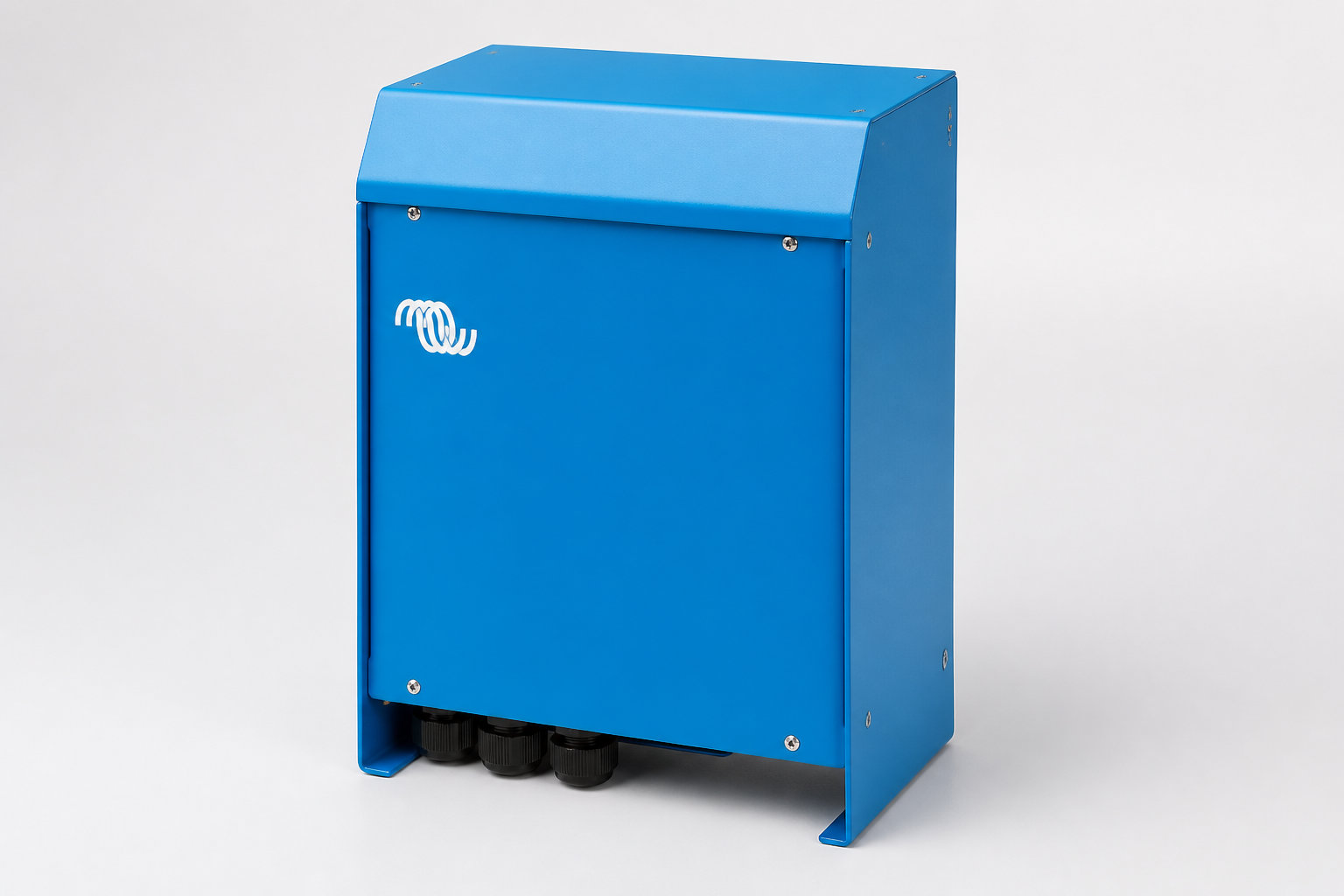
Victron Energy is the premium choice for tiny house owners. Their blue components offer unmatched monitoring via Bluetooth. You can track every watt from your phone. Reliability is high, but the price reflects the high-end engineering involved.
The MultiPlus inverter-charger is a legendary piece of hardware. It handles shore power and solar charging seamlessly. Use it for compact 12V setups that need to stay simple.
- SmartSolar MPPT controller for max efficiency
- Lynx Distributor for clean wiring
- Cerbo GX for central system control
Smart tiny dwellers often debate Lithium vs lead acid for solar storage – Solar Panel Kit. Lithium is the winner for weight and lifespan. Your solar panel kits for tiny houses: complete off-grid setup deserves this level of quality.
Bluetti Pre-Wired Systems for Rapid Off-Grid Deployment
If the complexity of individual components feels overwhelming, pre-wired “solar generators” offer a literal plug-and-play alternative.
Bluetti systems like the AC200P simplify everything. They combine the inverter and battery into one box. This saves hours of installation time and reduces potential wiring errors significantly.
These units are perfect for weekenders or mobile tiny houses. You just connect the panels and start charging your electronics. However, internal batteries are harder to replace than modular ones. Consider this for long-term residency plans.

Actually, understanding How Plug-and-Play Solar Kits Work: Setup & Cost is the best way to see if this convenience fits your lifestyle. It really changes how we think about power.
| Kit Type | Setup Time | Customization | Best For |
|---|---|---|---|
| Modular (Victron) | High (8+ hours) | Full | Expert users |
| All-in-One (Bluetti) | Low (1 hour) | Limited | Beginners |
| Budget (Renogy) | Medium (4 hours) | Moderate | DIY enthusiasts |
High-Output 2.7 kWc Kits for Full-Time Residency
For those moving into a tiny house permanently, a small portable unit won’t cut it; you need massive solar harvesting capacity.
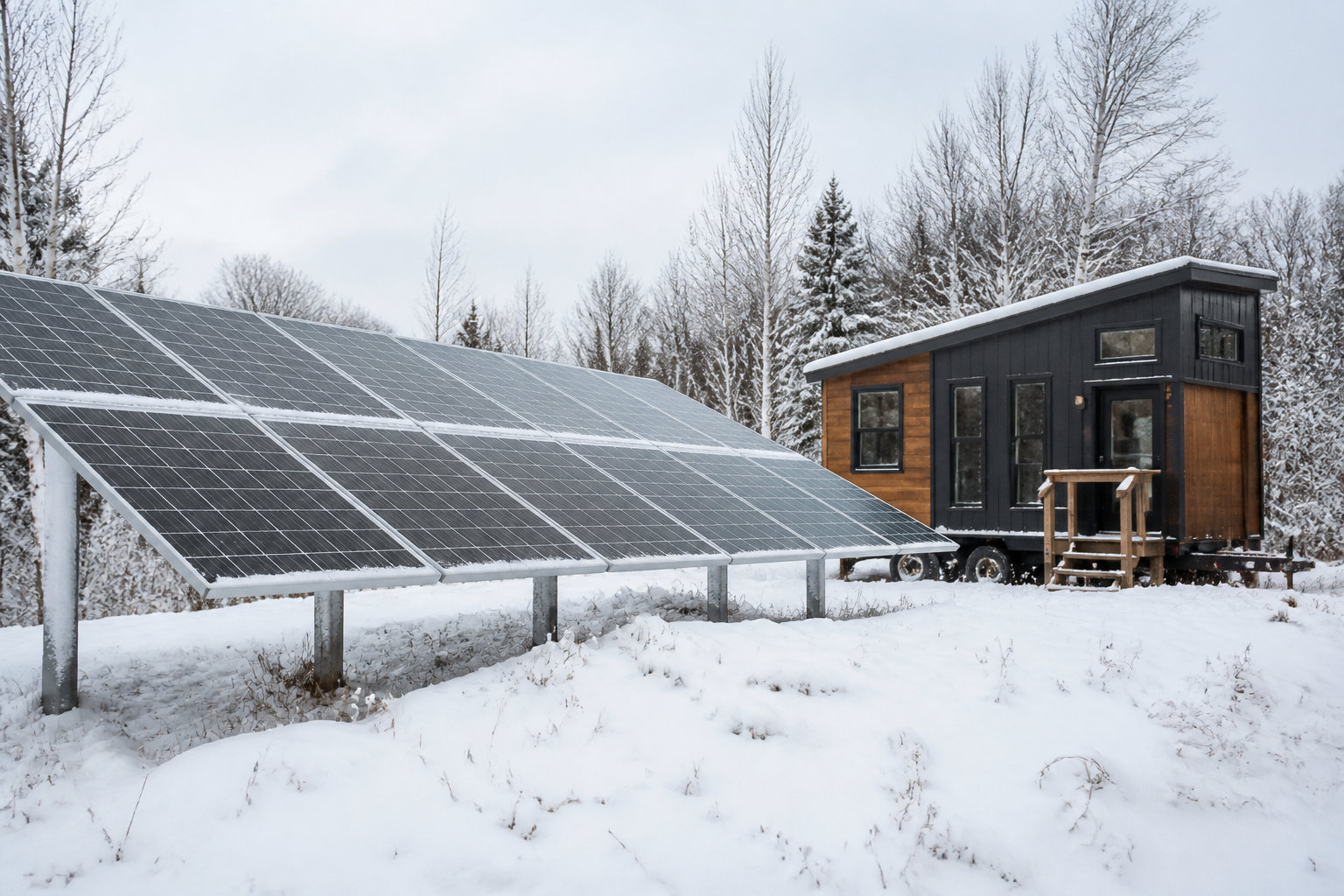
A 2.7 kWc kit provides enough juice for a mini-split AC and a full-size fridge. This setup usually requires six to eight large residential-grade solar panels.
- 2.7 kWc output | 4.80 kWh lithium storage
- 2,937 kWh estimated annual production
Roof space is the biggest constraint here. You might need a ground-mounted array if your roof is too small. High-output kits demand 48V LiFePO4 battery banks to handle energy safely.
Living full-time off-grid requires over-provisioning your solar array by at least 30% to account for the inevitable dark days of December.
Consider expanding your setup for other buildings. You can find a Solar panel kits for detached garages: a complete setup to secure your energy independence.
Practical Maintenance for Sustained Off-Grid Performance
Even the most expensive kit will fail prematurely without hardware oversight. Keeping your gear in top shape is the difference between true freedom and a cold, dark night.
Battery Health Protocols and LiFePO4 Longevity
Lithium batteries hate extreme cold. Keep them in a temperature-controlled box to prevent charging damage. Monitor your depth of discharge to ensure they last ten years.
Adjust your charge controller settings as seasons change. Winter sun is weak and requires longer absorption times. Don’t let your batteries sit at zero for weeks.
Use a dedicated battery monitor. Relying on voltage alone is inaccurate for lithium chemistries and leads to surprises. A BMS ensures cells stay balanced.
Clean panels monthly for a 20% efficiency gain and integrate a gas generator for rain weeks.
Hardware Inspections and Backup Power Integration
Clean your panels every month. Dust and bird droppings can drop efficiency by 20% instantly. Check the mounting brackets for loosening after high winds.
Integrate a backup gas generator for emergencies. Solar isn’t magic during rain. A hybrid inverter makes this connection simple and safe for your electronics.
Following Safety standards for installing solar shed kits – Solar Panel Kit keeps your off-grid setup reliable and secure for years.
Achieving total energy autonomy requires precise load audits, efficient 48V architectures for high-demand builds, and reliable LiFePO4 storage. Start by sizing your system for winter resilience to ensure year-round comfort. Investing in quality solar panel kits for tiny houses today guarantees your sustainable freedom for decades to come. Empower your off-grid journey now!
FAQ
How do I calculate the energy needs for my tiny house appliances?
To get your sizing right, you need to list every single device you plan to use, from your fridge to your laptop charger. Take the wattage of each item and multiply it by the hours you use it daily to find your daily kWh consumption. Don’t forget to account for “phantom loads” like Wi-Fi routers that stay on 24/7!
We always recommend adding a 20% safety margin to your final total. This buffer ensures you don’t run out of juice during cloudy spells. It is much better to have a bit too much power than to sit in the dark because of a small calculation error.
Should I choose a 12V, 24V, or 48V solar system for my build?
The best choice depends on your daily energy appetite. A 12V system is fantastic for minimalist mobile living and simple lighting needs. However, if you plan on using heavy-duty appliances like a mini-split AC or a full-size fridge, a 48V architecture is the gold standard for efficiency and safety.
Higher voltage systems allow you to move more power through thinner wires with less energy loss. While 12V components are easy to find, 48V setups are much better at handling high-wattage kitchen tools without stressing your electrical connections. Match your voltage to your lifestyle for the best results!
What is the difference between modular kits and all-in-one systems?
Modular systems, like those using Victron components, offer incredible flexibility and are easy to repair piece by piece. You can expand your battery bank or add more panels as your needs grow. They are built for long-term residency and offer professional-grade monitoring right from your smartphone.
On the other hand, all-in-one units like Bluetti are perfect for rapid deployment. These “plug-and-play” boxes combine the inverter and battery into one sleek unit, saving you hours of complex wiring. While they are super convenient for weekenders, keep in mind that modular systems are usually easier to upgrade for full-time off-grid living.
How can I ensure my solar batteries last for many years?
Taking care of your LiFePO4 batteries is the secret to a long-lasting system. These batteries really dislike extreme cold, so keeping them in a temperature-controlled space is vital. You should also use a dedicated battery monitor to track your depth of discharge accurately rather than relying on simple voltage readings.
During the winter, remember to adjust your charge controller settings to account for the weaker sun. Never let your batteries sit at a zero percent charge for long periods. A little bit of attention to these details will keep your energy storage healthy for a decade or more!
Do solar panels require a lot of maintenance?
Not at all, but a little bit of cleaning goes a long way! Dust, leaves, or bird droppings can drop your efficiency by 20% almost instantly. We suggest giving them a quick wipe every month and checking your mounting brackets after any heavy winds to make sure everything stays secure.
It is also smart to integrate a backup gas generator into your setup. Even the best solar kit can struggle during a full week of heavy rain. Using a hybrid inverter makes connecting a backup source simple, giving you total peace of mind regardless of the weather.