Modern LiFePO4 batteries used in high-end emergency kits now deliver up to 6,000 charge cycles, providing reliable home power for over a decade. This massive leap in longevity transforms temporary backup solutions into long-term energy investments for any household.
Grid failures often strike when we are least prepared, leaving essential appliances useless. We will help you select the ideal portable solar panel kit for power outage scenarios to ensure your home remains functional and safe during the next blackout.
- Portable Solar Panel Kit for Power Outage: Your Grid-Independent Safety Net
- Jackery Solar Generator 2000 Plus for Maximum Reliability
- EcoFlow Delta 2 Max for Lightning-Fast Emergency Charging
- Bluetti AC200MAX + PV350 for Heavy Appliance Support
- Goal Zero Yeti 1500X for Rugged Portability
- Mobisun 100W Pro Air for Lightweight Mobility
- How Much Energy Does Your Home Actually Need?
- 4 Steps to Maintain Your Solar Kit for Years
Portable Solar Panel Kit for Power Outage: Your Grid-Independent Safety Net
Reliability during blackouts hinges on LFP battery chemistry, minimum 2000Wh capacity for appliances, and high-efficiency monocrystalline panels. Top-tier kits like Jackery and EcoFlow offer sub-2-hour charging, essential for fluctuating real-world solar yields.
Conversion of solar energy to DC via PV cells, then to AC via an inverter to power household electronics.
Real-World Efficiency vs Manufacturer Labels
Lab ratings use Standard Testing Conditions (STC) that rarely exist in your backyard. A 200W panel often struggles to reach its peak. Haze and improper angles steal energy. Reality is far messier than a controlled, sterile laboratory environment.
Heat is a silent thief for silicon cells. High temperatures increase internal resistance, causing thermal degradation. As panels bake in the sun, their ability to move electrons slows down. Efficiency drops just when you need it most.
Atmospheric interference also plays a massive role. Humidity and smog scatter light particles before they hit the cells. Energy harvest drops significantly during hazy summer afternoons. Clear skies are rare, and performance usually suffers accordingly.
Expect roughly 75% to 85% of the rated wattage under clear skies, as lab conditions ignore real-world heat and haze.
Direct Device Charging vs Power Station Buffering
Charging a phone directly via USB ports on panels feels efficient. But it lacks stability. Even passing clouds can interrupt the handshake protocol. This causes devices to stop and start charging repeatedly, which is frustrating.
A battery buffer changes the game entirely. The power station absorbs fluctuations effortlessly. This protects sensitive electronics from voltage spikes or sudden drops. It ensures a steady flow of energy regardless of passing shadows or light changes.
We often recommend comparing portable power stations vs fixed solar batteries for homes to understand these differences. Reliable portable solar panel kits for home power outages always rely on a solid buffer to maintain consistent energy delivery.
Using a buffered system provides significant advantages for long-term survival. We prioritize safety and efficiency. Here is why a buffer is non-negotiable for your home safety setup:
- Stability of current
- Protection of device cycles
- Ability to use power at night
While understanding efficiency is vital, choosing the right hardware like the Jackery 2000 Plus ensures those watts are stored reliably.
Jackery Solar Generator 2000 Plus for Maximum Reliability
We prioritize longevity when your home’s comfort is on the line. The LiFePO4 battery in this unit is a true marathon runner, lasting 10 years even with daily use. For emergency preparedness, this 2042Wh capacity represents the gold standard. It provides a massive, stable energy reserve when the grid fails.
But what about catching those rays? The SolarSaga panels are built for real-world toughness and feature IBC technology for superior low-light performance. Their clever folding design means you can go from storage to charging almost instantaneously. We love how simple it makes a stressful situation.
Unlike loud, smelly gas engines, this system offers whisper-quiet operation indoors during a storm. It safely powers a full-size fridge for hours without any toxic fumes or noise. You get peace of mind and cold food simultaneously.
“The Jackery 2000 Plus stands out for its expandable capacity, allowing users to add battery packs as their emergency needs grow.”
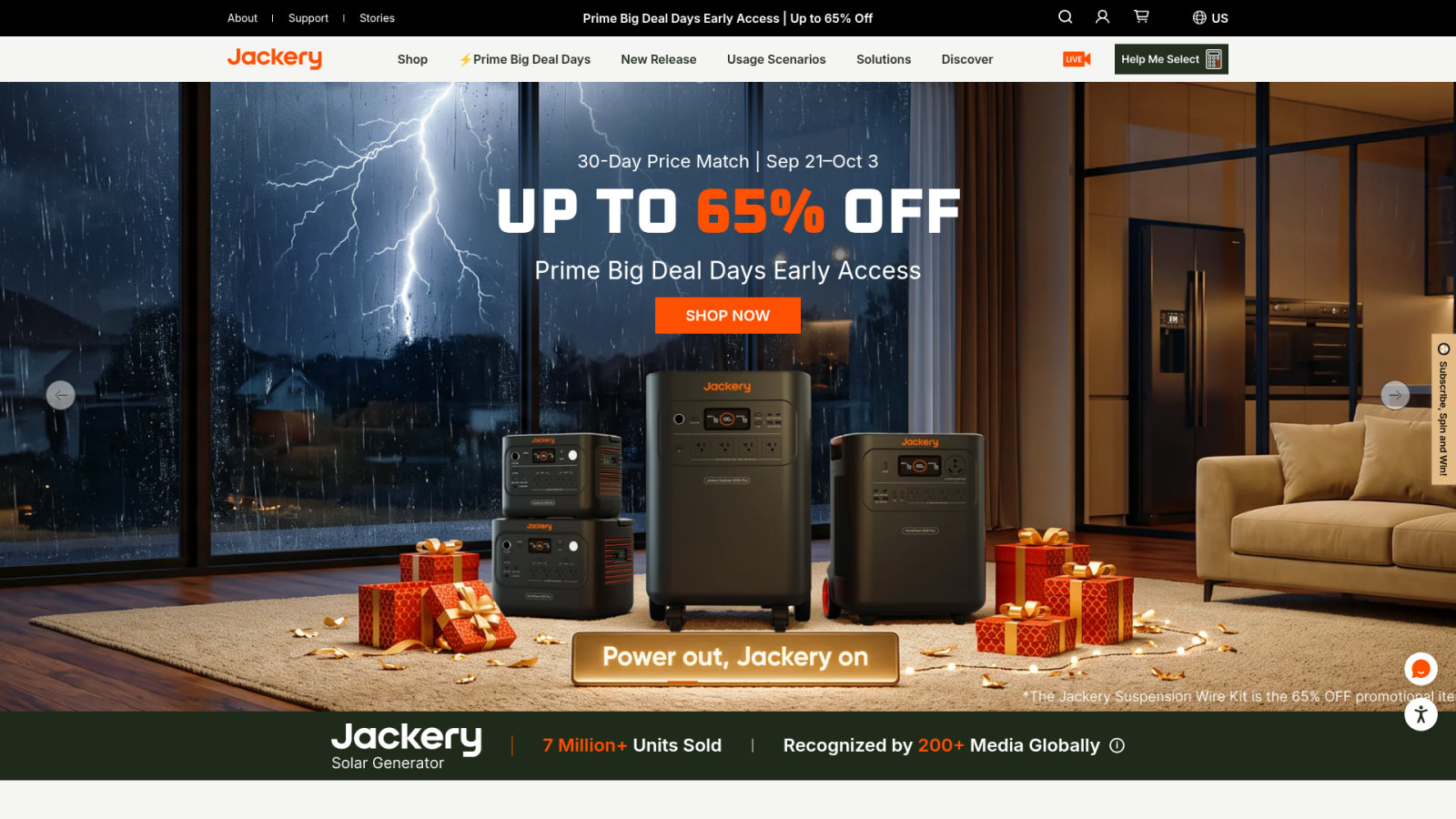
Reliable portable solar panel kits for home power outages demand peak plug and play solar panel efficiency. This setup delivers exactly that.
EcoFlow Delta 2 Max for Lightning-Fast Emergency Charging
Reliability is one thing, but when the sun peaks through the clouds, speed becomes the priority, which is where EcoFlow excels.
We rely on X-Stream technology to redefine emergency preparedness. This system charges from 0 to 80% in just over an hour. Such velocity is vital when solar windows are short.
The 2400W AC output provides massive versatility for your home. It handles 99% of common appliances without breaking a sweat. You can run a microwave and a coffee maker simultaneously.
| Feature | EcoFlow Delta 2 Max | Competitor Average |
|---|---|---|
| AC Charge Time | 0-80% in 53 mins | 3 to 6 hours |
| Solar Input Max | 1000W (Dual) | 400W – 600W |
| Battery Cycles | 3000 (to 80%) | 500 – 800 |
| Weight | 23 kg (50 lbs) | 25 – 30 kg |
The unit features a clever dual solar input design. You can connect two separate arrays to capture every photon. This dual-charging maximizes energy intake during overcast weather.
Choosing the right tech matters for longevity. Learn more about Lithium vs lead acid for solar storage to optimize your setup.
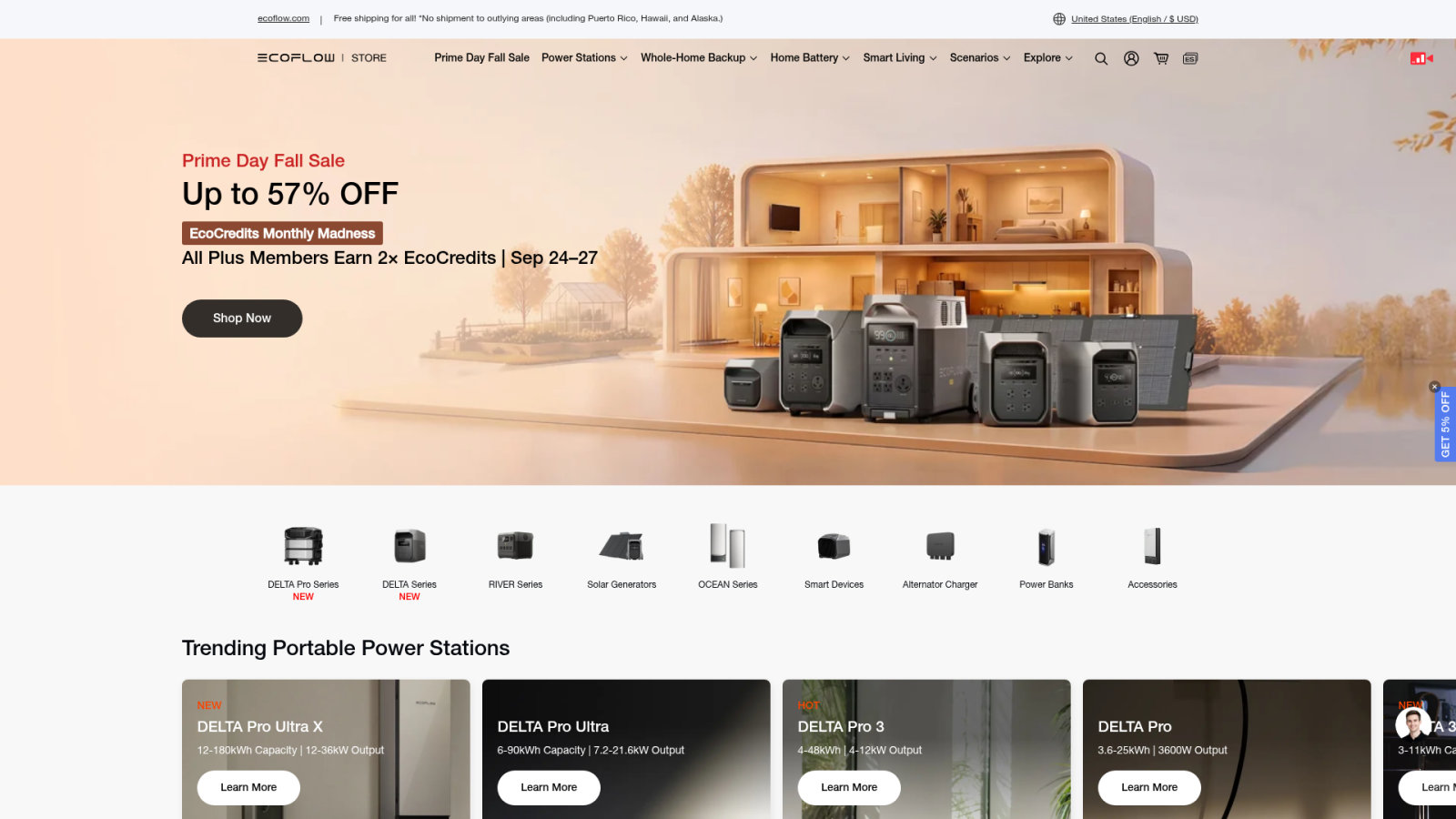
Bluetti AC200MAX + PV350 for Heavy Appliance Support
If your priority shifts from speed to raw power for heavy-duty tools, the Bluetti ecosystem offers a robust alternative.
The PV350 panels are high-wattage single-piece folders. They catch more energy per square inch than smaller units. This efficiency ensures your batteries stay topped up even during shorter winter days.
We rely on the 2200W inverter capacity to keep things running. It handles the starting surge of air conditioners effectively. This is crucial for summer outages when heat becomes a safety issue.
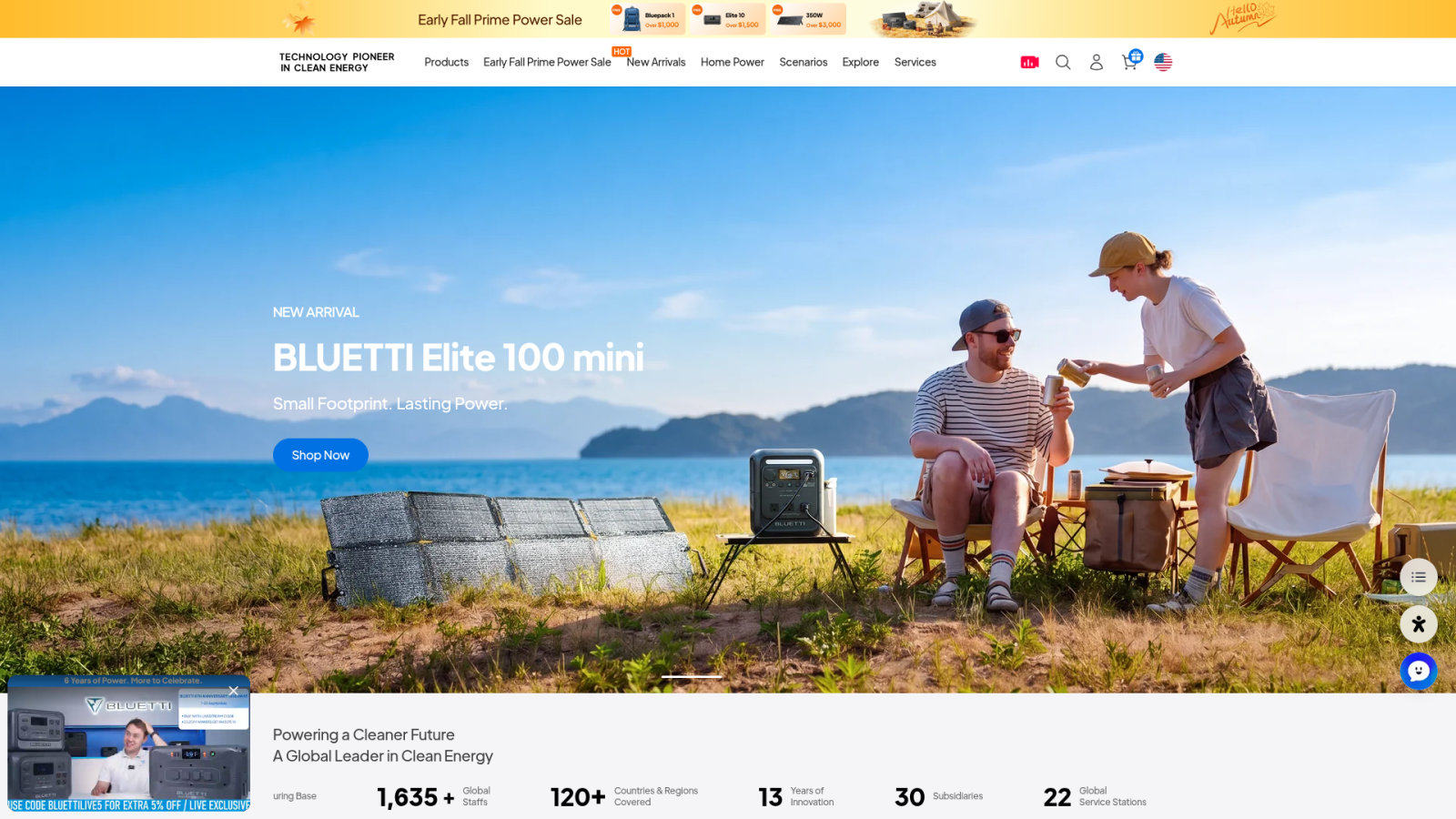
The system provides diverse connectivity options to cover all your needs:
- NEMA TT-30 port for RVs
- 15W wireless charging pads
- Expandable via B230 batteries
Reliability is built into the chassis, making it a fortress of power. The AC200MAX is heavy but built like a tank. It survives the rigors of emergency transport without breaking a sweat.
Looking for more mobility? Check out our guide on the RV Solar Panel Kit for your next adventure. These reliable portable solar panel kits for home power outages ensure you never stay in the dark.
Goal Zero Yeti 1500X for Rugged Portability
Power is useless if you can’t move it to where it’s needed most during a crisis. We consider the Yeti 1500X a true industry veteran. It strikes a perfect balance between weight and capacity. The ergonomic handles ensure quick, pain-free movement when every second counts.
Pairing this station with Boulder 100 Briefcase panels is a smart move. These rigid, glass-protected units are built for durability. They withstand harsh winds far better than flimsy fabric-backed alternatives.
Inside, you will find Tier 1 LG cells that meet exceptionally high safety standards. The integrated inverter produces a clean sine wave. This ensures your sensitive medical equipment remains safe from electrical damage.
“Goal Zero remains the preferred choice for professional field researchers due to its proven track record in extreme environments.”
Looking for more options? Check out our guide on the Best portable solar panels for camping to stay prepared. Reliable portable solar panel kits for home power outages start with quality gear.
Mobisun 100W Pro Air for Lightweight Mobility
For those who need to stay mobile on foot, even the Yeti might be too much, leading us to ultra-light solutions.
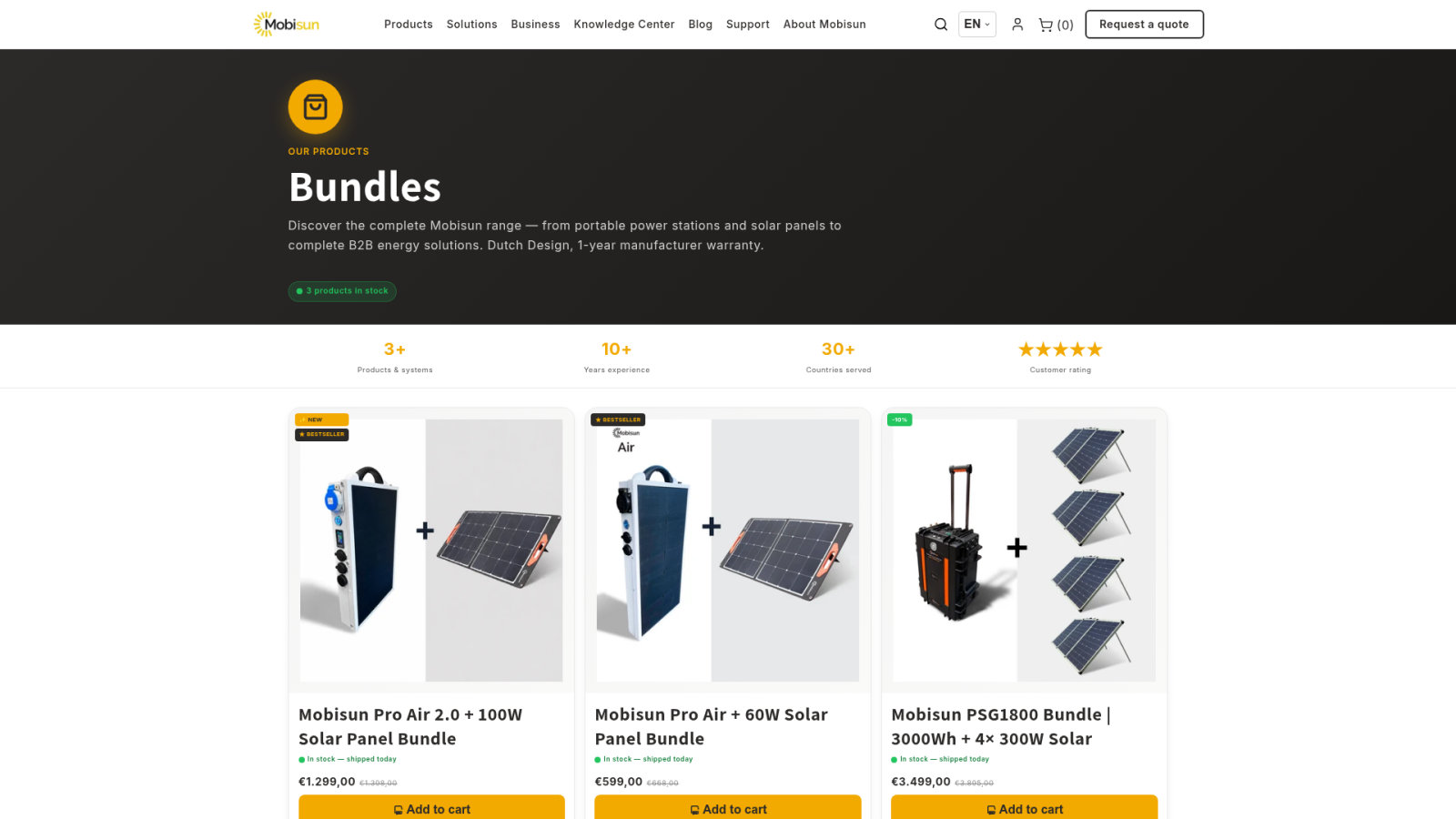
The Mobisun 100W Pro Air is incredibly thin. It fits in a backpack easily. This is for the minimalist prepper.
We use SunPower cells here. They offer 23% efficiency despite the small footprint. It charges laptops directly via USB-C PD.
The lack of a heavy frame is a relief. It uses ETFE coating for weather resistance. This keeps the weight under 4 pounds.
- Weight: 3.6 kg (under 4 lbs)
- Power: 100W output
- Efficiency: 23-24% SunPower cells
The versatility for hikers is unmatched. You can hang it on a tent or backpack. It harvests energy while you move. Perfect for maintaining communication during long-term outages.
We recommend checking How to calculate solar panel wattage for camping. It helps plan your energy needs.
How Much Energy Does Your Home Actually Need?
Choosing a brand is easy, but sizing the system to your actual home drain requires a bit of math.
Calculating Your Actual Household Energy Drain
Start with an energy audit. List every device you need. Find the sticker on the back showing watts.
Explain surge wattage. Refrigerators need 3x their running power to start the compressor. Don’t let your inverter trip.
Calculate total Watt-hours (Wh). Multiply watts by hours of use. A 60W bulb for 5 hours is 300Wh. Always add a 20% safety margin for conversion losses.
- Phone: 10Wh
- Laptop: 60Wh
- LED Light: 10Wh
- Fridge: 1500Wh/day
Decoding Open Circuit Voltage (VOC) Compatibility
VOC is the voltage when not connected. It is the most dangerous number. Exceeding the station’s limit will fry the electronics.
Exceeding VOC limits can fry electronics. Always stay 10% below the station’s maximum input voltage to account for temperature fluctuations.
Check the input range of your battery. Most small units handle 12-28V. Large ones go up to 150V. Always stay 10% below the max.
Explain series vs parallel wiring. Series adds voltage. Parallel adds current. Choose the right configuration for your specific controller.
Reliable portable solar panel kits for home power outages often require specific setups. Learn more about Solar panel kits for detached garages for similar DIY applications.
4 Steps to Maintain Your Solar Kit for Years
Once you have the right size and voltage, keeping that gear operational for a decade requires proactive care.
- Seasonal tilt adjustment.
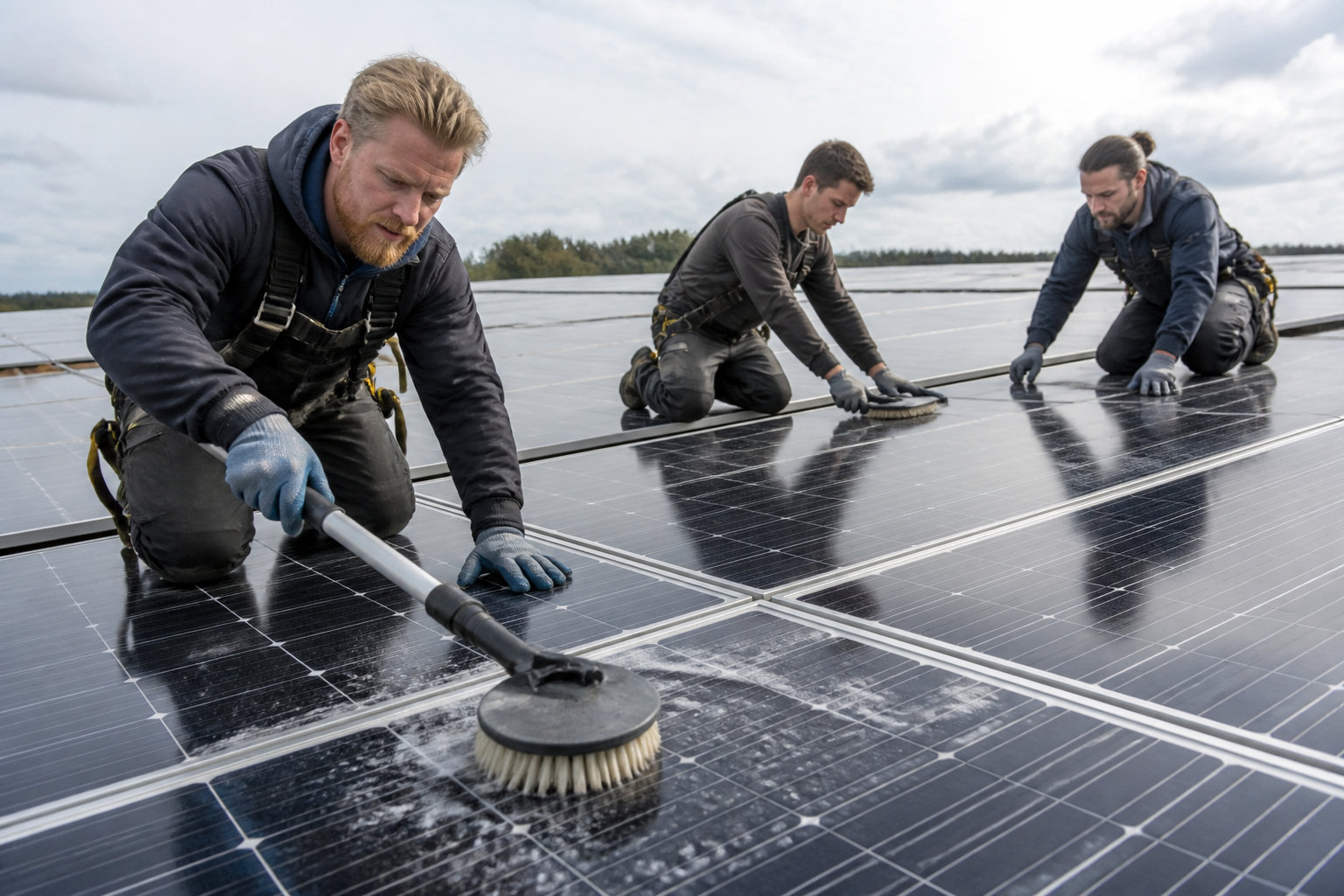
- Surface cleaning (dust/pollen).
- Battery storage at 50-60%.
- Semi-annual connection checks for corrosion.
Seasonal Panel Positioning for Maximum Sun Harvest
Adjust your tilt angle twice a year. In winter, the sun is lower. Tilt the panels more vertically to face it directly.
Avoid partial shading at all costs. A single leaf can drop output by 50%. Keep the surface clean from dust and pollen.
Use a compass or app to find True South. Magnetic south is often off by several degrees. Precision leads to faster charging.
We believe efficiency starts with smart placement. Learn How to optimize mobile solar energy in extreme climates to protect your investment.
Long-Term Storage and IP-Rated Durability
Never store a battery at 0% or 100%. Aim for the 50-60% range. This prevents chemical stress in the lithium cells.
Understand your IP rating. IP67 means waterproof for 30 minutes. IP65 only handles light rain. Don’t leave electronics in a flood.
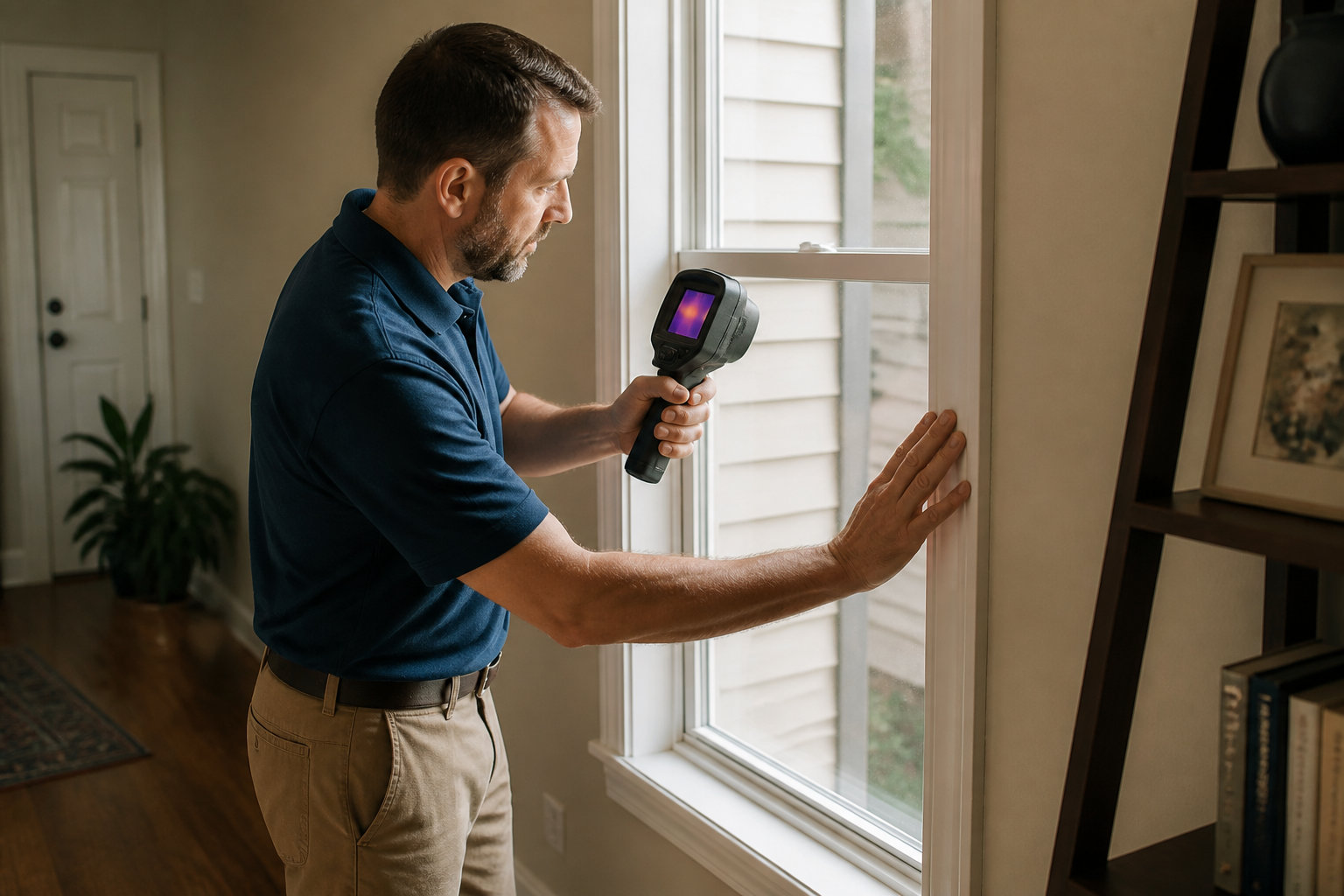
Check connections for corrosion every six months. Clean them with a dry cloth. Store the kit in a cool, dry place.
“A well-maintained LFP battery can retain 80% of its original capacity even after 3,000 charge cycles, making it a true lifetime investment.”
| Rating | Protection Level |
|---|---|
| IP65 | Dust-tight and resistant to low-pressure water jets. |
| IP67 | Dust-tight and survives temporary immersion up to 1m. |
Secure your home’s energy independence by choosing high-capacity LFP batteries and high-efficiency panels. Invest in a reliable portable solar panel kit for power outage protection to ensure your fridge and medical devices stay powered. Don’t wait for the next blackout; gain lasting peace of mind today.
FAQ
How long will a Jackery 2000 Plus battery actually last during repeated power outages?
Reliability is the cornerstone of emergency preparedness, and the Jackery 2000 Plus delivers exactly that. Equipped with advanced LiFePO4 (Lithium Iron Phosphate) battery chemistry, this unit is built for the long haul, offering a lifespan of up to 10 years with approximately 4,000 life cycles. Even with daily use, you can count on this system to remain a steadfast part of your home safety net.
Beyond simple longevity, this 2042Wh capacity powerhouse is designed for stability and safety, even in high-temperature environments. It provides a consistent energy source that retains significant capacity over thousands of charges, ensuring you aren’t left in the dark when you need power most.
How fast can the EcoFlow Delta 2 Max recharge when the grid goes down?
Speed is your best friend during a crisis, and the EcoFlow Delta 2 Max leads the pack with its proprietary X-Stream technology. This system allows you to hit an 80% charge in just about 60 to 80 minutes via a standard AC wall outlet. When you are relying on the sun, the dual solar input supports up to 1000W, allowing for a full recharge in roughly 2.3 hours under optimal conditions.
We know that managing multiple appliances is vital; that is why the Delta 2 Max offers a robust 2400W AC output. With the X-Boost feature, it can even handle surges for devices up to 3100W, effectively powering 99% of common household appliances. It is the ultimate solution for those who cannot afford to wait for their power to return.
Can a Bluetti AC200MAX handle heavy-duty appliances like refrigerators or AC units?
Absolutely. The Bluetti AC200MAX is engineered to manage the demanding starting surge of heavy-duty equipment. While it maintains a sustained 2,200W output, it can handle peak surges of up to 4,800W. This makes it a perfect candidate for running full-sized refrigerators or even small air conditioning units that require a massive initial burst of energy to start their compressors.
To keep this heavy-hitter charged, we recommend pairing it with the PV350 solar panels. These 350W foldable units are designed for high-efficiency energy harvest, ensuring that your high-capacity station stays topped off even when you are completely off-grid. It is raw power meets rugged portability.
What are the primary benefits of using portable solar kits compared to permanent home installations?
The most immediate advantage is autonomy and simplicity. Portable kits are “plug and play,” meaning you can deploy them in minutes without professional electrical work or government permits. They offer a versatile, mobile solution that can move from your living room to a campsite, providing a level of flexibility that fixed rooftop panels simply cannot match.
While permanent systems offer higher total output, portable kits like the Mobisun 100W Pro Air provide an affordable entry point into energy independence. They are eco-friendly, require minimal maintenance, usually just keeping the panels clean, and serve as a vital, cost-effective safety net for charging essential electronics and small appliances during unexpected blackouts.
How do I maintain my portable solar panel kit to ensure it lasts for years?
Maintaining your investment is surprisingly simple but requires consistency. First, always store your lithium batteries at a 50-60% charge level rather than leaving them at 0% or 100% for long periods; this significantly reduces chemical stress. Secondly, ensure your panels are kept free of dust, leaves, and pollen, as even partial shading can drastically reduce your energy harvest.
Finally, pay attention to the environment. While many kits feature IP65 or IP67 weather resistance, you should always protect the battery station itself from extreme moisture or flooding. Every six months, give your connections a quick check for corrosion and wipe them with a dry cloth to ensure your path to power remains clear and efficient.