Running a standard 12,000 BTU unit typically requires 1.2kW of power every hour, which aligns perfectly with peak afternoon sun. While it is entirely possible to cool your home for free, many homeowners struggle with system trips caused by the massive initial power surge of the compressor.
We will explore how to size your array and use specific hardware to ensure can solar panels run an air conditioner reliably even during the most intense heatwaves.
- Can Solar Panels Run An Air Conditioner During Heatwaves?
- Smart Hardware Choices For Stable Solar Cooling
- Performance Reality Checks During High-Demand Periods
- Practical Steps To Minimize Solar Energy Demand
Can Solar Panels Run An Air Conditioner During Heatwaves?
Running a 12,000 BTU AC requires roughly 1,200 to 1,500 watts, demanding three to five 400W panels depending on sunlight. Success hinges on managing the initial compressor surge through soft-start kits and calculating specific tonnage needs.
A standard 12,000 BTU unit pulls 1.2kW hourly. You typically need 3 to 5 400W panels to sustain this. Beware: Locked Rotor Amps (LRA) surge can trip standard inverters instantly.
Calculating Panels Based On AC Tonnage
A standard 12,000 BTU unit pulls about 1.2kW every hour. You cannot guess here. Precise measurements ensure your system actually cools your home during peak heat.
Usually, four 400W panels suffice for moderate daily use. We must account for 2026 regional sunlight shifts. Climate changes are making these calculations more volatile than before.
Local weather matters. Heatwaves often reduce actual photovoltaic output significantly. Plan for efficiency drops.
Handling The Initial Power Spike Of Compressors
Locked Rotor Amps (LRA) are a real headache. Compressors demand massive current during the first second. This surge can trip standard inverters instantly. You must account for this peak load during design.
Use soft-start kits to mitigate these high amperage draws. These devices smooth out the initial electricity demand effectively. It is a smart move.
Balance the surge capacity with the array output. Ensure your solar panel kit handles the peak.
Choosing Between AC And DC Powered Units
Direct DC solar air conditioners are incredibly efficient. These units avoid conversion losses entirely. They are ideal for dedicated off-grid cooling setups in remote areas.
Standard AC inverter conversions lose energy. You typically lose 10% to 15% through heat. Standard homes often prefer this for easier internal wiring integration.
But, choosing between flexible vs rigid solar panels impacts your total energy harvest. Pick wisely.
Smart Hardware Choices For Stable Solar Cooling
While panel count matters, the hardware managing that power determines if your AC actually stays running when the sun dips.
Selecting Inverters To Handle Peak Startup Loads
Size pure sine wave inverters for continuous running wattage. Avoid modified sine waves at all costs. Your AC motor requires clean power to function without overheating or failing early.
Match inverter peak ratings with compressor demands. A 2000W unit might need a 4000W surge capacity. Check compatibility with high-efficiency variable speed motors to ensure a stable cooling experience.
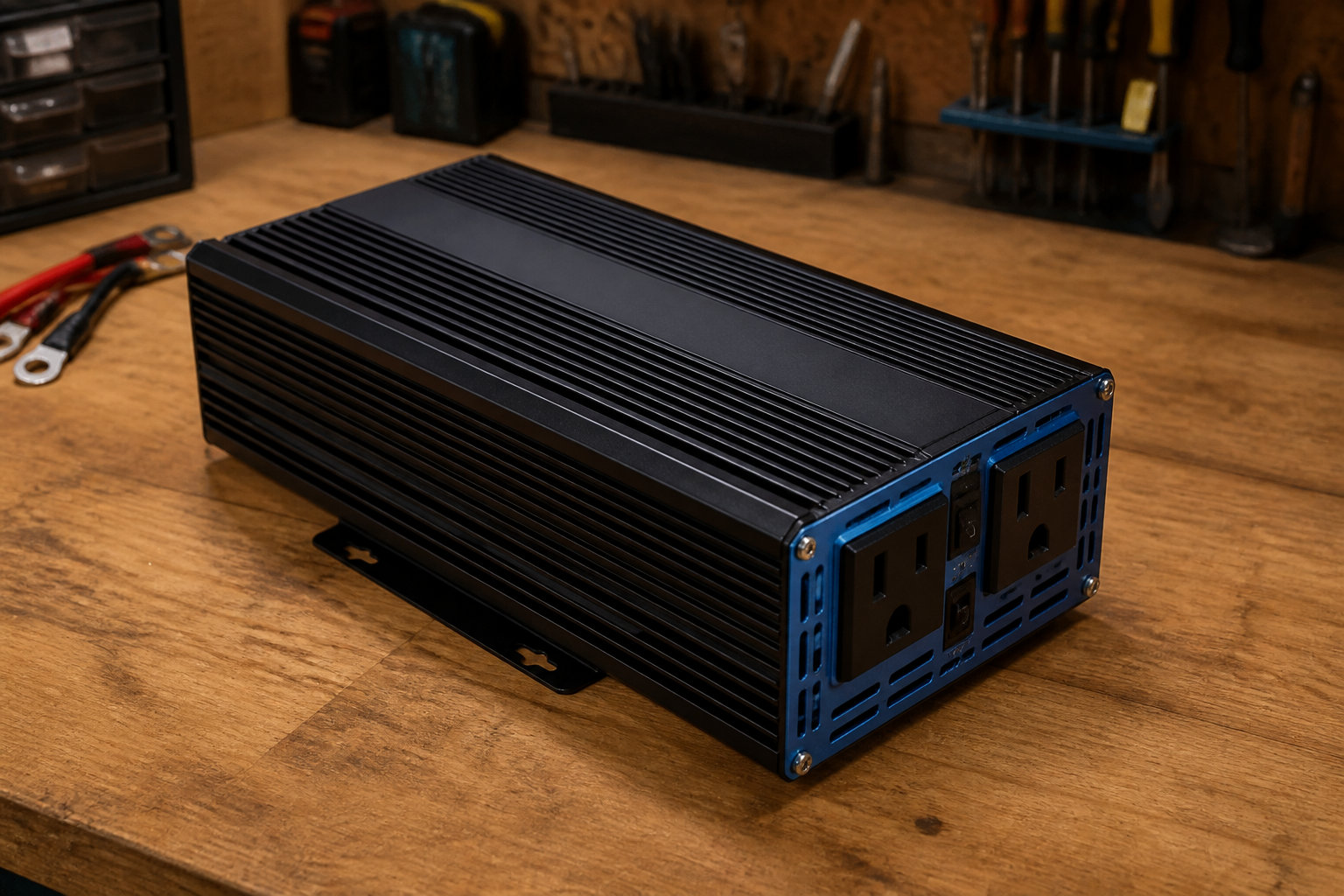
Selecting the right components is vital. You can find high-performance options in this plug and play solar kit comparison to simplify your setup.
Why Battery Storage Is Vital For Night Use
Maintain cooling during cloud cover or evening hours with a robust battery bank. Without storage, your AC stops the moment a cloud passes. Lithium-ion batteries are superior for high-discharge cycles. They last longer and offer better depth of discharge.
Calculate amp-hour requirements for overnight operation. A 10kWh bank is often the minimum for sleeping comfortably in heat. Can solar panels run an air conditioner during a heatwave? Yes, but only with enough storage to bridge the gaps.
| Battery Type | Lifespan | Discharge Depth | Best Use |
|---|---|---|---|
| Lithium-ion | 10+ Years | 80-95% | High-discharge AC cycles |
| Lead-acid | 3-5 Years | 50% | Low-budget backup |
Performance Reality Checks During High-Demand Periods
Even the best hardware faces physics; extreme heat actually makes solar panels less efficient just when you need them most.
Why Panel Performance Drops In High Heat
Solar cells rely on a temperature coefficient. Efficiency drops as silicon heats up. Most panels lose about 0.3% efficiency for every degree above 25°C.
Yield loss intensifies when ambient air exceeds 35°C. Roofs reach 70°C easily. This significantly reduces the energy harvest during the hottest hours.
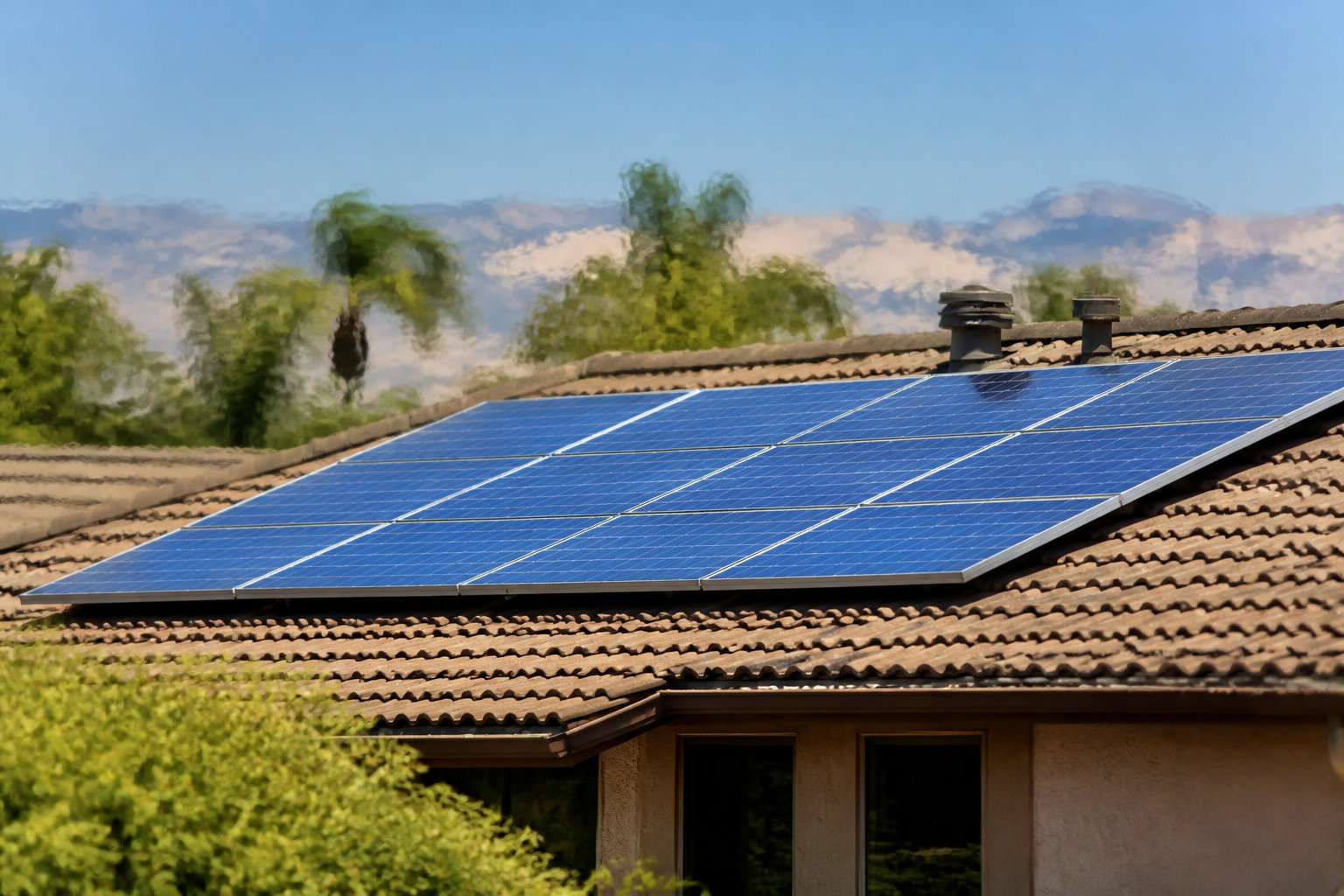
Air gaps are vital. Spacing prevents heat traps.
“For every 10-degree rise in temperature, solar panel efficiency can drop by up to 5%, making ventilation a critical factor for summer cooling.”
Grid Failure Scenarios During Extreme Weather Events
Standalone systems provide a safety net. You remain cool while the neighborhood suffers through grid collapses. Off-grid autonomy ensures your AC stays alive.
Hybrid AC units prioritize solar first. They only pull from the grid when sun fades. This smart toggling protects your comfort and wallet.
- Rapid shutdown switches, proper grounding, surge protectors, and regular wire inspections
Can solar panels run an air conditioner during a heatwave? Yes, but maintenance ensures it survives peak demand.
Practical Steps To Minimize Solar Energy Demand
Reducing the load is often cheaper than buying more panels; here is how to make your home naturally cooler.
Insulation Strategies To Reduce Cooling Loads
Lower the required solar array size through thermal sealing. Stop the leaks first. A well-insulated room keeps cold air inside longer, reducing the compressor’s total duty cycle.
Reflective window films can reduce load by 30%; set your thermostat to 24°C and prioritize thermal sealing to protect your battery bank.
Use reflective window films to block solar heat gain. This simple fix reduces the load by 30%. Set your thermostat to 24 degrees for the best balance of comfort.
Smart homeowners measure sun exposure to plan shading. These adjustments prevent your AC from fighting a losing battle against the sun.
Current Rebates For Solar-Ready HVAC Systems
Identify 2026 federal incentives for energy-efficient cooling. Tax credits cover a large portion of the installation. Always check for updated energy efficiency rebates before purchasing hardware.
Locate local utility credits for solar-integrated heat pumps. Some states offer instant cash back. These programs make upgrading to a high-efficiency system much more affordable for homeowners.
Most systems pay for themselves within seven years. Can solar panels run an air conditioner during a heatwave? Yes, especially when financial aid offsets the initial cost.
“Investing in solar-ready HVAC systems can reduce long-term energy costs by 40% when paired with federal tax incentives.”
Achieving total autonomy during heatwaves is possible by pairing high-efficiency units with the correct number of 400W panels and soft-start kits to handle surges. Secure your comfort now by integrating lithium storage and smart insulation to slash energy demand. You can definitely can solar panels run an air conditioner to stay cool while others sweat through grid failures.
FAQ
Is it actually possible to run my AC using solar power during a heatwave?
Yes, you absolutely can! Solar panels are incredibly effective at powering air conditioners, especially since peak cooling demand perfectly aligns with maximum sun exposure. By capturing intense summer rays, you can maintain a refreshing indoor climate even when the outside temperature skyrockets.
Success depends on a well-sized system. For instance, a standard 12,000 BTU unit typically requires about four 400W panels to run efficiently. While extreme heat can slightly lower panel efficiency, a robust setup ensures your home stays cool and comfortable without relying on the struggling power grid.
How many solar panels do I need to power a standard air conditioner?
The number of panels depends on your AC’s tonnage and daily usage. To calculate this, convert your unit’s BTU rating to watts (divide by 3.41). A 9,000 BTU unit equals roughly 2,600 watts, while a 12,000 BTU unit draws about 1.2kW hourly. For moderate daily use, 4 to 8 high-efficiency panels (375W-400W) are generally sufficient.
If you are running a larger central cooling system, you may need between 24 and 32 panels to handle the load. Always factor in your local sunlight hours; you might need 25% more panels in northern regions compared to sun-drenched southern states to achieve the same energy independence.
Can my solar system handle the sudden power surge when the AC starts?
Starting a compressor requires a massive burst of energy, often 6 to 8 times higher than the running current. This “Locked Rotor Amps” (LRA) surge can trip standard inverters if they aren’t sized correctly. To solve this, we highly recommend installing a soft-start kit, which can reduce the initial power demand by up to 70%.
These kits smooth out the electricity draw, protecting your solar panel kit from overload and extending the lifespan of your compressor. By mitigating this peak load, you ensure a stable and quiet startup every time the thermostat kicks in.
Should I choose a DC-powered solar AC or a standard AC unit?
If you want maximum efficiency, direct DC solar air conditioners are the winner. They pull power directly from your panels, eliminating the 10% to 15% energy loss caused by converting DC to AC power. This makes them the gold standard for off-grid living and dedicated cooling setups.
Standard AC units are often easier to integrate into existing internal wiring but require a high-quality pure sine wave inverter to function. While both work, hybrid AC/DC units offer the best of both worlds by prioritizing solar power during the day and seamlessly switching to the grid or batteries at night.
How do I keep my air conditioner running after the sun goes down?
To enjoy a cool breeze all night long, a robust battery bank is essential. Without storage, your AC will stop the moment the sun sets or a heavy cloud passes. Lithium-ion (LiFePO4) batteries are the superior choice here, offering deeper discharge cycles and a much longer lifespan than traditional lead-acid options.
For a comfortable night’s sleep during a heatwave, a 10kWh battery bank is often the recommended minimum. This storage acts as your personal energy reservoir, ensuring your solar-ready HVAC system remains active 24/7, regardless of the sun’s position.
Will extreme summer heat make my solar panels less efficient?
It is a common irony: as temperatures rise, solar panel efficiency actually decreases slightly. Most panels lose about 0.3% efficiency for every degree above 25°C (77°F). During a heatwave, roof temperatures can soar to 70°C, leading to a noticeable drop in the total energy harvest.
To combat this, ensure proper ventilation for roof-mounted arrays. Maintaining an air gap between the panels and the roof helps dissipate heat. Even with this slight drop, the abundant sunlight during summer usually more than compensates for the loss in efficiency.