Are you looking for the most reliable way to store your solar energy without worrying about safety or frequent replacements? While standard options exist, choosing between lifepo4 vs lithium ion for solar storage often comes down to finding that perfect balance between long-term peace of mind and daily performance.
We want to help you navigate these technical choices so you can achieve total energy independence. Discover how the right battery chemistry simplifies your setup and protects your home for years to come without compromise.
- LiFePO4 vs Lithium Ion for Solar Storage: Discover Your Path to Safety
- 3 Benefits of LFP that Simplify Your Energy Freedom
- Is the Higher Upfront Cost of LiFePO4 Always Justified?
- Achieve Total Energy Independence Without Technical Compromise
LiFePO4 vs Lithium Ion for Solar Storage: Discover Your Path to Safety
LiFePO4 (LFP) batteries offer 3,000, 6,000 cycles and superior thermal stability compared to NMC cells, which risk thermal runaway. While LFP has lower energy density, its iron-phosphate chemistry eliminates fire hazards in residential solar setups.
The safety profile of these batteries is rooted in their chemical structure, specifically how they handle heat and internal stress.
Why Thermal Stability and Safety Come First
LFP and NMC bonds differ significantly. Phosphorus-oxygen bonds in LFP are much stronger than standard metal-oxide bonds. This provides a sturdy foundation for home storage.
Thermal runaway is a serious concern. NMC cells can release oxygen during short circuits, fueling intense fires. LFP resists combustion because it does not liberate oxygen easily.
LiFePO4 chemistry is effectively fire-proof because the oxygen atoms are tightly bonded to the phosphorus, preventing the exothermic release that triggers thermal runaway in NMC.
Look for UL 1973 and 9540 standards. These regulations ensure your storage unit won’t become a blowtorch. Safety is truly a non-negotiable metric for any indoor installation.
A chain reaction where internal heat causes oxygen release in NMC batteries, potentially leading to fire. Contrast this with LFP’s stable P-O bonds.
Balancing Energy Density and Fire Risk Mitigation
LFP is naturally heavier for the same capacity. However, for a fixed home installation, weight rarely matters. Peace of mind and safety are the real priorities here.
Stationary storage favors durability. When deciding on Lifepo4 vs lithium ion for solar storage: which is better?, remember that LFP lasts thousands of cycles more. You can learn more about comparing battery chemistries to see why lithium wins.
Ethical sourcing is a major win for LFP. It avoids cobalt and nickel entirely. This reduces the environmental footprint and bypasses humanitarian issues linked to cobalt mining.
3 Benefits of LFP that Simplify Your Energy Freedom
Beyond basic safety, the real-world utility of LFP shines through when you look at how these batteries actually perform over years of daily cycling.
Maximizing Longevity Through Cycle Life and DoD
Do you worry about your investment fading? While NMC batteries last 500 to 1,000 cycles, LFP easily hits 4,000. That is a massive difference in lifespan.
Mastering battery cycles unlocks long-term savings. LFP handles 100% discharge without damage, letting you use every drop of energy without compromise.
High discharge rates often kill batteries. LFP stays healthy even when powering heavy pumps or air conditioners. You get consistent power without degradation stress.
- LFP: 3,000-6,000 cycles, NMC: 500-1,000 cycles
- LFP DoD: 100%, NMC DoD: 80%
Resilience in Unconditioned and Outdoor Environments
Temperature tolerance is key. LFP handles heat better than NMC. But both struggle in freezing cold without insulation or heating elements.
The smart BMS acts as the brain. It stops charging if cells get too cold, protecting your emergency backup power from permanent lithium plating failure.
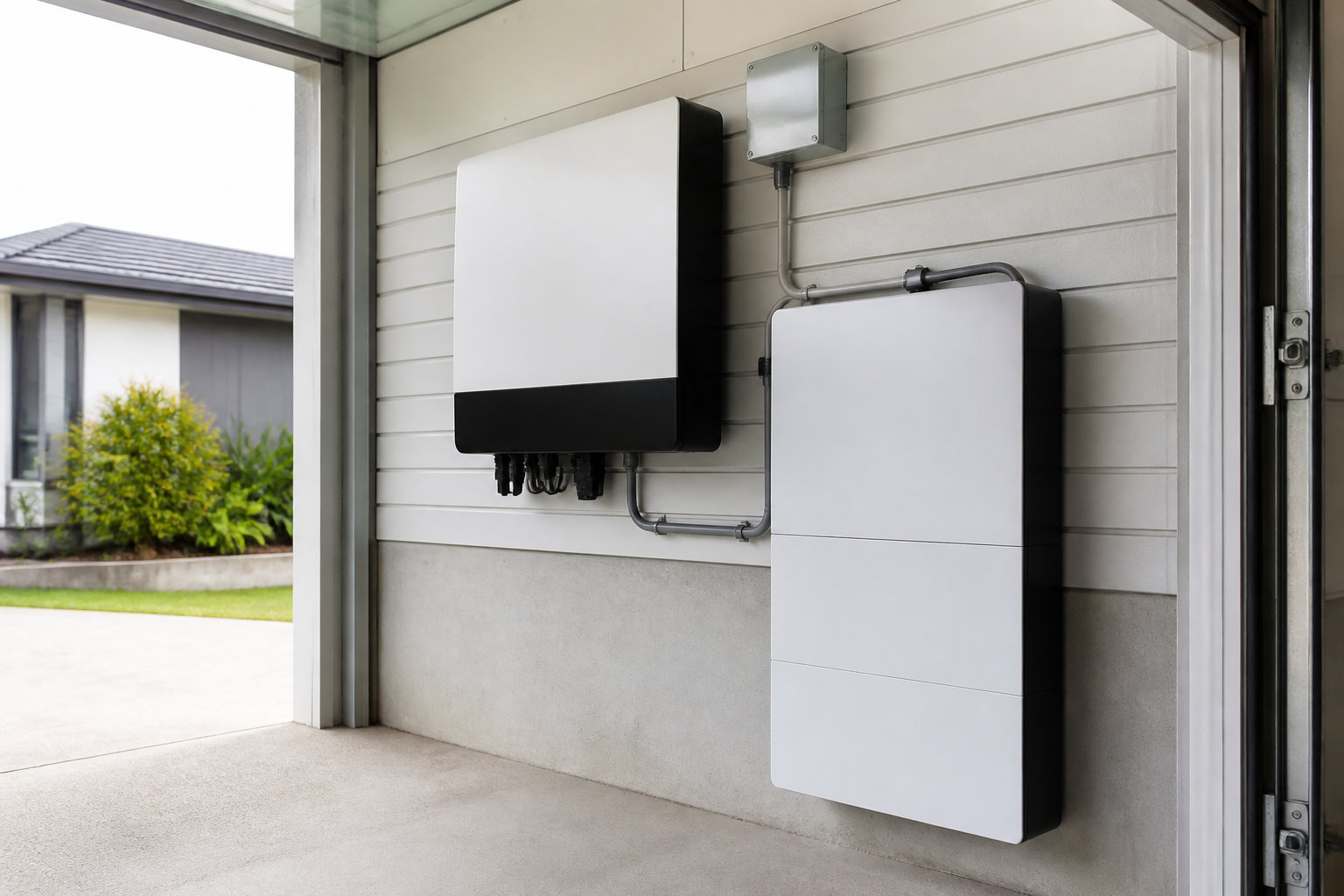
Garages work well if they stay above freezing. For extreme climates, choose batteries with built-in heaters to ensure total reliability and peace of mind.
Charging LiFePO4 below 0°C (32°F) causes permanent damage. Ensure your BMS or battery heater is active in cold climates.
Is the Higher Upfront Cost of LiFePO4 Always Justified?
It’s easy to get sticker shock when comparing prices, but the initial price tag is a poor metric for long-term energy planning.
Calculating the Real ROI Over 15 Years
Total Cost of Ownership (TCO) reveals the truth. Divide the purchase price by the total kilowatt-hours delivered. LFP usually wins this math battle every single time.
| Metric | LiFePO4 (LFP) | Lithium-Ion (NMC) |
|---|---|---|
| Upfront Cost | High | Medium |
| Lifespan (Years) | 10-15 Years | 5-7 Years |
| Cost per Cycle | Low | High |
| Safety Level | High | Medium |
| Environmental Impact | Low | Medium |
Replacement costs are hidden killers. Buying two NMC batteries over 15 years costs more than one LFP. Labor and shipping for replacements add up fast.
Decoding Warranty Terms Without the Confusion
Read the fine print. Manufacturers often limit warranties by throughput or cycles. A 10-year warranty might end early if you cycle the battery twice daily.
Watch for “end-of-warranty capacity” guarantees. Choosing the right solar panel battery in 2026 means ensuring your storage lasts as promised without compromise.
Maintenance is minimal but vital. Keep the firmware updated. Ensure adequate ventilation to prevent the BMS from throttling performance during summer peaks for total peace of mind.
Achieve Total Energy Independence Without Technical Compromise
Once you’ve settled on the chemistry, the final step is ensuring your hardware speaks the same language as your new cells.
Matching Inverter Compatibility with Discharge Curves
LFP has a flat discharge curve. The voltage stays consistent until the battery is nearly empty. This makes it hard for cheap inverters to guess the remaining charge.

Never mix chemistries in one bank. Connecting LFP and NMC batteries will cause uneven charging. One will age prematurely while the other remains underutilized.
Choose a hybrid inverter with CAN bus communication. This allows the battery BMS to talk directly to the charger.
Mixing battery chemistries is a recipe for system failure; the differing voltage profiles will confuse your charge controller and lead to dangerous imbalances.
Handling Recycling and End-of-Life Disposal Simply
Recycling LFP is straightforward. Since they lack heavy metals like cobalt, the process is less toxic. However, the economic incentive to recycle iron is currently lower.
LFP batteries are cobalt-free, making them easier to recycle and safer for ‘second-life’ applications like low-demand garden shed power.
Second-life applications are growing. Old solar batteries can still serve as backup for less critical loads. Think about powering tools in a workshop or a small garden shed.
Always use certified recyclers. Don’t throw lithium batteries in the trash.
By choosing LFP, you embrace a fire-proof future with 6,000 cycles of reliable energy. Discover how lifepo4 vs lithium ion for solar storage comparisons favor your safety and long-term savings. Secure your home’s energy freedom today without technical compromise or hidden replacement costs.
FAQ
Is LiFePO4 really a safer option for my home solar system than standard lithium-ion?
Absolutely! When it comes to your family’s peace of mind, LiFePO4 (LFP) stands in a league of its own. Unlike standard lithium-ion chemistries like NMC, which can release oxygen and fuel a fire during a malfunction, LFP uses incredibly strong phosphorus-oxygen bonds. This means the battery is inherently resistant to thermal runaway, providing you with a fire-proof energy solution that stays cool even under pressure.
While NMC batteries can reach critical temperatures as low as 150°C, LiFePO4 remains stable up to 270-300°C. Choosing LFP means you can enjoy the benefits of solar storage without the nagging worry of chemical instability, making it the gold standard for indoor residential installations.
How much longer will a LiFePO4 battery last compared to other lithium technologies?
Imagine a battery that keeps powering your life for over a decade without breaking a sweat. That is the reality of LiFePO4. While traditional NMC cells typically offer between 500 and 1,000 cycles, LFP batteries easily achieve 3,000 to 6,000 cycles. This massive gap in longevity means you won’t have to deal with the hassle and expense of replacements every few years.
Because LFP chemistry is so resilient, it maintains its health even with daily heavy use. You get to enjoy true energy freedom for 10 to 15 years, knowing your investment is working hard for you day in and day out without the rapid degradation seen in less stable chemistries.
Can I safely drain my LiFePO4 battery completely every day?
One of the most liberating features of LiFePO4 is its incredible Depth of Discharge (DoD). You can comfortably use 100% of your battery’s capacity without causing immediate damage or significant wear. In contrast, many other lithium-ion batteries recommend stopping at 80% to protect their lifespan, which effectively leaves a portion of your paid-for energy off-limits.
This flexibility allows you to maximize your solar harvest every single night. Whether you are running an air conditioner or essential medical equipment, LFP provides the reliable power you need without the stress of “babying” the battery to keep it from failing prematurely.
Does the higher initial price of LiFePO4 pay off in the long run?
It is completely natural to feel a bit of sticker shock at first, but the magic happens when you look at the Total Cost of Ownership. Because a single LiFePO4 battery lasts as long as three or four standard lithium batteries, the cost per kilowatt-hour delivered is actually much lower. You are essentially pre-paying for a decade of worry-free energy.
By investing in LFP now, you avoid the hidden “killers” of solar budgets: frequent replacement costs, shipping fees, and labor charges for new installations. It is the simplest path to a high ROI, giving you the best value for every dollar spent on your journey toward energy independence.
Are LiFePO4 batteries better for the environment and ethical sourcing?
Choosing LiFePO4 is a wonderful way to align your energy goals with your values. These batteries are cobalt-free and nickel-free, which removes the humanitarian and environmental concerns often associated with mining those specific metals. By opting for iron and phosphate, you are supporting a cleaner, more ethical supply chain.
Additionally, because they lack toxic heavy metals, the recycling process for LFP is much more straightforward and less hazardous. It’s a sustainable choice that lets you power your home with a clean conscience, knowing you’ve minimized your environmental footprint without compromising on performance.