Modern induction motors in professional saws can draw up to seven times their running wattage during startup. This massive inrush current often causes standard power systems to fail, leaving your project at a complete standstill. Finding the right solar panel kits for off-grid workshops is the only way to ensure your heavy-duty machinery actually runs when you pull the trigger.
We are going to break down how to size your inverter surge capacity and choose between 120V and 240V systems to protect your expensive equipment. Let’s get your shop powered up with the right gear.
- Sizing Solar Panel Kits for Off-Grid Workshops
- Compact 3kW to 5kW Kits for Light Duty
- How to Manage 10kW Systems for Professional Shops?
- 30kW Industrial Kits for Heavy Machinery
Sizing Solar Panel Kits for Off-Grid Workshops
Off-grid workshop kits require matching inverter surge capacity to motor startup loads, typically 3x running watts. LiFePO4 batteries provide 3,500+ cycles, while 240V split-phase systems are mandatory for heavy stationary machinery like table saws.
Mastering the Math of Tool Power Consumption
Running watts maintain operation, but startup spikes in induction motors demand massive initial current. Undersized inverters trip immediately under these loads.
Induction motors create surge watts significantly higher than running watts; undersized inverters will fail.
Calculate daily watt-hours by multiplying tool wattage by actual trigger time. Be realistic here. Most tools actually run for mere minutes daily.
Overestimating is safer than running dry. Always include a 20% safety margin for system efficiency losses and ambient heat.
Deciphering 120V Versus 240V Output Needs
Stationary machinery requires split-phase inverters. Running 240V gear on 120V through transformers is inefficient and causes motor overheating.
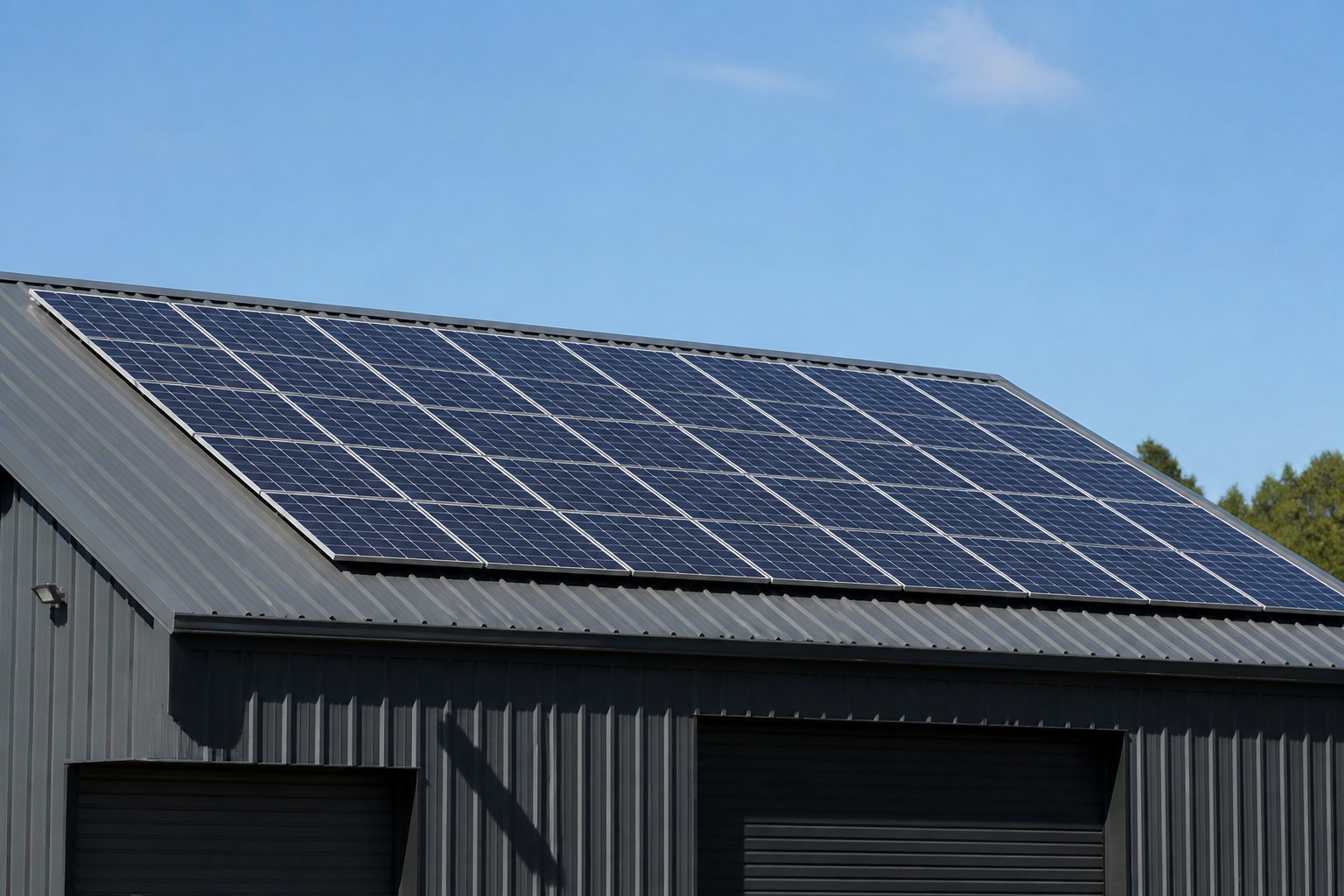
Heavy tools like large table saws and professional welders won’t function on standard 120V circuits. They need dedicated high voltage.
Choosing a 240V split-phase system is not just about power; it is about protecting your expensive machinery from voltage drops.
Compact 3kW to 5kW Kits for Light Duty
Small workshops don’t always need massive arrays, but they do need smart component selection to handle basic handheld tools without draining the bank.
Equipping Small Spaces with Basic Handheld Tools
Powering your tools with solar panel kits for off-grid workshops starts with identifying low-draw tools. A 3kW setup easily handles orbital sanders, LED shop lights, and drill chargers. These devices ensure your workspace remains productive without overwhelming the system.
- Orbital sanders (300W)
- LED Shop Lights (50W)
- Battery Chargers (100W)
- Small Fans (80W)
Portable mounting offers incredible flexibility for mobile workspaces. You might compare these to the best portable solar panels for camping regarding ease of use. This adaptability is perfect for hobbyists who move their gear frequently.
Maximizing Efficiency with Modular Component Setups
Choosing modular setups over all-in-one units provides a path for individual component upgrades. All-in-ones offer simplicity but lack growth potential. Modular systems allow you to swap specific parts as your power needs evolve.
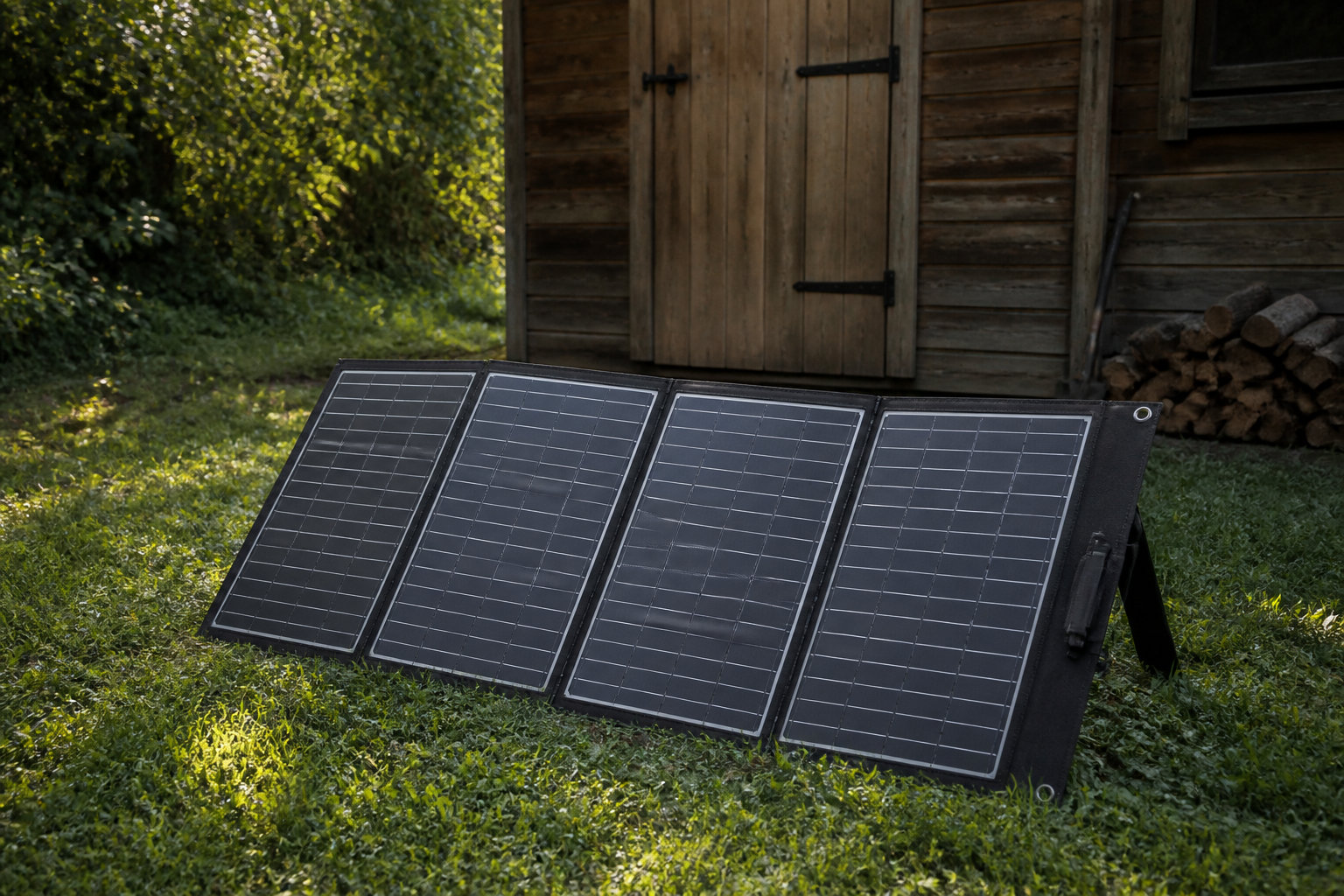
For weekend hobbyists, a small LiFePO4 bank is the superior choice. It handles deep discharges much better than traditional lead-acid batteries. Proper installation ensures your energy storage remains reliable during long projects.
Starting small doesn’t mean sacrificing quality. You can learn how plug-and-play solar panels work to understand the basics of setup simplicity. It is the most straightforward way to begin your off-grid journey today.
How to Manage 10kW Systems for Professional Shops?
Stepping up to a 10kW system moves you into professional reliability, where battery chemistry and panel placement become the difference between working and waiting.
Leveraging LiFePO4 Batteries for Workshop Longevity
Lithium Iron Phosphate lasts ten times longer than lead-acid. This makes LiFePO4 the only logical choice for daily off-grid professional use. It handles deep discharges effortlessly.
When comparing the two technologies for storage, lithium wins on efficiency. You get more usable power for heavy tools. It is a smarter long-term investment.
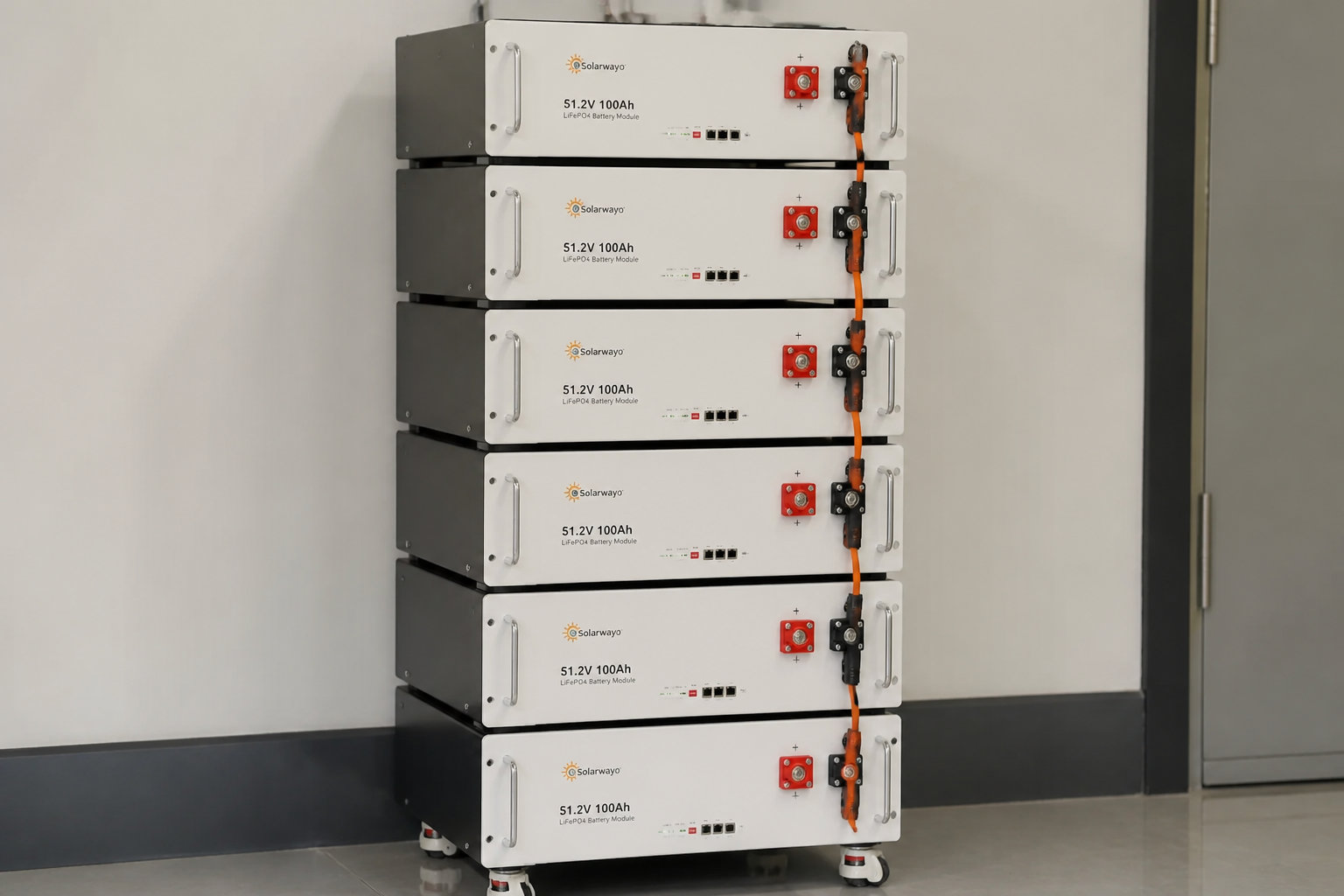
Monitor temperatures in remote sites. Lithium batteries need thermal protection to maintain their lifespan in extreme cold. Keep them within safe operating ranges to ensure durability.
Optimizing Solar Array Placement in Remote Sites
Analyze tilt angles and shading. Even partial shade can tank output. For high-draw shops, perfect orientation is mandatory. Adjusting tilts seasonally boosts winter harvest by 15%.
Use energy monitoring. Real-time tracking helps manage heavy machine operation. It prevents accidental battery depletion, keeping you in control of your workshop power reserves at all times.
| Season | Tilt | Gain |
|---|---|---|
| Summer | 15° | Max Sun |
| Winter | 60° | +15% |
| Fixed | 35° | Base |
Powering your tools with solar panel kits for off-grid workshops requires this precision. Proper placement ensures saws and compressors never run out of juice during critical deadlines.
30kW Industrial Kits for Heavy Machinery
When your livelihood depends on arc welders and massive compressors, you need the industrial muscle of a 30kW system to keep the lights from flickering.
Running Heavy-Draw Compressors and Welding Gear
Arc welders create massive inrush currents during startup. You need an inverter rated for high surge capacity to avoid instant shutdowns when striking an arc. Powering your tools with solar panel kits for off-grid workshops requires this specific overhead.
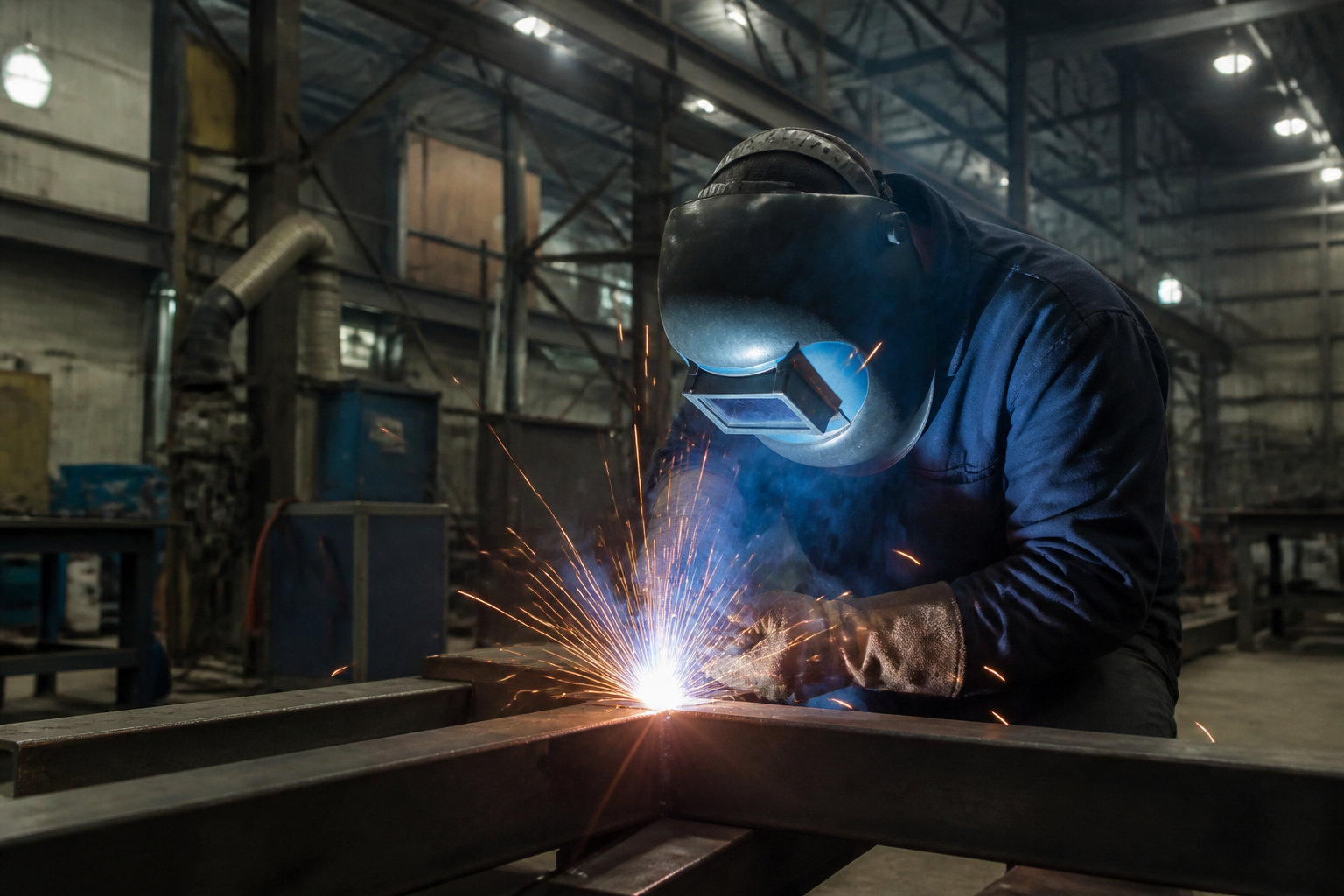
Large-scale infrastructure needs proper surge protection to handle high-voltage loads. Copper grounding rods are essential for safety in remote industrial setups. Never skip these grounding requirements to protect your expensive machinery from electrical faults.
In an industrial off-grid shop, your wiring is the bottleneck; undersized cables will waste power and heat up dangerously.
Securing Reliability with Backup Generator Integration
Diesel generators should kick in automatically during low-sun weeks. This ensures continuous production without manual intervention or downtime. Auto-start functions bridge the gap when batteries hit their depth-of-discharge limit.
High-voltage independent systems must meet local safety standards. Hiring a certified electrician for the final hookup is non-negotiable for 30kW industrial kits. Compliance prevents fires and ensures long-term operational insurance coverage.
A hybrid inverter simplifies generator integration by managing multiple inputs. Making the right choice for industrial storage is vital for balancing these heavy energy demands effectively.
Selecting the right solar panel kits for off-grid workshops ensures your induction motors and heavy machinery run flawlessly. By matching surge capacity, choosing LiFePO4 batteries, and opting for 240V split-phase systems, you secure long-term reliability. Upgrade your workspace today to achieve total energy independence and professional-grade power.
FAQ
How do I determine the right size solar kit for my off-grid workshop?
Sizing your system starts with a precise load analysis of your machinery. You must distinguish between running watts and startup spikes (surge watts), especially for induction motors found in saws and compressors, which can require 3x their normal power just to start. Don’t forget to add a 20% safety margin to account for system efficiency losses!
To get your daily needs, multiply the wattage of each tool by the actual hours it runs. For professional setups, a 10kW system is often the sweet spot, while heavy industrial shops running arc welders may require up to 30kW to ensure continuous production without tripping inverters.
What are the benefits of using a 240V split-phase inverter for woodworking?
A 240V split-phase inverter is a total game-changer for off-grid woodworkers because it provides both 120V and 240V output from a single unit. This allows you to run standard chargers and lights alongside heavy-duty stationary machinery like table saws and dust collectors. It is far more efficient than using transformers, which can cause motor overheating.
Beyond versatility, these inverters offer pure sine wave output, which is essential for protecting sensitive electronics in modern tools. By balancing loads across two phases, you achieve better electricity distribution and protect your expensive machinery from dangerous voltage drops.
Why should I choose LiFePO4 batteries over lead-acid for my shop?
When your livelihood depends on your tools, LiFePO4 (Lithium Iron Phosphate) is the only logical choice. These batteries last up to ten times longer than traditional lead-acid options, offering over 3,500 cycles. They handle deep discharges much better, meaning you get more usable energy out of every charge to keep your shop running longer.
Additionally, lithium batteries are much more efficient for daily professional use. While they require thermal protection in extreme cold, their longevity and reliability far outweigh the initial cost, making them the most cost-effective storage solution for a high-draw workshop environment.
Can a solar kit really power heavy gear like welders and compressors?
Yes, absolutely! However, you need an industrial-grade kit, typically around 30kW, to handle the massive inrush currents created by arc welders. These high-draw tools require an inverter with a massive surge capacity to avoid instant shutdowns during the strike of an arc.
For these heavy setups, we highly recommend integrating a hybrid inverter with a backup diesel generator. This ensures that even during weeks with low sun, your production never stops. Just remember: proper grounding and heavy-duty wiring are non-negotiable for safety when dealing with these high-voltage industrial loads.
How can I maximize my solar energy production in a remote site?
Placement is everything! Even a small amount of shade on one panel can significantly tank your entire string’s output. For high-draw shops, perfect orientation and seasonal tilt adjustments are mandatory; adjusting your panels can boost your winter energy harvest by up to 15%.
We also suggest using real-time energy monitoring systems. Tracking your consumption helps you manage when to run heavy machines, preventing accidental battery depletion. By matching your heaviest work hours to peak sunlight, you maximize efficiency and extend the life of your battery bank.