The surface area of solar collectors must equal at least 50% to 100% of your pool’s footprint to effectively extend your swimming season into 2026. Many homeowners struggle with skyrocketing energy bills or complex installations that fail to deliver consistent warmth when the clouds roll in.
We have selected the best solar panel kits for pool heaters to help you choose between high-performance thermal grids and versatile plug-and-play electric systems. We will break down the top models and sizing benchmarks to ensure your water stays perfectly heated all year round.
- Essential Benchmarks for Best Solar Panel Kits for Pool Heaters
- Sunology PLAY 2 for Effortless Plug-and-Play Setup
- SmartPool S601 for High-Performance Thermal Heating
- Sunethic F500 for Smart Energy Integration
- How to Install Your Solar Kit for Peak Heat?
- 3 Maintenance Steps for Long-Term Reliability
Essential Benchmarks for Best Solar Panel Kits for Pool Heaters
High-efficiency solar pool heaters require collectors sized at 50-100% of the pool’s surface area. Unglazed polypropylene panels like SmartPool S601 dominate for seasonal use, whereas glazed systems suit colder climates. Integration depends on matching panel square footage to regional sun exposure.
Sizing Your Collector to Match Pool Surface Area
Calculating needs starts with surface area, not volume. We recommend a collector area between 50% and 80% of that total square footage for optimal results.
Regional sunlight exposure dictates your final setup. You must adjust sizing based on local shade factors and climate to maintain steady water temperatures.
Always use solar covers. They retain heat and slash evaporation losses significantly.
Comparing Unglazed vs Glazed Solar Collectors
Unglazed panels thrive in summer heat by absorbing direct rays efficiently. Yet, glazed collectors capture heat far better when facing wind or cold temperatures.
Durability matters. Look for UV-stabilized polypropylene that resists chemicals, much like choosing Lithium vs lead acid for solar storage for longevity.
Unglazed systems provide the fastest payback for seasonal use. However, glazed options justify their higher price for year-round swimming comfort.
Sunology PLAY 2 for Effortless Plug-and-Play Setup
While sizing provides the foundation, modern hardware like the Sunology PLAY 2 simplifies the actual deployment for homeowners.
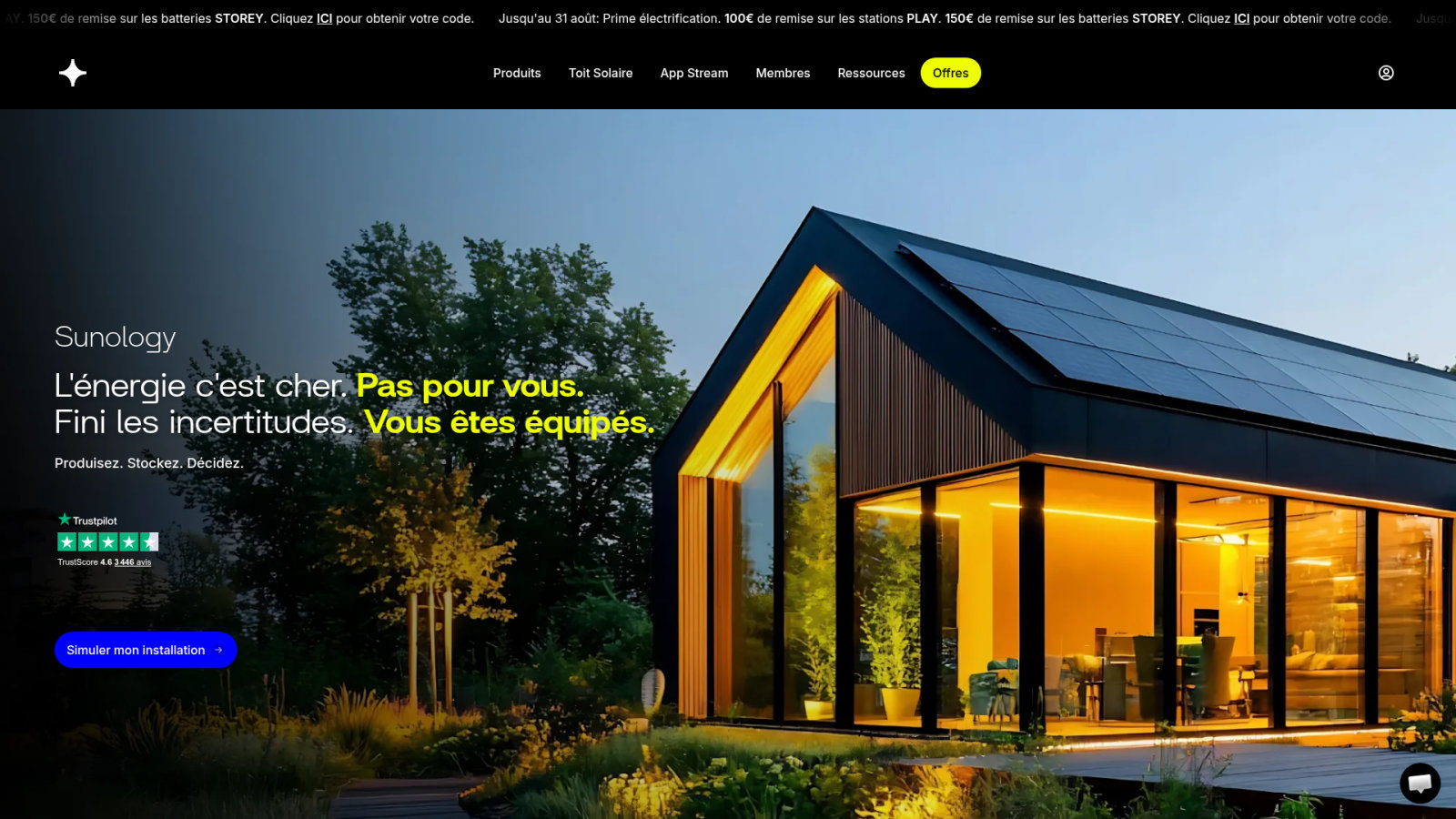
Forget complex plumbing or hiring expensive contractors. This unit arrives ready to work right out of the box. You simply connect it to a standard 230V outlet for instant energy.
The sleek frame is a perfect fit for tight outdoor areas. Its design features high-efficiency bifacial cells to capture sunlight from every angle. You get maximum power in a compact footprint.
This kit is incredibly versatile for pool pumps or reducing your home’s base load. The integrated microinverter safely manages the power conversion for you. You can learn how plug-and-play solar kits work to see why this setup is so effective. It is the ultimate shortcut to solar savings.
SmartPool S601 for High-Performance Thermal Heating
If your goal is raw thermal power rather than electricity, the SmartPool S601 represents the industry standard for direct water heating.
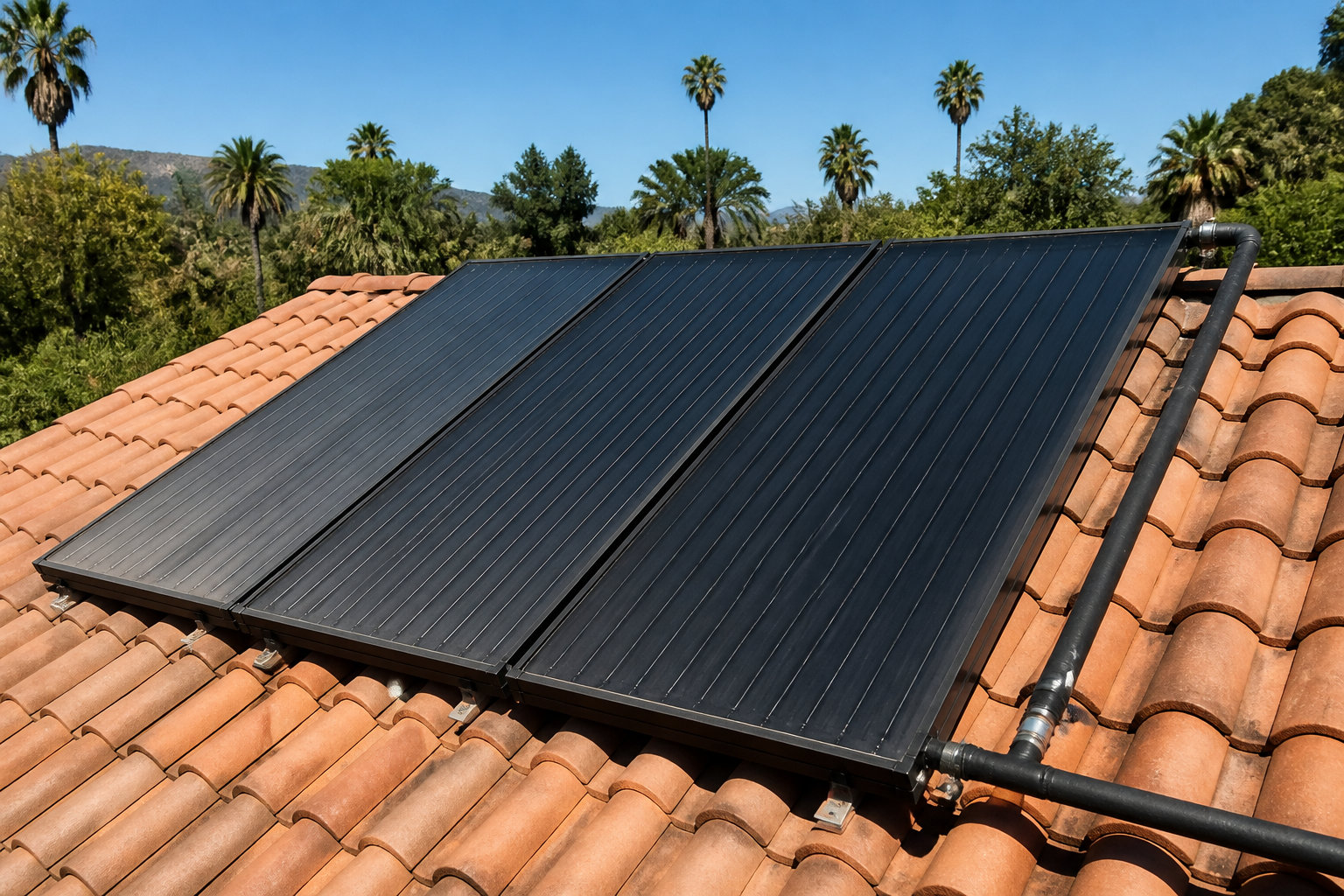
This system delivers impressive thermal efficiency. The web-on-tube design maximizes sun contact. Water flows directly through these panels to absorb heat rapidly.
Consider the installation footprint carefully. Each kit adds significant square footage. Yet, multiple units can be linked for larger Olympic-sized residential pools.
| Feature | SmartPool S601 | Sunology PLAY 2 | Sunethic F500 |
|---|---|---|---|
| Primary Use | Thermal | Electric | Electric |
| Installation | DIY Kit | Plug-and-Play | Plug-and-Play |
| Energy Type | Direct Heat | Power (460 Wc) | Power (500 Wc) |
| Best For | Pool Heat | Savings | Performance |
The best solar panel kits for pool heaters in 2026 must balance performance and cost. The S601 focuses purely on temperature gains, raising water heat by 10°F without electric bill spikes.
Sunethic F500 for Smart Energy Integration
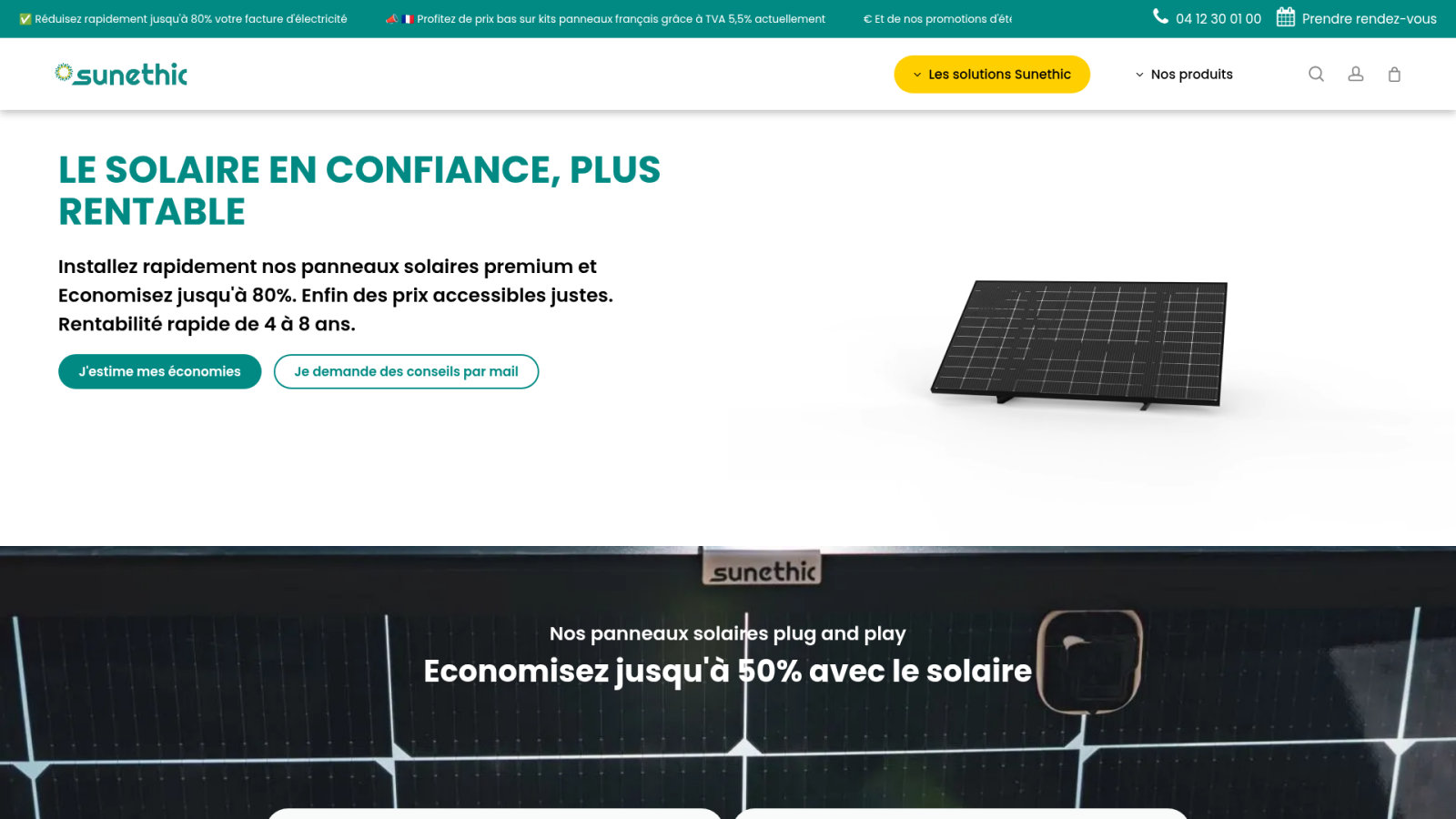
For those seeking data-driven control over their pool’s energy consumption, the Sunethic F500 offers advanced monitoring features.
This station delivers precise smart monitoring. You can track real-time production through a dedicated mobile app. This helps you balance pool pump schedules with peak solar hours effortlessly.
The build quality is truly impressive. Its carbon-neutral manufacturing process specifically appeals to eco-conscious buyers. The unit uses premium materials designed for rigorous, long-term outdoor exposure without degrading.
“The Sunethic F500 allows homeowners to offset their pool pump’s high electricity demand by generating clean power right next to the water.”
This 500Wc kit is incredibly efficient. It utilizes TOPCon half-cell technology for high yields. You get a robust, French-made solution that simplifies your energy transition while protecting your budget from rising electricity costs.
How to Install Your Solar Kit for Peak Heat?
Choosing the right hardware is only half the battle; proper placement and plumbing integration determine the actual temperature rise.
Deciding Between Roof-Mounted and Ground-Mounted Setups
Assess roof integrity carefully. Strap-free mounting systems protect shingles from damage effectively. Roofs offer better sun exposure but require more complex plumbing runs.
Compare ground-level setups now. These are easier to maintain and clean. Yet, they occupy valuable yard space and might face more shading issues.
Angle the panels toward the south for maximum daily solar gain. This simple adjustment ensures peak performance.
Determine the tilt. Angle the panels toward the south for maximum daily solar gain.
Integrating Automatic Controllers and 3-Way Valves
Explain automated bypass systems. A 3-way valve redirects water only when the sun is hot. This prevents cooling the pool on cloudy days.
Detail sensor installation. Place one sensor at the panels and another in the pipe. The controller compares temperatures to activate the flow.
Outline pump interlocking. The solar system must run only when the main pump is active. This prevents air locks.
3 Maintenance Steps for Long-Term Reliability
Once installed, a few simple maintenance routines will protect your investment from the elements and mechanical wear. We see too many owners ignore these basics, only to face avoidable repairs later.
Managing Flow Rates to Reduce Pool Pump Stress
Monitor head pressure. Excessive resistance can damage the internal pump seals. Keep an eye on the pressure gauge.
Adjust flow rates. Optimize thermal transfer by finding the sweet spot. Avoid overloading the PVC pipes with high velocity.
Troubleshoot air pockets. Bubbles in the pool often mean a leak in the collector grid. Check all connections regularly.
Gravity Drainage Systems for Reliable Freeze Protection
Implement vacuum relief valves. These allow air to enter the panels when the pump stops. This enables automatic drainage to prevent freezing.
Verify pipe slopes. Ensure all lines tilt toward the pool for effective winterization.
- Remove debris from panels
- Tighten mounting hardware
- Inspect for UV degradation
- Flush the system annually
Switching to the best solar panel kits for pool heaters ensures a warm swim while slashing energy bills. By sizing collectors to 50-80% of your pool’s surface and choosing between thermal efficiency or plug-and-play power, you secure long-term comfort. Upgrade your setup today for a greener, warmer future.
FAQ
How should I size a solar collector for my pool?
To achieve optimal warmth, we recommend a collector surface area that covers 50% to 100% of your pool’s surface. For instance, a 600-square-foot pool typically requires 300 to 480 square feet of panels. This ensures you capture enough energy to maintain comfortable temperatures even during cooler spells.
You must also account for regional sunlight and wind exposure. In cloudier climates, increasing your collector size by 10% to 20% helps compensate for lower solar intensity. Don’t forget to pair your system with a thermal cover to trap that hard-earned heat overnight!
What is the difference between glazed and unglazed solar panels?
Unglazed panels, often made of durable UV-stabilized polypropylene, are the go-to choice for seasonal swimmers. They are affordable, highly efficient in direct summer sun, and offer a rapid return on investment. However, they lose heat quickly in windy conditions since they lack insulation.
Glazed collectors feature a glass covering and copper tubing, making them far superior for year-round use or colder climates. While the initial cost is higher, their ability to trap heat like a greenhouse ensures your pool stays warm even when the air is chilly. Choosing between them depends entirely on your specific swimming season and budget.
Can I use plug-and-play solar kits for my pool pump?
Absolutely! Modern units like the Sunology PLAY 2 or Sunethic F500 are game-changers for reducing operational costs. These kits connect directly to a standard 230V outlet and generate electricity to offset the high energy demand of your filtration pump. It is a brilliant way to achieve energy independence without complex plumbing.
These systems are incredibly user-friendly. You simply plug them in, orient them toward the sun, and start saving. With integrated microinverters and smart monitoring apps, you can track exactly how much clean power you are producing to keep your pool running efficiently.
Should I install my solar pool heater on the roof or the ground?
Roof-mounted setups are excellent for maximizing sun exposure and keeping your yard clear. By using strap-free mounting systems, you can protect your shingles while positioning panels at the perfect angle. However, keep in mind that this requires a pump capable of handling the extra “head pressure” to push water upward.
Ground-mounted installations, such as those for solar domes or mats, offer easier maintenance and cleaning. They are ideal for DIY setups and above-ground pools. Regardless of the location, always aim for a south-facing orientation with a 20 to 30-degree tilt to catch the most rays possible.
How do I protect my solar pool heater from freezing?
Winterizing is vital for long-term reliability. We strongly suggest installing vacuum relief valves, which allow air into the panels when the pump stops. This enables the water to drain out via gravity, preventing pipes from bursting when temperatures drop below freezing.
For active winter use, a freeze protection controller is a must-have. These smart devices automatically trigger the pump to circulate water if the temperature hits a critical threshold (usually between 1°C and 4°C). This simple movement prevents ice formation and saves you from costly equipment repairs.
Is a 3-way bypass valve necessary for solar heating?
Yes, a 3-way bypass valve is essential for total control. It allows you to redirect water through the solar collectors only when the sun is actually hot enough to provide heat. Without it, you might accidentally cool your pool by circulating water through the panels on cloudy days or at night.
Automating this valve with a differential controller makes the process effortless. The system uses sensors to compare the panel temperature with the pool water, ensuring the solar loop only activates when there is a guaranteed thermal gain. It is the ultimate “set and forget” solution for a perfectly heated pool.