Key takeaway: Regular maintenance is your secret weapon to recover up to 25% efficiency losses caused by environmental debris. By performing quarterly visual checks and professional annual audits, you safeguard your 25-year warranty and prevent costly hotspots. This proactive care ensures your solar investment remains a high-yielding financial asset for decades to come!
A simple layer of dust or pollen on your installation can slash your energy production by up to 25% in just a few dry weeks. We often invest thousands in green technology only to let preventable environmental debris drain our potential savings and return on investment.
Maintaining peak efficiency doesn’t have to be a technical headache if you follow a structured approach. I will help you master a solar panel maintenance checklist to protect your hardware, secure your warranty, and keep your electricity bills at rock bottom for decades.
Solar Panel Maintenance Checklist Basics for Maximizing ROI
Standard maintenance recovers 5-25% efficiency losses caused by dust and debris. Quarterly visual checks and professional annual audits ensure 25-year hardware longevity, protecting warranties against avoidable environmental degradation like hotspots or corrosion.
Maintaining your installation avoids silent energy leaks. Let’s look at how environmental factors directly threaten your production levels.
Impact of Debris and Environmental Factors on Efficiency
Dust and pollen create thin layers that block sunlight. This shading effect forces cells to work harder. Energy output drops significantly over just a few dry weeks.
Bird droppings cause permanent cell damage if left too long. These spots create localized heat. You might lose up to 10% of your daily yield. Regular rain helps but rarely cleans everything.
Monitor your daily app. Look for sudden production dips.
Relationship Between Regular Care and System Longevity
Small cracks often start as tiny scratches. Consistent care stops these from growing. You preserve the glass integrity for decades.
Maintenance acts as financial insurance for your home. It prevents premature hardware failure. Your return on investment stays high and predictable.
An Essential solar panel maintenance checklist for longevity protects the lifespan of your solar hardware. Regular checks prevent costly early replacements.
Smart Cleaning Strategies for Peak Energy Production
Keeping the surface clean is the first step, but how you do it matters more than how often.
Frequency and Timing for Different Environmental Conditions
Coastal areas need monthly rinsing to remove salt. Arid regions require frequent dusting. Adjust your schedule based on local weather patterns.
Clean panels early in the morning. The glass is still cool then. This prevents thermal shock and potential cracking.
Avoid cleaning during peak sun hours. Water evaporates too fast and leaves streaks.
Safe Cleaning Techniques to Avoid Surface Damage
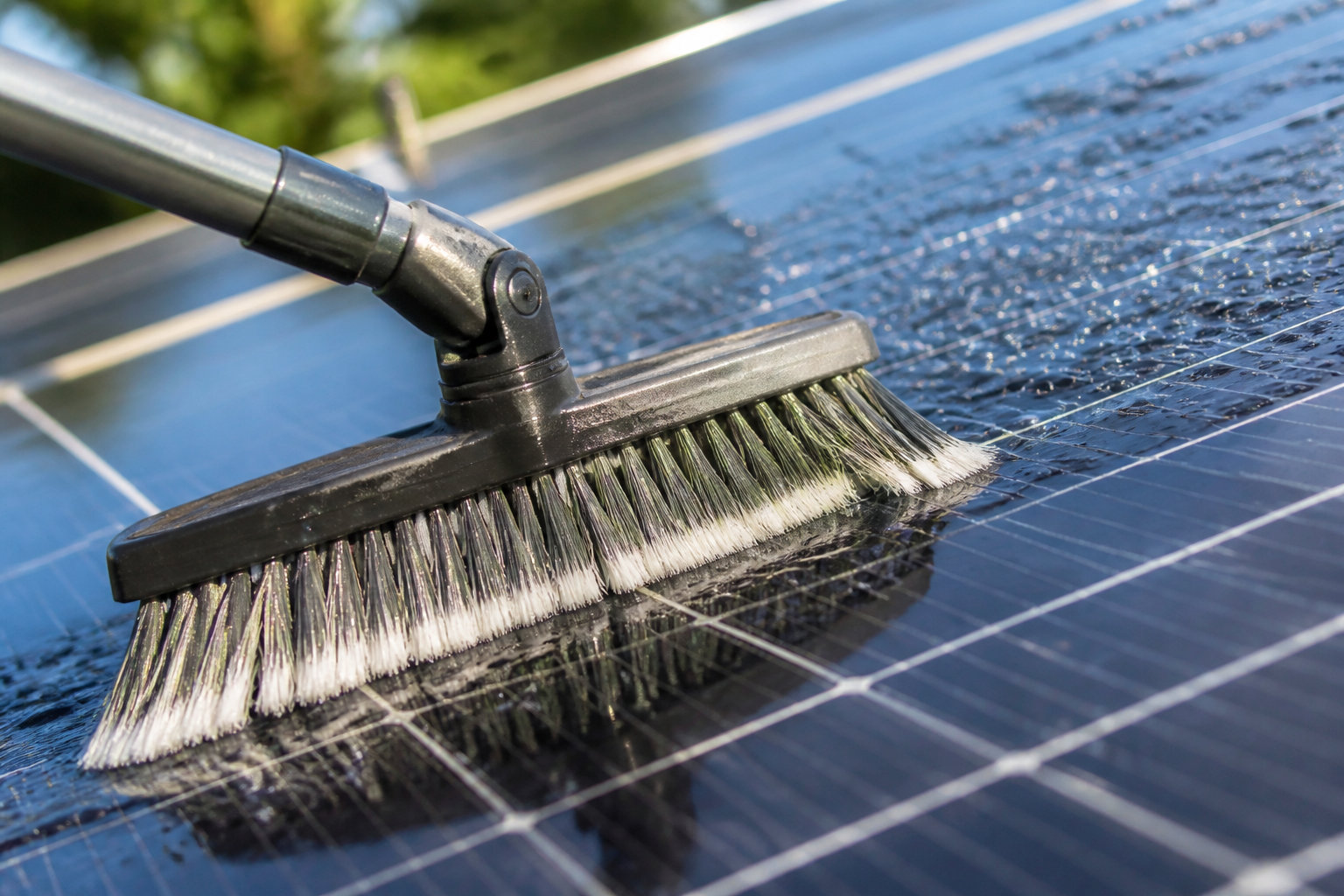
Use only soft-bristle brushes or sponges. Deionized water is best for a streak-free finish. Never use metal tools on the glass.
To keep your Essential solar panel maintenance checklist for longevity on track, always have these tools ready:
Soft microfiber cloths
Squeegees with plastic edges
Low-pressure garden hoses
Micro-cracks are invisible to the naked eye. They ruin efficiency over time. Gentleness is your best strategy here.
Risks of Pressure Washers and Abrasive Chemicals
High-pressure water forces moisture into the seals. This usually voids your manufacturer warranty immediately. The force can also delaminate the internal cells. Stick to low pressure to stay safe.
Critical Warning
Using a pressure washer on solar panels is the fastest way to destroy your investment and void your warranty coverage.
Using a pressure washer on solar panels is the fastest way to destroy your investment and void your warranty coverage.
Harsh chemicals strip anti-reflective coatings. Use plain water or specialized solar soaps only.
Best Practices
Clean at dawn or dusk
Use demineralized water
Soft-bristle brushes
What to Avoid
Pressure washers
Abrasive detergents
Walking on panels
Deep Dive Into Electrical and Structural Integrity
Beyond the glass surface, the hidden components require a more technical eye to ensure safety.
Checking Wiring, Conduits, and Junction Box Seals
Check for chewed wires under the panels. Rodents love nesting in these warm spots. UV rays also make plastic conduits brittle.
Inspect the junction box seals for cracks. Water ingress leads to short circuits. Ensure all weather-tight connectors are firmly seated.
Follow strict safety standards. Regular inspections prevent costly system downtime.
Verifying Mounting Hardware and Structural Stability
Wind causes constant vibration in the rails. Check every bolt for proper tightness. Loose hardware can lead to structural failure.
Look for rust on the mounting brackets. Corrosion spreads quickly in humid climates. Check roof penetrations for signs of leaks. Reseal any areas where the flashing looks worn.
Tighten clamps carefully. Do not over-torque bolts.
Safety Protocols for High-Voltage and Roof Access
Roof work is inherently dangerous. Use a proper fall protection harness. Never work alone during a physical inspection.
Shut down the system before touching wires. Follow the specific DC disconnect procedure. Use insulated tools to prevent electrical arcs.
Safety must be the priority; high-voltage DC electricity can be lethal without proper training and insulated equipment.
Applying this Essential solar panel maintenance checklist for longevity ensures your investment remains secure for decades.
Deciphering Inverter Health and Performance Data
While physical checks are vital, your inverter provides the digital pulse of the entire system.
Routine Monitoring via Software and Mobile Apps
Check your production curves daily. Compare today’s data with last week. Look for flat lines or unusual dips.
Set up automated email alerts for errors. Most modern apps notify you instantly. This helps you catch string failures early. You save money by reducing downtime.
Central inverters typically last 10 years; micro-inverters can last 25-30 years.
Troubleshooting Common Inverter Alert Codes and Logs
Grid synchronization errors are common. They often mean the utility voltage is fluctuating. Most of these resolve themselves quickly.
Communication errors usually involve Wi-Fi issues. Hardware failure codes are more serious. Check your manual for specific red light patterns.
Code Type
Meaning
Action Required
Grid Fault
Utility voltage fluctuation
Wait for auto-reset
Isolation Error
Moisture or wiring leak
Professional inspection
Comm Error
Wi-Fi or signal loss
Reset router/inverter
Hardware Fail
Internal component damage
Contact technician
Using Thermal Imaging to Detect Hidden Hot Spots
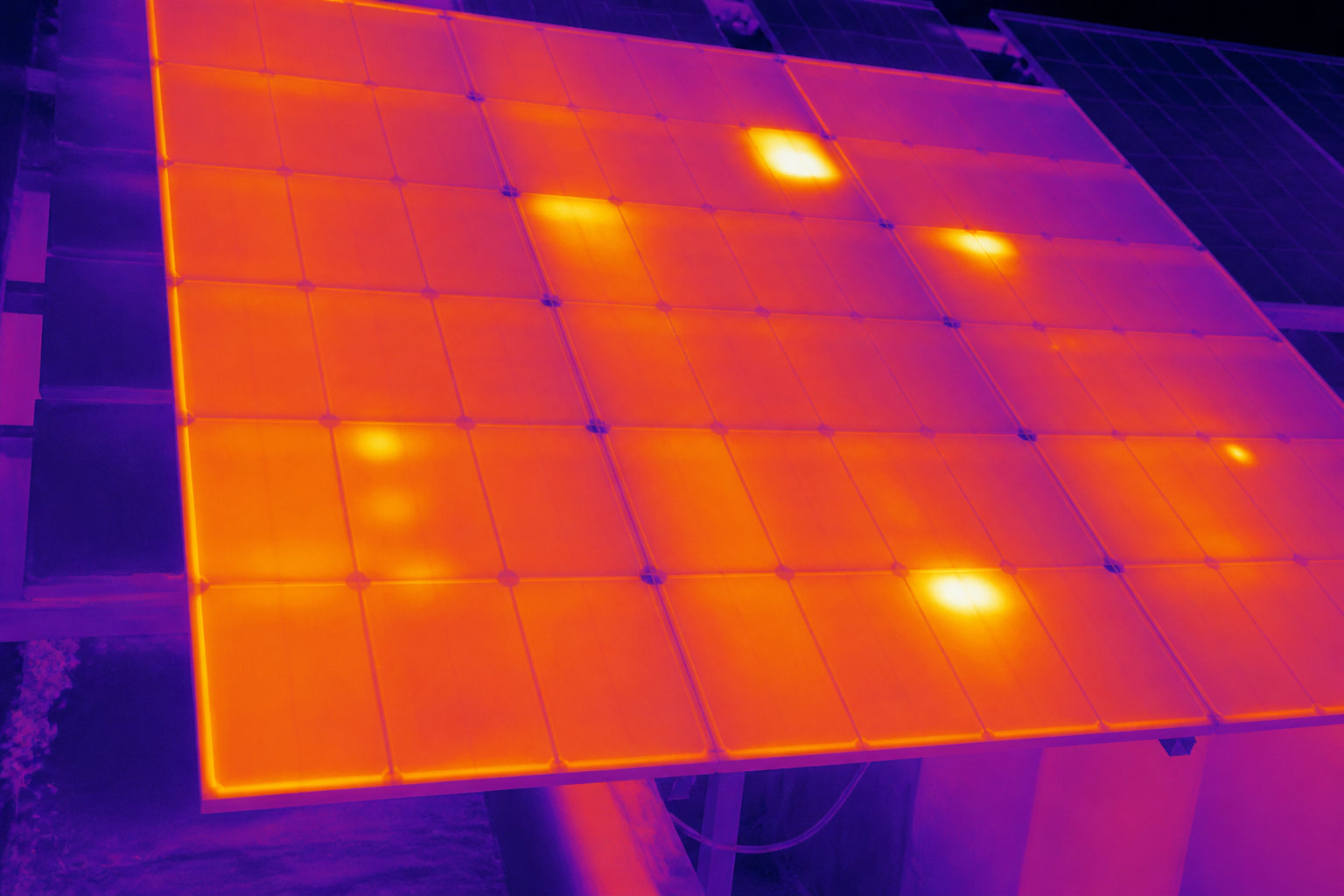
Infrared cameras reveal heat signatures. A hot cell indicates high resistance. This is often a sign of internal damage.
You can rent these cameras easily. Scan the array during a sunny afternoon. Bright spots highlight potential fire risks. It is a proactive way to find defects.
Document every hot spot found. Use these photos for warranty claims.
Do You Need a Professional for Annual Maintenance?
You can handle the basics, but some tasks require specialized tools and certifications.
Tasks Safe for Homeowners and Basic Toolkits
Visual inspections are perfect for DIY. You can spot debris and cracks. Basic cleaning is also very manageable.
Keep a simple logbook. Note the dates of your cleanings. Take photos of the panels every few months.
Essential DIY Gear
Binoculars for roof viewing
Soft brush
Smartphone for photos
Following an Essential solar panel maintenance checklist for longevity starts with these simple, frequent observations to catch issues early.
Why Professional Testing is Required for Warranty Validation
Manufacturers often demand certified service logs. Professionals provide the necessary paperwork. This protects your twenty-five-year performance guarantee.
Expert audits catch subtle degradation. They use calibrated tools for precision. Insurance companies also prefer documented professional inspections.
Don’t forget that specialized care extends to your storage setup, so check out these maintenance tips for batteries to keep everything running.
Earth and Grounding System Testing Procedures
Grounding protects against lightning strikes. Professionals test continuity with specialized meters. This ensures the safety of your home.
Expert Verification
Technicians use earth resistance testers to confirm a low-resistance path, ideally below 5 ohms, to dissipate surges safely.
Corroded ground rods are invisible. An expert will measure the resistance levels. They ensure the path to earth is clear. This prevents dangerous surges during storms.
Never skip this technical check. It is vital for fire prevention.
Managing Seasonal Variations and Service Documentation
Finally, your maintenance routine should change with the seasons to ensure year-round reliability. Adapting to nature’s cycles is the secret to a high-performing system.
Pre-monsoon and Winter Debris Removal Strategies
Clear gutters before the rainy season. Heavy rain can splash mud onto panels. Check for loose mounting before high winds.
Remove snow carefully in winter. Do not use metal shovels. Let the sun melt the thin layers.
Record-keeping Templates for Resale Value and Claims
A well-documented system sells faster. Buyers want to see performance history. Keep digital copies of all receipts.
Create a simple spreadsheet for logs. Include repair dates and cleaning times. Attach photos of the inverter screen monthly. This transparency builds trust with future homeowners.
Documentation is your best defense. It proves you cared for the system.
Regularly clearing debris, monitoring inverter data, and scheduling professional audits are the keys to maximizing your energy yield. Following a consistent solar panel maintenance checklist prevents efficiency drops and protects your long-term investment. Start your routine today to ensure your home remains powered by peak performance for decades to come.
FAQ
How often should I clean my solar panels to keep them running at peak performance?
For the best results, we recommend a good cleaning twice a year, typically during the spring and autumn. This schedule helps clear away accumulated dust, pollen, and debris that can rob you of up to 15% of your energy yield.
Depending on your local environment, like if you live near the ocean or in a dusty area, an annual scrub might suffice, but keeping an eye on your production data will tell you exactly when it’s time to grab the sponge!
What is the safest way to wash my solar array without causing damage?
Stick to the basics: plain water and a soft-bristle brush or microfiber cloth are your best friends here. You want to avoid harsh chemicals or abrasive tools that could scratch the glass or strip away essential anti-reflective coatings.
Whatever you do, never use a pressure washer! High-pressure water can force its way into seals, causing internal damage and instantly voiding your manufacturer warranty. Gentleness is the secret to protecting your long-term investment.
What signs of wear and tear should I look for during a visual inspection?
Keep a sharp eye out for any cracks, chips, or discoloration on the panel surfaces, as these can lead to hot spots. You should also check for loose wiring, chewed conduits from curious rodents, and ensure all junction box seals remain watertight to prevent short circuits.
Don’t forget to look for obstructions like growing branches or bird nests. Even a small amount of shade or a single bird dropping can create localized heat that permanently damages solar cells over time.
How can I tell if my solar inverter is functioning correctly?
Your inverter is the “brain” of the system, so check its display lights and production logs regularly via your mobile app. Look for sudden, unexplained dips in daily output or specific error codes, such as “Isolation Faults” or “Grid Errors,” which indicate the system needs attention.
While panels can last 40 years, central inverters typically have a lifespan of about 10 to 12 years. Monitoring your curves daily helps you spot hardware failures early, ensuring you don’t lose money on downtime.
Is it really necessary to hire a professional for annual maintenance?
While you can easily handle visual checks and light cleaning, a professional annual audit is vital for technical tasks like testing grounding systems and electrical continuity. Experts use thermal imaging cameras to detect hidden hot spots that are invisible to the naked eye.
Most importantly, many manufacturers require documented professional service to keep your 25-year warranty valid. Think of it as financial insurance that guarantees your hardware will continue to perform at 80-90% efficiency for decades to come.
How do seasonal changes affect my solar panel maintenance routine?
Preparation is key! Before the rainy season, ensure your gutters are clear to prevent mud splashes, and check that all mounting hardware is tight to withstand high winds. In winter, let the sun melt thin layers of snow naturally, or use a soft tool to carefully remove heavy accumulation without scraping the glass.
Maintaining a simple logbook of these seasonal actions doesn’t just help with performance; it increases your home’s resale value by proving to future buyers that the system has been meticulously cared for.