Modern lithium-iron-phosphate batteries now offer up to 10,000 charging cycles, providing over 15 years of reliable service for homeowners seeking energy independence. We often find that choosing between a solar battery backup vs generator feels like a toss-up between quiet innovation and raw, traditional power. You might worry about being left in the dark when a storm hits or facing the constant noise and fuel demands of a standard combustion engine.
We are going to break down the costs, reliability, and performance of both systems to help you decide which setup secures your home best. We will explore how smart storage compares to fuel-based backup so you can claim your energy freedom with confidence.
- Solar Battery Backup vs Generator: The Real 2026 Choice
- Upfront Price Tags vs the Hidden Cost of Ownership
- 3 Reasons Generators Fail When You Need Them Most
- Lifespan Reality: Batteries vs Combustion Engines
- How to Size Your Backup Without Wasting Money?
- Tax Credits and the Path to True Energy Freedom
Solar Battery Backup vs Generator: The Real 2026 Choice
Lithium-iron-phosphate batteries offer 10,000 cycles and silent operation, whereas portable generators provide high surge power at lower upfront costs but require constant fossil fuel supplies and mechanical maintenance. The choice hinges on whether you prioritize long-term energy independence or immediate, low-cost emergency power, starting with how these systems actually generate electricity.
0dB for LFP batteries vs 70-90dB for generators.
10,000 cycles for LFP batteries vs mechanical engine wear.
Clean Energy Storage vs Fuel-Based Combustion
Lithium storage relies on a stable chemical reaction within cells. In contrast, gasoline engines use mechanical combustion to turn an alternator. This creates a fundamental gap between silent energy and vibrating machinery.
Smart inverters allow battery systems to activate almost instantly during a blackout. Traditional generators often require a manual pull-start or face a 30-second delay. We see a seamless transition that protects your sensitive home electronics.
Solid-state trends for 2026 suggest even higher reliability for chemical storage. Engines have numerous moving parts that eventually fail under stress. Choosing lithium vs lead-acid solar storage ensures a more durable, stationary energy solution.
Silent Operation vs High Noise Levels
Decibel levels tell the real story here. LFP batteries operate in total silence, making them invisible to the ear. Compare this to the 70-90 dB roar of a standard portable generator.
Residential zoning laws are becoming stricter about noise pollution. Urban homeowners often face complaints when running loud engines for hours. Batteries bypass these restrictions entirely since they produce no sound.
Sleep is a necessity, not a choice, during a power outage. Silent power lets you rest without the constant hum or vibration of a motor. Silence is a luxury in a crisis that changes your entire experience.
Environmental Impact and Carbon Emissions
Burning propane or gas leaves a heavy carbon footprint. Solar-charged batteries, however, offer a zero-emission profile during use. We must consider the local air quality in our neighborhoods.
Exhaust fumes carry the lethal danger of carbon monoxide. Batteries are perfectly safe for indoor installation in a garage or basement. They emit no toxic fumes or unpleasant odors.
Solar energy removes your dependence on fragile fossil fuel supply chains. Batteries represent a closed-loop energy ecosystem that harvests power directly from the sun. This shift is vital for eco-conscious homeowners in 2026.
Upfront Price Tags vs the Hidden Cost of Ownership
While the environmental benefits are clear, the financial reality often dictates the final decision for most households.
Initial Purchase Price and Setup Expenses
Premium batteries often cost over $10,000, while portable generators sit near $1,000. This entry barrier includes expensive lithium cells and inverter costs. The storage gap remains quite high.
Installation needs professional electricians for automatic transfer switches. Contrast this with the simple plug-and-play solar panels or gas units. Setup complexity varies wildly between these two systems.

The hardware gap is purely industrial. Mechanical engines are cheaper to build than high-capacity lithium cells. You pay for advanced technology at the start.
Ongoing Fuel Costs and Price Volatility
Gasoline consumption spikes during three-day outages. Fuel prices fluctuate wildly at the pump. We view fuel as a recurring liability for your home budget.
Contrast this with free solar photons. Existing arrays turn sunlight into power at zero marginal cost. Energy independence is the real goal for modern owners.
Fuel logistics add hidden stress. You need safe storage and stabilizers for long-term gas viability. It is a constant chore to manage.
Daily Energy Savings and Long-Term ROI
Peak-shaving saves money daily by avoiding high utility rates. Generators only provide value during rare blackouts. This shift changes the ROI calculation entirely for most users.
Assess the ten-year payback period carefully. Utility bill reductions eventually offset the high initial battery cost. It is a strategic long-term financial play.
- Yearly fuel costs for generators: $1.5 to 2.5 liters per hour
- Daily savings from battery peak-shaving: Varies by rate
- Maintenance expenses per decade: $500 to $2,000 (Generator)
When weighing solar battery backup vs generator: which is better for home?, remember that short-term savings favor gas, but long-term wealth favors solar storage.
3 Reasons Generators Fail When You Need Them Most
Cost is one thing, but reliability during a crisis is where the technical differences become life-altering. When the grid goes dark, you need a system that actually starts.
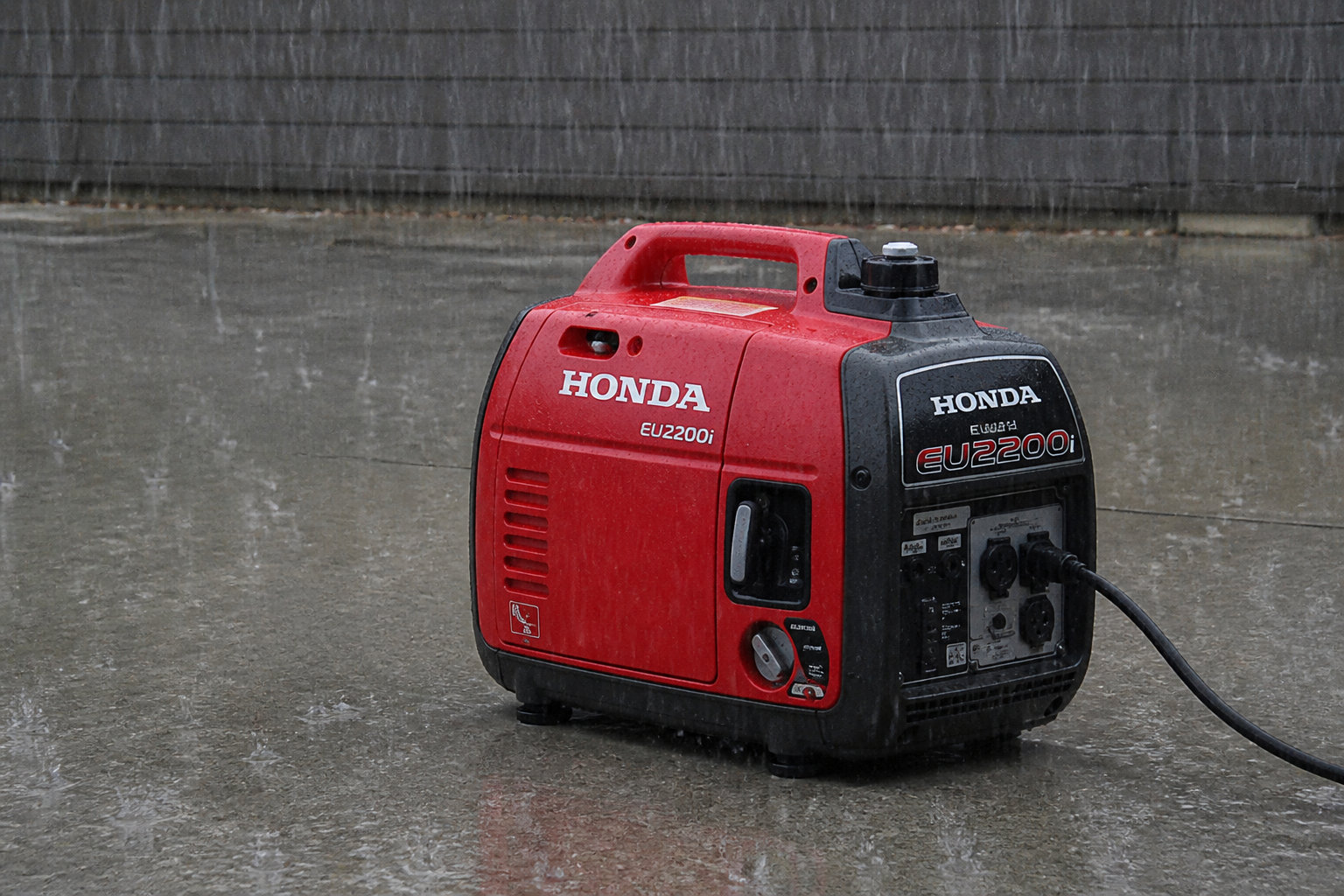
Traditional generators face fuel degradation after six months, carbon monoxide poisoning risks, and frequent gas station closures during regional grid failures.
Fuel Supply Chain Risks During Disasters
Gas stations often close during regional outages. Storms block critical roads. Sourcing fuel becomes a dangerous chore.
Gasoline goes stale after six months. This leads to engine gumming. Startup failure occurs exactly when needed.
Solar replenishment offers total independence. As long as the sun rises, the battery recharges. It is a self-sustaining loop.
A generator without fuel is just a heavy, expensive paperweight when the grid goes dark for more than forty-eight hours.
Cold Climate Impacts on Performance
Freezing temperatures slow battery chemistry. Discharge rates drop in extreme cold. Indoor placement is the standard solution.
Mechanical engines struggle in winter. Thick oil and cold batteries make starting difficult. Engines often stall in blizzards.
Insulated enclosures help both systems. However, solid-state electronics generally handle thermal stress better than combustion cycles. Check your solar panel kit efficiency in winter to stay prepared.
Lifespan Reality: Batteries vs Combustion Engines
Beyond immediate performance, you must consider how long these expensive assets will actually last in your garage.
Depth of Discharge and Battery Cycle Life
Depth of Discharge (DoD) measures how much energy you use before recharging. LFP batteries safely handle a 90% discharge without suffering internal damage. This capability effectively maximizes your usable energy capacity every day.
Modern units are built for the long haul through 2026. Most high-quality systems now last between 10 to 15 years. Daily cycling has become a standard expectation for homeowners seeking reliability.
Managing your battery cycles is vital for long-term health. Smart usage ensures your investment remains productive for a decade.
Engine Maintenance vs Solid-State Electronics
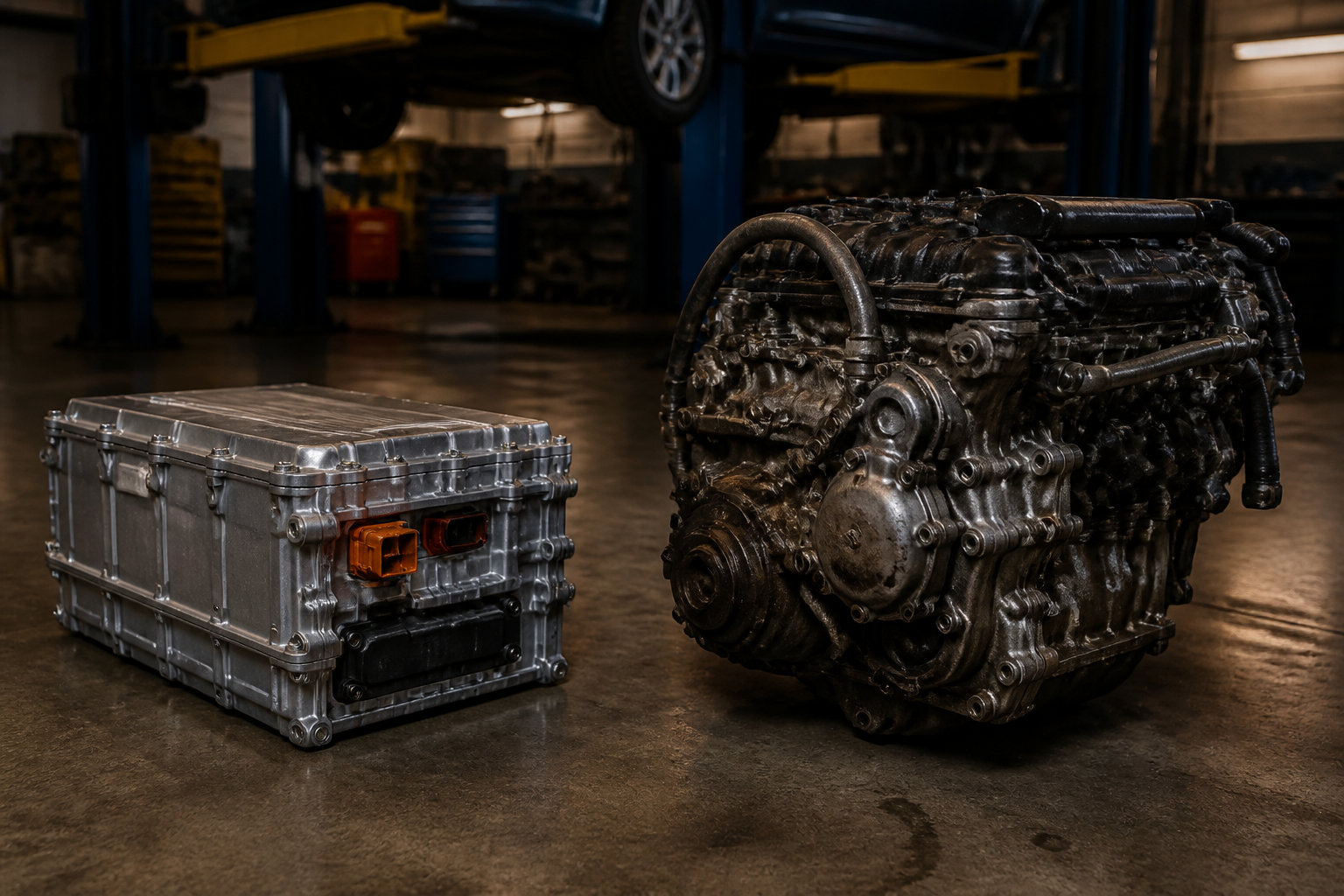
Generators demand constant attention and messy chores. You must regularly change oil, spark plugs, and air filters. Moving parts inevitably wear down and fail over years of heavy operation.
Batteries offer a refreshing alternative with zero friction. There are no moving parts to lubricate or mechanical components to tune. It is a set-and-forget technology that simplifies your home energy management.
Degradation patterns differ greatly between these two technologies. Electronics fade slowly over time, while engines often suffer sudden catastrophic failures. The choice is yours.
How to Size Your Backup Without Wasting Money?
Understanding the technology is useless if you buy a system that cannot handle your actual household load.
Home Energy Audits for Backup Sizing
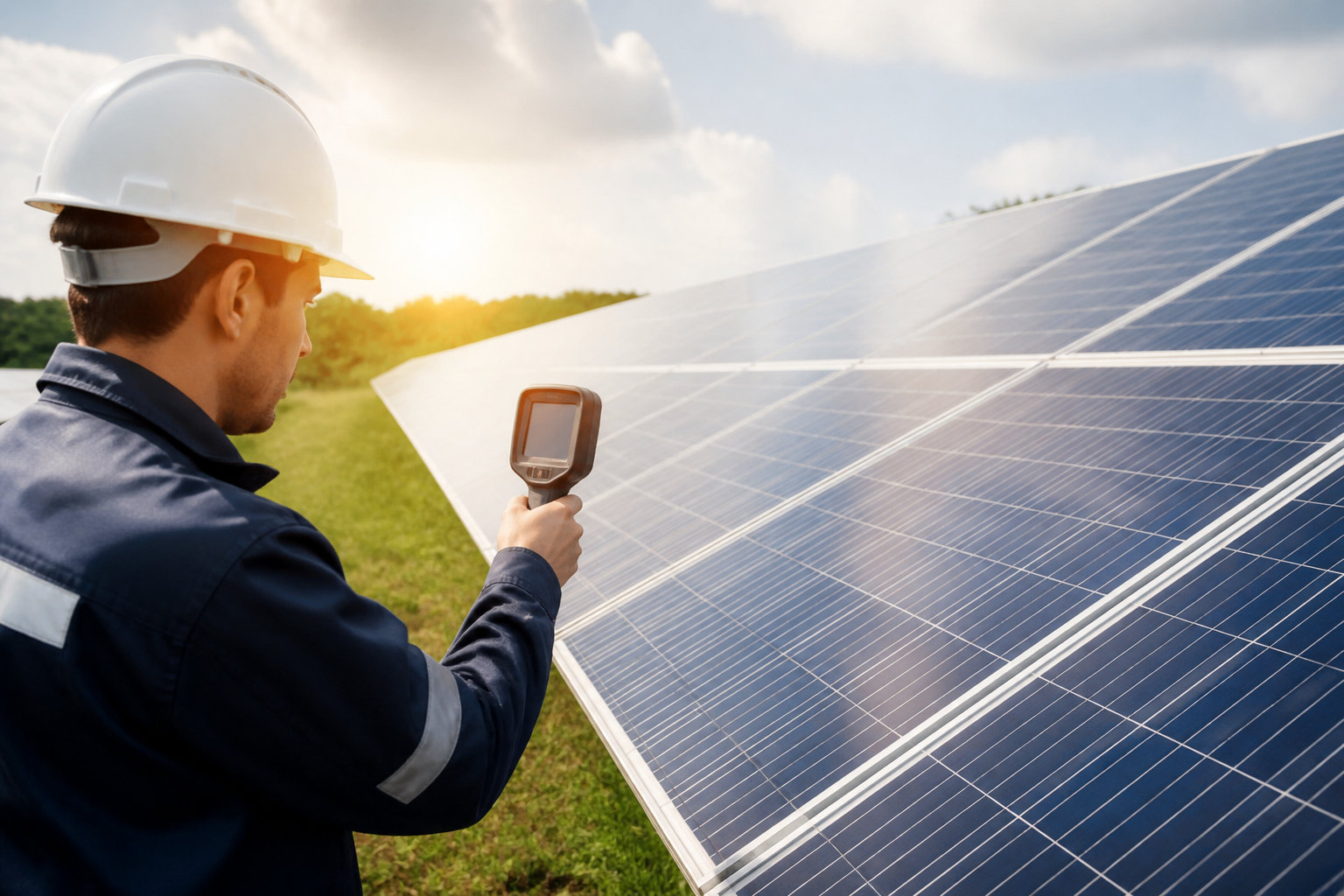
Identify your kilowatt-hour needs. Check your utility bills for peak usage. Distinguish between surge and continuous power.
Prioritize your loads. Decide if the AC is a luxury or a necessity.
Efficiency saves cash. Learn to calculate solar panel wattage to avoid buying oversized, expensive equipment you never use.
Essential Circuits vs Whole-Home Power
Compare critical load panels to whole-home solutions. Backing up just the fridge and lights saves thousands. Single batteries have hardware limits.
Discuss smart load management. Modern panels shed non-essential loads automatically. This extends your battery duration significantly.
Efficiency is key. Don’t overspend on capacity.
Hybrid Inverter Integration Benefits
Explain hybrid inverters. They manage solar, batteries, and generators simultaneously. This creates a multi-source redundant strategy.
| Feature | Solar Battery | Gas Generator | Hybrid System |
|---|---|---|---|
| Initial Cost | High | Low | High |
| Fuel Dependency | No | Yes | No/Optional |
| Noise | 0 dB | 70-90 dB | Low |
| Daily Savings | $ (High) | None | $ (High) |
| Reliability | High | Medium | Highest |
Solar battery backup vs generator: which is better for home? A hybrid setup ensures you never choose between silence and raw power.
Tax Credits and the Path to True Energy Freedom
The final piece of the puzzle is the government’s role in making these high-tech systems affordable.
Federal Tax Credits and Local Rebates
The 30% federal tax credit now applies to standalone batteries. This incentive drastically reduces your net investment cost immediately. It is a major win for homeowners.
Many regions offer extra upfront rebates or zero-interest loans. Check local utility programs for additional savings that stack. These local perks make the switch much easier.
Ensure your system meets the 3 kWh minimum capacity requirement. Always verify your installation is completed within the correct tax year.
Check for the 30% federal tax credit and look into Virtual Power Plants (VPP) to turn the battery into a passive income stream.
Time-of-Use and Virtual Power Plants
Virtual Power Plants (VPP) allow homeowners to support the grid. You get paid for your stored energy. Your battery becomes a passive income stream.

Discharge your battery when electricity prices peak to save money. Avoid expensive utility surcharges by using your own power. It is a smart, automated way to cut costs.
“True energy independence isn’t just about having power during a blackout; it’s about owning the means of production and storage every single day.”
Independence is about more than just surviving a storm. It is about taking total control of your energy future.
Choosing between a solar battery backup vs generator means balancing silent, eco-friendly independence with raw, fuel-dependent power. Invest in a closed-loop LFP system today to eliminate recurring fuel costs and enjoy permanent energy freedom. Secure your home’s future with reliable, maintenance-free storage that works even when the pumps run dry.
FAQ
Is a solar battery backup actually better than a traditional generator for my home?
It really depends on your priorities, but for most modern homeowners, solar batteries offer a superior, set-and-forget experience. While traditional generators provide raw power and quick refueling, solar batteries win on silence, zero emissions, and minimal maintenance. You get a clean, reliable energy source that recharges for free from the sun, rather than relying on expensive and volatile fossil fuels.
If you value peace of mind and long-term savings, the battery is the way to go. However, if you have massive power demands and don’t mind the noise and exhaust, a generator remains a high-output alternative. Many of our customers even choose a hybrid strategy to get the best of both worlds!
How long can I expect these systems to last?
There is a significant difference in how we measure longevity. Modern LiFePO4 (LFP) batteries are designed for the long haul, typically lasting between 10 to 15 years with 3,000 to over 6,000 cycles. Because they have no moving parts, they don’t suffer from the mechanical wear and tear that eventually kills combustion engines.
In contrast, a generator’s lifespan is measured in operating hours. While a well-maintained unit can last for years, it requires constant oil changes, filter replacements, and spark plug swaps. Without this rigorous upkeep, a generator can fail catastrophically, whereas a battery system simply experiences a slow, predictable decline in capacity over a decade.
Are there financial incentives to help with the high upfront cost?
Absolutely! We have great news for your budget: the Federal Residential Clean Energy Credit offers a 30% tax credit on qualified solar battery installations through 2025. This significantly lowers your net investment, making premium storage much more accessible. To qualify, your battery system just needs a capacity of at least 3 kWh.
Beyond the tax credit, batteries actually work for you every day. Unlike a generator that sits idle until a blackout, a battery can perform peak-shaving, discharging when utility rates are highest to save you money on every bill. You can even join Virtual Power Plants (VPP) to turn your stored energy into a passive income stream!
Will a solar battery work during a long winter power outage?
Yes, but performance does change with the weather. Cold temperatures can slow down battery chemistry, which is why we usually recommend indoor installation for peak efficiency. As long as your panels can see the sun, your system will continue to recharge, creating a self-sustaining loop even when roads are blocked and gas stations are closed.
Traditional generators often struggle to start in extreme cold due to thickened oil and frozen components. Furthermore, sourcing fuel during a regional disaster can be dangerous or impossible. With a solar battery, you aren’t tethered to a failing supply chain; you own your means of production.
How do I know what size system I need to power my house?
The secret is to distinguish between your “must-haves” and your “nice-to-haves.” We recommend starting with a home energy audit to identify your continuous power needs versus surge loads. By focusing on a critical load panel, powering just the fridge, lights, and essential electronics, you can save thousands compared to a whole-home setup.
Modern smart load management can also help by automatically shedding non-essential appliances, extending your battery life significantly. It is all about efficiency and smart sizing; you don’t want to overpay for capacity you’ll never use, but you want enough to keep the lights on when it matters most.