Modern monocrystalline panels now achieve conversion efficiencies exceeding 20%, yet many bus lifers still struggle with dead batteries before sunset. Choosing the wrong solar panel kits for bus conversion often leads to expensive roof leaks or insufficient power for basic appliances.
We have analyzed the most reliable systems to help you build a robust off-grid setup. This guide breaks down the top-rated kits to ensure your skoolie stays powered anywhere the road takes you.
- Smart Criteria for Picking Solar Panel Kits for Bus Conversion
- Renogy 400W Premium Kit for Heavy-Duty Skoolies
- EcoFlow 220W Bifacial Portable Kit for Weekenders
- Rich Solar 200W Monocrystalline Kit for Budget Builds
- HQST 100W Polycrystalline Starter Kit for Small Vans
- WindyNation 400W Complete Kit with AGM Batteries
Smart Criteria for Picking Solar Panel Kits for Bus Conversion
Skoolie conversions require 400W to 800W of solar power, paired with MPPT controllers and LiFePO4 batteries for efficiency. Choosing all-in-one kits from brands like Renogy or EcoFlow simplifies complex wiring for mobile off-grid setups.
Ideal Power Range
Safety Margin
Transitioning from general requirements to specific hardware is where the real work begins for any DIY builder.
Essential Components for Mobile Solar Systems
Your setup relies on panels, controllers, batteries, and inverters. These units work together for stable power. Strongly prioritize a balanced system capacity.
We recommend pure sine wave inverters for sensitive electronics. Always integrate safety fuses. Check out these best solar panel kits for bus conversions and skoolies.
Calculating Your Daily Energy Consumption
List appliances like fridges and induction cooktops. Calculate total daily Watt-hours to avoid a dead battery bank. Always account for a 20% safety margin.
Use a simple audit. List every single 12V and 120V device.
- 12V Fridge, LED lighting
- Induction cooktop
- Laptop charger, MaxxAir fan
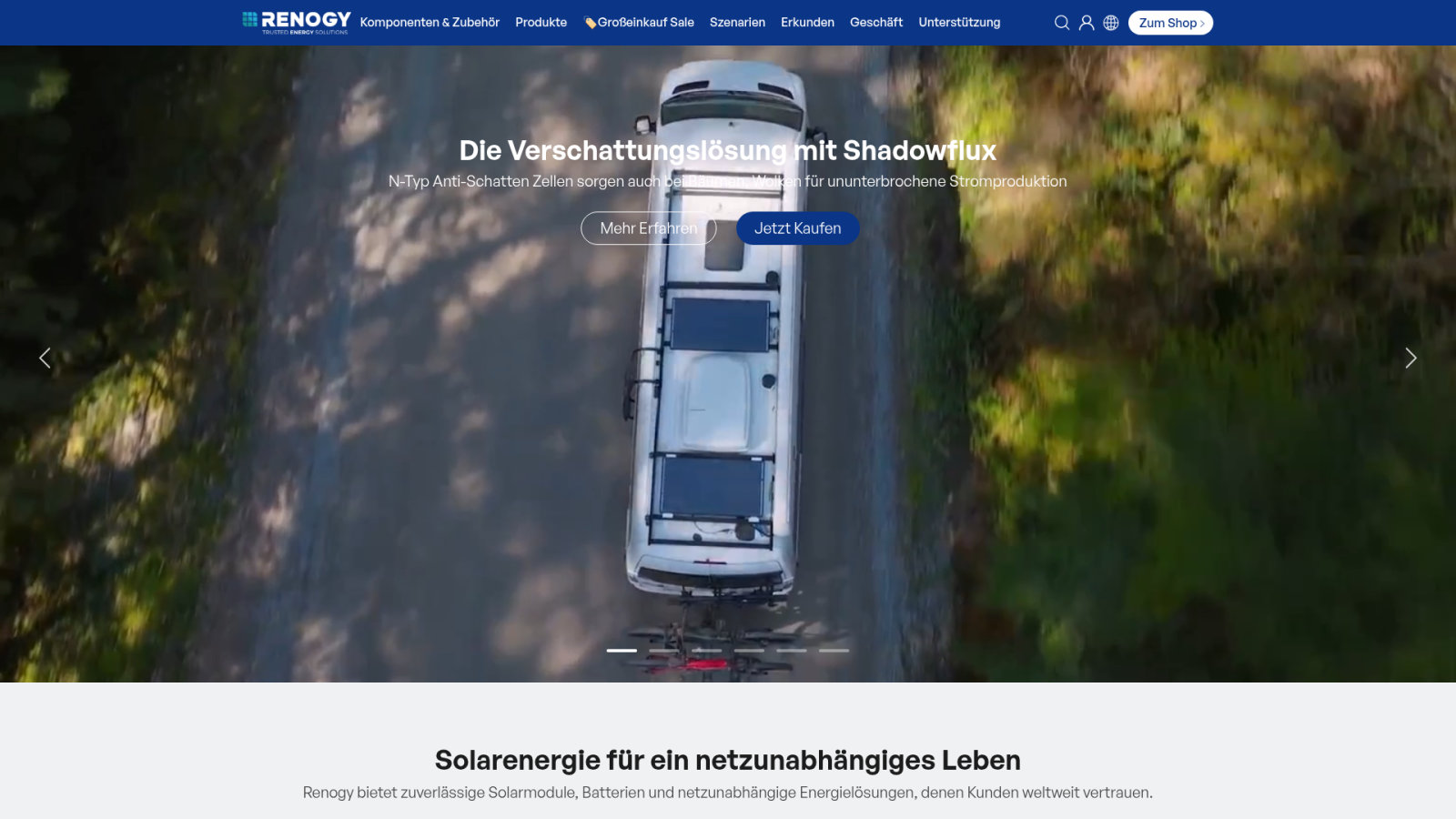
Renogy 400W Premium Kit for Heavy-Duty Skoolies
While general sizing rules provide a baseline, specific kits like the Renogy 400W offer a concrete starting point for serious bus dwellers.
Performance and MPPT Efficiency
This kit features the Rover MPPT controller. MPPT technology is superior for handling variable weather. It maximizes energy harvest effectively.
The rigid monocrystalline panels are tough. They offer high conversion rates exceeding 20%. Check out this RV solar panel kit guide for more details.
Installation and Expansion Potential
Included mounting brackets and Bluetooth monitoring simplify the process. This kit scales easily to 800W for growing needs. Reliability is the main selling point here.
Use an MPPT controller with a higher amperage than currently needed to allow adding more panels later without replacing the controller.
The Renogy 400W kit remains the gold standard for DIY bus conversions due to its balance of price and high-end MPPT technology.
Always verify roof space before drilling. Rigid panels require sturdy mounting points for safety.
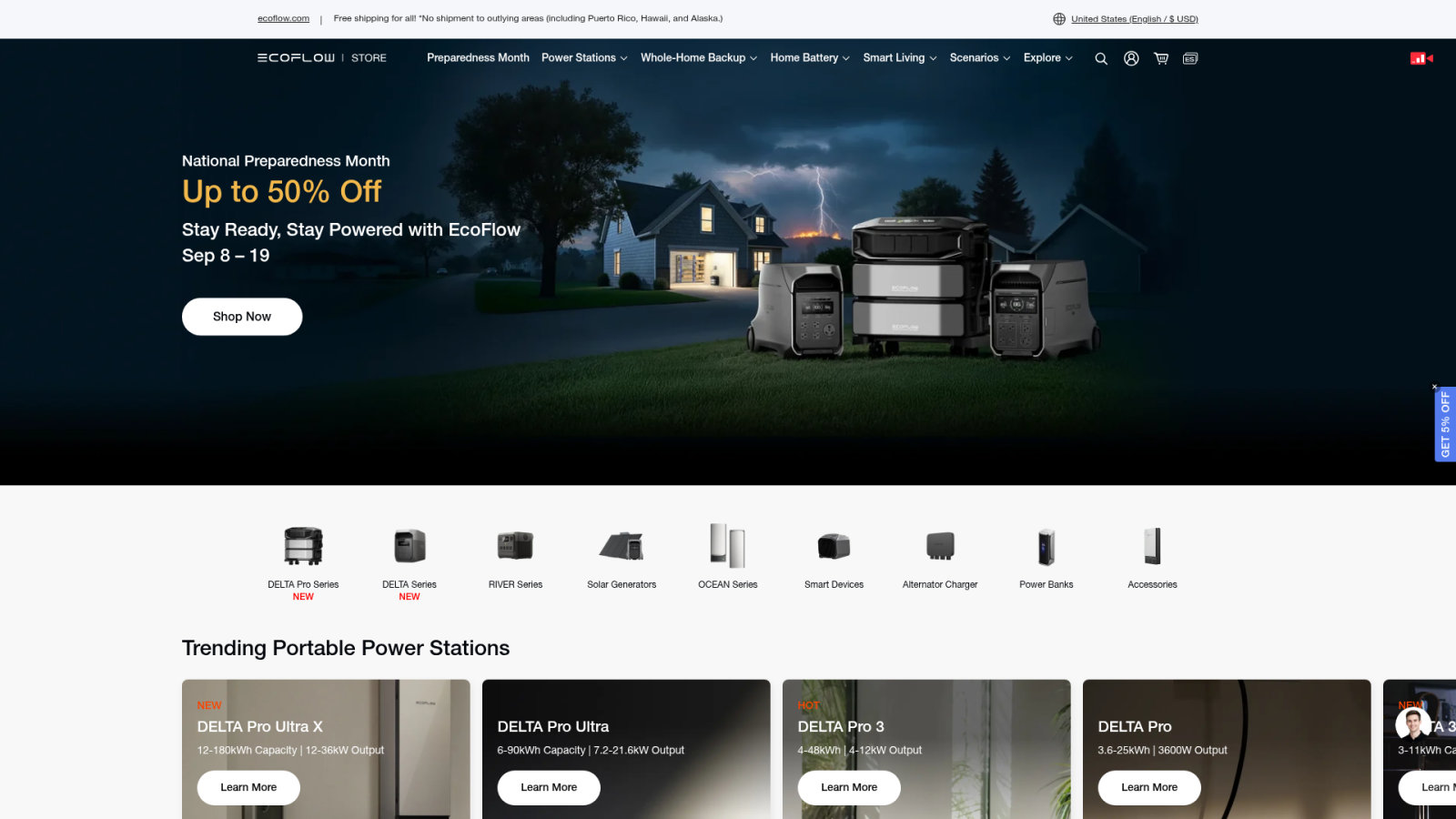
EcoFlow 220W Bifacial Portable Kit for Weekenders
Not every bus needs a permanent roof installation, especially if you only travel during fair-weather weekends.
Bifacial Advantage and Portability
Bifacial panels catch light from both sides. This increases yield by up to 25%. It is highly efficient for ground setups.
Focus on the “plug-and-play” aspect. No drilling is required. Learn how plug and play solar panels work to simplify your setup.
Ideal Use Cases for Bus Travelers
Target the weekend warrior who parks in the shade. Moving the panel into the sun is a huge benefit. It pairs perfectly with portable power stations. Flexibility defines this specific setup.
Store it easily when driving. It fits under a bed or behind a seat.
| Feature | EcoFlow 220W | Standard 200W Rigid |
|---|---|---|
| Installation Type | Portable | Fixed |
| Weight | 21lbs | 35lbs |
| Efficiency | Bifacial | Single-sided |
| Weather Resistance | IP68 | IP65 |
Rich Solar 200W Monocrystalline Kit for Budget Builds
If the high-end prices of premium kits seem daunting, budget-friendly alternatives provide a functional entry point. We believe you shouldn’t have to drain your savings just to get off the grid.
Cost-Effective Power Generation
Rich Solar panels offer incredible value for money. They utilize a standard 12V architecture. This keeps the initial investment very low for builders starting their journey.
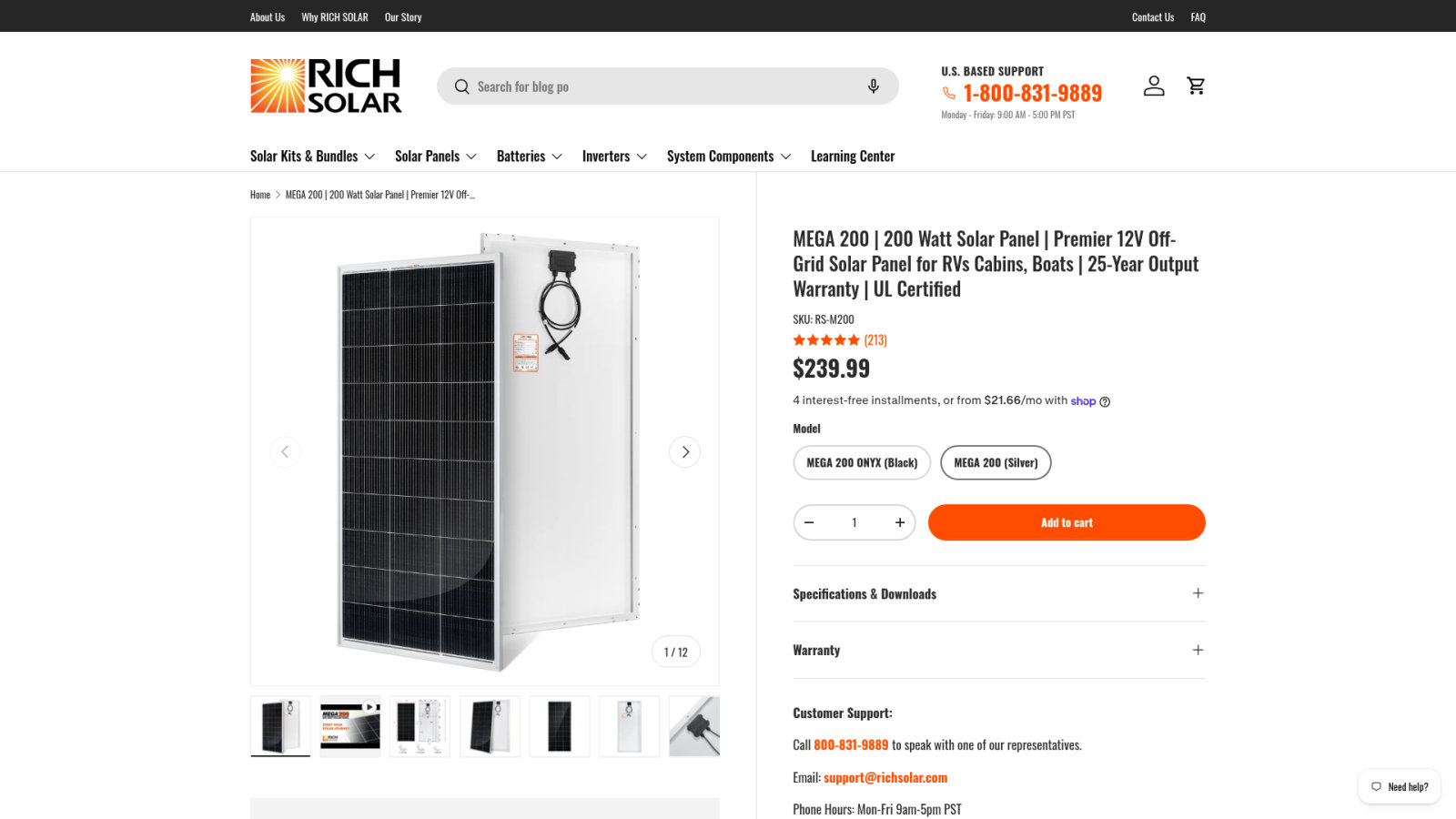
The included PWM controller handles basic needs efficiently. It is a simpler, reliable choice for smaller setups. Check out this solar kit for shed for similar entry-level inspiration.
Durability and Simple Wiring
The rugged frame design is built to last. These panels easily withstand highway speeds on a bus roof. The wiring is straightforward for beginners. Simplicity reduces the risk of installation errors during your build.
They use standard MC4 connectors. These are waterproof and industry-standard for safety. You get a secure, weather-resistant connection every time.
HQST 100W Polycrystalline Starter Kit for Small Vans
Small van conversions or minimal skoolies often only need enough juice for lights and a phone charger. This makes a compact setup the logical choice for weekend warriors.
Polycrystalline vs Monocrystalline for Small Builds
Polycrystalline is cheaper but slightly less efficient. In a 100W size, the footprint difference is negligible. It saves money for other van parts without sacrificing much space.

The compact size is a winner. It fits on even the smallest roof racks easily. Check out these solar panels for vans to see how they integrate.
Multiple silicon fragments melted together. Lower cost, slightly lower efficiency (14-18%).
Single pure silicon crystal. Higher efficiency (16-24%) and better performance in heat.
Minimalist Off-Grid Capability
Low-draw living is the goal here. This kit supports LED lights and small fans perfectly. It is not for induction stoves. Essential power is the focus of this tiny system for basic needs.
Add a small 50Ah battery. This creates a complete, functional micro-grid for your rig.
For those prioritizing simplicity over high-wattage luxury, a 100W starter kit provides exactly what is needed without the bulk.
WindyNation 400W Complete Kit with AGM Batteries
For a truly comprehensive solution, some kits include the storage bank, removing the guesswork of battery compatibility.
The All-In-One Battery Solution
This kit features AGM batteries. They are maintenance-free and spill-proof. These qualities are vital for any moving vehicle.
AGM is heavier than lithium. However, it handles cold better. You can learn more about lithium vs lead acid solar storage to decide.
Wiring and Safety for Full Skoolie Integration
Heavy-duty cables and fuses come standard. These ensure the system handles high current safely. Proper grounding is mandatory for bus safety. The kit includes everything for a weekend install.
Follow the diagram closely. Correct wiring prevents dangerous voltage drops across long runs.
- 4x 100W Panels
- 30A P30L Controller
- 2x 100Ah AGM Batteries
- 40ft UL Listed Cable
- All Connectors
Proper grounding is mandatory for bus safety; ensure all cables are UL listed and fuses are correctly sized to prevent fire risks from vibration-induced loose connections.
Selecting the right solar panel kits for bus conversion ensures independence through high-efficiency monocrystalline cells, robust MPPT controllers, and durable LiFePO4 storage. Audit your appliances now to size your system perfectly. Start your off-grid journey today and enjoy limitless power under the open sky.
FAQ
What are the key factors to consider when selecting a solar kit for a bus conversion?
When you’re building your dream skoolie, you need to focus on efficiency, reliability, and durability. High-conversion monocrystalline panels are the gold standard because they provide the best power-to-space ratio on your roof. Don’t forget to check the IP65 rating for weather resistance to ensure your setup handles highway speeds and heavy rain without skipping a beat.
Weight is another critical factor. You want a high Watts-per-kilogram (W/kg) ratio to avoid overloading your vehicle. Always look for kits that include robust connectors like MC4 and modern technologies like N-Type or PERC cells to maximize your energy harvest in various weather conditions.
How much solar power do I actually need for a skoolie or bus?
The right amount of power depends entirely on your lifestyle! If you just want to keep your phone charged and run some LED lights, a 100W to 200W starter kit is a great minimalist choice. However, for true off-grid freedom with a fridge and laptop, we recommend a 200W to 400W setup, ideally paired with a high-quality battery bank.
To get it perfect, list your appliances like your MaxxAir fan or induction cooktop and calculate your daily Watt-hour needs. We always suggest adding a 20% safety margin to your total to ensure you never run out of juice during cloudy spells.
Should I choose an MPPT or a PWM charge controller for my mobile setup?
We almost always recommend an MPPT controller for bus conversions. While PWM controllers are budget-friendly, MPPT technology is far more efficient because it converts excess voltage into extra amperage. This means your batteries charge faster and you harvest more energy, especially in variable weather or colder climates.
A PWM controller acts more like a simple switch and is suitable for very basic, low-power systems. However, if you plan on expanding your solar array later or want the most “bang for your buck” from your panels, the increased efficiency of an MPPT unit is well worth the initial investment.
Why is a pure sine wave inverter important for my bus electronics?
A pure sine wave inverter is essential because it mimics the clean electricity found in a standard home. This protects your sensitive electronics like laptops, tablets, and high-end audio gear from damage. It also ensures that appliances with motors, such as refrigerators or air conditioners, run smoothly and efficiently.
Modified sine wave inverters are cheaper, but they can cause interference or even permanent damage to modern gadgets. To keep your mobile office or kitchen running safely, choosing a pure sine wave model is the best way to ensure total peace of mind on the road.
What is the weight difference between AGM and LiFePO4 batteries?
Weight is a huge deal in a bus conversion! A 100Ah LiFePO4 battery typically weighs between 25 and 30 pounds, while a comparable AGM battery can weigh up to 70 pounds. Switching to lithium can literally save you hundreds of pounds, which translates to better fuel economy and easier handling for your rig.
Beyond being twice as light, LiFePO4 batteries offer a much longer lifespan and can be discharged more deeply without damage. If you are looking to optimize your payload and get the most out of your solar storage, lithium is the clear winner for modern skoolie builds.
Can bifacial solar panels really improve my energy production?
Absolutely! Bifacial panels are a game-changer for bus travelers because they catch sunlight from both sides. By capturing light reflected off the ground or your roof, they can increase your energy yield by up to 30%. This is incredibly helpful in low-light conditions or when you are parked in partially shaded areas.
Models like the EcoFlow 220W are fantastic for weekenders who use portable setups. You can move the panel to follow the sun while your bus stays cool in the shade, giving you maximum flexibility and power generation without a permanent roof installation.