Maintaining a lush environment year-round often leads to skyrocketing utility bills and constant manual monitoring of ventilation. You might find yourself rushing to open vents at the first sign of heat stress or worrying about seedling survival during power outages.
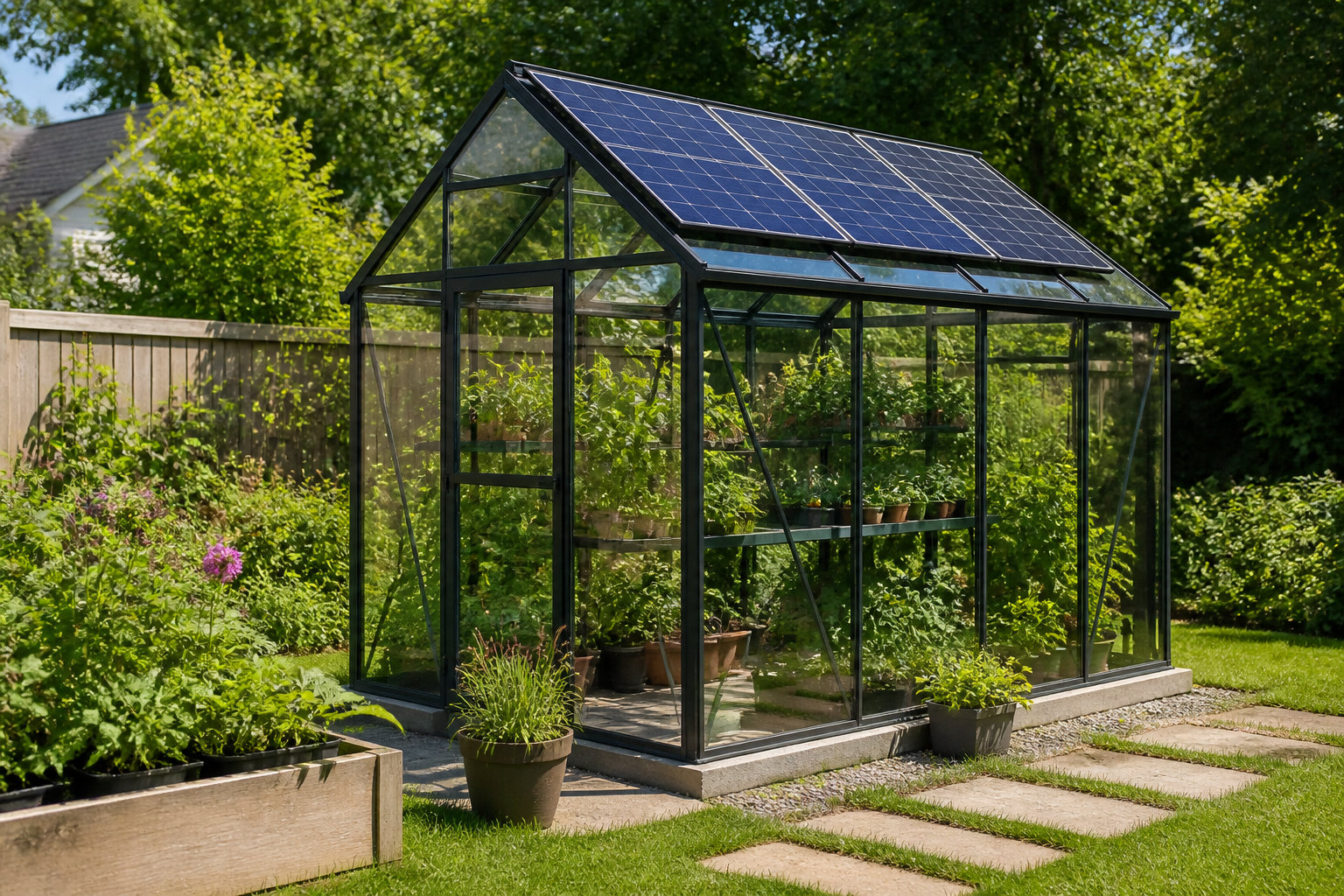
We will show you how solar panel kits for backyard greenhouses transform these challenges into a self-sustaining ecosystem. We explore how to size your system and automate your climate control to ensure your plants thrive independently.
- Solar Panel Kits for Backyard Greenhouses: A Modern Growing Solution
- 4 Core Components of a Functional Solar Kit
- How to Calculate Your Energy Load for Year-Round Growth?
- Practical Installation and Maintenance Strategies
Solar Panel Kits for Backyard Greenhouses: A Modern Growing Solution
Off-grid solar kits for greenhouses typically require 200W to 600W to power automated ventilation and drip irrigation. These systems ensure thermal stability by regulating airflow and moisture without utility costs, enabling year-round cultivation through integrated grow lights and smart sensors.
Powering Ventilation and Irrigation Systems
Automating your garden oasis starts with identifying electrical needs for fans and drip pumps. Fans prevent heat stress while pumps maintain soil moisture. Every watt counts for battery sizing.
Solar energy stabilizes the internal climate effectively. Consistent power prevents sudden temperature spikes that kill delicate seedlings.
Integrating grow lights extends seasons significantly. LED strips consume little power but boost winter growth, much like solar panel kits for garden offices enhance productivity.
Solar automation reduces daily chores. It makes the greenhouse truly self-sufficient and productive.
Off-Grid vs. Grid-Tied Solar Setups for Home Growers
Off-grid kits offer total freedom in remote garden corners through battery storage. Grid-tied setups allow for net metering but require professional electrical work. Choose based on your proximity to main power lines.
Energy independence offers massive benefits. No blackouts will affect your plants. You own your power production entirely.
Small-scale backyard installations show clear cost differences. Off-grid is often cheaper for small sheds, similar to a solar kit for shed.
Batteries add cost but provide security. Evaluate your budget against your long-term autonomy goals.
4 Core Components of a Functional Solar Kit
While the setup type matters, the real magic happens within the hardware components that transform sunlight into growth.
Panels, Charge Controllers, and Inverters
Photovoltaic cells act as the primary engine. They capture photons to generate direct current electricity for your greenhouse tools.
Controllers are vital for health. They stop overcharging and manage energy flow. Consider a microinverter vs string inverter setup to handle your specific power needs efficiently.
Inverters handle the final conversion. They turn DC into AC for standard fans and lights.
Selecting Battery Capacity for Cloudy Days
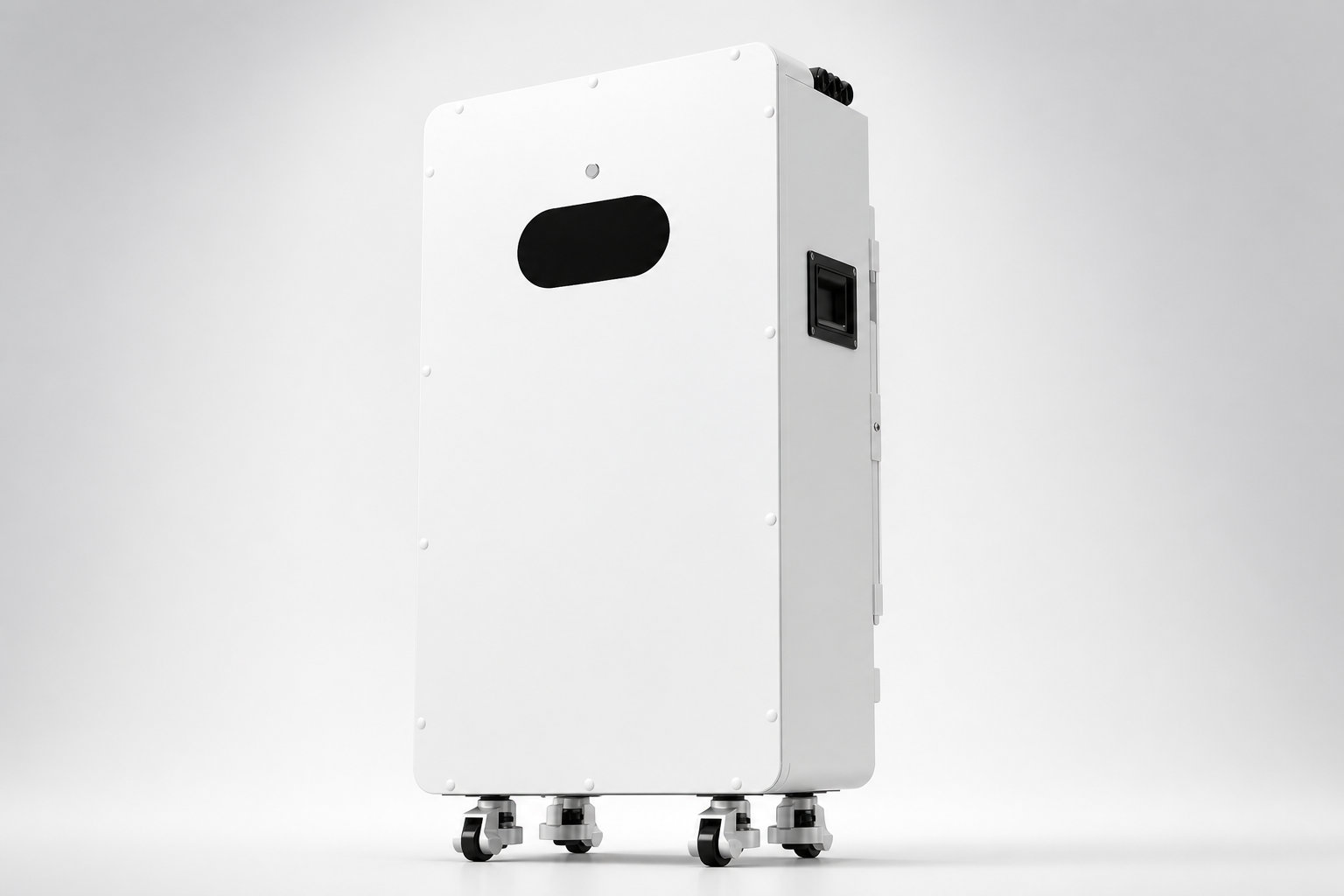
Lithium lasts longer and discharges deeper than lead-acid. Choosing the right technology is a major decision for long-term reliability.
Nighttime storage is essential. Choosing lithium vs lead acid for solar storage determines your total usable capacity until morning.
Watch your discharge levels. Avoid draining lead-acid units below fifty percent to ensure they last years.
Integrating Smart Thermostats and Automatic Vent Openers
Sensors are the brain of the operation. These devices trigger fans exactly when the air gets too hot.
Place sensors at plant level rather than at the peak to trigger cooling based on root-zone heat.
Solar power fuels the cooling process directly. Energy runs motors that open vents, preventing wilting during peak sun hours.
Automation significantly reduces manual labor. You no longer have to run outside every time the sun appears.
How to Calculate Your Energy Load for Year-Round Growth?
Choosing components is just the start; you must now match their capacity to the physical volume of your growing space.
Sizing Your System Based on Greenhouse Volume
Estimate watt-hour requirements for heating and cooling. Larger greenhouses need more powerful fans to move stagnant air. Calculate the total wattage of all devices.
Solar is better for fans than heat. Electric heaters pull massive current. Solar power often struggles with winter heating demands.
Solar kits are highly efficient for fans and pumps but typically insufficient for electric resistance heaters in winter due to high wattage requirements.
Multiply device watts by hours of use. Add a twenty percent safety margin for cloudy weather. This ensures Powering your plants with solar panel kits for greenhouses remains reliable.
Passive Solar Design Principles for Efficiency
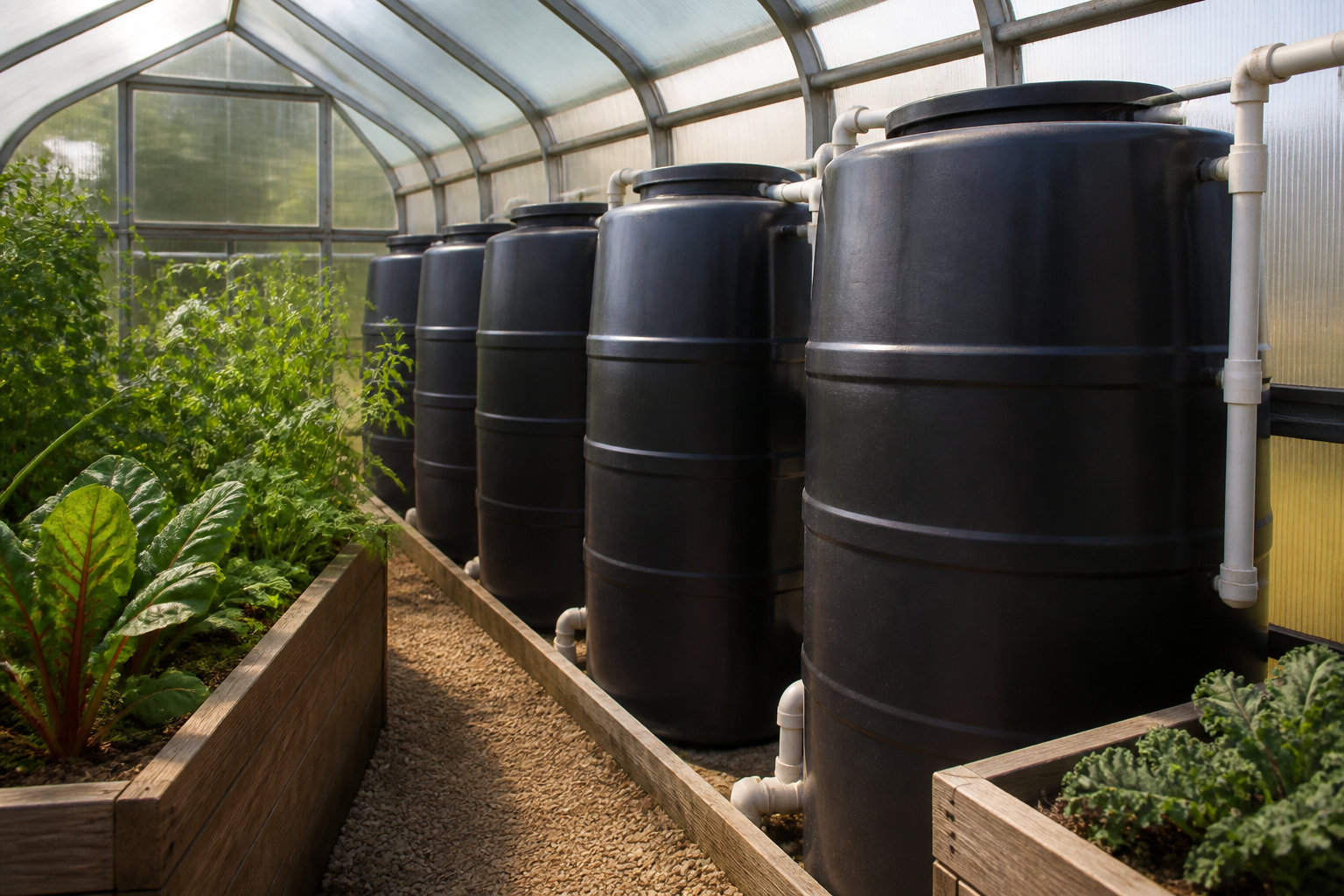
Thermal mass and water barrels are vital. These store heat during the day and release it at night.
Glazing materials dictate your thermal retention. Double-walled polycarbonate holds heat better than single-pane glass. We recommend comparing these options:
- Polycarbonate (high insulation)
- Glass (high clarity)
- Polyethylene film (low cost)
Facing south maximizes light capture in the northern hemisphere. This reduces the need for artificial grow lights. Smart orientation saves significant energy.
Practical Installation and Maintenance Strategies
Once the math is done, the physical setup determines how much energy you actually harvest from the sky.
Roof Mounting vs. Ground Mounting for Backyard Setups
Greenhouse structures must support the specific weight of solar panels. Roof mounting saves space but requires a very sturdy frame.
Bifacial panels are a smart choice for many. These modules capture light from both sides by using reflections. In fact, ground mounted solar kits for small yards work perfectly in snowy or sandy areas. They allow for much easier cleaning access compared to high roofs.
Small gardens need efficiency. Vertical mounting helps when space is tight. Use every inch of available sunlight.
Seasonal Maintenance and Troubleshooting Guide
Dust and pollen quickly block sunlight, slashing your energy production. You should wipe panels with water and a soft cloth every month. Keeping surfaces clear is the easiest way to protect your investment.
If your irrigation fails, check the charge controller first. Often, a loose wire is the culprit. Simple connection checks solve most common pump issues.
| Component | Maintenance Task | Frequency |
|---|---|---|
| Solar Panels | Cleaning dust and debris | Monthly |
| Batteries | Terminal and connection check | Bi-annually |
| Inverter | Dust removal and vent clearing | Annually |
| Vents | Lubrication of moving parts | Seasonally |
Adopting solar panel kits for backyard greenhouses ensures thermal stability, automates vital irrigation, and slashes utility costs. By sizing your system correctly and choosing lithium storage, you secure year-round productivity. Upgrade your garden today to enjoy a self-sufficient, eco-friendly harvest that powers itself for years to come.
FAQ
Do I need special permits to install solar panels on my backyard greenhouse?
Yes, the regulatory requirements depend primarily on the size of your structure and your local zoning laws. Generally, a greenhouse under 5 square meters requires no formalities, but structures between 5 and 20 square meters usually necessitate a preliminary declaration of work at your local town hall. If your setup exceeds 20 square meters, a full building permit is typically required.
We also recommend checking if your property is in a protected area, such as near a historical monument, as this may require approval from heritage architects. If you plan to connect to the public grid to sell surplus energy, you will need to obtain a certificate of electrical conformity (Consuel) and sign a grid-connection agreement, a process that can take one to three months.
Are there financial incentives or grants available for solar greenhouse kits?
While there isn’t a single “universal grant” for amateur setups, you can benefit from several support mechanisms. The most common is the self-consumption bonus, which helps finance a portion of your project based on the installed power capacity. Additionally, you can enter into a 20-year contract to sell your surplus electricity back to the grid at a fixed rate, ensuring long-term returns on your investment.
For those aiming for energy independence, certain regional agricultural funds or energy renovation loans may apply. We suggest working with certified installers to ensure eligibility for these subsidies. These financial tools are designed to make your transition to green energy both affordable and sustainable over time.
How do I calculate the right solar power capacity for my greenhouse?
To size your system correctly, you must balance your energy needs with the light requirements of your plants. Start by calculating the total wattage of all your devices, such as ventilation fans, irrigation pumps, and LED grow lights. For a standard backyard setup, kits ranging from 200W to 600W are often sufficient to maintain thermal stability and moisture control without relying on the utility grid.
It is crucial to remember the “light sharing” principle; you should leave transparent sections in the roofing to allow for photosynthesis. A photovoltaic coverage rate of 25% to 40% is ideal to prevent excessive shading. By multiplying your device wattage by the hours of use and adding a twenty percent safety margin for cloudy days, you ensure your plants stay powered year-round.
What are the maintenance requirements for a solar-powered greenhouse?
Maintaining peak efficiency is simple but essential for protecting your harvest. Dust, pollen, and debris can block sunlight, so we recommend cleaning your solar panels with water and a soft cloth at least once a month. Regularly checking battery terminals and lubricating the moving parts of automatic vent openers will prevent mechanical failures during peak heat hours.
If your system experiences a drop in performance, the charge controller is often the first place to look, as loose wires are common culprits. Keeping your components dust-free and ensuring your batteries, whether lithium or lead-acid, are not discharged too deeply will significantly extend the lifespan of your investment. A small amount of upkeep ensures your greenhouse remains a self-sufficient growing sanctuary.
| Component | Maintenance Task | Frequency |
|---|---|---|
| Solar Panels | Cleaning dust and pollen | Monthly |
| Batteries | Terminal check and cleaning | Every 6 months |
| Inverter | Dust removal and ventilation check | Annually |
| Vents | Lubrication of moving parts | Seasonally |