Plug-and-play solar kits need little upkeep, but a dirty panel or a loose plug can quietly cut the power they make.
Without a simple routine, you may only notice the drop weeks later. In this article, you will learn how to clean and check your kit, and what upkeep and warranty terms to expect.
What routine care a plug-and-play kit needs
A plug-and-play kit needs little upkeep, but it still needs some. Every 6 months, check the connection parts on your STREAM Ultra or STREAM Pro for loose plugs and damaged cables. Don’t open or repair the unit yourself.
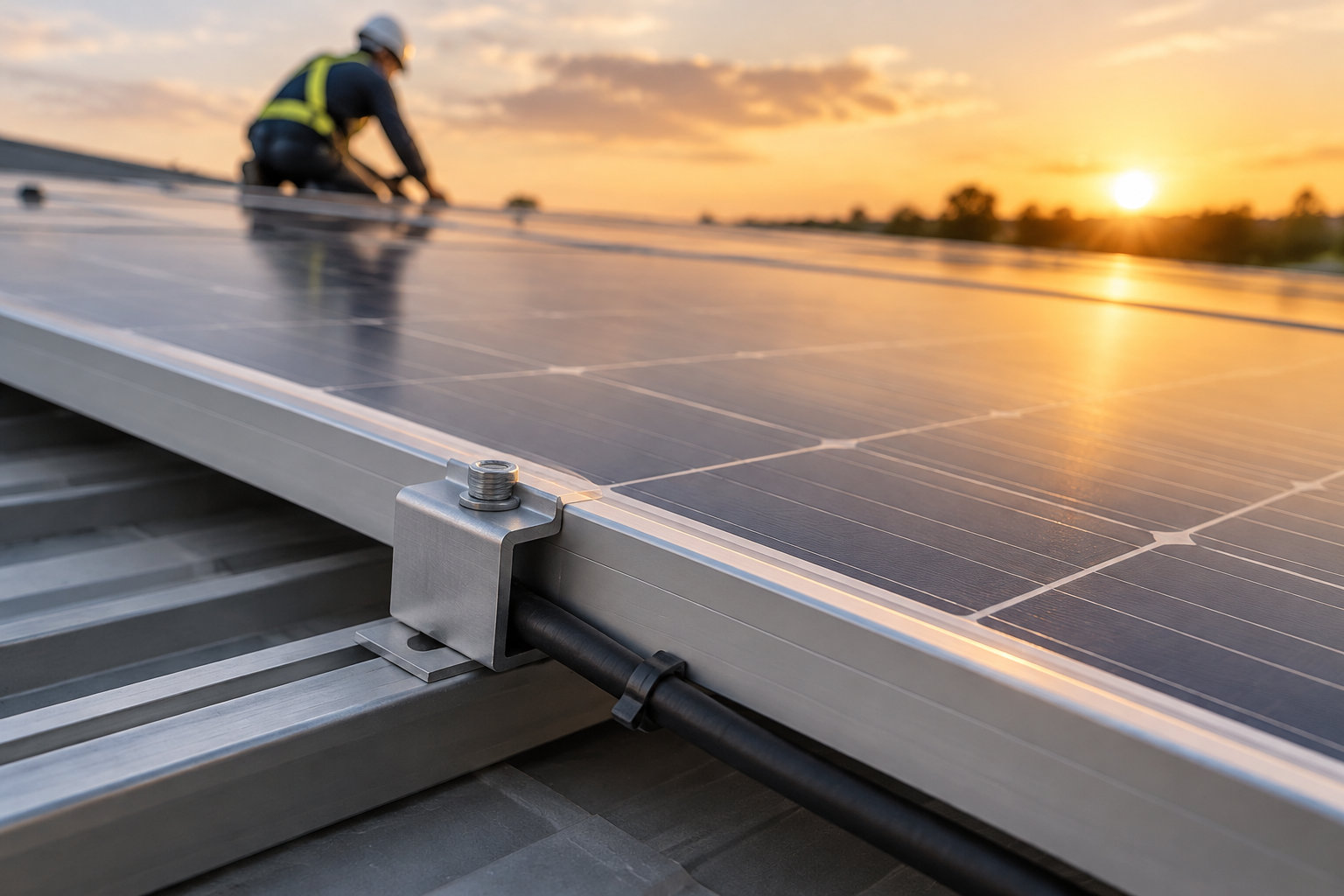
From a safe spot, look at the panel surface, frame, mount and cables. Watch for cracks, loose parts, dirt, leaves, bird droppings or new shade. Clean the panel if it’s dirty, and stop using any damaged cable.
Routine check
- Check the panel from a safe spot for dirt or new shade.
- Open the EcoFlow app and note the real-time power.
- Compare that reading with past readings on days with similar sun and weather.
- Check the weekly and monthly totals in the history view.
- Wipe the STREAM case with a soft, dry cloth.
- For a longer routine, see the maintenance checklist for longevity.
Cleaning the panel vs. servicing the kit: not the same job
Cleaning the glass is a job you can do yourself. Servicing the electrical parts is not. The STREAM Ultra and STREAM Pro have no parts that owners can repair or replace, so never open the casing.
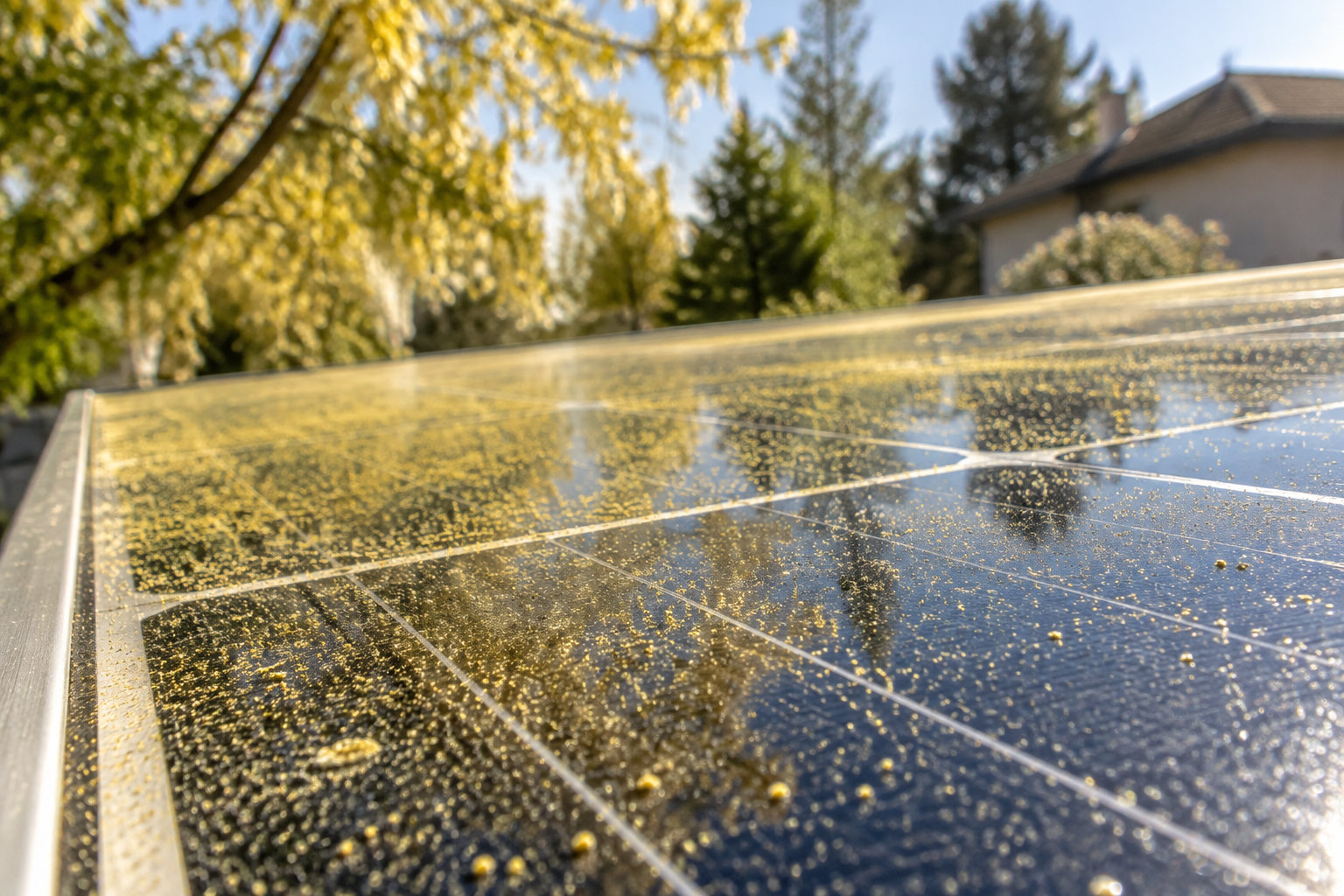
If the app cannot explain a fault, contact customer service. Your cleaning covers the glass surface only. Cables, connectors and the inverter belong to the manufacturer.
Clean or call support
Clean it yourself
- Dry area or long dry spell: clean two to four times a year.
- Steep panel in a rainy area: you may need less.
Call support
To plan for replacement, see how long plug and play solar panels really last.
Output dropped? Check these causes first
A red light on your STREAM Microinverter means a fault. Find the light on the unit and note its colour. Then open the EcoFlow app and follow its troubleshooting steps.
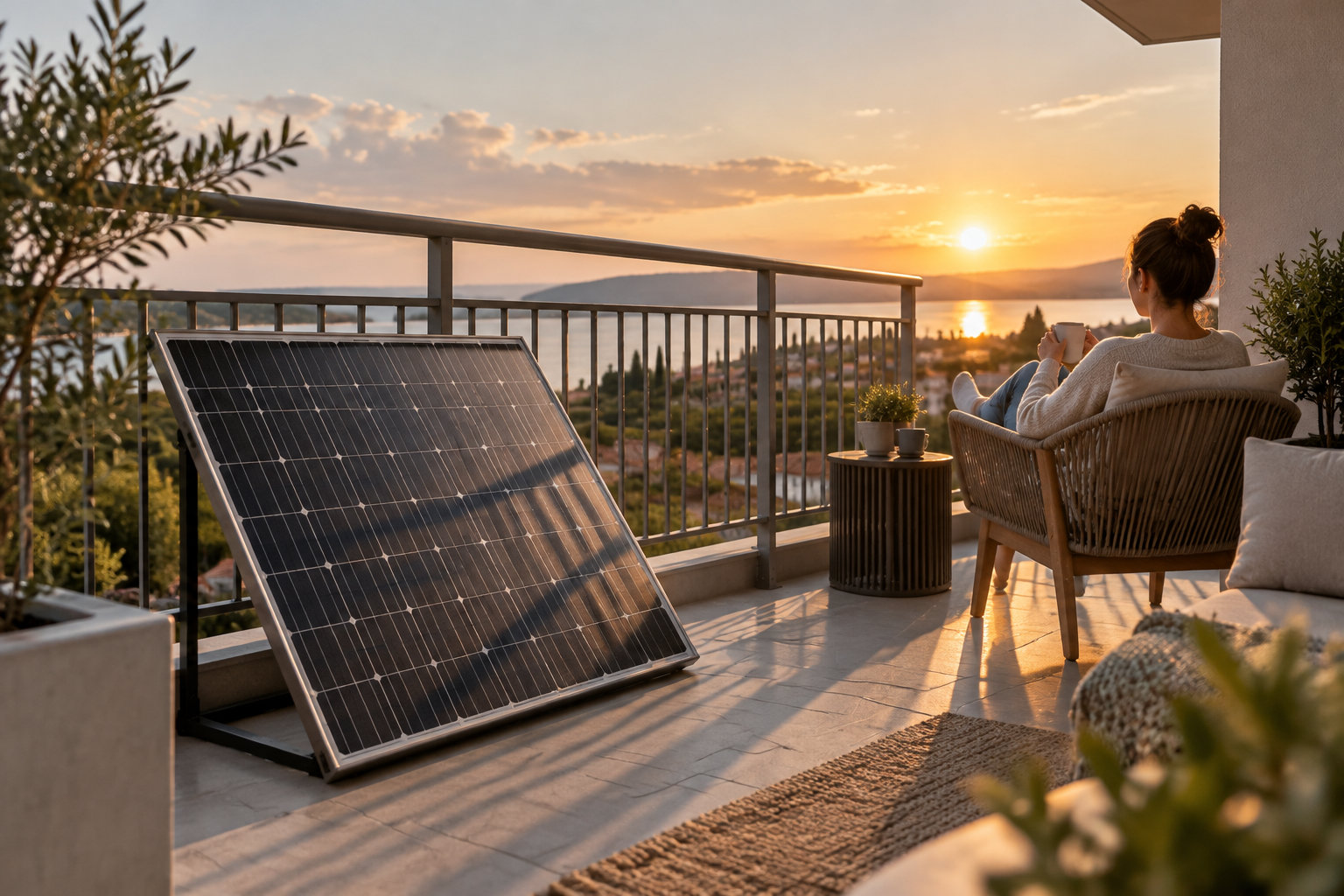
If the app cannot clear the fault, contact technical support. Do not open the unit or attempt repairs yourself. Have the light colour and the app message ready for the call.
For winter dips, see how to keep your kit efficient in cold months. Before calling support, run these checks in this order:
- Look for shade from a tree, a railing or any nearby object.
- Check the surface for dust, leaves or bird droppings, and clean it if you find any.
- Compare your reading with past readings in similar weather. A cloudy day or a season change can lower output without a fault.
- Contact support if output stays low after these checks, or if the glass is cracked or a mounting part is damaged.
What upkeep costs and what the warranty covers
Upkeep costs
Cleaning a small panel you can reach safely costs almost nothing. Use clean water and a soft cloth. The EcoFlow 60W instructions don’t call for special cleaning products, so there’s no need to buy any.
To compare setup and running costs, see plug-and-play solar kit costs.
Here is how a professional visit compares with cleaning the panel yourself.
| Criteria | Professional cleaning | Home cleaning |
|---|---|---|
| Cost | $200–$500 for a residential system | $0 |
| Who does the work | A technician | You, with clean water and a soft cloth |
| What it covers | Full residential systems, not small plug-in kits | Panels you can reach safely |
A residential solar inspection costs about $150–$300, and the final price depends on the work and the system.
To plan the full cost of your kit over its life, read what plug and play solar kits really cost.
Warranty terms
The warranty depends on your exact model. In the US, the STREAM Ultra and the 400W Rigid Solar Panel run 10 years, but the 400W Portable Solar Panel runs 12 months.
Only products bought and used in the US are covered. Keep your proof of purchase or delivery ready before you contact support.
What you should never do to the kit
Never open, repair or modify a STREAM Ultra or Pro yourself. Any electrical work or service must go to a qualified person.
The battery is off-limits too. For battery upkeep, see off-grid battery maintenance tips, and leave any battery work to a qualified person.
Some cleaning methods and positions are off limits, even for a small kit:
- Never use high-pressure water, brushes, solvents, abrasives or harsh detergents on the panel.
- Never wipe or wash the ports of the EcoFlow 60W portable panel.
- Never climb onto a roof to clean panels. Clean only from a safe position on the ground, or arrange qualified help.
- Never reach over a balcony railing to clean a panel. If you cannot reach it safely, leave the job to a qualified person.
How to clean your panels step by step
Before you touch the panel, read the manual and pick a cool time of day. Wait until the surface reaches room temperature, because a hot panel can dry water in streaks.
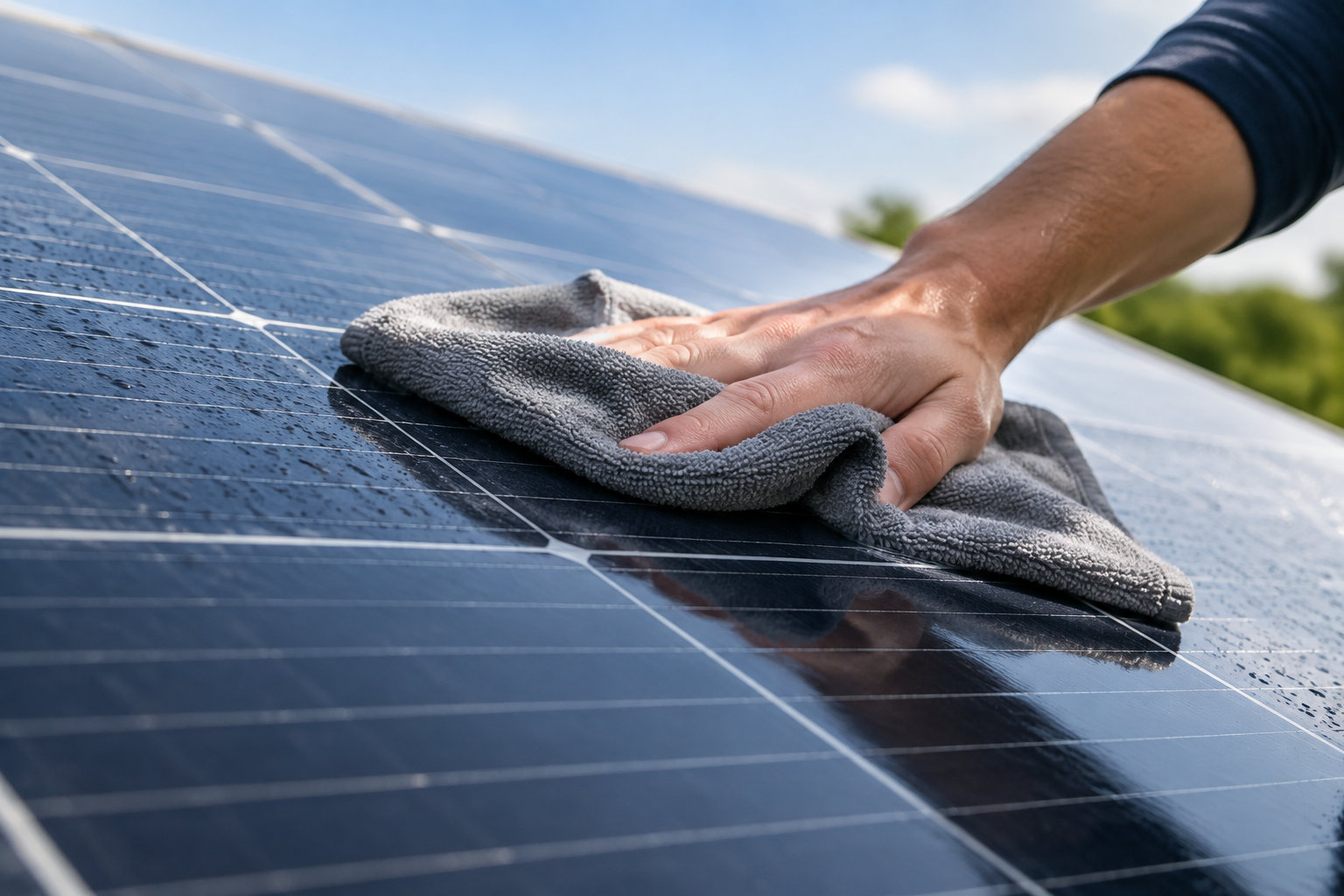
If you have a 60W panel, unplug it from the power station or any other load before you clean it.
Once the panel is off, clean it in these steps:
- Wet a soft rag with clean water and wring it out well, so it’s damp, not dripping. On the 60W panel, wipe the surface and keep the rag away from the ports.
- On the 250W panel, wipe gently with a soft, damp cloth. Don’t scrub, and don’t rinse the connectors.
- Let the panel air-dry completely. Don’t reconnect it while the connectors are wet.
- Once it’s dry, compare output on a sunny day with a similar day before cleaning. One reading can vary with sun and weather, so check over a few days. For camping setups, see how to clean solar panels while camping.
A plug-in kit needs little upkeep, but a few simple checks keep its output steady. Clean only the glass, from the ground, with clean water and a soft cloth. Leave the casing and cables to the manufacturer.
Set a reminder for your next check. If the app shows a fault, follow its steps, then call customer service.
Frequently Asked Questions
What is the average lifespan of a plug-in solar panel?
Residential solar panels usually last 20 to 25 years. The exact lifespan depends on the product, so check the model you own before you plan a replacement. Its own specifications tell you more than a single number for every kit.
Does snow on a panel need to be removed?
No. Never climb or lean out to clear snow off a panel. Follow the panel maker’s instructions. Leave any panel you can’t reach safely alone.
In winter, clean only when the panel is at room temperature, and skip water if frost is possible.
Can I clean a balcony solar panel in winter?
Yes, but only on a mild day, once the panel has reached room temperature and no frost is possible. If frost is forecast, skip the water and wait for a warmer day. Work from the ground, never from a ledge.