Did you know that a simple layer of desert dust or pollen can slash your solar efficiency by up to 30% during a single off-grid trip? ⚡
It is frustrating to watch your battery levels drop just because your gear is dirty. We are here to help you master how to clean solar panels while camping safely, ensuring you maintain peak power output without risking permanent scratches or thermal shock to your equipment.
- Why Cleaning Solar Panels While Camping Keeps Your Batteries Full
- 3 Must-Have Supplies for a Scratch-Free Solar Shine
- How to Safely Wash Your Panels in 5 Steps
- Smart Maintenance Habits for Long-Term Solar Health
Why Cleaning Solar Panels While Camping Keeps Your Batteries Full
Dust reduces solar efficiency by 30%, making regular cleaning vital. Using lukewarm distilled water and soft microfiber prevents scratches while maintaining peak wattage output during off-grid trips. This wattage output leads directly into monitoring real-time changes in the next section.
- 30% Efficiency loss
- Monthly Cleaning frequency
Spotting the Signs of Energy Output Drops
Check your charge controller for real-time wattage. Sudden drops often signal dirt buildup rather than equipment failure. Compare current readings with expected peak performance for your specific location.
Distinguish between hard shadows and uniform grime. Shading causes sharp drops in specific cells. Fine dust creates a gradual, consistent decline across the entire surface of the portable solar array.
Monitoring your system is vital. Try calculating solar panel wattage for camping to help identify these performance dips before your battery dies.
Timing and Safety: Avoiding Thermal Stress
Knowing how to clean solar panels while camping requires understanding temperature risks.
Cleaning hot glass with cold water creates immediate thermal shock, potentially leading to microscopic fractures that ruin your panel’s efficiency permanently over time.
Schedule maintenance for early morning or late evening. This ensures the glass surface is cool before applying any liquids.
Always power down the system first. Disconnect all cables to prevent electrical shorts or damage to the battery hub during the washing process.
3 Must-Have Supplies for a Scratch-Free Solar Shine
Maintaining the hardware is just the start; you also need the right kit to avoid damaging the sensitive photovoltaic coating.
The Soap Debate: Dish Soap vs. Glass Cleaners
Mild dish soap is generally safe for most portable surfaces. Avoid products with harsh degreasers or heavy fragrances. These can leave a filmy residue that actually attracts more desert dust.
Never use vinegar-based solutions or Windex on your panels. The acid can eat away at the protective seals. For industrial grime, seek out specialized solar glass cleaners that are pH-neutral.
Check out how plug-and-play solar kits work to understand the fragility of components. 🧼 Proper care prevents expensive hardware failures.
Soft Tools and the Distilled Water Advantage
Use microfiber cloths or very soft sponges only. Abrasive scrubbers will create tiny scratches that scatter sunlight. This reduces the amount of energy reaching the silicon cells beneath the glass.
Campground water is often “hard” and full of minerals. These minerals leave white spots once the water evaporates. These spots act like tiny shades, blocking out the sun’s rays.
Use distilled or demineralized water to prevent hard water mineral spots (calcium) that act like tiny shades on the cells.
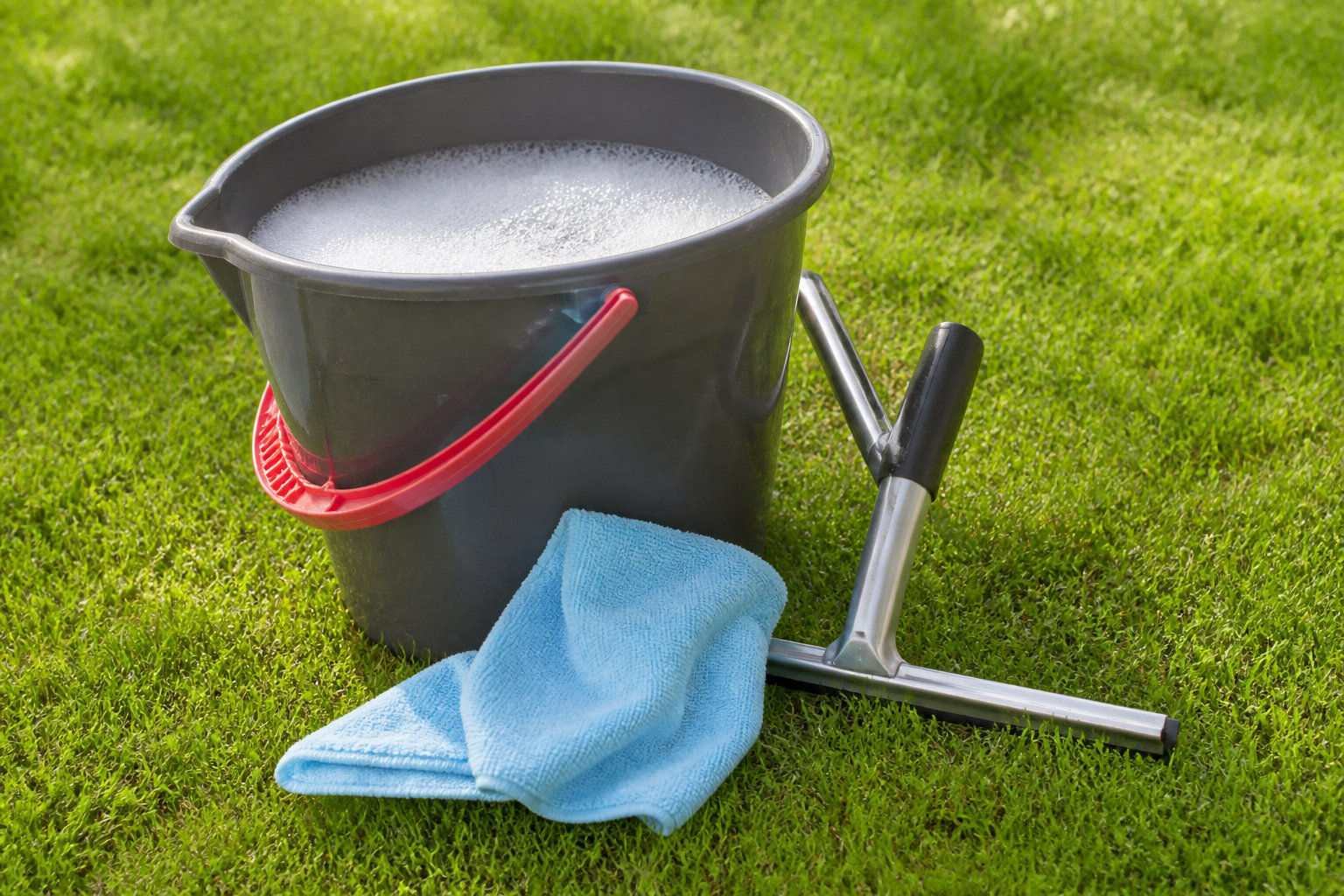
Grab these essentials for how to clean solar panels while camping effectively:
- Microfiber cloth for scrubbing
- Distilled water for rinsing
- Non-abrasive squeegee for drying
- Lukewarm water bucket
How to Safely Wash Your Panels in 5 Steps
Once you have your supplies ready, follow this specific sequence to ensure a deep clean without risking equipment failure.
- Low-pressure rinse.
- Soak stubborn debris.
- Gentle circular scrub.
- Distilled water rinse.
- Immediate microfiber dry.
Rinsing and Tackling Stubborn Debris
Start with a low-pressure rinse to clear loose grit. This prevents rubbing sand into the glass. Use a spray bottle if a hose is unavailable.
Soak bird droppings or sap for several minutes. Do not scrape them with tools. Let water soften the organic matter naturally.
Avoid high-pressure washers entirely. They force water past seals and cause internal corrosion.
The Gentle Scrub and Final Residue Removal
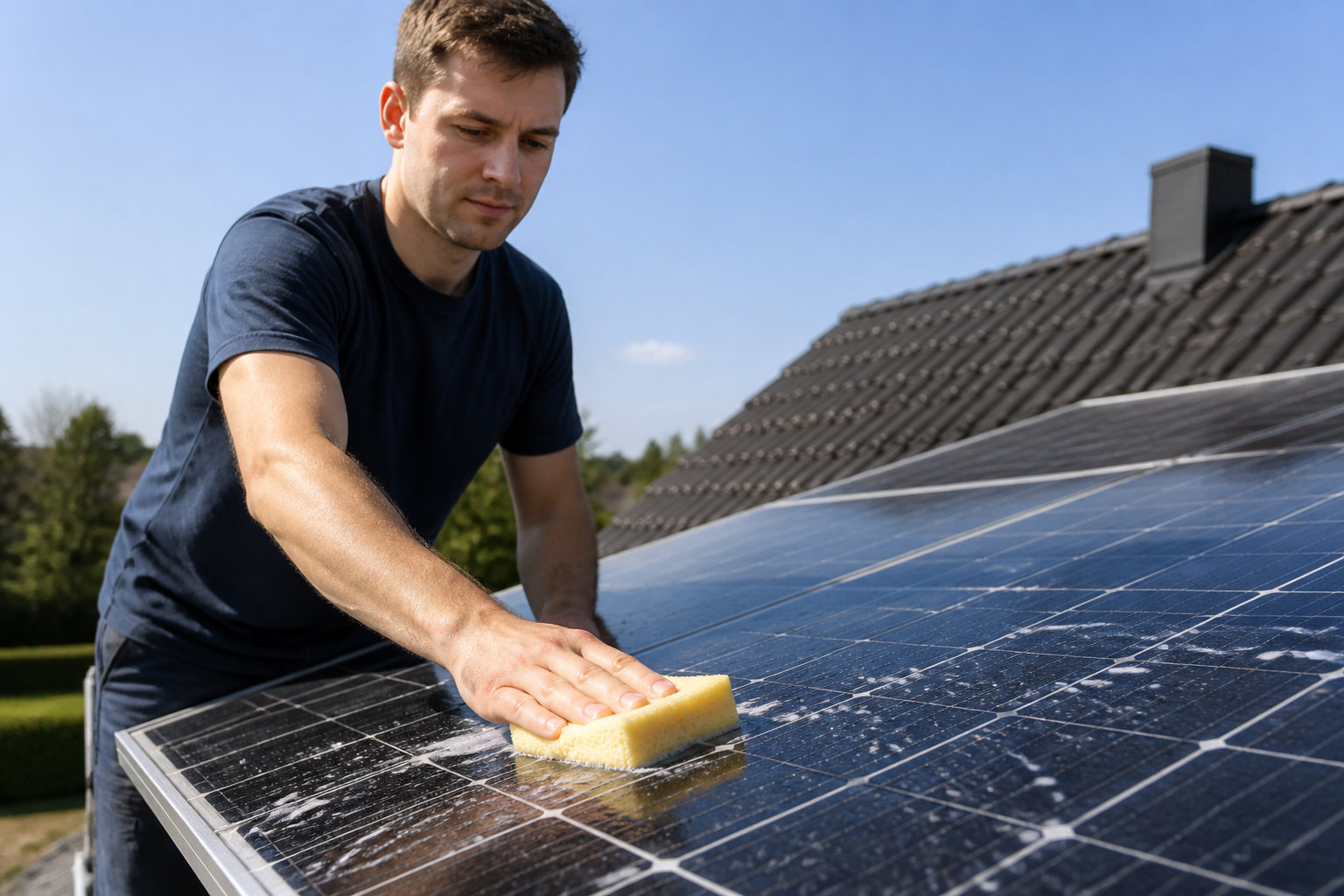
Apply soapy solution using light, circular motions. Focus on visible marks. Don’t press hard, as portable units can flex and damage cells.
Rinse thoroughly with distilled water to remove soap. Leftover bubbles dry into a film. This reduces the transparency of the glass.
Dry the surface immediately using a clean microfiber. This prevents streaks and ensures the glass is crystal clear.
Protecting Electrical Hubs and Connectors
Keep water away from back junction boxes housing sensitive wiring. Ensure all port covers are tightly closed before wetting.
Proper sealing is vital. You should install balcony solar panels safely to master watertight electrical maintenance.
Wipe the frame and hardware. This prevents rust and keeps folding mechanisms smooth.
Smart Maintenance Habits for Long-Term Solar Health
Cleaning is just one part of the equation; long-term durability requires a proactive approach to storage and environmental exposure.
Frequency Guidelines for Different Environments
Desert environments require weekly cleaning due to fine dust. Coastal areas are even more demanding. Salt spray creates a sticky layer that blocks light and corrodes metal components quickly.
| Environment | Primary Debris | Cleaning Frequency | Special Tip |
|---|---|---|---|
| Desert | Dust | Weekly | Rinse before scrubbing |
| Coastal | Salt | Weekly to Bi-weekly | Use demineralized water |
| Forest | Pollen & Sap | Monthly | Check for bird droppings |
| Industrial | Soot & Grime | Monthly | Use mild soap solution |
Balance your cleaning efforts with your travel schedule. Don’t obsess over every speck, but don’t let thick layers accumulate for months.
Hardware Inspection and Storage Preparation
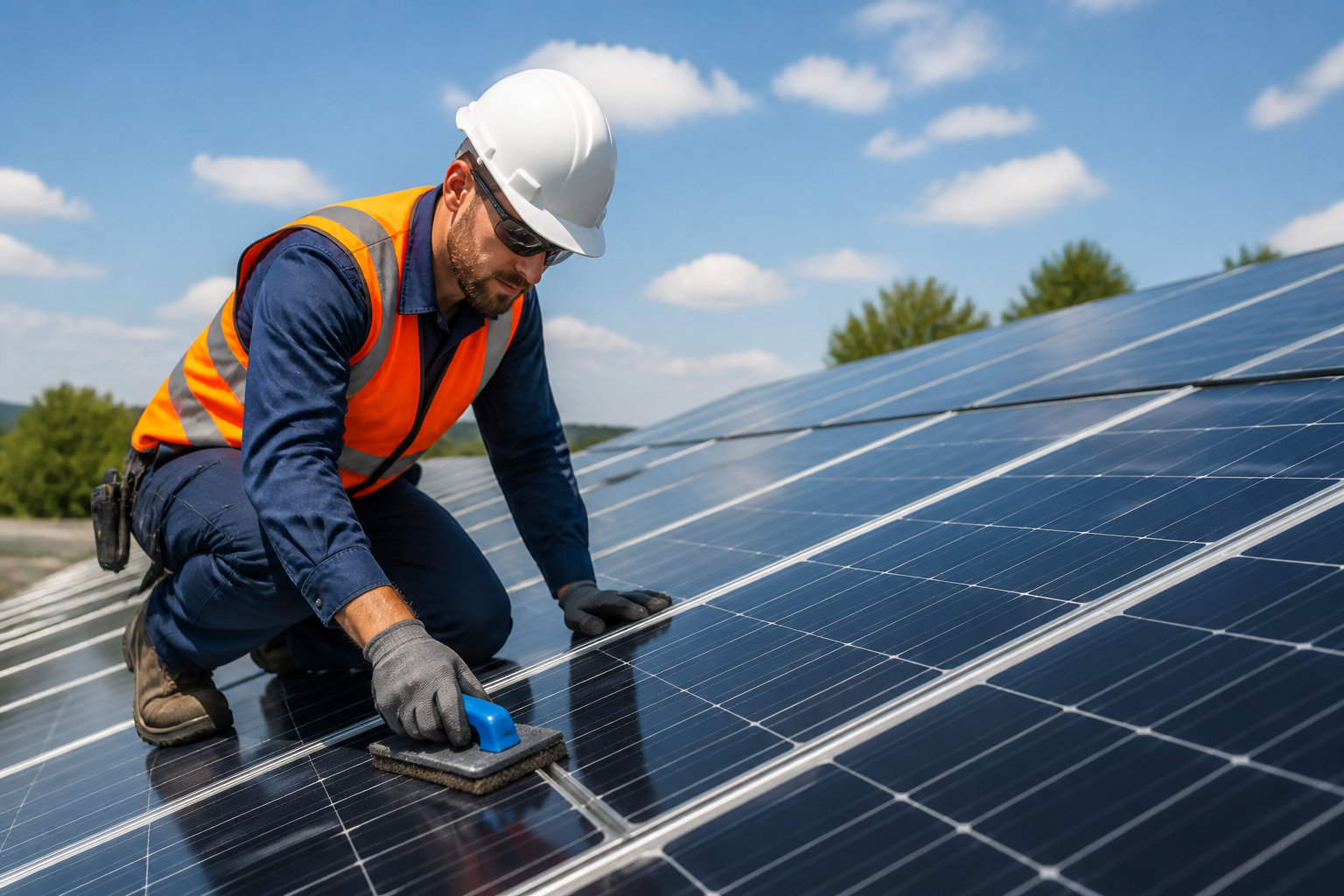
Use the cleaning window to inspect for micro-cracks. Check all wiring for fraying or loose connections. Off-road travel vibrations can slowly loosen the mounting hardware over time.
Regular maintenance significantly impacts the lifespan of plug and play solar panels. We recommend checking connections after every long trip. Secure cables prevent energy loss and safety hazards.
Always clean your panels before long-term storage. Trapped moisture or organic debris can cause mold or permanent staining. Store them in a padded case in a dry, temperature-controlled environment.
Maximize your off-grid efficiency by using distilled water and microfiber cloths during cool morning hours. Regular maintenance prevents permanent efficiency drops, ensuring your batteries stay charged. Start how to clean solar panels while camping today to protect your gear and power every future adventure safely.
FAQ
How often should I clean my solar panels while camping?
The ideal frequency depends heavily on your environment. Generally, a monthly cleaning is a solid rule of thumb to maintain peak efficiency. However, if you are camping in dusty deserts, areas with high pollen, or parked under sappy trees, you may need to clean them more frequently to prevent energy drops.
Keep a close eye on your wattage output. If you notice a sudden decline in performance, it is likely time to wipe away the accumulated grime. Regular maintenance ensures your batteries stay charged and extends the overall lifespan of your solar kit.
What is the best way to wash portable solar panels without scratching them?
Always start by rinsing the panels with clean water to remove loose grit and abrasive sand. Use a soft microfiber cloth or a gentle sponge with lukewarm water and mild soap for stubborn spots. Avoid circular scrubbing with force; instead, use light motions to protect the sensitive glass surface.
For a professional finish, we recommend using distilled or demineralized water for the final rinse. This prevents limescale buildup and white mineral spots that act like tiny shades, blocking sunlight. Finish by using a rubber squeegee or a clean cloth to dry the surface and avoid streaks.
Can I use a high-pressure washer or glass cleaner on my panels?
No, you should never use high-pressure washers like a Karcher. The intense pressure can force water past the protective seals, leading to internal corrosion or permanent damage. Similarly, avoid harsh chemicals, vinegar-based solutions, or Windex, as these can strip away protective coatings or leave a filmy residue that attracts more dust.
Stick to pH-neutral mild soap and water. If you encounter organic debris like bird droppings, let them soak for a few minutes to soften rather than scraping them off with hard tools. This “soft touch” approach is the best way to ensure your plug-and-play system remains effective for years.
Is it safe to clean solar panels when they are hot?
It is best to schedule your cleaning for the early morning or late evening when the panels are cool to the touch. Applying cold water to hot glass can cause thermal shock, potentially leading to microscopic fractures that ruin your panel’s efficiency. Safety first: always disconnect the panels from your inverter or power station before starting the process.
Additionally, never walk or stand directly on your solar panels. Even if they seem sturdy, your weight can cause invisible micro-cracks in the silicon cells. Ensure your ladder is stable and your footwear is non-slip before reaching for those roof-mounted units.