In 2026, the market price for residential lithium storage has stabilized between $300 and $1,300 per kWh, depending on the chosen cell durability. While high-performance LFP systems now offer up to 10,000 charge cycles, the upfront investment remains a significant hurdle for many homeowners seeking energy independence.
Navigating the fluctuating solar battery price for home often leads to confusion between hardware quotes and the actual final installed cost. We have analyzed the latest data to help you calculate your total backup storage expenses and maximize your long-term return on investment.
- Solar Battery Price for Home: 2026 Market Reality
- 4 Hidden Expenses That Inflate Your Final Bill
- How Does Battery Chemistry Affect Long-Term Costs?
- The Real Solar Battery Price for Home: Total Cost of Backup Storage
- 3 Steps to Sizing Your Backup Capacity
- Maintenance Costs and Hardware Lifespan Expectations
Solar Battery Price for Home: 2026 Market Reality
Residential solar batteries in 2026 range from $400 to $900 per kWh. Total installed costs for standard 10-13kWh systems average $10,000 to $16,000, heavily influenced by chemistry choices like LFP and hardware-specific labor requirements.
Making sense of the shifting energy market requires a clear look at how hardware choices dictate your final invoice.
Entry-Level Units vs Premium Backup Systems
Hardware costs for compact 5 kWh units start between $3,000 and $5,000. High-capacity 15 kWh models often exceed $9,000. Budget brands offer lower entry points. Premium integrated solutions like Tesla or Enphase command higher prices for their all-in-one builds.
Premium systems justify higher costs through superior software integration. These units manage energy flows automatically. Budget units often require separate inverters. This adds hidden complexity for the homeowner during setup.
Average Installation Costs for Standard Residential Setups
Fully installed 10 kWh to 13.5 kWh systems typically cost between $6,000 and $23,000. Installation labor adds $2,000 to $5,000 to the bill. Your existing electrical panel setup determines the final labor quote.
Standalone battery additions usually cost more than integrated bundles. Adding storage to a new solar array is efficient. Bundling often saves 15% on total soft costs. It streamlines the permitting and mobilization process for crews.
If you are looking for a simpler start, a plug and play solar kit cost might be lower. These kits offer a different entry point into energy independence.
Regional Pricing Variations and Supply Chain Trends
Local labor markets and shipping logistics heavily influence final quotes. Urban areas often face higher permitting fees. Labor rates vary by city. Manufacturing scales are finally making hardware more affordable for the average homeowner.
| Region | Avg. Hardware Cost | Avg. Labor Cost | Total Estimate |
|---|---|---|---|
| North America | $8,000 – $12,000 | $3,000 – $5,000 | $11,000 – $17,000 |
| Europe | €7,000 – €10,000 | €2,000 – €4,000 | €9,000 – €14,000 |
| Australia | $9,000 – $13,000 | $2,500 – $4,500 | $11,500 – $17,500 |
| Asia | $5,000 – $8,000 | $1,000 – $2,500 | $6,000 – $10,500 |
Identifying Hidden Fees in Standard Installer Quotes
Watch out for administrative fees and transportation surcharges. Many installers hide permitting paperwork fees until the end. These costs can surprise you at the final contract signing phase. Always ask for a full breakdown.
Clarify the cost of monitoring software subscriptions. Some brands charge monthly for energy management. These features help track your solar battery price for home: total cost of backup storage over time.
Mention extended warranty premiums. Standard 10-year warranties are common. Extending this protection to 15 or 20 years might cost extra. Evaluate if the long-term security is worth the upfront premium.
4 Hidden Expenses That Inflate Your Final Bill
While hardware prices are transparent, the secondary infrastructure required for safety and compatibility often catches homeowners off guard.
Main Electrical Panel Upgrades and Requirements
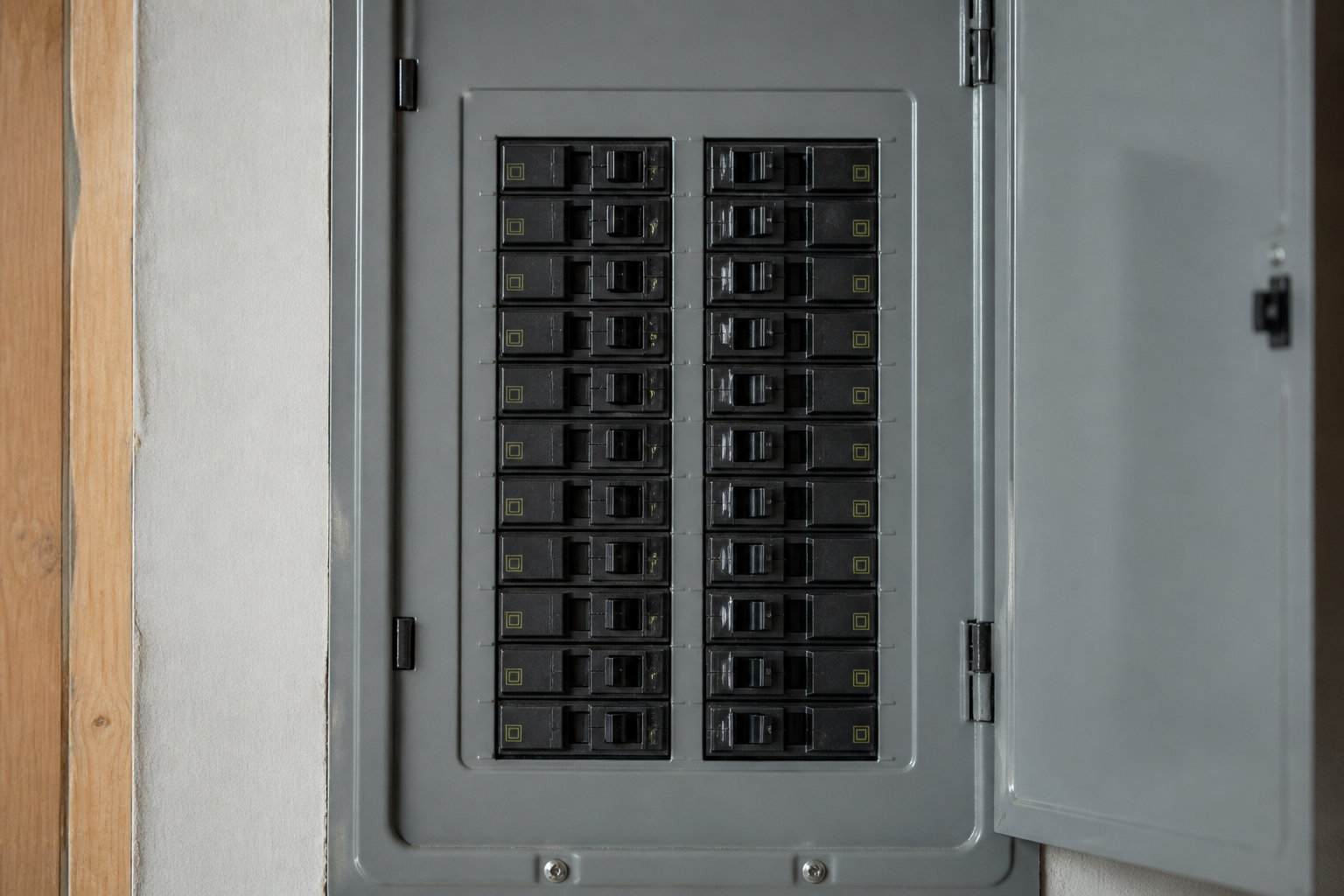
Upgrading aging circuit breakers typically costs between $1,500 and $3,500. Modern storage loads demand specific amperage ratings. Older homes rarely possess the necessary capacity for these systems.
Smart sub-panels require additional labor for installation. These specialized devices manage heavy-duty busbars efficiently. They ensure power distributes correctly across your home.
Safety is paramount. You should install balcony solar panels safely to avoid electrical hazards.
Main panel upgrades can cost between $1,500 and $3,500. Permitting and structural engineering reviews are often omitted from initial quotes.
Critical Load Panel vs Whole-Home Backup Setup
Isolating essential circuits requires specific hardware and wiring. A critical load panel powers lights and refrigeration. This strategy saves thousands by reducing required battery capacity.
Full autonomy demands high-amperage transfer switches and multiple batteries. This setup relies on expensive automatic transfer switches. It ensures the entire house remains powered during outages.
Choosing a critical load panel over whole-home backup can reduce your total investment by 40% while maintaining essential security.
Permitting and Inspection Fees by Jurisdiction
Municipal filing fees and structural reviews vary by city. Some jurisdictions require a professional engineer’s signature. This is mandatory for wall-mounted battery weight verification.
Fire safety regulations significantly impact the final price. Setback requirements often force longer conduit runs. These adjustments increase both material and labor expenses.
Local inspections add time and money. Always verify these costs with the building department. Don’t let paperwork stall your project.
Retrofitting Existing Solar vs New Installations
Older inverter technologies often carry labor premiums. Integrating storage with a five-year-old system is complex. It frequently requires a complete inverter replacement to function.
Compare AC-coupled versus DC-coupled retrofits carefully. AC-coupling is generally easier for existing arrays. It is often the cheaper path for older solar setups.
Simple solutions exist. Many homeowners why buy a solar panel plug and play for easier integration.
How Does Battery Chemistry Affect Long-Term Costs?
Beyond the initial quote, the chemical composition of your cells dictates how often you will need to pay for a replacement.
LFP vs NMC Chemistry Performance and Price
Lithium Iron Phosphate (LFP) costs more upfront than Nickel Manganese Cobalt (NMC). But LFP provides superior thermal stability. This safety makes it a favorite for residential solar battery price for home: total cost of backup storage setups.
LFP typically lasts 6,000 cycles compared to 3,000 for NMC. This durability means you won’t replace the unit as often.
Check out our lithium vs lead acid guide. It explains chemical differences clearly.
Usable Capacity vs Nominal Capacity Explained
Nominal capacity is just a marketing number. Usable capacity is what actually powers your home. Knowing the difference prevents you from overpaying for energy you cannot use.
Depth-of-discharge (DoD) limits impact the real price. A battery with 80% DoD effectively costs more per usable kWh. It forces a larger purchase.
Always check the spec sheet for real usable energy. Don’t be fooled by labels. It is vital.
Depth of Discharge and Cycle Life Impact
Draining a battery to zero every day will void the warranty. It kills the cells quickly. Performance decay happens much faster with deep discharges.
High-quality cells offer a lower cost-per-cycle over a ten-year period. Calculate the amortized cost to see the true value. Cheap batteries often cost more later.
A battery is only as cheap as its cycle life; paying more upfront for LFP usually yields the lowest cost per decade.
AC-Coupled vs DC-Coupled Storage Systems
DC-coupled systems are more efficient for new installs. They avoid multiple power conversions. This architecture simplifies the hardware needed for your solar battery price for home: total cost of backup storage.
Every conversion loss is money wasted over the system’s life. Inverter efficiency directly affects your long-term savings. Higher efficiency means more power stays in your pocket.
Learn how plug and play solar works. It helps with simple setups.
The Real Solar Battery Price for Home: Total Cost of Backup Storage
Thinking about cutting the cord or just securing your home against the next grid failure? You aren’t alone. But let’s talk numbers: the solar battery price for home: total cost of backup storage isn’t just a sticker price on a box; it is a strategic investment in energy independence.
Federal Tax Credit
Average Payback Period
Savings (Solar + Storage Bundle)
Maximizing the Federal Solar Tax Credit
The 30% federal tax credit is a massive win for homeowners. It covers the battery, the inverter, and all associated installation labor costs without a cap.
Applying the credit is straightforward. You must have sufficient tax liability to claim the full amount against what you owe the IRS.
Consult a tax professional. This credit is the single biggest savings tool.
Navigating Time-of-Use and Net Billing Tariffs
Shifting usage to off-peak hours accelerates your payback significantly. Batteries allow you to avoid peak utility rates during the evening when prices skyrocket.
Net billing changes have made local storage more valuable. Many utilities now pay much less for exported solar energy than they used to.
Check out plug and play solar benefits for smaller setups. Local rates change everything.
Virtual Power Plants as Revenue Streams
Participating in utility-managed VPP programs turns your battery into a tiny power plant. You get paid to let the utility use your stored energy during emergencies.
This provides a major ROI boost. These annual credits can shorten your payback period by two years or more depending on your location.
Learn more about emergency backup power options. It’s a smart way to earn while staying protected.
3 Steps to Sizing Your Backup Capacity
Buying too much capacity is a waste of money, but buying too little leaves you in the dark when it matters.
Energy Audit Checklist for Backup Requirements
Start by identifying heavy-duty appliances like AC units and well pumps. These specific items drain your battery storage significantly faster than any other devices in a modern home.
Calculate your daily kWh needs by reviewing annual bills. Focus on essential loads like medical equipment and internet connectivity first.
- Refrigerator
- LED Lighting
- Phone Charging
- Wi-Fi Router
- Sump Pump
Target 5kWh for a 2-person household (nightly use) or 10-15kWh for a 4-person home with a heat pump. Aim to cover 4-6 hours of nightly consumption.
Number of Batteries Needed for Emergency Outages
Plan for multi-day resilience if you inhabit storm-prone regions. You likely need at least 20 kWh of storage to maintain safety during extended blackouts.
Check your peak power output carefully. Starting heavy motors demands a high surge current rating from your inverter to avoid system shutdowns.
We recommend comparing portable power stations vs fixed batteries to find your ideal emergency setup.
Grid-Tied Backup vs Full Off-Grid Independence
Prepare for a massive price disparity between systems. True off-grid setups demand massive solar arrays and redundant battery banks to survive harsh winter conditions.
Factor in specialized hardware costs for energy islanding. You must install a system controller to safely disconnect your home from the main grid.
Off-grid independence costs three times more than standard grid-tied backup due to the required redundancy.
Scalability and Adding Storage Capacity Later
Select modular systems to simplify future expansion. Choosing a brand that supports plug-and-play additions significantly reduces labor costs for future upgrades.
Understand the technical limits of mixing different modules. Old and new batteries frequently display different internal resistances, which can cause performance imbalances.
Building a solar kit for shed applications is often a great way to test modular scalability first.
Maintenance Costs and Hardware Lifespan Expectations
Your battery is a chemical device that ages every day. Planning for its eventual decline is part of the investment.
Battery Degradation and Capacity Loss Expectations
Top-tier batteries generally guarantee 70% retention after ten years. You can forecast this steady decline in energy storage capacity over a decade of daily residential use. It is predictable.
Temperature significantly dictates the speed of decay. Extreme heat remains the primary enemy of lithium-ion longevity in home setups.
Keep units in conditioned spaces. Garages require proper ventilation.
Monitoring Software and Smart Management Apps
Advanced energy management often involves software costs for high-end diagnostics. Real-time monitoring helps identify failing cells early. This prevents a total system shutdown during critical backup periods.
AI-driven optimization reduces hardware wear effectively. Smart apps manage charge cycles based on local weather forecasts to protect the cells.
Stay efficient by checking mobile solar efficiency. Software updates keep systems running.
Safety Features and Fire Suppression Tech Costs
Investing in thermal management is a smart move for homeowners. Integrated sensors and active cooling systems prevent thermal runaway events. These features are standard in high-quality residential settings.
Chemistries differ greatly in their inherent safety profiles. LFP is safer than NMC, which often reduces the need for expensive external suppression systems.
Safety is worth the premium. Never cut corners here.
Scheduled Maintenance and Eventual Replacement
Professional inspections help verify your solar battery price for home: total cost of backup storage value. Periodic firmware updates are usually free. However, older hardware might require a paid technician visit.
Financial planning for replacement is vital for long-term owners. Budget for a new inverter or battery module around year twelve of operation.
Learn more about us and our expertise. Plan for future hardware.
Investing in a solar battery price for home systems ensures long-term energy independence and significant utility savings. By choosing durable LFP technology and maximizing the 30% federal tax credit, you can achieve full ROI within 7 to 12 years. Secure your home’s power future today for a cleaner, more resilient tomorrow.
FAQ
What is the average total price for a residential solar battery system?
For a standard residential setup with a capacity of 10 kWh to 13.5 kWh, you can expect a total installed cost ranging from $6,000 to $23,000. This comprehensive price includes the battery unit, inverter, specialized wiring, and professional labor. On average, a fully integrated 11.4 kWh system typically lands at approximately $9,041 before applying any financial incentives.
If you are looking for entry-level security, smaller 5 kWh systems start around $6,500 installed. We always recommend considering the long-term savings, as these systems generally pay for themselves within 7 to 12 years through significantly reduced utility bills and increased energy independence.
How much does the hardware alone cost for different storage capacities?
The price for the battery equipment itself varies based on your specific energy needs. Compact backup models start as low as $459, while larger 5 kWh units typically retail between $1,199 and $1,399. For homeowners requiring more robust storage, 10 kWh units range from $1,800 to $2,800, and high-capacity 15 kWh systems are priced between $3,300 and $5,000.
Choosing the right capacity is essential for maximizing your ROI. A 5 kWh battery is often sufficient for a 2-person household to cover nighttime use, whereas a larger family or a home with a heat pump may require 10 kWh to 15 kWh to maintain full comfort during off-peak hours.
Which battery chemistry offers the best value between LFP and NMC?
When comparing Lithium Iron Phosphate (LFP) and Nickel Manganese Cobalt (NMC), LFP stands out as the superior choice for home solar storage. While LFP batteries are slightly heavier, they offer incredible durability with a lifespan of 6,000 to 10,000 cycles (15, 20 years) compared to just 1,000, 2,000 cycles for NMC. This longevity reduces the total cost of ownership by 20% to 30% over the life of the system.
LFP technology is also celebrated for its thermal stability and safety profile. Because it does not rely on expensive metals like cobalt, it remains more cost-effective and environmentally friendly, making it our top recommendation for reliable, long-term residential backup.
Are there federal incentives to help lower the cost of solar storage?
Yes, you can significantly slash your net investment by utilizing the 30% Residential Clean Energy Credit provided by the federal government. For example, if your total system cost is $10,000, this tax credit could effectively reduce your out-of-pocket expense to $7,000. This incentive applies to the battery hardware, the inverter, and all associated installation labor costs.
Beyond federal credits, participating in Virtual Power Plant (VPP) programs or local rebate schemes can further accelerate your payback period. By allowing the utility to use your stored energy during grid emergencies, you can earn annual credits that make your transition to clean energy even more affordable.
What is the difference between Plug & Play and home backup batteries?
Plug & Play batteries are designed for simplicity, allowing you to connect them directly to a standard outlet for immediate use. These are excellent for portable needs or small-scale backup. However, for true whole-home resilience, domestic backup systems are wired directly into your main electrical panel, offering higher capacities and seamless power continuity during grid outages.
While domestic systems have a higher initial hardware and installation cost, they provide a much higher level of security. They often include a dedicated Emergency Power Supply (EPS) mode, ensuring your essential appliances, like refrigerators and medical devices, stay running without interruption when the grid goes down.